







The modern horological market has increasingly shifted its focus toward ultra-durable timepieces designed to withstand extreme environmental pressures, mechanical shock, and the rigors of daily wear. As consumers prioritize longevity and utilitarian functionality over delicate luxury designs, watchmakers have responded with advanced engineering techniques. Contemporary durable watches integrate aerospace-grade materials, advanced solar-charging mechanisms, and sophisticated shock-absorption architectures to meet the demands of professionals, outdoor adventurers, and everyday consumers alike.
Background and Evolution of Rugged Horology
The demand for robust timekeeping instruments originated primarily within military applications and specialized deep-sea exploration during the mid-20th century. Early pioneers recognized that standard mechanical movements were highly susceptible to magnetic fields, sudden impacts, and water ingress. This realization spurred the development of specialized gasket systems, screw-down crowns, and heavily reinforced steel cases.
Over the subsequent decades, the introduction of quartz movements in the 1970s revolutionized the industry by offering superior shock resistance compared to delicate mechanical escapements. Brands like Casio further transformed the market in 1983 with the introduction of the hollow-case G-Shock structure, proving that resin-clad digital devices could survive severe drops and high-velocity impacts. In recent years, modern metallurgy—such as the utilization of titanium alloys, scratch-proof ceramic bezels, and synthetic sapphire crystals—has elevated the baseline durability expected from everyday wristwear.
Top Durable Timepieces for 2026

The contemporary landscape of rugged watches features diverse options catering to varying price points, aesthetic preferences, and operational requirements. Industry experts and product evaluators have categorized the leading durable models based on specific use cases:
Casio G-Shock GX-56 King Watch (Best Overall)
Recognized for its substantial footprint, the GX-56 features a 55mm resin case and a robust internal architecture designed to withstand mud, dust, high vibrations, and heavy mechanical impacts. With a 200-meter water resistance rating and comprehensive digital utilities including a stopwatch, countdown timer, and automatic calendar, it remains a premier choice for extreme outdoor environments.
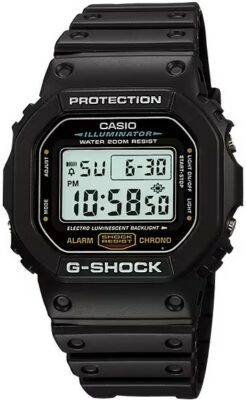
Casio G-Shock DW-56 Watch (Best Budget)
For consumers seeking the legendary resilience of the G-Shock lineage in a more compact profile, the DW-56 offers a 45mm resin construction. It replicates the shock-resistant capabilities and 200-meter water resistance of its larger counterparts while presenting a more accessible price point and streamlined wrist presence.
Fossil Machine Chronograph Watch (Best on Amazon)
Blending industrial aesthetics with everyday functionality, the Fossil Machine utilizes a 45mm stainless steel case coupled with a hardened mineral crystal lens. While rated for 50 meters of water resistance—making it suitable for casual swimming rather than deep-sea diving—it delivers a durable alternative for urban environments requiring a rugged visual appeal.

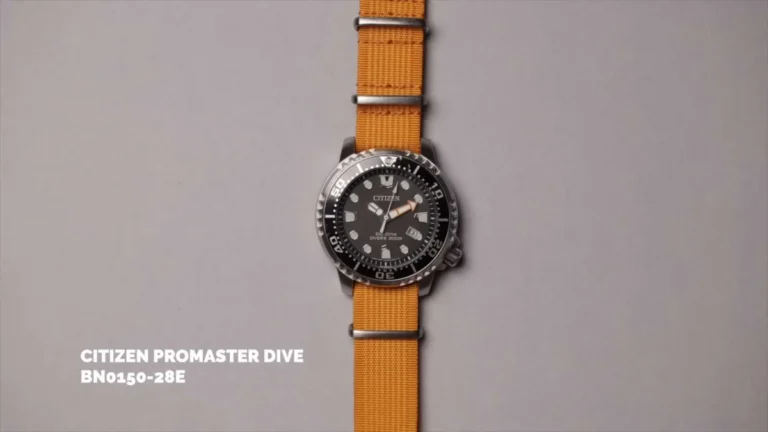
Citizen Promaster Dive Eco-Drive Watch (Best Dive)
Integrating proprietary Eco-Drive technology, the Citizen Promaster eliminates the need for periodic battery replacements by harvesting energy from any light source. Encased in silver-tone stainless steel with a durable polyurethane strap, the watch features a 200-meter depth rating and luminous markers, making it a reliable instrument for marine and terrestrial expeditions alike.
Seiko SSC813 Prospex Solar Chronograph (Best Staple)
Drawing design inspiration from early chronograph standards while incorporating modern solar-charging capabilities, this 39mm stainless steel timepiece offers long-term reliability without battery maintenance. Its versatile design bridges the gap between formal wear and outdoor utility.

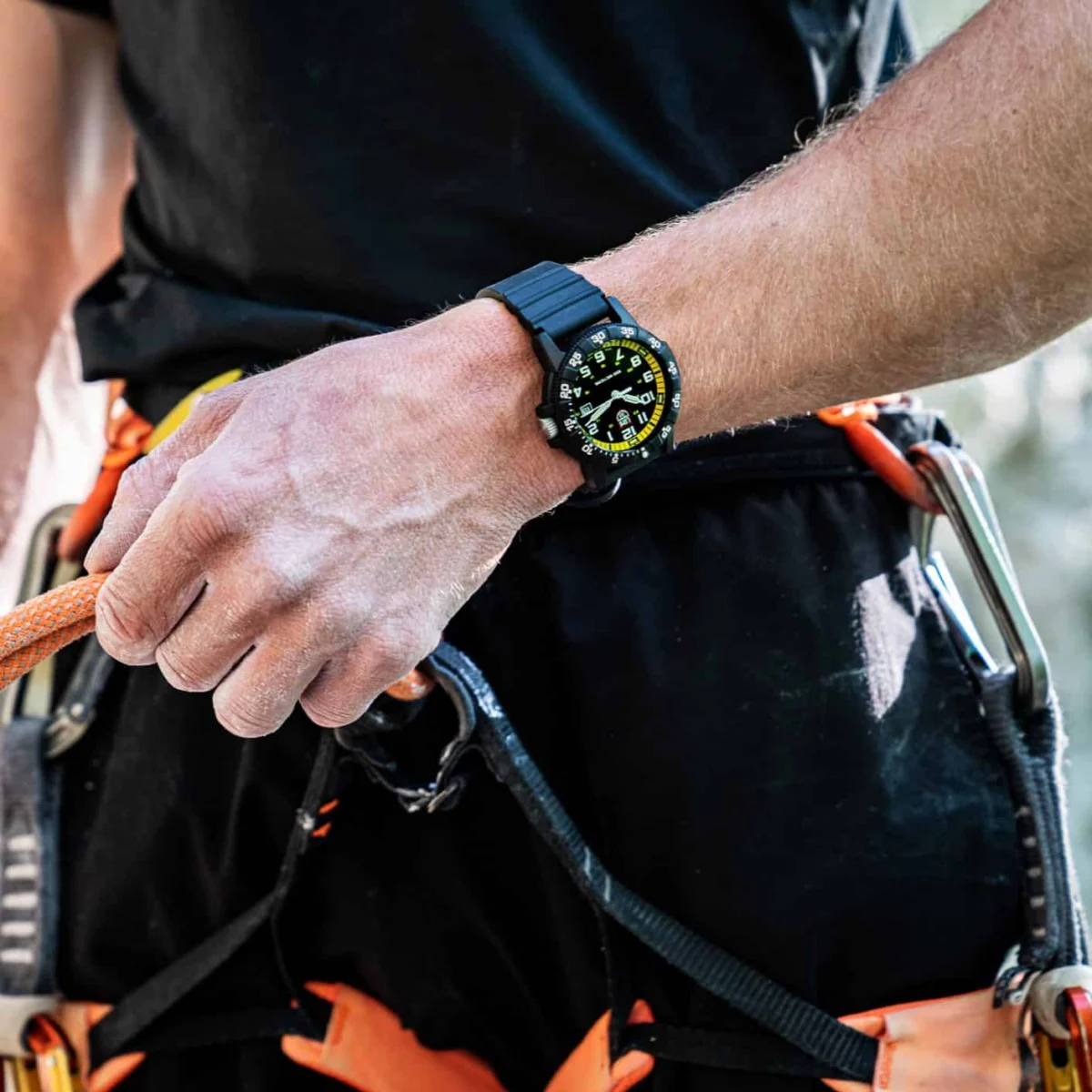
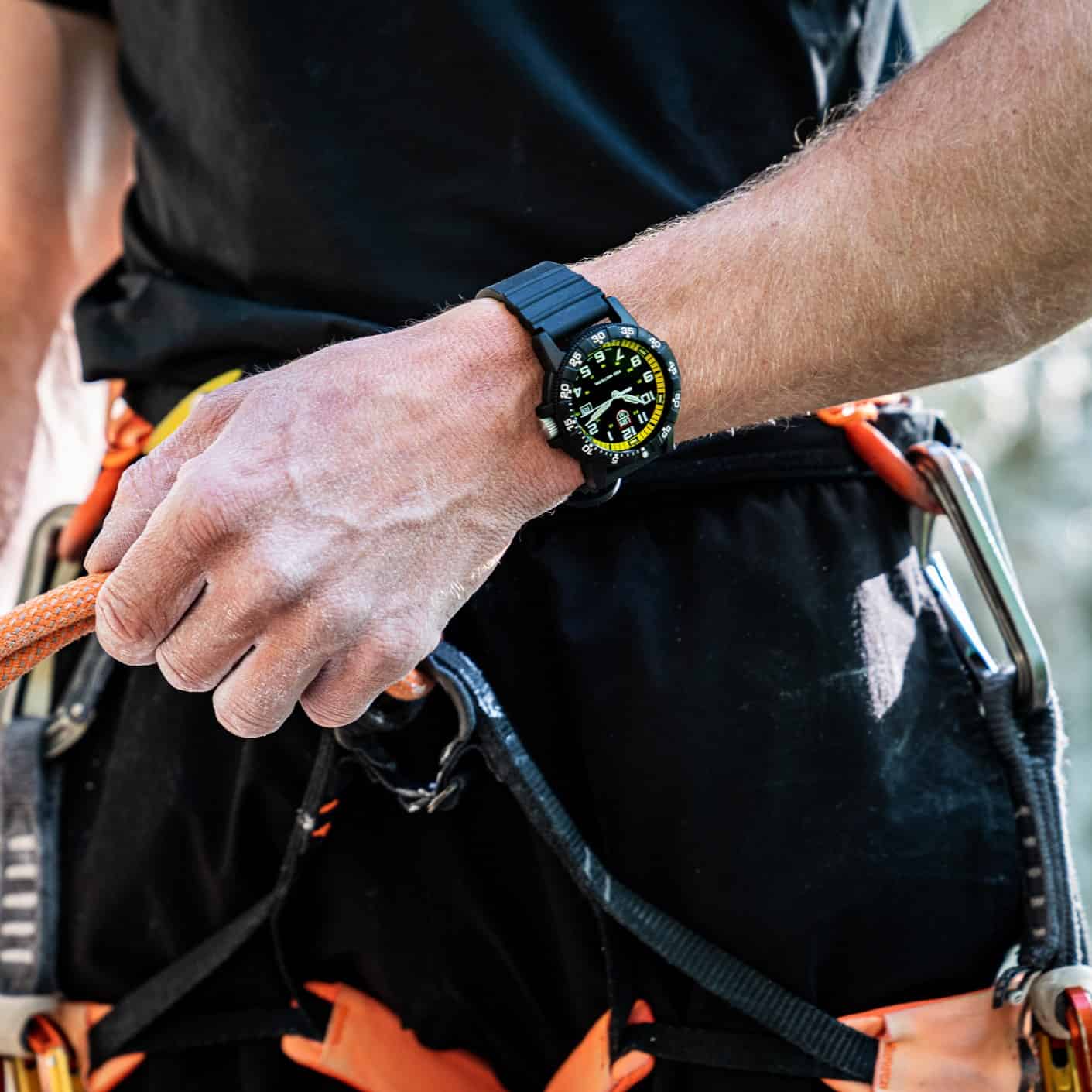
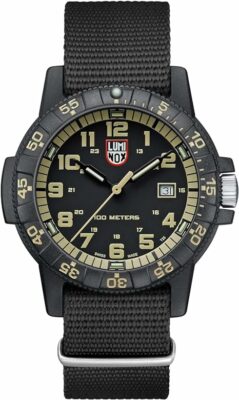
Luminox Leatherback Sea Turtle Quartz Watch (Best Trending Option)
Designed for tactical and marine applications, this 44mm timepiece utilizes self-powered tritium gas tubes for continuous illumination in low-light conditions. Protected by a rugged composite case and a 100-meter water resistance rating, it provides high visibility and reliable quartz accuracy.
Baltic Aquascaphe GMT Watch (Best Luxury)
Offering a sophisticated entry into luxury sports watches, the Baltic Aquascaphe GMT combines a 39mm stainless steel case with double-domed sapphire crystal. Featuring a bidirectional rotating bezel and a dual-time complication, it balances refined mid-century aesthetics with modern manufacturing tolerances.

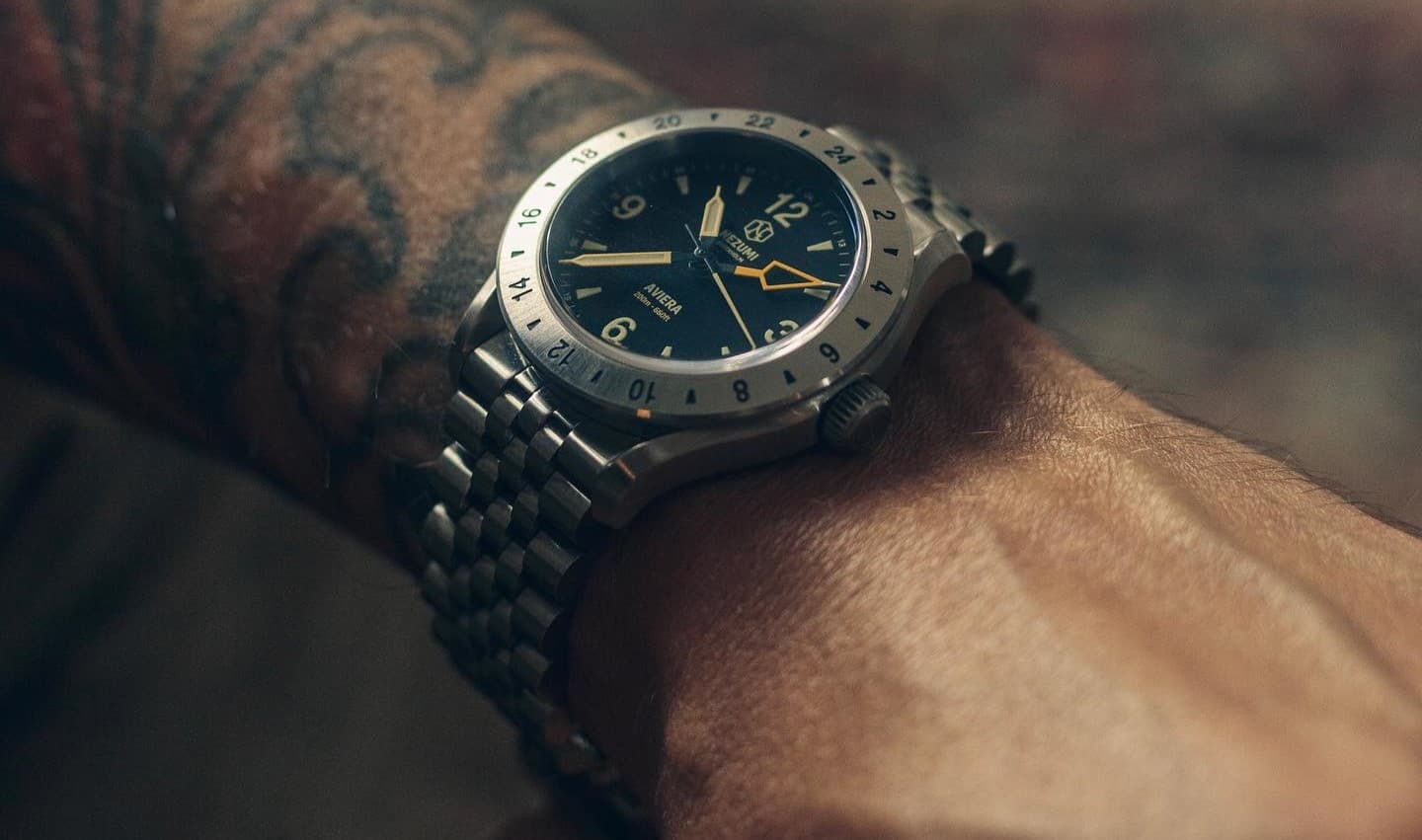
Seiko 5 Sports Field GMT SSK023 (Best Automatic)
Equipped with an automatic mechanical movement, a fixed 24-hour bezel, and a screw-down crown, this 39mm timepiece delivers mechanical functionality housed within a durable stainless steel structure rated for 100 meters of water resistance.
Buying Considerations and Technical Evaluation
When selecting a durable watch, industry analysts emphasize three primary technical criteria:
- Material Composition: The structural integrity of a watch depends heavily on its external housing and crystal. Stainless steel, titanium, and high-impact resin offer superior resistance to denting and structural failure. Furthermore, synthetic sapphire crystal provides the highest level of scratch resistance compared to mineral glass or acrylic alternatives.
- Water Resistance: Measured in meters or atmospheres (ATM), water resistance ratings dictate a watch’s ability to withstand moisture. For genuine outdoor and aquatic use, a minimum rating of 100 meters is typically recommended to protect the internal movement against rain, swimming, and submersion.
- Movement Resilience: While mechanical and automatic movements are prized for their craftsmanship and traditional appeal, quartz and solar-powered movements generally offer superior shock resistance due to having fewer moving parts susceptible to displacement during sudden impacts.
Industry Implications and Market Outlook

The sustained growth of the durable watch segment reflects a broader consumer trend toward practical, long-lasting goods. Market research indicates that buyers are increasingly viewing high-end and utility watches as long-term investments rather than disposable fashion accessories. As manufacturing technologies advance—incorporating lighter composite materials and improved energy harvesting—the gap between refined luxury styling and industrial-grade toughness continues to narrow. This convergence ensures that future timepieces will offer enhanced resilience without sacrificing aesthetic versatility, meeting the demands of an increasingly active consumer base.