






The contemporary socio-romantic lexicon has expanded rapidly over the past decade, yet few terms capture the distinct brand of modern romantic ambiguity quite like the "situationship." Sitting comfortably alongside internet-era terminology such as "breadcrumbing," the "talking stage," and the "hard launch," the situationship has become a defining characteristic of twenty-first-century courtship. While the concept of an undefined, casual romantic arrangement is not historically novel, the term itself gained widespread cultural currency by the mid-2010s, coinciding with the maturation of smartphone-based dating applications. Today, it serves as a linguistic shorthand for an era defined by fleeting connections, shifting boundaries, and an unprecedented demographic shift toward singlehood.
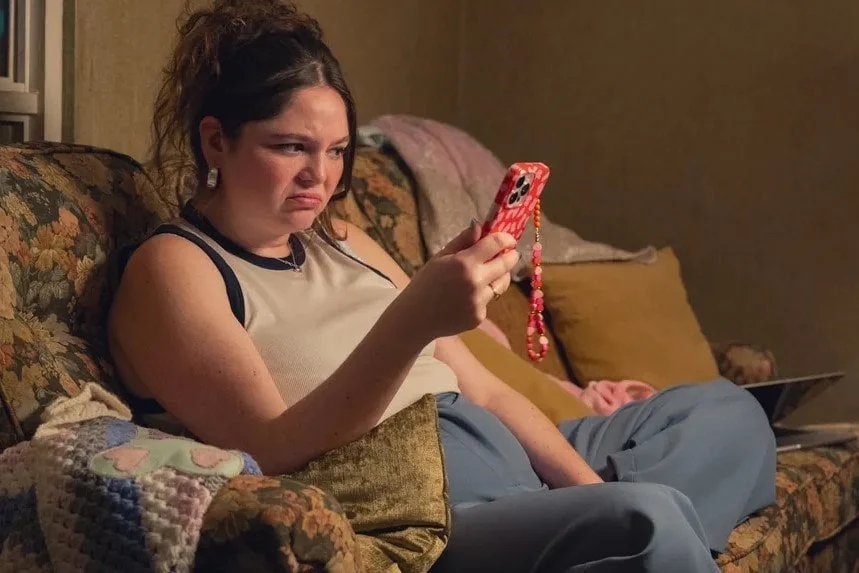
According to data compiled by research organizations such as the Pew Research Center and the U.S. Census Bureau, the proportion of unmarried adults has steadily climbed over the last two decades. As traditional relationship milestones—such as marriage and cohabitation—are delayed or bypassed entirely, the space between singlehood and a committed relationship has widened. This vacuum has been filled by the situationship: an arrangement that lacks formal labels but often mimics the emotional and physical intimacy of a traditional partnership. Driven by digital connectivity and changing societal expectations, this phenomenon has transformed from a colloquialism into a widespread cultural talking point, spawning viral social media trends where users share screenshots of confounding text messages from casual partners. However, beneath the meme-ification of modern romance lies a more complex psychological reality marked by chronic self-questioning, emotional exhaustion, and systemic ambiguity.
Defining the Modern Situationship
At its core, a situationship is characterized by the absence of a definition. Unlike traditional dating, which typically progresses through recognizable stages—from casual dates to exclusivity and commitment—a situationship exists in a state of suspended animation. Sociologists and relationship experts note that the boundaries of these arrangements vary drastically depending on the individuals involved. For some, a situationship entails months of daily text communication and shared routines without a formal commitment; for others, it describes a fleeting connection lasting only a few encounters.
The primary friction point in these arrangements is the psychological toll of ambiguity. Psychologists indicate that human beings naturally seek categorization and predictability to reduce anxiety. When a romantic connection lacks a formal title, participants are frequently forced to navigate a gray area where standard relationship rules do not apply. This dynamic often leads to chronic self-doubt, as individuals question the validity of their own emotional investments. Without a formal label, determining what constitutes acceptable behavior, fidelity, or emotional support becomes nearly impossible, leaving participants vulnerable to mismatched expectations and prolonged emotional distress.
Personal Accounts: Six Women Share Their Experiences
To understand the tangible impact of these unstructured dynamics, examining firsthand accounts provides insight into the psychological landscapes of those who navigate them. The following narratives, shared by women ranging in age from 23 to 28, highlight the spectrum of confusion, emotional whiplash, and boundary-testing characteristic of modern situationships.
Eva, 23, recalls a tumultuous six-month relationship with a partner in Chile prior to her return to the United States. Before her departure, her partner presented her with a copy of Pablo Neruda’s 20 Love Poems and a Song of Despair, containing a playing card inscribed with a personal note. Months later, following her return home, the relationship culminated via a video call during which her partner serenaded her with an LCD Soundsystem track before officially ending the dynamic.
Zoe, 26, experienced a high-intensity cross-continental situationship that began with an impromptu meeting following a dating app match. After discovering that her partner was maintaining connections with a former partner, Zoe temporarily distanced herself. Despite subsequent reconciliations, joint trips, and integration into social circles, recurring boundary violations ultimately led her to reevaluate the relationship. Reflecting on the experience, Zoe notes that navigating the dating market as a trans woman significantly influenced her initial willingness to tolerate inconsistent behavior, driven by a scarcity mindset that she has since actively worked to deconstruct.
Alex, 25, encountered a dynamic complicated by external psychological factors. Her partner exhibited an intense obsession with a male peer, frequently mimicking his behavior and appearance. While the partner shared deeply personal reflections, he simultaneously subjected Alex to critical commentary regarding her physical appearance and personal maintenance routines, a dynamic that highlighted the intricate ways personal insecurities manifest within undefined relationships.
Alexia, 25, points to the ubiquity of emotional withdrawal and subsequent reappearance as a hallmark of modern casual dating. Referencing a common pattern, she highlights how partners frequently utilize vague declarations of poor mental health to distance themselves, only to re-emerge months later with casual overtures designed to re-engage contact.
Sarah, 24, navigated a long-distance situationship with a partner based in Vienna, which involved international travel and subsequent public ambiguity on social media. When confronted about cryptic online statements regarding possession and intimacy, her partner dismissed her concerns, deflecting responsibility and minimizing the emotional impact of his public messaging.
Maria, 28, experienced a protracted departure from a casual arrangement that evolved into extensive, conflicting communication. After initially agreeing to an uncommitted dynamic, her partner later initiated a series of conversations about the nature of their relationship, culminating in contradictory statements about long-term potential juxtaposed with concurrent activity on dating platforms.
Psychological and Sociological Implications
The prevalence of situationships raises broader questions regarding the evolution of human attachment in the digital age. Sociologists suggest that modern dating apps have created an illusion of infinite choice, fostering a consumerist mindset where relationships are viewed as perpetually upgradeable or discardable. This environment discourages vulnerability and long-term investment, as participants maintain a defensive detachment to guard against potential rejection.
Furthermore, the rise of the situationship has implications for mental health. Clinical psychologists report an increase in patients seeking guidance for "situationship grief"—a form of disenfranchised grief where individuals mourn the loss of a connection that was never formally recognized by society. Because the relationship lacked a conventional label, the pain of its dissolution is frequently minimized by others, leaving individuals to process their grief in isolation.
As digital platforms continue to intermediate human connection, the challenge for contemporary daters lies in establishing clear communication and recognizing personal boundaries. While the situationship may remain a fixture of modern romance, growing awareness of its psychological costs is prompting many to seek greater transparency, emotional accountability, and mutual respect in their interpersonal relationships.