



The modern fascination with vampirism has successfully bridged the gap between cinematic fantasy and permanent physical modification, as a growing demographic of consumers opts for cosmetic dental procedures to achieve permanent, natural-looking canine teeth. While temporary plastic fangs have long served as seasonal novelties for Halloween and theatrical productions, and removable metallic grillz have remained a staple of hip-hop culture since the 1990s, a new trend in permanent and semi-permanent dental artistry is reshaping alternative beauty standards globally. Driven by a cultural renaissance of gothic aesthetics across film, television, and social media, dental professionals from Chile to the United Kingdom are reporting an unprecedented surge in requests for custom-built, unretractable canines.
Historical Context and Cultural Resurgence
The contemporary normalization of cosmetic dental modification does not exist in a vacuum; rather, it is the culmination of decades of vampire iconography woven into popular culture. From the generational imprint of Anne Rice’s literary universe—most notably underscored by recent television adaptations of The Vampire Lestat—to the enduring cultural footprint of the Twilight saga, supernatural aesthetics have consistently resurfaced during periods of cultural introspection.
Furthermore, mainstream cinematic recognition has further legitimized the genre. High-profile nods at the Academy Awards for gothic and horror features such as Nosferatu and Ryan Coogler’s Sinners have brought dark aesthetics back into the cultural zeitgeist. This cinematic visibility, amplified by viral internet moments—such as musician Drake interacting with alt-subculture figures online—has propelled alternative aesthetics out of niche subcultures and into the mainstream spotlight. Consequently, fans of the macabre are no longer content with temporary costumes, seeking instead permanent physical manifestations of their affinity for the supernatural.
The Dental Procedure: Science, Safety, and Application
Unlike the slip-on novelty teeth of the past, modern cosmetic vampire fangs are expertly engineered fixtures designed to harmonize with an individual’s existing dental structure. The procedure relies primarily on dental composite bonding, a minimally invasive technique prized for its reversibility and aesthetic adaptability.
According to Alex, a dental surgeon operating out of Chile-based practice The Crimson Bites, the transformation process is meticulous. The procedure begins with the isolation and preparation of the natural canine teeth, followed by the application of a specialized dental adhesive.
"I build the canine shape directly with dental composite resin," Alex explains, detailing the layered application method. "The material is applied in layers and light-cured, and finally I adjust the shape and check the bite to make sure everything functions properly."
Dental professionals emphasize that while the procedure is accessible to a broad demographic, thorough pre-screening is essential. Candidates must be free of underlying dental hygiene issues, active periodontal disease, and bruxism—the medical term for involuntary teeth clenching or grinding. When properly maintained and paired with protective measures such as nocturnal mouthguards, composite-bonded fangs typically last around six months before requiring maintenance or touch-ups, though more permanent veneer-based options are available at specialized clinics worldwide.
Global Adoption and Specialized Clinics
What began as a localized trend within underground gothic scenes has rapidly evolved into an international phenomenon. Specialized clinics catering specifically to alternative dental modifications have established operations in major cultural hubs across the globe. Notable providers include Colmillos Vamp & Grills in Buenos Aires, Argentina; Orofacialing in Curitiba, Brazil; Viper Veneers in Los Angeles, California; Eternal Beauty in Berlin, Germany; and Rat Prince Fangs in Seattle, Washington. Even the United Kingdom has seen licensed practitioners enter the space, such as dentist Andy Wheeler in Birmingham, reflecting a growing international demand.
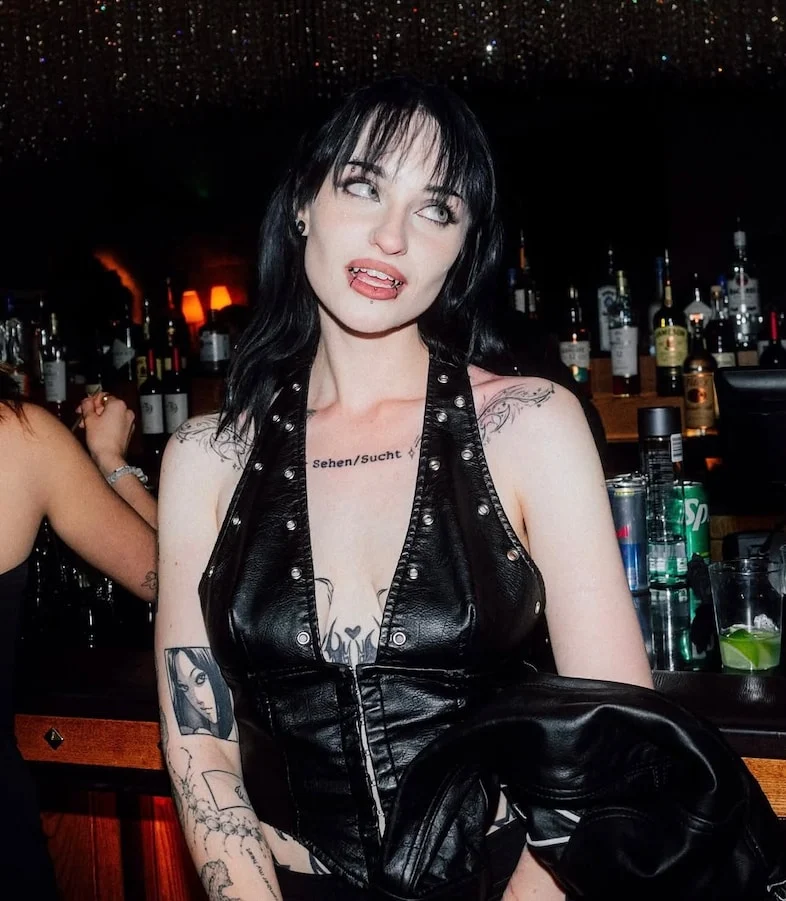
High-profile artists and digital creators have further accelerated the normalization of the look. Public figures such as musician Machine Gun Kelly, YouTuber Johnnie Guilbert, and British singer Nikita (widely known as Nihachu) have openly documented their transitions, showcasing how subtle, expertly crafted canines can be integrated into professional and daily life. Brazilian dentist Mayra Ananda notably documented her own procedure on social media, demystifying the process for millions of viewers and bridging the gap between clinical dentistry and performance art.
Patient Testimonials and Psychological Impact
For many recipients of the procedure, the decision to invest in permanent fangs extends far beyond mere aesthetic alignment with the gothic subculture; it represents a profound psychological reclamation of self-image and confidence.
Salem Vex, a Florida-based artist and long-time enthusiast of horror cinema, sought out Viper Veneers in Los Angeles to alter his dental profile. Reflecting on the adjustment period, Vex notes that the physical transition required a brief adaptation phase.
"At first it felt a little weird eating and I had a lisp, but it’s completely normal now," Vex shares. Describing the aftercare routine as largely indistinguishable from standard dental hygiene—supplemented only by a protective sleeping guard—he emphasizes that the procedure itself was entirely pain-free, requiring roughly an hour of precise sculptural shaping. The social response, he reports, has been overwhelmingly positive. "When people see them, they’re stoked!"
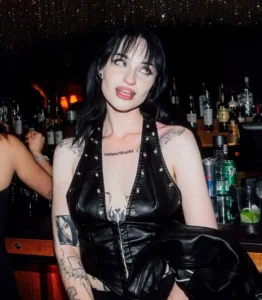
Similarly, LA-based singer and content creator Nikita notes that her fangs have fundamentally altered her relationship with her own smile. Having grown up enamored with supernatural media ranging from classic supernatural television to the Twilight series, obtaining permanent fangs felt like a natural progression of her existing body modifications, which include extensive tattoos and piercings.
"The teeth just bring out my natural self," Nikita reflects. "I never liked to smile much, but since I have gotten them, I have never had a bad thought about my teeth."
While she acknowledges minor lifestyle adjustments—such as strictly wearing her nighttime mouthguard to prevent chipping and refraining from using her teeth to open packaging—she maintains that the psychological benefits far outweigh the minor inconveniences.
Economic and Social Implications of Aesthetic Dentistry
The rise of permanent cosmetic fangs highlights a broader shift in the modern beauty and modification industries. Body modification is no longer confined to traditional inks and piercings; the mouth has increasingly become a canvas for personal expression. Driven by the proliferation of social media platforms like TikTok and Instagram, consumers are placing a higher value on hyper-personalized, non-traditional aesthetic enhancements that challenge conventional norms of beauty.
However, dental professionals and experienced recipients alike issue strong cautionary advice regarding the procedure. Because the modifications directly affect dental occlusion (the way upper and lower teeth fit together) and involve foreign materials bonded to permanent teeth, thorough vetting of practitioners is paramount. As Nikita advises, prospective clients must carefully research their chosen dental surgeon.
"Most vampire fangs are not permanent, but will stay in your mouth for many years," she notes. "Since they’re in your face, it’s worth researching thoroughly."
Market analysts observing the niche cosmetic dentistry sector note that as alternative subcultures continue to bleed into mainstream fashion and lifestyle choices, the demand for specialized modifications will likely continue its upward trajectory. What was once considered an extreme bodily alteration is rapidly establishing itself as a legitimate, highly specialized art form within modern cosmetic dentistry—proving that the cultural appetite for the supernatural remains as voracious as ever.