









The landscape of men’s grooming has undergone a radical transformation over the past generation, shifting from a minimalist routine of a quick rinse with a multipurpose bar of soap to a multi-billion-dollar global industry characterized by specialized formulations, advanced styling technologies, and targeted dermatological care. Industry analysts indicate that the global men’s grooming and personal care market has steadily expanded, driven by changing societal norms regarding male self-care, the influence of digital media, and an increasingly sophisticated consumer base. Where a mid-century routine once began and ended with a tub of pomade or a hurried rub of a towel, today’s bathroom cabinets feature an array of matte clays, sea salt sprays, precision-engineered blow dryers, and bond-repair shampoos.
This evolution presents modern consumers with a paradox. While a wider selection of high-performance products ensures that achieving a specific hairstyle is easier than ever, the sheer volume of available options can quickly lead to decision fatigue. Navigating the modern market without a clear understanding of hair biology, ingredient science, and styling mechanics often results in an overly complex, expensive daily ritual. To demystify contemporary hair care, grooming experts, trichologists, and master barbers have outlined a comprehensive framework designed to optimize scalp health, streamline daily maintenance, and select the precise tools required for every hair type.
The Biological Foundation: Nutrition and Lifestyle Factors
While high-end styling products and restorative treatments play a critical role in daily aesthetics, industry professionals emphasize that hair health begins from within. Trichologist Anabel Kingsley, of the prominent London-based Philip Kingsley clinic, notes that hair is structurally composed of a tough fibrous protein known as keratin. Consequently, an adequate dietary intake of protein is paramount for the production of strong, resilient strands. Experts recommend incorporating palm-sized portions of high-quality protein—such as eggs, poultry, fish, beans, nuts, and pulses—into breakfast and lunch routines.

Beyond protein, the cellular proliferation required for hair growth relies heavily on sustained energy sources. Hair cells rank as the second-fastest-growing cells produced by the human body, a metabolic demand that necessitates a steady supply of complex carbohydrates with every meal. Hydration is equally critical; a dehydrated body compromises the skin barrier of the scalp, frequently leading to localized dryness, tightness, and flakiness. Conversely, certain dietary components can exacerbate scalp sensitivities. Individuals struggling with chronic itching or dandruff are advised by specialists to monitor their intake of full-fat dairy, refined sugars, highly spiced meals, and certain alcoholic beverages like white wine and champagne, which can trigger inflammatory responses in sensitive skin.
Micronutrients also dictate the structural integrity of hair. Ferritin, a blood protein that cellularly stores iron, is vital for the synthesis of hair cell proteins. Experts suggest consuming iron-rich foods, such as lean red meats, at least twice weekly, supplemented by clinical testing and targeted supplementation for those diagnosed with deficiencies. Furthermore, lifestyle habits such as regular cardiovascular exercise enhance microcirculation to the scalp, ensuring that oxygen and vital nutrients reach the hair follicles efficiently. Moderate, controlled sun exposure aids in vitamin D synthesis, which supports healthy follicle cycling, though excessive UV exposure and chronic, unmanaged stress remain primary contributors to hair thinning and structural brittleness.
Cleansing Mechanics: The Science of Shampooing
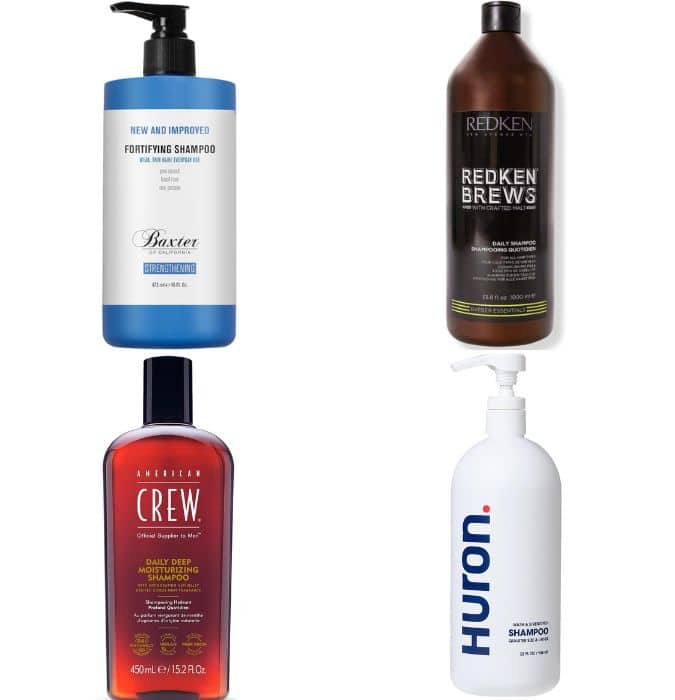
The foundational step of any effective hair care regimen is cleansing, yet misconceptions regarding frequency and technique persist. Historically, daily shampooing was marketed as a universal standard; however, modern dermatological and barbering consensus advises a more tailored approach. Shampoos are formulated to emulsify excess sebum—the natural oil secreted by sebaceous glands—alongside environmental debris, dead skin cells, and accumulated styling product residue.
Despite these benefits, daily shampooing can strip the scalp of the essential lipid barrier required to maintain moisture balance. Industry experts generally recommend cleansing the hair two to three times per week, adjusting the frequency based on individual variables such as hair texture, activity level, and environmental climate. Individuals who engage in daily high-intensity workouts, possess naturally fine and oily hair, or reside in humid environments may require more frequent washing to prevent follicular congestion.
For optimal results, proper technique is essential. Master barbers recommend thoroughly saturating the hair with warm water before applying a coin-sized amount of shampoo—scaled up for longer lengths. Rather than aggressively scrubbing with fingernails, which can lacerate the delicate skin of the scalp, individuals should use the pads of their fingers to gently massage the product into the roots and scalp for approximately thirty seconds. This stimulates circulation while effectively lifting debris before a complete, thorough rinse. On non-shampoo days, a simple warm water rinse can successfully flush out water-soluble styling residues and salts without stripping vital natural oils.
Conditioning and Scalp Equilibrium
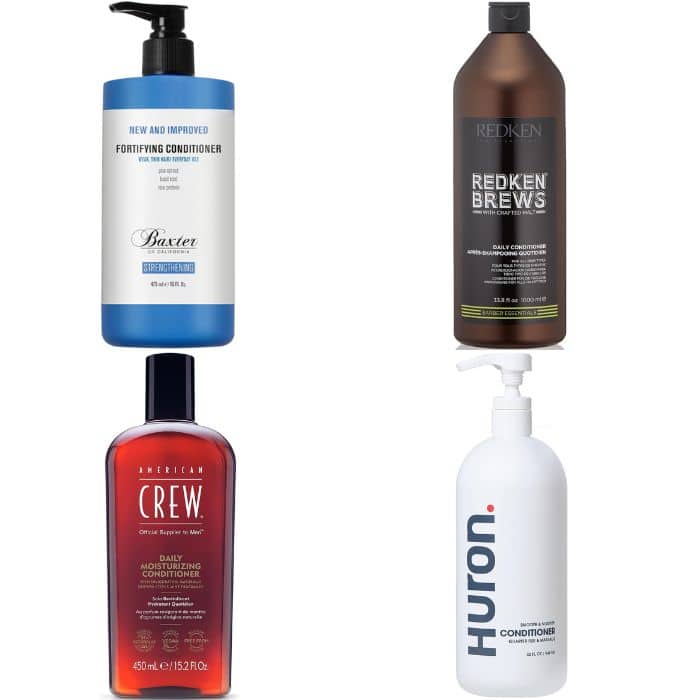
The application of a conditioner is the logical counterpart to cleansing, serving to restore the moisture balance and smooth the cuticle layer disrupted by surfactant-based shampoos. According to trichological guidelines, conditioner should be applied following every shampoo session. The active ingredients coat the hair shaft, reducing static electricity, enhancing light reflection, and sealing the cuticle to prevent moisture loss and frizz.

Application technique dictates the final aesthetic outcome. Conditioners should be distributed primarily through the mid-lengths and ends of the hair rather than massaged directly into the scalp. Applying rich, emollient formulas to the roots often weighs the hair down, resulting in a flat, greasy appearance. For men with coarse, extremely dry, or tightly coiled hair textures, leave-in conditioners and lightweight hair oils offer sustained hydration and serve as versatile styling bases. Renowned London barber Mark Maciver notes that softening afro hair with leave-in treatments significantly improves manageability, facilitating easier curl definition and styling manipulation.
Navigating Ingredients: What to Avoid
As consumer awareness surrounding cosmetic chemistry increases, industry leaders advocate for careful label scrutiny. Individuals with sensitive scalps or compromised hair barriers are encouraged to avoid specific classes of chemical additives:

- Sulphates: Commonly utilized as economical foaming agents—such as sodium lauryl sulphate (SLS)—these compounds effectively create lather but frequently strip the scalp of essential moisture, leading to excessive dryness and irritation in sensitive individuals.
- Parabens: Frequently deployed as synthetic preservatives to extend shelf life, parabens have faced ongoing scientific scrutiny regarding their potential to interact with endocrine and hormonal pathways, prompting many modern brands to transition to paraben-free alternatives.
- Silicones: Ingredients ending in "-cone" (such as dimethicone) coat the hair shaft in a hydrophobic film, providing immediate, superficial shine and silkiness. However, regular use without clarifying shampoos can cause severe product buildup, ultimately blocking moisture and conditioning agents from penetrating the hair.
Additionally, heavy oil-based conditioners are generally discouraged for short to medium men’s styles, as they lack the structural lightness required for modern styling and tend to make hair appear heavy and unmanageable.
The Modern Styling Arsenal
Once a healthy foundation of cleansing and conditioning is established, styling products allow individuals to sculpt, texturize, and secure their desired look. Professional guidance uniformly emphasizes the principle of moderation: using a minimal amount of product initially allows for buildable control, avoiding the need to completely wash and restart a styling routine due to over-application. Furthermore, giving the hair periodic "rest days" free of styling products prevents cumulative buildup and maintains long-term structural health.

Pomades
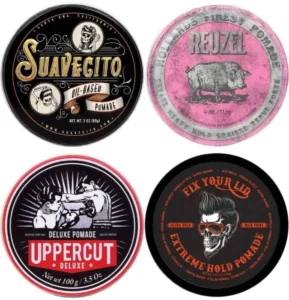
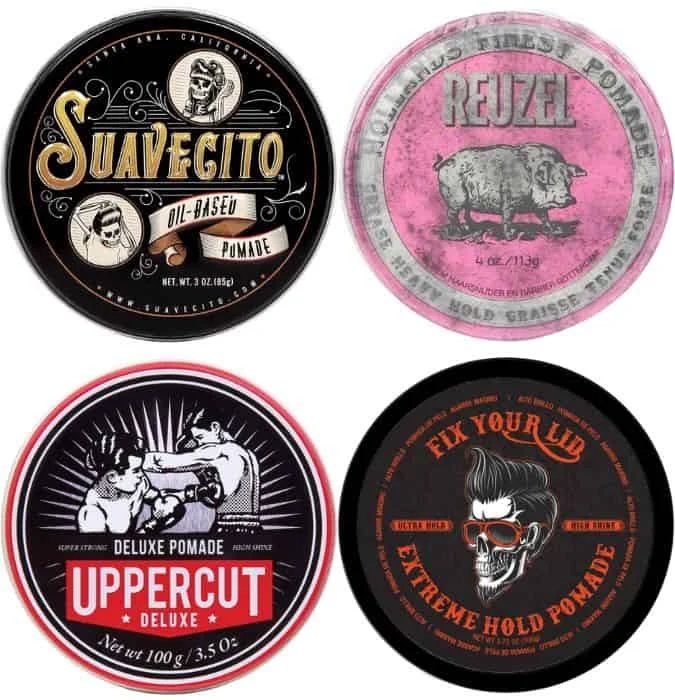
Designed for high-shine, high-hold hairstyles such as classic pompadours, quiffs, and precise side partings, pomades provide a firm, structured finish. Available in oil-based formulations—which offer supreme, long-lasting hold but require multiple washes to remove—and water-based alternatives, which sacrifice slight tenacity for effortless washability, pomades are best suited for medium to thick hair types. They are generally discouraged for fine or thinning hair, as their heavy sheen and clumping properties can accentuate sparse areas of the scalp.
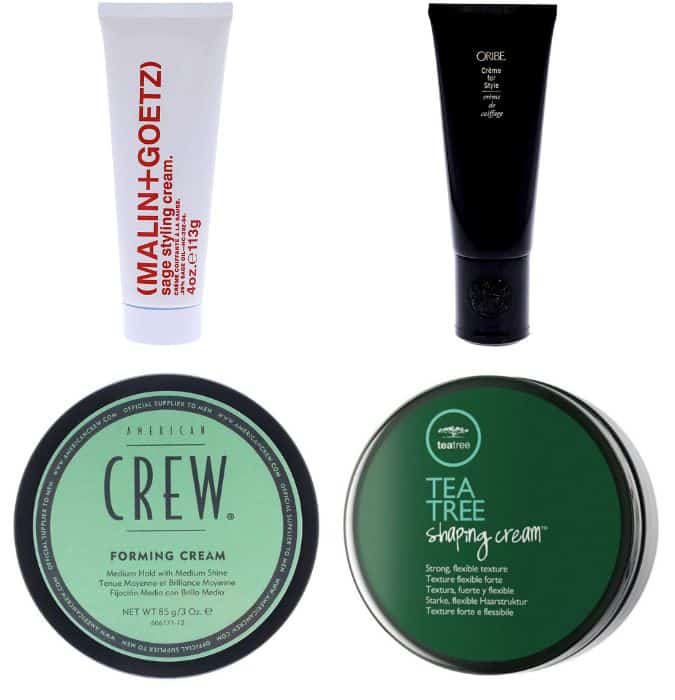
Styling Creams
Offering a low-to-medium hold with a natural, subtle finish, styling creams closely mimic the lipid composition of natural sebum. They provide lightweight frizz control and softness, making them ideal for individuals seeking a relaxed, understated aesthetic. Due to their weightless nature, styling creams serve as an essential product for fine or thinning hair types that require control without the risk of being weighed down.
Pastes and Clays
Hair pastes bridge the gap between creams and pomades, offering high pliability, medium-to-strong hold, and a versatile matte or low-shine finish suitable for diverse hair lengths. Similarly, hair clays—formulated with natural minerals like bentonite and kaolin—absorb excess oil while swelling the hair shaft to maximize volume and body. Clays provide a strong, touchable hold with a dry, textured appearance, making them a cornerstone of modern casual styling.
Sea Salt Sprays and Hairsprays
Sea salt sprays have emerged as a staple for recreating beach-textured, voluminous styles by introducing natural salt minerals that absorb oil and enhance wave patterns. They act as exceptional pre-styling primers when paired with a blow dryer. Hairsprays, conversely, function as a finishing agent, utilizing polymeric blends to lock complex styles in place and provide structural insurance against environmental humidity.

Professional Tools: Dryers, Combs, and Brushes
The efficacy of any styling product is amplified by the correct choice of hardware. High-powered hair dryers featuring ceramic and tourmaline technologies reduce drying times while generating negative ions that seal the cuticle, minimize frizz, and prevent thermal damage.
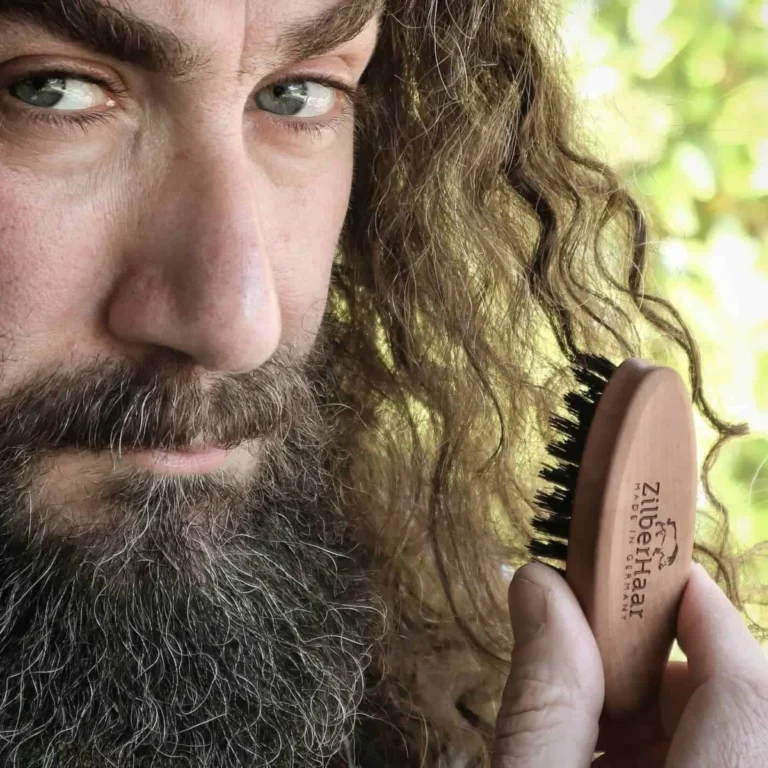
When detangling and shaping, the selection of a comb or brush must align with the user’s specific hair architecture. Experts advise avoiding stamped metal combs, which feature microscopic burrs capable of tearing the hair shaft. Instead, saw-cut horn or high-grade plastic combs with individually rounded teeth provide a frictionless glide that stimulates scalp circulation without causing structural trauma. Coarse or curly hair requires wider tooth spacing to navigate tangles safely, while straight, fine hair benefits from closer teeth. For medium to long hairstyles, transitioning from a comb to a vented or paddle brush helps distribute natural sebum evenly from root to tip, ensuring comprehensive scalp health and a polished, professional finish.