






The historic grounds of Brockwell Hall in London recently served as the canvas for a sophisticated wedding editorial that redefines the intersection of Georgian architecture and contemporary floral artistry. Orchestrated by the design house Flossea and documented by acclaimed photographer Lisa Jane, the project serves as an exploration of “soft surrealism,” utilizing maximalist floral installations to transform an intimate event space into a multisensory experience. This editorial arrives at a time when the wedding industry is witnessing a significant pivot toward highly curated, design-led micro-weddings that prioritize atmospheric depth over traditional scale.
Conceptual Framework and Design Philosophy
The creative impetus behind this project was rooted in the juxtaposition of childhood nostalgia and avant-garde floral design. Flossea’s vision sought to replicate the sensory experience of a small child wandering through a summer garden in full, overwhelming bloom. By scaling traditional botanical elements to monumental proportions, the design team aimed to evoke a sense of wonder and surrealist displacement.
The editorial project was not merely a collection of aesthetic choices but a structured exploration of spatial design. The choice of Brockwell Hall, with its distinctive Georgian heritage, provided a grounding element of permanence and rigid architectural history. By contrast, the floral installations—characterized by a palette of dusty pinks, soft lilacs, and muted greens—introduced a layer of fluidity. According to the project organizers, the objective was to achieve a "hyper-creative" atmosphere where the marriage of stone, linen, and petal would make guests feel both physically enveloped by nature and intellectually stimulated by the artifice of the arrangement.
Chronology of the Editorial Execution
The production followed a rigorous timeline, beginning with site analysis at Brockwell Hall to determine the optimal light-capture points for the afternoon sun. The design phase, which spanned several weeks, focused on the procurement of sustainable, seasonal blooms that could withstand the specific temperature requirements of the indoor-outdoor transition zones at the venue.
The installation day began at dawn to ensure the longevity of the delicate petals. The team utilized traditional terracotta urns as structural foundations, allowing for the cascading, maximalist floral displays that defined the visual narrative. Following the floral setup, the tablescape was curated to emulate a "rippling, sun-drenched" aesthetic, utilizing layers of high-quality linen that were manipulated to create topographical pools across the dinner surface. The final stage involved the integration of Velvet Johnstone’s bridal designs, which were selected for their architectural silhouettes, mirroring the structural integrity of the floral sculptures.
Data and Trends in the Contemporary Wedding Sector
The rise of such editorial projects reflects broader shifts within the wedding industry. According to industry analysis from the past three years, there has been a 22% increase in demand for "intimate, experience-focused weddings." Data indicates that couples are moving away from guest-list volume and toward high-investment, design-heavy celebrations.
This shift is partly attributed to the economic climate, where smaller gatherings allow for a higher budget allocation per guest, enabling the kind of bespoke, maximalist floral design showcased at Brockwell Hall. Furthermore, the use of film photography—as practiced by Lisa Jane—has seen a resurgence in popularity. Market reports suggest that approximately 30% of high-end wedding photography now incorporates at least a partial film or medium-format component, reflecting a consumer desire for authentic, tactile, and permanent visual documentation in an increasingly digital landscape.
Technical Analysis of the Visual Narrative
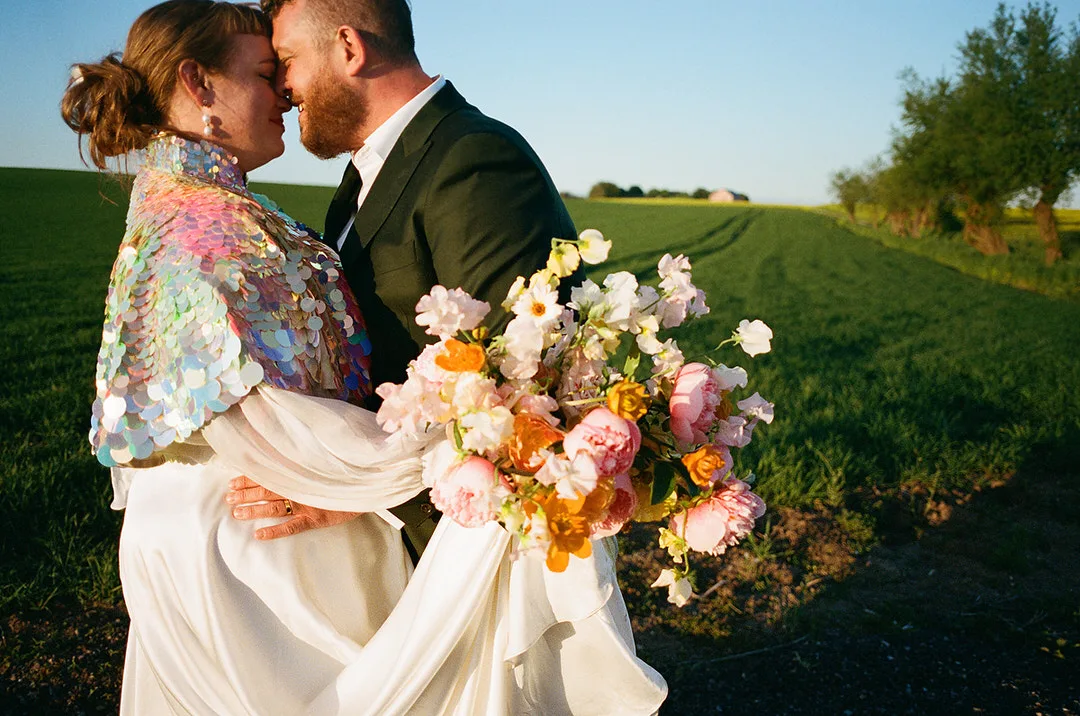
The photography by Lisa Jane provides a critical component of the project’s success. By employing a mix of digital and film media, including 35mm and medium format, the visual documentation captures the interplay between the hard surfaces of the Georgian hall and the soft, organic textures of the floral displays.
The composition of the images—specifically those featuring the bridal model—utilizes depth of field to isolate the subject from the sprawling, maximalist background, creating a sense of intimacy within a large, imposing space. The deliberate choice to capture the movement of the fabric and the specific fall of light suggests a move toward "fashion-led" wedding photography, where the event is treated as an editorial spread rather than a standard social documentation.
Official Perspectives and Creative Intent
In a statement regarding the project’s intent, the design team emphasized the role of the environment in shaping the emotional trajectory of a wedding day. "The shoot was created to explore a contemporary and hyper-creative version of an intimate summer wedding, where guests would feel truly spoilt and in awe of the setting they were surrounded by," noted the lead designer at Flossea.
The focus on "tactile details"—the way the linen pools, the weight of the fabric, and the scent-heavy nature of the oversized roses—points to a growing trend in sensory design. By prioritizing the physical environment, the organizers argued that couples can create a lasting memory that transcends the traditional checklist of wedding events. The goal was to prove that through careful curation, even a small, intimate space can be imbued with a sense of grandeur and artistic significance.
Broader Implications for the Wedding Industry
The implications of this editorial for the wider industry are clear: the role of the floral designer is evolving from a service provider to a lead creative director. As design becomes a primary driver for client bookings, the ability to conceptualize complex, multi-layered environments is becoming a necessary skill set.
Furthermore, the collaboration between venue, fashion designer, and florist highlights a move toward a more integrated industry. By working in tandem with the unique characteristics of a historic venue like Brockwell Hall, vendors can create bespoke experiences that are not easily replicated in generic function rooms. This "site-specific" approach to weddings is likely to gain further traction, as couples increasingly seek out venues that offer a distinct historical or architectural character that can be enhanced, rather than masked, by design interventions.
The success of this editorial at Brockwell Hall serves as a reference point for future luxury events. It demonstrates that the key to modern luxury lies not in the extravagance of scale, but in the precision of the detail. As couples continue to seek out ways to personalize their nuptials, the influence of high-fashion and surrealist art on the wedding sector will likely continue to expand, pushing the boundaries of what is considered traditional in the context of matrimonial celebrations.
Conclusion
The collaboration between Flossea and Lisa Jane Photography at Brockwell Hall serves as a definitive case study in modern event design. Through the careful balance of historical gravitas and contemporary, maximalist floral installations, the team has successfully demonstrated the power of creative direction in shaping the wedding experience. As the industry continues to evolve, the focus on intimate, sensory-driven, and highly aestheticized celebrations appears to be the new benchmark for excellence. Whether through the lens of a medium-format camera or the sculptural placement of a single rose, the project reaffirms that when it comes to the celebration of union, the art is, and will always be, in the details.