







The cultural significance of braided hairstyles within the Black community spans millennia, representing an intricate blend of identity, heritage, and artistry. However, the physical reality of acquiring these traditional styles—ranging from classic box braids to bohemian and knotless variations—is well-known for its immense time commitment. Salons frequently require clients to sit for marathon sessions lasting anywhere from six to twelve hours. This intensive manual labor not only burdens the consumer but also places severe physical stress on professional braiders, who routinely suffer from occupational hazards such as carpal tunnel syndrome, chronic back pain, and arthritis due to repetitive strain.
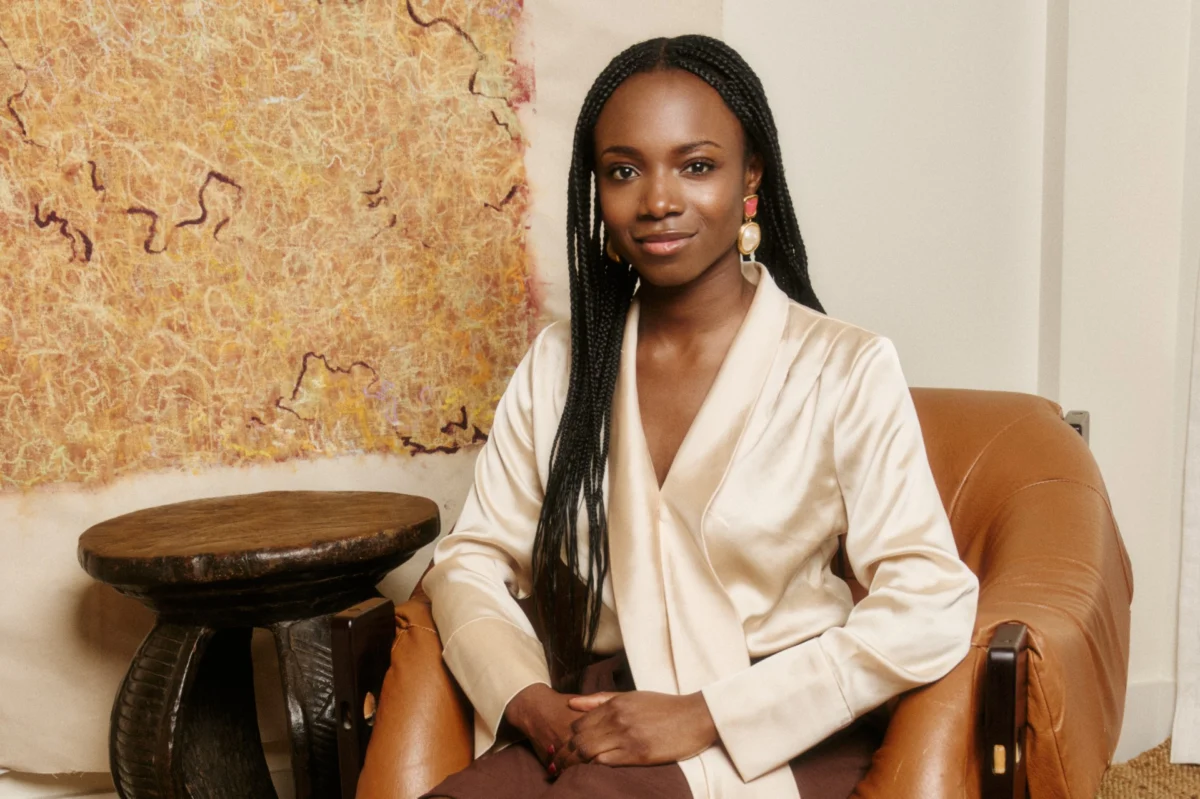
Seeking to modernize this centuries-old practice, robotics startup HaloBraid has officially launched with $7 million in seed funding. Founded by Yinka Ogunbiyi, a Harvard engineering master’s graduate and former smart-appliance entrepreneur, the company aims to introduce the beauty and tech industries to automated braiding assistance. The inaugural device, designed to partner with professional stylists rather than replace them, is scheduled to hit the market later this year, promising to drastically cut down the hours required for complex hairstyles.
The Genesis of an Automation Breakthrough
The technological journey behind HaloBraid began during the global COVID-19 pandemic. Confined alone to her London apartment, Ogunbiyi attempted to braid her own hair—a routine personal grooming task that turned into an endurance test.
"It took me four days," Ogunbiyi recounted, describing the frustration that sparked her entrepreneurial pivot.
Equipped with an academic background in engineering from Harvard and an MBA, alongside previous experience scaling a smart cooking appliance company, Ogunbiyi began analyzing hair braiding through the lens of mechanical and industrial engineering. She recognized that while the beauty tech sector had experienced massive innovations in styling tools—such as advanced hair dryers and intelligent curlers popularized by brands like Dyson—the specific, highly lucrative market of textured hair care had remained largely ignored by mainstream tech hardware developers.
Following years of intensive research and development, Ogunbiyi realized that manipulating human hair presents unique engineering hurdles. Hair is widely considered by material scientists to be one of the trickiest substrates in existence due to its variable texture, elasticity, and individual strand dynamics. To successfully engineer an automated solution, the HaloBraid team had to look beyond traditional beauty manufacturing, borrowing cross-disciplinary methodologies from fields as diverse as advanced material science and industrial inkjet printing.
The Mechanics of the HaloBraid Device
While comprehensive technical specifications remain under wraps due to pending patents, the foundational mechanism of the HaloBraid device is designed for seamless integration into existing salon workflows.
According to the company, the device functions as a collaborative assistant to professional stylists. The human stylist initiates the braiding process—parting the hair, securing the root, and establishing the initial pattern—before handing off the subsequent mechanical work to the HaloBraid apparatus. The device can then finish the remainder of the braid securely and uniformly in a matter of seconds.
Engineered with hair health as a primary design constraint, the machinery is calibrated to apply consistent, gentle tension that minimizes breakage and scalp discomfort. The initial commercial iteration is specifically optimized to handle both knotless and box braids, two of the most popular and time-consuming styles requested in salons globally.
Market Demand and Economic Implications
The business case for automated hair braiding is supported by compelling industry data. According to market research gathered by HaloBraid, consumers globally spend an estimated 8 billion hours annually undergoing hair braiding procedures. Furthermore, in a company-conducted survey of 2,000 individuals with textured hair, an overwhelming 95% of respondents indicated that they would choose to get their hair braided significantly more often if the time investment were reduced.
These statistics highlight a massive, underserved consumer base characterized by high intent and strong purchasing power. Despite this, venture capital allocation toward textured hair innovation has historically lagged behind general beauty tech.
HaloBraid’s $7 million seed funding round signals a shifting tide among investors. The financing was led by Seven Seven Six, the venture capital firm founded by Reddit co-founder Alexis Ohanian, with additional participation from prominent institutional investors including AlleyCorp and Bling Capital.

Investor Perspectives and Strategic Alignment
For Alexis Ohanian, the investment in HaloBraid represents a convergence of personal observation and high-conviction hardware thesis. Ohanian is married to tennis legend Serena Williams, a Black woman who has frequently made headlines for her iconic braided hairstyles on the global sports stage, and they share two daughters who wear braided styles.
"I’ve studied exactly how long these braiding sessions take," Ohanian noted, reflecting on household experiences. "My oldest daughter loves the ritual for the first few hours, but by hour nine, everyone’s ready to call it a night."
Ohanian drew parallels between HaloBraid’s market opportunity and the transformation of hair-drying technology by brands like Dyson. He emphasized that the broader venture capital ecosystem is currently witnessing a renaissance in hardware innovation, citing his other deep-tech investments such as aerospace firm Stoke and asteroid mining company AstroForge.
"This is hardware’s moment," Ohanian said. "An automated braider feels eminently buildable. This product is genuinely differentiated, with a clear go-to-market."
Addressing Stylist Welfare and Ergonomics
Beyond consumer convenience, HaloBraid’s technology addresses a critical humanitarian and labor issue within the beauty industry: the physical toll on professional braiders.
Traditional braiding requires maintaining awkward postures, applying high manual tension for prolonged periods, and executing repetitive fine-motor tasks. This routinely leads to chronic occupational injuries among braiders, including severe carpal tunnel syndrome, tendonitis, and early-onset arthritis. By integrating an automated assistant to handle the most repetitive phases of the braiding process, salons can reduce physical strain on their staff, potentially extending careers, lowering injury-related absenteeism, and allowing stylists to increase their daily client capacity safely.
The Competitive Landscape and Technological Hurdles
Entering the hair-braiding device market positions HaloBraid in an emerging niche. While consumer hair straighteners and curling irons crowd traditional retail shelves, automated mechanical braiding devices remain virtually unprecedented. The most notable early conceptual competitor in this space has been Braidiant, though widespread commercial adoption has yet to saturate the market.
Industry analysts point out that the primary barrier to entry in this sector is not commercial demand, but the sheer complexity of hardware engineering when applied to organic fibers. Designing a robotic mechanism that can handle varying hair lengths, densities, moisture levels, and curl patterns without snagging or damaging the cuticle requires sophisticated sensors and adaptive software. HaloBraid’s reliance on cross-industry research positions it uniquely to overcome these technical moats.
Future Roadmap and Vision
With the capital secured from its recent seed round, the 15-person HaloBraid team is scaling up operations. The immediate corporate milestones include finalizing product manufacturing, refining software calibration, and establishing strategic pilot partnerships with prominent hair salons ahead of the late-year product rollout.
However, the company’s long-term ambitions extend far beyond its flagship device. Ogunbiyi and her team are already in the conceptual and early R&D phases for supplementary hardware products designed to streamline other friction points in textured hair maintenance. Among these future concepts is a specialized device designed to efficiently and painlessly undo braids—a deconstruction process that frequently consumes just as much time as the initial installation.
"HaloBraid is our first product, but our larger vision is to create breakthrough technology that makes textured haircare faster, easier, more comfortable, and more joyful," Ogunbiyi concluded.
As the autumn launch approaches, the intersection of robotics and traditional beauty care stands at a pivotal juncture. If successful, HaloBraid may not only redefine the economics of salon appointments and alleviate occupational hazards for stylists, but also permanently alter how millions of people manage and celebrate their hair heritage.