







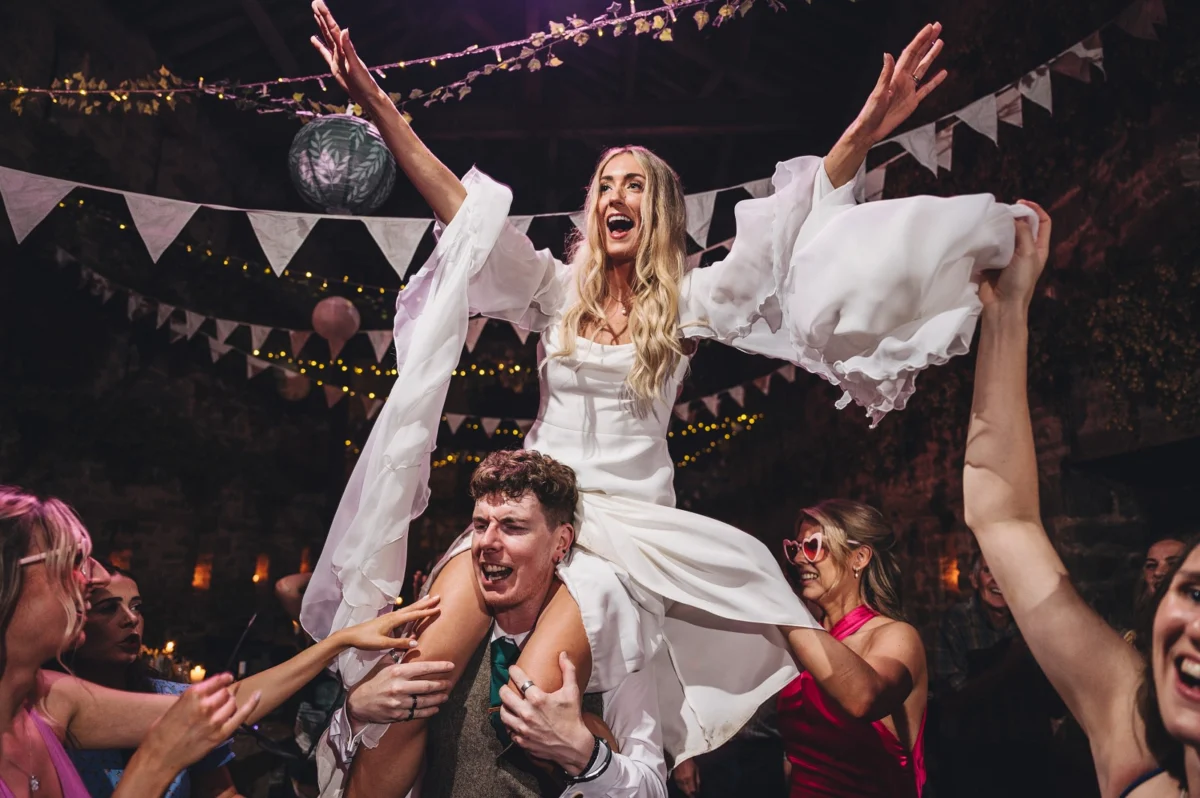
The wedding of Shruthi and Sam at the historic Dewsall Court in Herefordshire serves as a modern template for the growing trend of multicultural nuptials in the United Kingdom. Held this past April, the event synthesized two distinct cultural identities—Tamil heritage and Scottish lineage—within the framework of an intimate, countryside celebration. The event highlights a broader shift in the wedding industry, where couples increasingly prioritize personal cultural synthesis over traditional or institutionalized ceremonies.
The Venue and Cultural Context
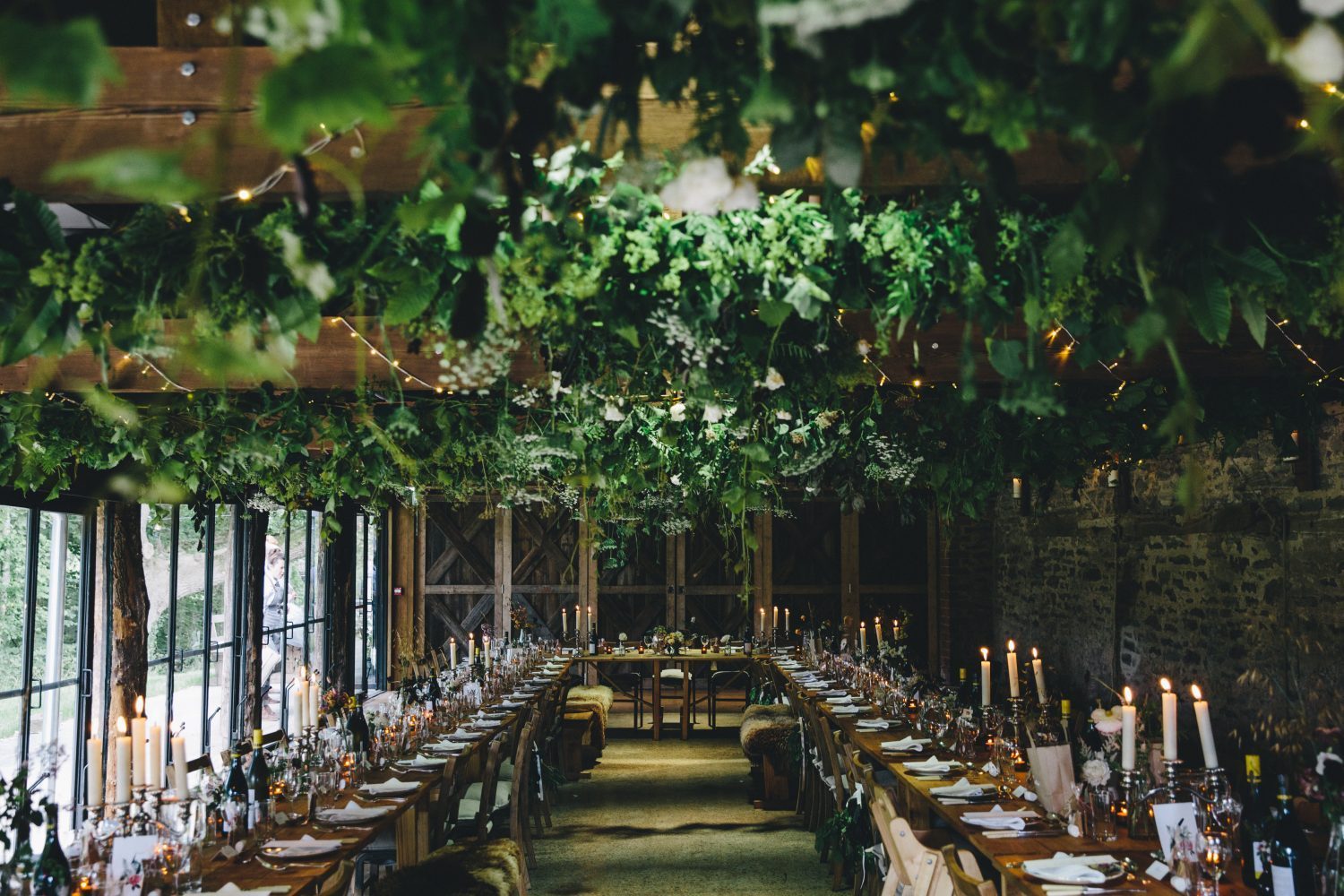
Dewsall Court, a venue known for its rural English architecture and expansive grounds, provided the setting for a union that balanced international heritage with local traditions. The venue’s ability to offer residential accommodation allowed the couple and their guests to utilize the space as a "home away from home," a factor that significantly influenced the event’s atmosphere.
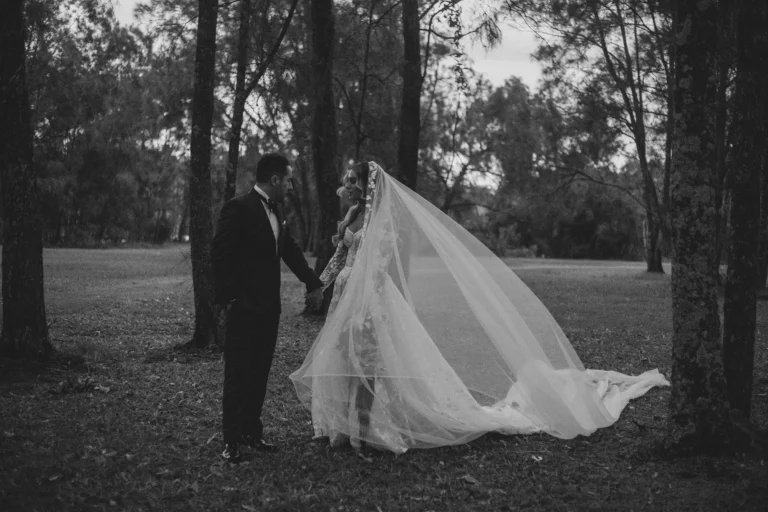
The integration of Tamil and Scottish cultures required a delicate aesthetic balance. The bride, Shruthi, opted for a hand-tailored ivory lehenga featuring intricate pearl and gold embroidery, while the groom, Sam, donned a traditional kilt in his family’s Ferguson tartan. This visual juxtaposition served as a literal manifestation of the couple’s background, creating a narrative of inclusivity that extended to the bridal party, who wore handmade lehengas in shades of olive, plum, and aubergine.
Chronology of the Celebration
The couple’s journey to the altar began a decade prior, following a meeting during their first week of university. After a long-term engagement that commenced in a London restaurant, the couple opted for a wedding timeline of approximately 18 months, which they noted was essential for coordinating the logistics of a cross-cultural event.
The ceremony itself, officiated by Somerset-based celebrant Eleanor Willock, moved away from traditional religious constraints, focusing instead on a bespoke, humanist structure. The processional was underscored by an acoustic rendition of "God Only Knows" by The Beach Boys, recorded personally by the groom. Key elements of the ceremony included the traditional Tamil practice of tying the Thali and the exchange of flower garlands, which stood alongside conventional Western vows.
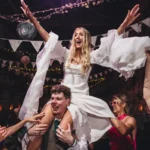
Following the ceremony, the reception maintained a thematic focus on seasonal floral arrangements provided by Issy and Bella and catering services managed by the venue. The evening entertainment, curated by DJ Max Galactic, reflected the dual-heritage theme by blending Indian and Western musical repertoires, a deliberate choice intended to engage a diverse guest list.
Supporting Data and Industry Implications
The wedding of Shruthi and Sam is indicative of a wider economic and cultural trend within the UK wedding sector. According to recent data from the Office for National Statistics (ONS) and wedding industry reports, the number of "fusion" or "multicultural" weddings has seen a steady increase over the last decade. Couples are increasingly moving away from standardized wedding packages in favor of vendor-curated, highly personalized experiences.
The logistics involved in such an event—sourcing authentic garments from India, coordinating with specialized celebrants, and managing international guest travel—demonstrate the complexity of modern wedding planning. For the couple, the selection of suppliers like Marta May Photography was not merely an aesthetic choice but a logistical necessity to ensure the "gloriously imperfect" nature of the day was captured accurately. The reliance on digital and analogue photography indicates a move toward authenticity over the hyper-curated, "filtered" aesthetic that dominated the 2010s.
Official Perspectives and Vendor Coordination
Dewsall Court, a recognized entity within the industry, noted that the success of such events often relies on the flexibility of the venue management. In a statement regarding the coordination of the day, representatives from the venue highlighted the importance of allowing couples to imprint their specific cultural requirements onto the space. This approach has proven successful for venues in the Herefordshire region, which are increasingly competing to host weddings that prioritize experiential value over traditional banquet-style operations.
The couple emphasized that the primary challenge of the planning process was the allocation of the budget. By focusing on "high-impact" vendors—specifically photography, celebrancy, and local catering—the couple was able to maintain an intimate feel while ensuring the quality of the event. They advised that future couples should prioritize the vetting of suppliers to ensure a synergy of vision, noting that the time spent in the research phase is the most critical investment a couple can make.
Broader Impact on Wedding Trends
The wedding of Shruthi and Sam reflects a broader sociological shift: the transition from "performance-based" weddings to "experience-based" celebrations. The couple’s own "Words of Wedded Wisdom" emphasized a shift away from the pressure of an "immaculate" day, suggesting that the industry is seeing a correction toward genuine connection.
This shift has direct implications for wedding suppliers. Vendors are now expected to be more than just service providers; they are increasingly required to act as consultants who can navigate cultural nuances. For example, the incorporation of handmade palm leaf trinket baskets sourced from the bride’s father’s hometown of Manapad, India, as guest favors, showcases a desire for sustainability and personal provenance that is becoming a hallmark of modern luxury weddings.
Conclusion: A Legacy of Personalization
As the couple reflected on their wedding, they noted that the ceremony remained the most memorable portion of the day. By keeping the event duration controlled and ensuring a "moment alone" for the couple immediately following the vows, they were able to retain a sense of intimacy often lost in larger, more elaborate celebrations.
The success of the Tamil-Scottish wedding at Dewsall Court serves as a case study for future couples attempting to reconcile diverse cultural heritages. By focusing on a shared color palette (plum, aubergine, and olive), a common musical theme, and a venue that supports personalized, non-traditional ceremonies, Shruthi and Sam created an event that was both deeply personal and reflective of a modern, multicultural Britain. As the wedding industry continues to evolve, the focus on "perfectly imperfect" moments, as described by the couple, will likely remain the gold standard for those seeking to create a wedding that feels both authentic and celebratory.