









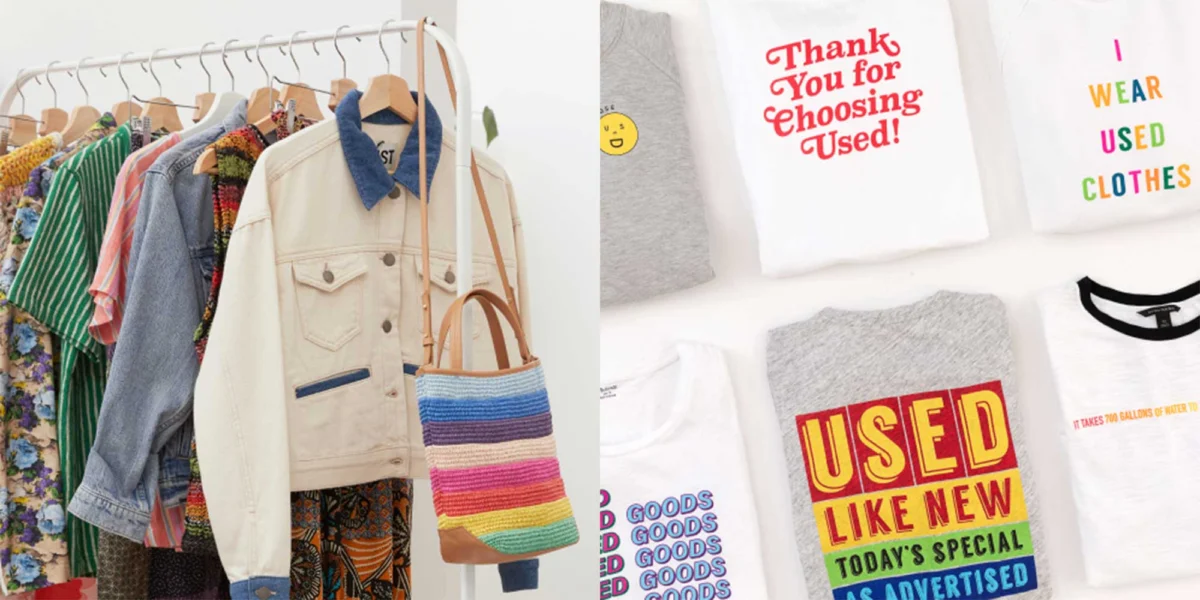
The global fashion resale market is undergoing a seismic shift, transforming from a niche pastime for bargain hunters into a cornerstone of the modern sustainable economy. As consumers increasingly prioritize circularity and environmental accountability over the relentless churn of fast fashion, the secondhand clothing sector has emerged as a powerhouse within retail. Recent market forecasts highlight this monumental trajectory: a 2025 study commissioned by the Circular Fashion Federation projected that the European fashion resale market alone will surge from €15.9 billion in 2024 to €26 billion by 2030. This expansion is further mirrored globally, with Bain & Co.’s 2026 CEO’s Guide to Sustainability documenting a consistent, year-on-year rise in eco-conscious consumer behaviors, led largely by the widespread adoption of pre-loved apparel.
For decades, acquiring vintage or secondhand clothing demanded significant physical labor—sorting through overcrowded racks, digging through bins, and visiting dozens of brick-and-mortar charity shops. Today, digital infrastructure has revolutionized the thrifting experience. Shoppers can now explore curated collections of luxury goods, vintage streetwear, everyday essentials, and children’s wear from the comfort of their homes. Whether navigating global peer-to-peer marketplaces or sourcing items through localized directories, the modern thrifter has access to unprecedented inventory. Below is a comprehensive guide to navigating the digital and physical landscapes of secondhand fashion, alongside a spotlight on top-rated sustainable brands championing circular business models.
The Evolution and Economic Implications of Fashion Resale
The rapid ascent of the secondhand market is not merely a passing consumer trend; it represents a structural correction to decades of linear "take-make-waste" manufacturing models popularized by fast fashion conglomerates. Environmental economists note that buying pre-loved fashion effectively decouples personal style from the resource-intensive extraction of raw materials, such as virgin cotton, polyester, and petrochemicals. By keeping existing garments in circulation, the fashion resale industry mitigates textile waste, reduces greenhouse gas emissions, and lowers the water and chemical footprints associated with producing new garments.
Industry analysts emphasize that this shift is driven by a convergence of economic and ethical motivations. On one side, inflationary pressures have made consumers more budget-conscious, increasing the appeal of high-value items at discounted prices. On the other side, heightened awareness of the climate crisis has fueled a cultural rejection of disposable clothing. Retail executives and sustainability watchdogs point out that brands failing to incorporate resale or circularity programs into their business models risk alienating a rapidly growing demographic of ethically driven shoppers. Consequently, traditional retail is increasingly intersecting with the secondary market through brand-operated trade-in schemes and certified pre-owned collections.
Where to Buy Secondhand Clothing Online
Navigating the digital resale ecosystem requires understanding the distinct focus of each platform. From peer-to-peer social apps to authenticated luxury marketplaces, the online thrifting landscape offers specialized environments tailored to different consumer needs.
Luxury and Authenticated Designer Platforms
For shoppers seeking high-end designer pieces, authenticity and condition accuracy are paramount. Several specialized platforms have emerged to address these concerns:
- Vestiaire Collective: Operating globally as a peer-to-peer platform for luxury items, Vestiaire Collective implements a rigorous physical authentication process. Items are evaluated by expert teams to ensure that the actual condition matches the seller’s description before being shipped to the buyer.
- The RealReal: As one of the most prominent luxury consignors, The RealReal empowers both consignors and buyers to extend the lifecycle of designer goods. The platform manages the authentication and listing process end-to-end, offering a vast inventory of verified luxury apparel, fine jewelry, and accessories.
- Farfetch Pre-Owned: Catering to international luxury consumers, this platform aggregates a curated selection of pre-loved designer pieces from boutique partners around the globe, providing access to rare and archive-tier fashion items.
General Peer-to-Peer Marketplaces
For everyday wear, vintage finds, and diverse stylistic expressions, peer-to-peer networks connect individual buyers and sellers directly:
- eBay: As the pioneering digital auction house, eBay remains an unparalleled goldmine for secondhand clothing. Its flexible bidding and fixed-price formats give buyers a strong statistical chance of securing items well below retail value.
- Depop: Heavily favored by younger demographics and fashion creators, Depop operates as a social shopping application. Its visual-first interface mimics social media feeds, making it a prime destination for vintage streetwear, Y2K aesthetics, and unique stylistic curation.
- Vinted: Boasting a massive community of over 25 million members across multiple regions, Vinted facilitates the buying, selling, and swapping of pre-loved clothing with zero seller fees in many markets, fostering a highly active and affordable ecosystem.
- Poshmark (US and Canada): Operating as a social commerce marketplace, Poshmark allows users to buy and sell new and used clothing, shoes, and home goods while participating in virtual shopping events known as "Posh Parties."
Regional and Specialized Resale Hubs
- Reluv (Australia): Recognized as one of Australia’s largest online retailers of secondhand clothing and accessories, Reluv caters to diverse sizes and preferences—ranging from brand-new items with tags to gently worn premium labels.
- Thrift+ (UK): Functioning as a social enterprise, Thrift+ processes donated clothes, sells them online, and splits the net profits equally between the seller and a nominated charitable organization.
- Zalando Pre-Owned (Select European Markets): Available in countries including Spain, Germany, Poland, France, Belgium, and the Netherlands, this service integrates pre-owned fashion directly into a major e-commerce infrastructure, complete with standard return policies and shipping conveniences.
- Cerqular Resale: This platform verifies that every participating seller and product meets strict sustainability criteria—classifying items as organic, recycled, carbon-neutral, vegan, or circular—while prioritizing local shipping networks to minimize transit emissions.
- Retykle: Designed specifically for children’s wear and maternity apparel, Retykle acknowledges the rapid turnover rates of kids’ clothing, offering a trusted marketplace for parents to buy and sell high-end children’s fashion.
- AirRobe: Addressing the administrative friction of listing items for resale, this Australian technology platform automatically saves details of online purchases at checkout, enabling consumers to effortlessly resell their garments when finished without manual data entry.
Locating Brick-and-Mortar Thrift Stores and Directories
While digital platforms offer convenience, the tactile experience of in-person thrifting remains unmatched for uncovering rare vintage pieces. For shoppers looking to explore local brick-and-mortar charity shops, op-shops, and vintage boutiques, several comprehensive directories serve as invaluable navigation tools:
- The Thrift Shopper: A rigorously curated US directory that exclusively lists charity-driven thrift stores, ensuring that consumer spending directly supports community and philanthropic causes.
- Australian OpShop Listing & Opshops.co: Essential digital directories detailing community-run op shops across Australia and New Zealand, featuring both physical storefronts and online operations.
- Thrift Stores in London: A localized guide designed by the Thrifty Londoner, mapping out top vintage and charity shopping locations across the UK capital.
- Google Maps: Often the most direct tool for local discovery. Thrifting enthusiasts can utilize Google Maps to search terms such as "charity shop," "op shop," "vintage boutique," or "consignment store." Review sections often contain valuable insights from active local thrifters regarding pricing, inventory quality, and restocking schedules.
Sustainable Brands Championing Circular Business Models
Beyond third-party marketplaces, a growing number of apparel brands rated "Good" and "Great" by ethical fashion evaluators are taking direct responsibility for their product lifecycles. By launching internal resale and repair initiatives, these companies are redefining corporate accountability:
- Patagonia: A recognized pioneer in environmental responsibility, Patagonia operates the Worn Wear program in the United States. The initiative encourages consumers to buy used gear, utilize repair services, or purchase fully recrafted items, reinforcing the corporate philosophy that extending product life is vital to reducing ecological footprints.
- JAN & ‘N JUNE: Based in Hamburg, this minimalist fair-fashion label launched its "Newish" secondhand platform in 2022, providing an affordable and transparent avenue for customers to buy and sell pre-loved items across sizes XS to XL.
- O My Bag: Known for producing vintage-inspired leather bags from lower-impact, non-toxic materials, the Dutch brand operates the "Second Chances" initiative, offering discounted pre-owned and slightly imperfect goods to prevent waste.
- BEDI: This Canadian slow-fashion brand constructs utilitarian outerwear and accessories from upcycled materials, including airline seat leather and ghost fishing nets. Its "Second Life" program rewards customers who send in used items with a 25% discount, reintegrating those products back into active inventory.
- tentree: Operating on a regenerative model that plants ten trees for every item purchased, Canadian brand tentree features The Reshop—a dedicated resale platform that facilitates clothing recycling, reselling, and specific item requests from consumers.
- HYER GOODS: Based in New York, this leather goods label upcycles industrial leather scraps into handbags and wallets, eliminating the intensive resource footprint of raw material cultivation. Pre-loved and sample items are made available through the (RE)HYER GOODS program.
- Mightly: Specializing in Global Organic Textile Standard (GOTS) certified organic cotton children’s wear produced in Fair Trade USA-certified facilities, Mightly extends garment lifecycles through its "Lightly Loved" initiative, which inspects and resells pre-owned kids’ clothing.
Broader Impact and Industry Outlook
The transition toward a circular fashion economy signifies a fundamental realignment of consumer values and corporate strategy. As data from organizations like the Circular Fashion Federation and Bain & Co. indicate, secondhand shopping is shedding its historical stigma to become a preferred method of consumption. By leveraging advanced authentication technologies, peer-to-peer mobile apps, and brand-led take-back schemes, the global retail sector is steadily moving away from linear depletion and toward a more resilient, resource-efficient future. For both novice thrifters and seasoned vintage collectors, the tools, platforms, and directories now available make participating in this sustainable revolution easier and more impactful than ever before.