






The mythology of American youth culture has long been exported across the globe through glowing television screens, glossy fashion magazines, and the pervasive glow of Hollywood cinema. For generations growing up outside the United States, this visual archive constructed a utopian landscape defined by high school lockers, glittering pop royalty, and an overarching promise that limitless possibilities awaited within its borders. Photographer Eva Verbeeck was one of those adolescents, consuming fragmented glimpses of American life from a small farming community in northern Belgium. Today, that childhood escapism has matured into an extensive artistic inquiry, culminating in her debut monograph, America’s Girls, On the Edge of a Dream. Published by GOST, the six-year photographic study examines the reality of contemporary girlhood across 28 American states, shifting the narrative away from commercial stereotypes and toward authentic representation.
From Belgian Farmland to the American Mythos
Growing up in Tessenderlo during the late 1990s and early 2000s, Verbeeck’s exposure to American culture was heavily filtered and fiercely coveted. Limited television programming at home meant that imported pop culture items—such as Britney Spears compact discs, Christina Aguilera tour footage, and stray pages of Vanity Fair, Vogue, and Nylon sourced through family networks—carried immense cultural weight. These pages, eagerly ripped from magazines and plastered across her bedroom walls, served as an architectural blueprint for an idealized escape.
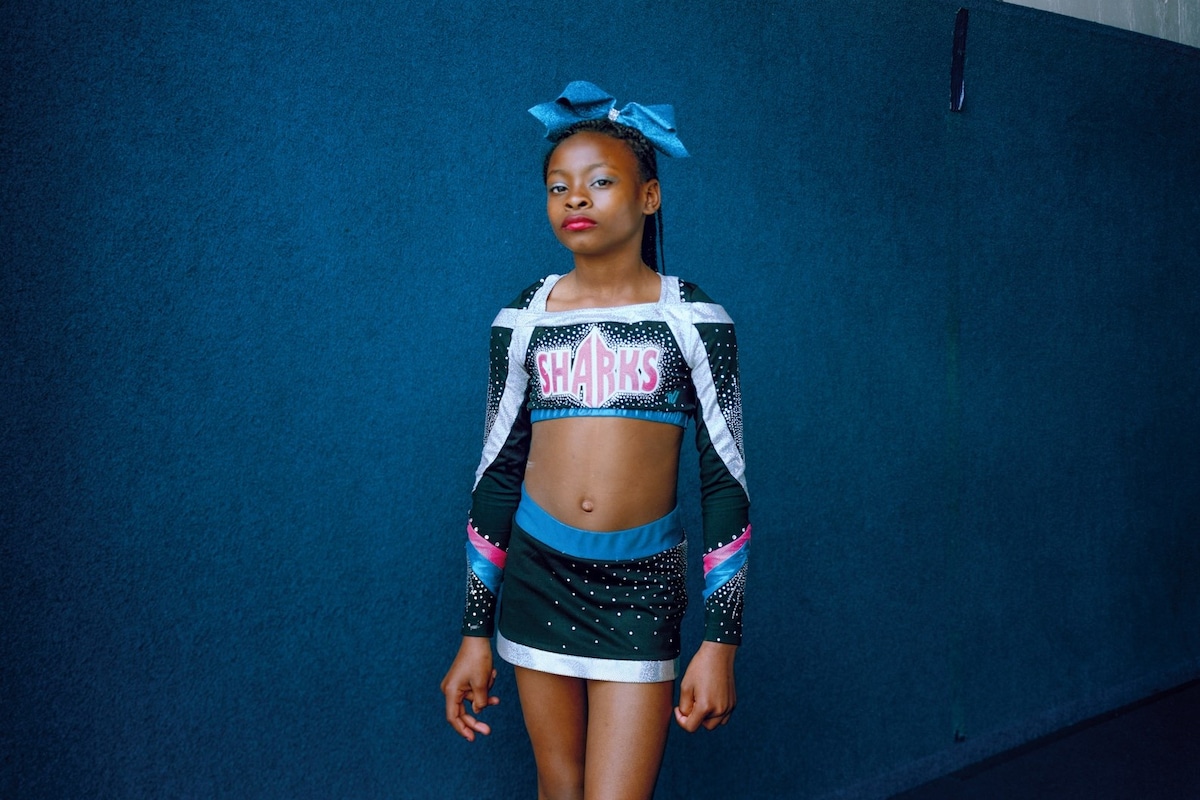
This early fascination coincided with the advent of the MySpace era, prompting Verbeeck to begin documenting her immediate surroundings using self-timers before receiving her first film camera from her mother. What began as a personal diary of adolescence ultimately laid the groundwork for a career in documentary photography. At age 16, she experienced the United States firsthand during a family trip to New York City. Encountering the sensory overload of Times Square and bustling American diners transformed abstract media consumption into a tangible reality, planting the seeds for a future artistic project that would interrogate the very mythology that had captivated her youth.
The Six-Year Journey Across Twenty-Eight States
Years after relocating to the United States, Verbeeck initiated America’s Girls, On the Edge of a Dream to examine what it truly means to come of age as a young woman in modern America. The resulting body of work spans six years of travel, covering 28 states and featuring more than 400 subjects aged eight to 18.
Rather than relying on casual street casting or perpetuating narrow media archetypes, Verbeeck deliberately bypassed superficial talent scouting. Instead, she embedded herself within local communities, collaborating with regional schools, youth organizations, sports leagues, parent networks, and community organizers. This methodical approach ensured a diverse cross-section of participants, capturing youth culture far beyond major metropolitan hubs and coastal enclaves.
Methodology: Large-Format Photography and Collaborative Storytelling
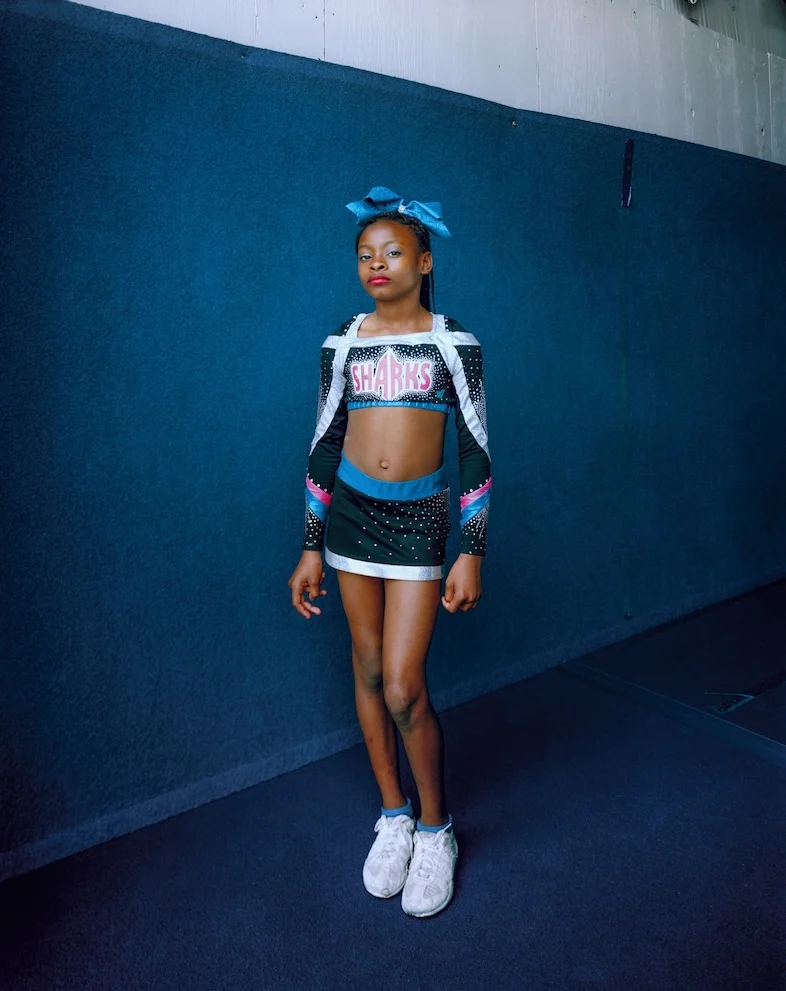
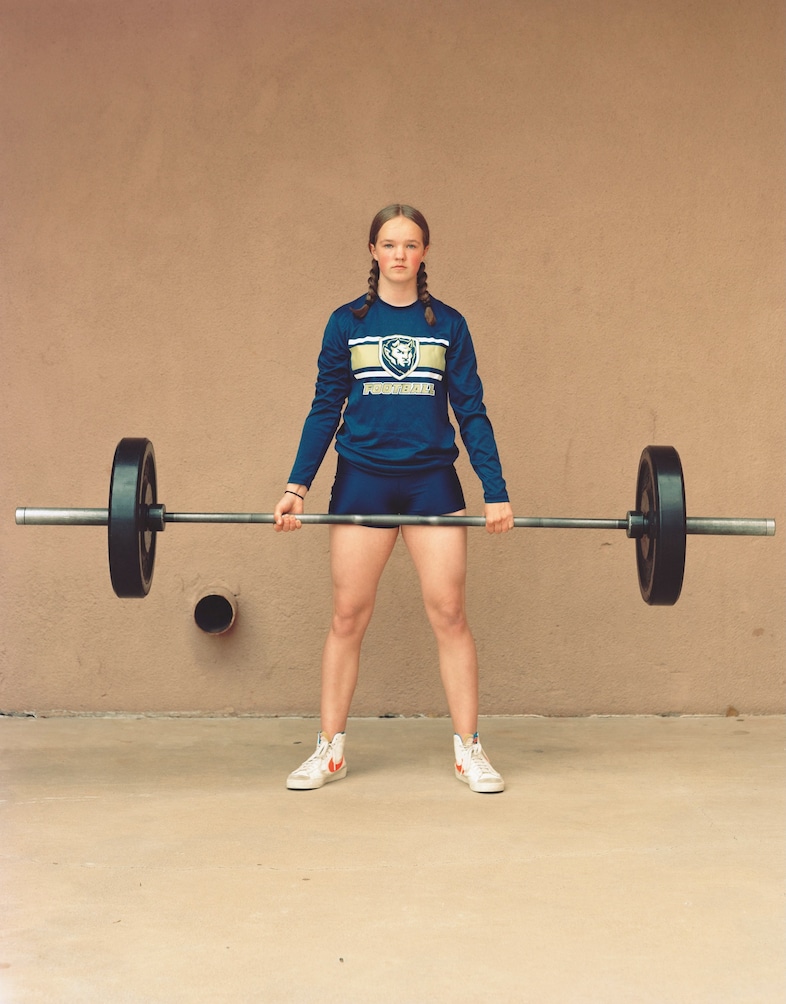
The technical execution of the project heavily influenced its psychological depth. Verbeeck utilized 4×5 and 8×10 large-format film cameras, deliberately restricting herself to just two exposures per participant. This deliberate choice introduced a profound contrast to the hyper-digitized, instant-gratification culture defining modern teenage life, where smartphone cameras and social media filters allow for endless retakes and immediate evaluation.
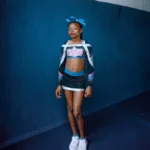
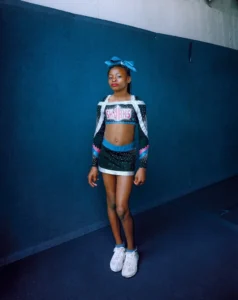
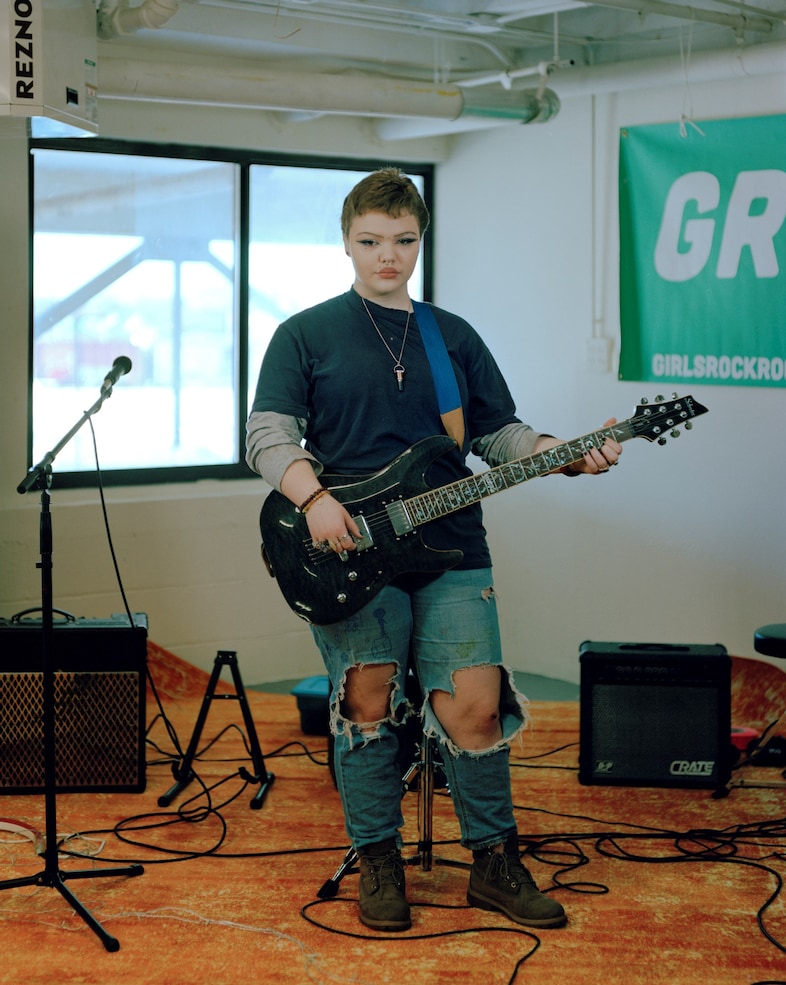
Prior to capturing each portrait, Verbeeck engaged her subjects in detailed conversations, asking them to complete questionnaires or record audio reflections regarding their daily lives, personal struggles, and future aspirations. During the portrait sessions, agency was deliberately transferred to the subjects. Each girl determined her own posture, expression, and gaze, deciding whether or not to make direct eye contact with the lens.
Furthermore, participants were invited to bring items of deep personal significance to the shoot. The resulting props introduced rich narrative subtext: one subject arrived surrounded by a medical cast, three massive basketball trophies, a stack of books, and approximately 20 medals; another brought a complete baking ensemble reflecting her bond with her father; others carried athletic gear, musical instruments, beloved pets, or stacks of magazines reminiscent of Verbeeck’s own childhood bedroom walls.
Implications and Cultural Significance
Cultural critics and photography experts have noted that America’s Girls, On the Edge of a Dream arrives at a critical juncture in contemporary visual culture. As algorithms increasingly homogenize the presentation of youth through curated social media feeds, Verbeeck’s work offers a vital corrective by emphasizing nuance, regional diversity, and individual autonomy.
By employing large-format film—a medium that requires immense patience, precision, and stillness—Verbeeck subverts the frantic pacing of digital media consumption. The resulting portraits do not attempt to summarize American girlhood into a single, cohesive archetype. Instead, they present a multifaceted mosaic of contradictions, uniforms, school traditions, and personal vulnerabilities that resonate both within and far beyond the borders of the United States.
Ultimately, the monograph challenges viewers to reconsider how society perceives and documents young women. By providing space for her subjects to articulate their own identities, Verbeeck bridges the gap between the fantastical mythology of her Belgian childhood and the complex, grounded reality of modern American youth. America’s Girls, On the Edge of a Dream is scheduled for official release by GOST on September 25, 2026, marking a significant contribution to contemporary documentary photography and sociological portraiture.