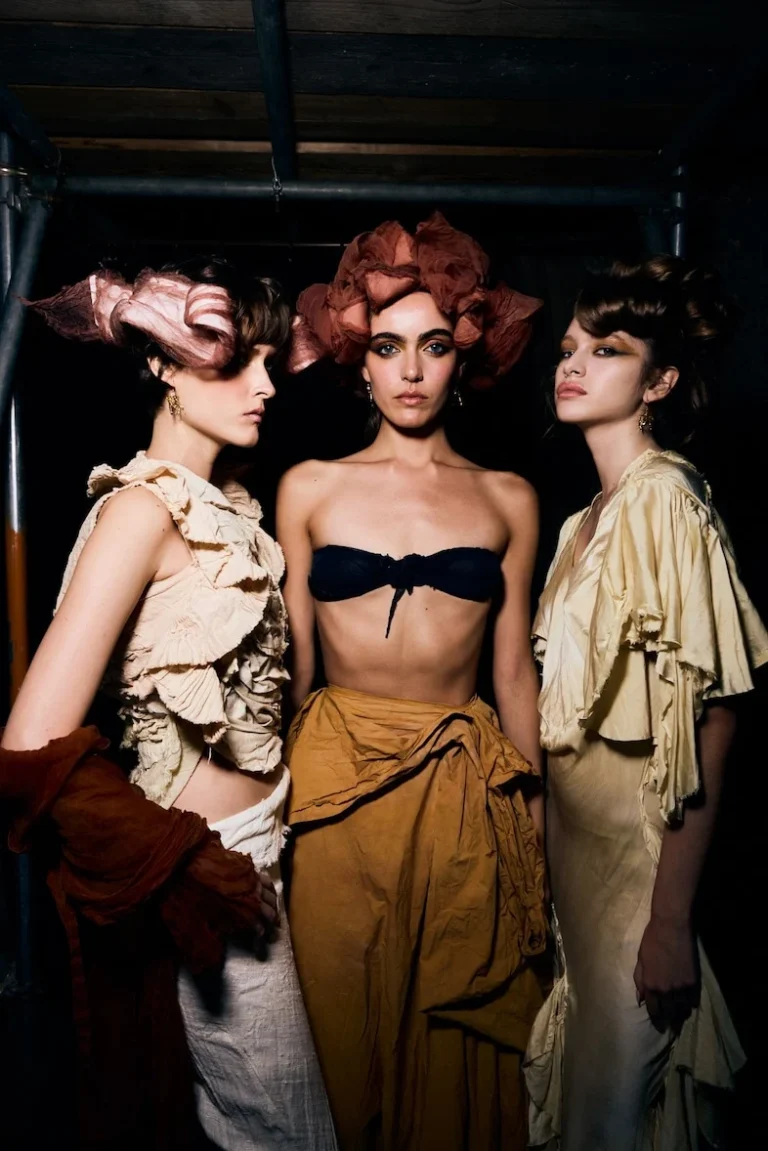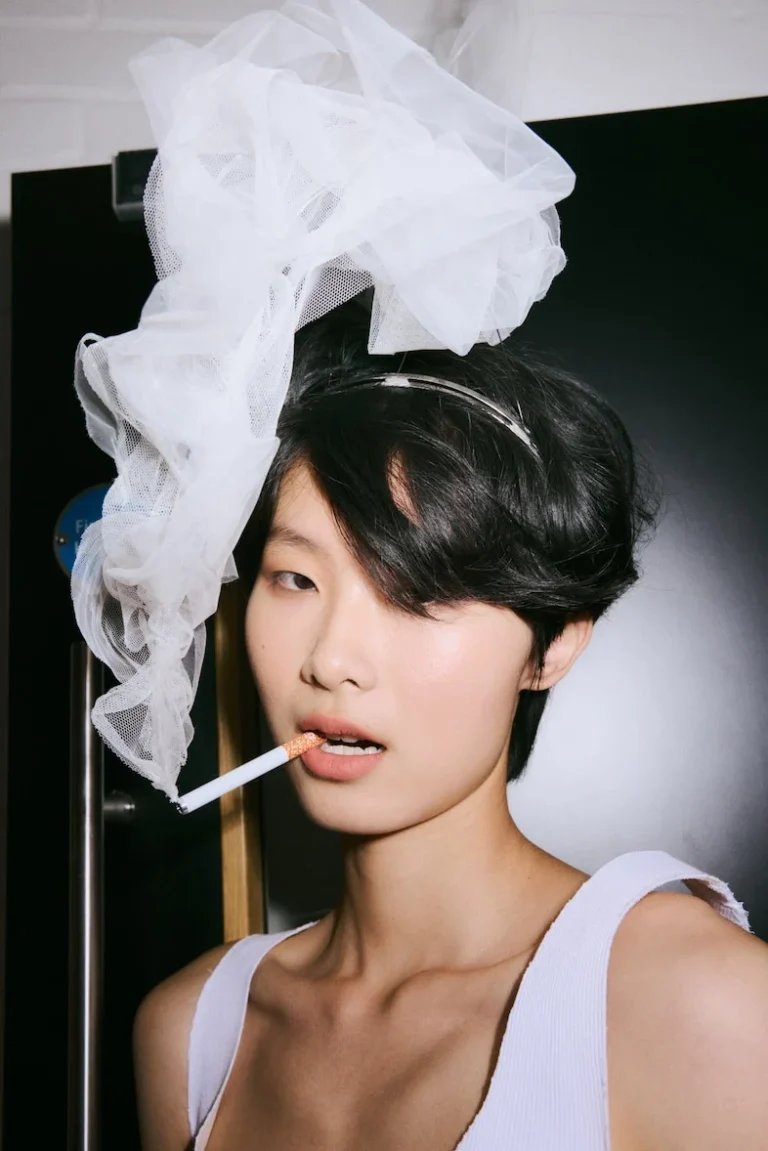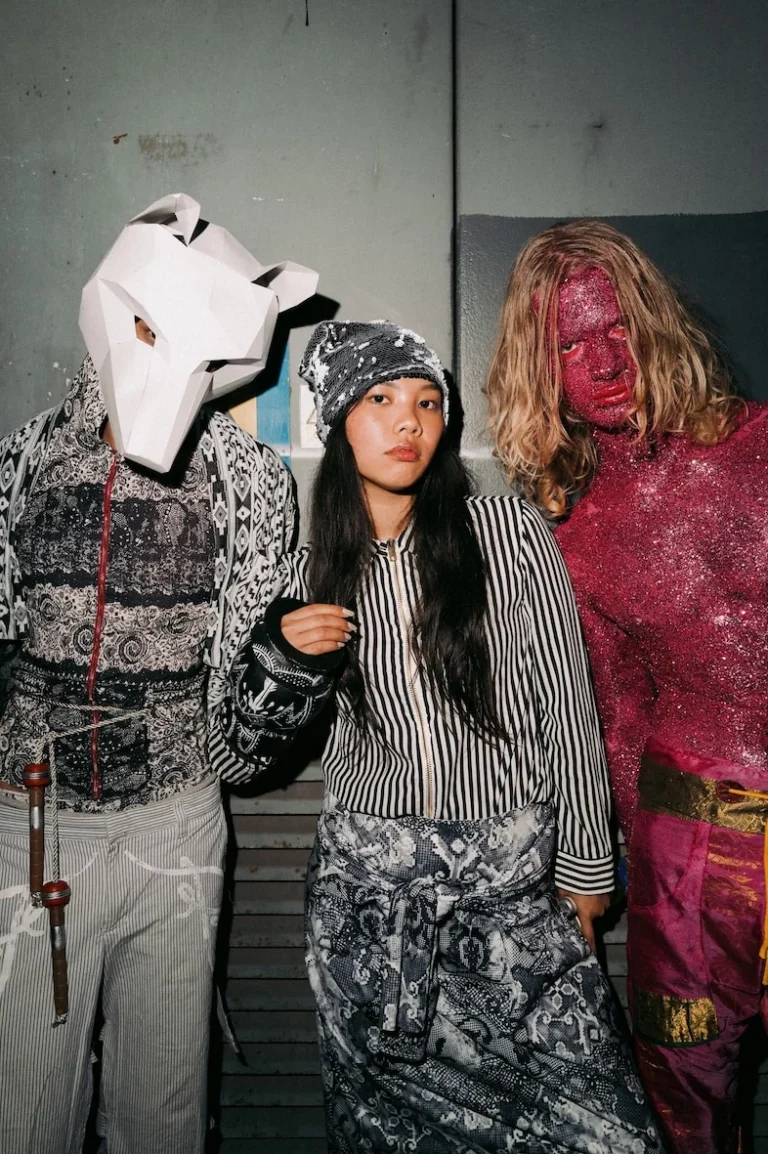






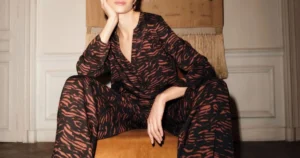



The intersection of fashion, high-concept philosophy, and digital-age paranoia reached a striking crescendo in north London as designer Natasha Zinko unveiled her Spring/Summer 2027 collection. Titled Pay Per View, the presentation quickly became the most talked-about event of London Fashion Week, driven as much by its biting intellectual critique of modern surveillance as by its viral, unexpected casting choices. Following a breakout moment last season when the Ukrainian-born, London-based designer enlisted Spice Girl Mel B to close her Autumn/Winter 2026 runway—generating millions of digital impressions globally—industry insiders and spectators anticipated a high-stakes follow-up. Zinko delivered precisely that, transforming a cavernous brutalist venue into a living, breathing architectural manifestation of Michel Foucault’s theories on panopticism.
Set against the backdrop of an increasingly digitized and algorithmically monitored society, the show offered an immersive examination of how contemporary individuals navigate a world saturated by artificial intelligence, smart devices, and relentless public scrutiny. By merging high fashion with a provocative partnership with content subscription platform OnlyFans, Zinko challenged her audience to reconsider the boundaries of privacy, performance, and the attention economy.
Chronology of the Event: From Whispers to Execution
Speculation regarding the SS27 casting began circulating days before the scheduled presentation, fueled by encrypted messaging applications and traditional word-of-mouth networks among fashion enthusiasts. By the afternoon of the show, the physical realities of the event matched the fervor of the digital rumors. A dense crowd amassed outside the venue in north London, bottlenecked by a single, narrow doorway designed to funnel hundreds of credentialed guests, international buyers, and media personnel inward.
Attendees navigated the dusty, industrial corridors of the Collins Music Hall—a massive brutalist landmark situated in the heart of Islington—before stepping into the venue’s core. The space opened up into a monumental atrium that carved vertically through the entire structure. Mezzanine floors were segmented into precise, square-shaped openings framed by heavy concrete columns. Looking down from the metal railings, guests observed a dense grid of black stools meticulously arranged on the ground floor, creating an atmosphere of deliberate claustrophobia even before the presentation commenced.
Following a 45-minute delay that heightened the collective tension among the assembled audience, the presentation officially commenced. Blindingly harsh spotlights flashed across the concrete tiers, illuminating models and high-profile guest stars positioned within the square-shaped cells. The structural choreography of the venue immediately revealed its conceptual foundation: the architecture mirrored Jeremy Bentham’s panopticon, an institutional design allowing a single watchtower to observe all inmates without their knowledge. In Zinko’s inversion, however, the audience occupied the central panoptic position of the jailer, while the models and celebrities were cast as the observed prisoners.
Conceptual Framework and Theoretical Background
In the development of the Pay Per View collection, Natasha Zinko drew heavily upon structural and philosophical texts, most notably the writings of French philosopher Michel Foucault. Foucault’s examination of disciplinary power and continuous surveillance served as the intellectual anchor for the garments and the spatial design.
In modern society, Zinko argues, the physical panopticon of the prison has evolved into a voluntary, digital panopticon. Citizens willingly subject themselves to constant observation through social media algorithms, location tracking, and AI-enabled wearable technology. The boundary between the observer and the observed has collapsed entirely.
"Like the prisoners in this ingenious construct, we the Modern Humans walk out of our homes into a world where any one of us may be under numerous kinds of surveillance anytime, whether that be from the state or some schmo with a camera," Zinko stated in her official show notes.
This thematic exploration extended directly into the commercial realities of the digital era. Zinko highlighted the emergence of an attention-based economy where financial viability frequently depends on an individual’s ability to monetize their public persona. This insight informed her official collaboration with OnlyFans, integrating explicit references to digital content creation through specialized garments, including tailored shorts and pants bearing the "Pay for View" moniker.
Star-Studded Casting and Character Archetypes
The physical manifestation of the panopticon concept relied heavily on an eclectic, highly publicized cast that blurred the lines between traditional high fashion and pop-culture celebrity. The lineup subverted conventional runway norms by casting figures known for navigating intense public scrutiny, media intrusion, and tabloid fame.
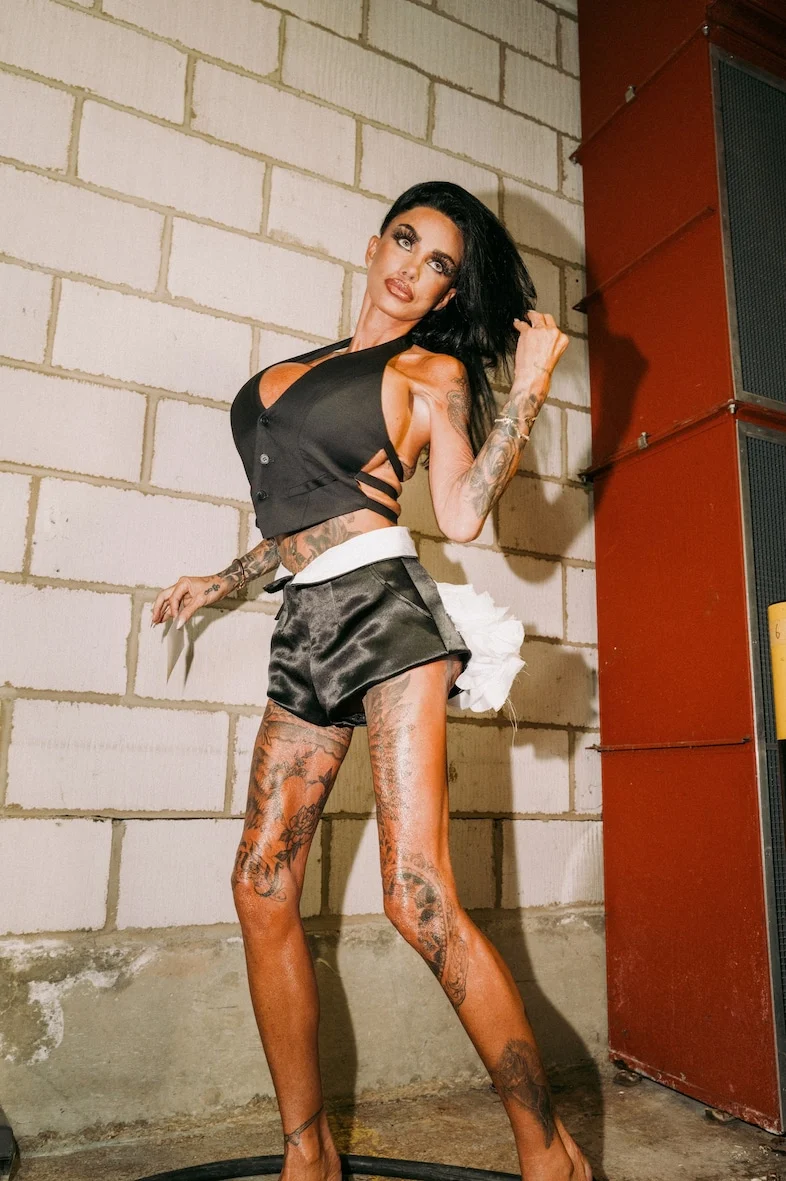
Among the prominent figures appearing within the concrete apertures of the atrium was British glamour model and television personality Katie Price, who wore a sharp, tight black waistcoat paired with matching shorts. She was followed by actress Drea de Matteo, recognized for her role in The Sopranos, who casually puffed on a cigarette beside a director’s chair bearing her name. Kelly Osbourne also anchored a cell, sporting a sleek black bob and wearing a bat pendant as a direct, poignant tribute to her late father, Ozzy Osbourne.
Beyond these headlining names, the multi-tiered grid featured a diverse spectrum of archetypes intended to represent a cross-section of modern society. Cowboys, cleaning ladies, indie rock musicians, opera singers, professional footballers, and sailors populated the cells, each trapped in their respective performance of identity under the harsh illumination of spotlights.
Spatial Dynamics and Audience Integration
The architecture of the presentation played an active role in communicating the collection’s core message. Ushers had arranged the ground-floor black stools with minimal clearance between rows, forcing guests into an uncomfortably tight configuration where knees nearly touched and personal space was effectively eliminated.
As the presentation progressed toward its climax, the dynamic shifted. The models and celebrity participants broke free from their concrete cells, descending from the mezzanine levels into the ground-floor seating area. They navigated the narrow, densely packed rows of seated guests in a symbolic bid for freedom.
This physical interaction produced a palpable sense of discomfort among the audience. The forced physical proximity mirrored the psychological claustrophobia of the surveillance state and the inescapable nature of modern digital connectivity. By invading the personal space of the front-row attendees, the cast effectively inverted the power dynamic, temporarily turning the jailers into the besieged.
Broader Industry Impact and Implications
Natasha Zinko’s SS27 presentation arrives at a time of significant introspection within the global fashion industry regarding the role of spectacle versus garment construction. As brands increasingly rely on viral moments to secure digital reach and media saturation, Zinko’s conceptual integration of fashion and sociological theory offers a blueprint for how runway presentations can transcend mere clothing displays to become cultural commentary.
Market analysts note that collaborations between traditional fashion designers and digital monetization platforms like OnlyFans signal a broader shift in luxury marketing. As younger consumers increasingly value digital authenticity, parasocial relationships, and alternative streams of income, high fashion is actively seeking ways to align itself with the realities of the creator economy.
Furthermore, the focus on surveillance capitalism resonates deeply with contemporary regulatory and cultural debates surrounding data privacy, artificial intelligence, and the ubiquity of digital recording devices in public spaces. By translating these abstract socio-technical anxieties into a tangible, visceral runway experience, Zinko has solidified her reputation as a designer capable of engaging with complex political and philosophical issues without sacrificing commercial viability or theatrical impact.
As the industry reviews the imagery from the Collins Music Hall presentation, the conversation surrounding Pay Per View extends far beyond the garments themselves. It serves as a timely reminder that fashion remains a potent medium for reflecting the anxieties, structures, and paradoxes of contemporary human existence.