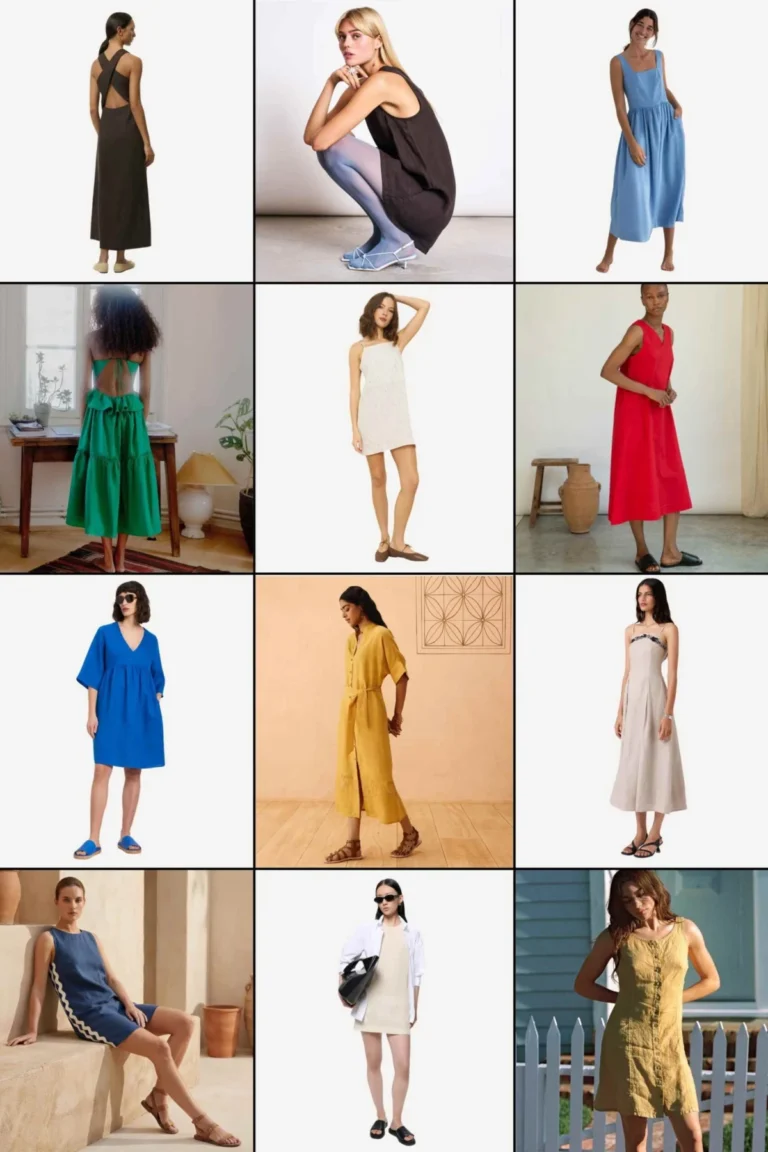












The global fashion landscape is undergoing a structural transformation as consumers increasingly demand transparency, accountability, and ecological stewardship from the brands they support. Within Europe, where regulatory frameworks surrounding environmental reporting and supply chain due diligence are tightening, a robust ecosystem of ethical and sustainable clothing labels has emerged. To navigate this shifting marketplace, conscious consumers require reliable, data-driven assessments to distinguish genuine sustainability from greenwashing. Leveraging rigorous, multi-metric evaluation methodologies, industry watchdogs continuously audit European apparel and accessories brands to highlight those genuinely prioritizing people, the planet, and animal welfare.
Understanding Sustainable Fashion Metrics: People, Planet, and Animals
To evaluate what makes a fashion brand truly responsible, analysts look beyond surface-level marketing claims and examine core operational impacts across three foundational pillars: labor rights, environmental resource management, and animal welfare.
Worker safety and fair compensation remain critical benchmarks in the ethical assessment of supply chains. Responsible brands enforce strict policies against child and forced labor, guarantee workers’ freedom of association and the right to collective bargaining, and commit to paying a living wage. Historically, the global garment sector has struggled with wage stagnation and opaque outsourcing. However, top-tier European brands are increasingly shortening their supply chains, partnering with certified local production facilities, or maintaining direct oversight of international partner factories to ensure fair treatment from raw material extraction to final assembly.
On the environmental front, the modern fashion industry is responsible for significant carbon emissions, intensive water consumption, and chemical pollution from dyeing and finishing processes. Better-performing brands actively measure and reduce their carbon footprint, manage wastewater runoff responsibly, and transition away from hazardous synthetic chemicals. This shift frequently involves adopting lower-impact materials such as Global Organic Textile Standard (GOTS) certified cotton, Tencel Lyocell, hemp, and innovative agricultural waste derivatives like apple peels, grape pomace, and pineapple leaves. Furthermore, many forward-thinking labels embrace circular economic models, utilizing deadstock fabrics and upcycling production leftovers to mitigate over-consumption.
Regarding animal welfare, responsible labels strictly avoid or minimize the use of animal-derived products—including conventional leather, wool, fur, down feathers, and exotic skins—frequently operating entirely as vegan enterprises. By substituting these materials with cruelty-free innovations, these brands demonstrate that high-end design and ethical integrity are mutually compatible.
The Evolution of European Sustainable Commerce: A Timeline
The contemporary movement toward sustainable European apparel has accelerated significantly over the past two decades, driven by shifting consumer consciousness, regulatory pressures, and grassroots entrepreneurialism.
In the early 2010s, the market for ethical fashion was largely niche, characterized by small independent labels operating on the fringes of mainstream retail. The collapse of the Rana Plaza garment factory in Bangladesh in 2013 served as a profound global catalyst, exposing the fatal human costs of fast fashion and galvanizing European consumers and designers to demand absolute supply chain transparency.
Between 2015 and 2018, a new wave of European direct-to-consumer brands emerged. Companies like ASKET pioneered revolutionary sizing models and permanent collections to combat seasonal overproduction, while others established frameworks centered on localized European manufacturing to slash transportation emissions.
By 2020, heightened awareness of marine plastic pollution and overflowing landfills prompted a surge in circular business models. European brands began heavily investing in upcycling post-consumer and industrial waste, transforming discarded airbags, seatbelts, fishing nets, and plastic PET bottles into high-performance urban gear and footwear.
Into the mid-2020s, regulatory milestones—such as the European Union’s Strategy for Sustainable and Circular Textiles and proposed Corporate Sustainability Due Diligence Directives—began shifting the industry from voluntary ethical practices to mandatory legal accountability. Today, brands rated favorably by independent indexing systems represent the vanguard of this regulatory transition, proving that ecological viability and commercial durability can coexist.
Curated Index of Top-Rated European Sustainable Brands
Evaluating hundreds of enterprises against stringent social and environmental metrics yields a definitive directory of European brands achieving "Good" or "Great" ratings. These labels span multiple categories, offering consumers accessible alternatives across womenswear, menswear, footwear, activewear, intimates, and accessories.
Womenswear and Contemporary Apparel
Nëz stands out as a Portuguese womenswear label dedicated to crafting timeless silhouettes using lower-impact materials, making sophisticated garments predominantly available in sizes S to L. Similarly operating out of Portugal, Organique specializes in contemporary athleisure and fitted basics, utilizing organic cotton and Tencel Lyocell within a fully vegan framework.
For versatile, modular design, BASTET NOIR manufactures multifunctional 3-piece sets and traveling essentials from deadstock fabrics in limited runs. Based in Macedonia, the brand offers inclusive sizing from 36 to 42 alongside custom measurements. In the United Kingdom, We Are Kin handmakes slow-fashion garments in London, offering inclusive sizing from UK 4 to 26 and accommodating custom requests for petite and tall heights.
France-based Facettes Studio caters to the multifaceted professional wardrobe, specializing in tailored suits while banning polyester and polyamide entirely. The brand further supports garment longevity through dedicated repair and alteration services. In Germany, JAN & N JUNE pairs style with affordability, offering GOTS-certified collections designed by female entrepreneurs to bridge the gap between sustainability and accessibility. Meanwhile, Danish label CAES champions minimalist, non-seasonal design using innovative alternatives like Desserto cactus leather and recycled cotton.
Menswear and Wardrobe Essentials
For foundational menswear, Swedish label ASKET remains an industry benchmark, famously rejecting seasonal trends in favor of a permanent collection backed by radical traceability and precise sizing. In Switzerland, CARPASUS crafts premium shirts, ties, and accessories using GOTS-certified cotton, prioritizing local manufacturing and guaranteed living wages.
THTC, based in the United Kingdom, dominates the streetwear sector through its utilization of organic hemp for t-shirts, hoodies, and accessories. For classic everyday basics, Danish brand Colorful Standard produces vibrant, durable apparel from organic cotton, intentionally bypassing seasonal inventory cycles to discourage over-consumption. ISTO., operating from Portugal, adheres to a strict single-collection model, prioritizing superior quality over quantity to ensure permanent availability while transparently displaying the true production costs of each garment.
Intimates, Swimwear, and Activewear
Anekdot, hand-crafted in Berlin, creates exquisite designer underwear, swimwear, and loungewear by upcycling production leftovers, deadstock, and vintage trimmings into limited-edition runs. In Denmark, Underprotection uses organic cotton and biodegradable packaging to produce sustainable underwear, loungewear, and swimwear, operating exclusively within certified factories that guarantee fair wages.
ColieCo, based in Portugal, offers handmade-to-order lingerie and swimwear crafted exclusively from responsibly sourced, lower-impact fabrics in size ranges spanning 2XS to 3XL. For high-performance athletic apparel, Swedish brand Tripulse integrates physical and mental wellness with ecological responsibility, producing technical activewear across an inclusive size range up to 6XL.
Footwear and Accessories
The European footwear and accessories market features specialized innovators transforming waste streams into high-end products. Agazi, a Polish vegan footwear brand, constructs sneakers, sandals, and heels using agricultural byproducts such as hemp, apple skin, and grape-based leathers. Similarly, Spanish label Vesica Piscis manufactures vegan footwear using a made-to-order model powered by renewable energy, reducing waste while utilizing lower-impact materials.
ID.EIGHT, an Italian footwear brand founded by industry veterans, creates refined sneakers from food industry waste—including apple peels, grape seeds, and pineapple leaves—alongside recycled cotton and polyester. COG, based in France, produces vegan footwear utilizing natural cork, cotton scraps, and repurposed corn and bamboo.
In the accessories sector, British label Mashu specializes in vegan handbags featuring exteriors crafted from innovative plant-based leather alternatives and interiors lined with recycled polyester vegan suede. Lefrik, a Spanish brand founded in 2012, designs urban backpacks and travel essentials constructed entirely from high-grade recycled plastic PET bottles. Airpaq upcycles automotive scrap materials—including discarded airbags, seatbelts, and seatbelt buckles—into durable backpacks and accessories in Germany, while Greek brand Théla crafts handcrafted lifestyle accessories from plastic waste in partnership with disadvantaged communities.
Broader Economic Implications and Consumer Impact
The proliferation of top-tier sustainable brands across Europe signals a fundamental realignment of market incentives. As regulatory bodies implement stricter penalties for environmental degradation and deceptive marketing, greenwashing is becoming increasingly legally hazardous for corporations. Independent rating organizations play an indispensable role in this ecosystem by translating complex supply chain audits into accessible metrics for everyday shoppers.
By choosing to support local, highly rated European brands, consumers actively reduce the carbon footprint associated with international shipping while bolstering regional circular economies. Ultimately, the transition toward sustainable fashion demonstrates that consumer purchasing power, when aligned with rigorous ethical standards, possesses the capacity to reshape the global textile industry for the better.