





Box, boho, and knotless braids represent much more than aesthetic choices within the global Black community; they form a centuries-old cultural tradition deeply embedded in daily life. For thousands of years, the meticulous practice of braiding hair has remained an almost entirely manual endeavor. Clients frequently endure marathon sessions lasting up to 12 hours in salon chairs while professional stylists labor through intricate parting and weaving patterns. This labor-intensive reality has long presented both a physical endurance test for customers and a chronic occupational hazard for practitioners.
Now, a newly emerged robotics startup is looking to disrupt this ancient ritual. HaloBraid has officially launched with $7 million in a seed funding round led by venture firm Seven Seven Six, founded by Reddit co-founder Alexis Ohanian. Additional participants in the financing round include AlleyCorp and Bling Capital. The fresh capital will be dedicated to accelerating product development, scaling manufacturing operations, and securing strategic partnerships with professional hair salons ahead of the device’s commercial rollout later this year.
The Genesis of a Technical Solution
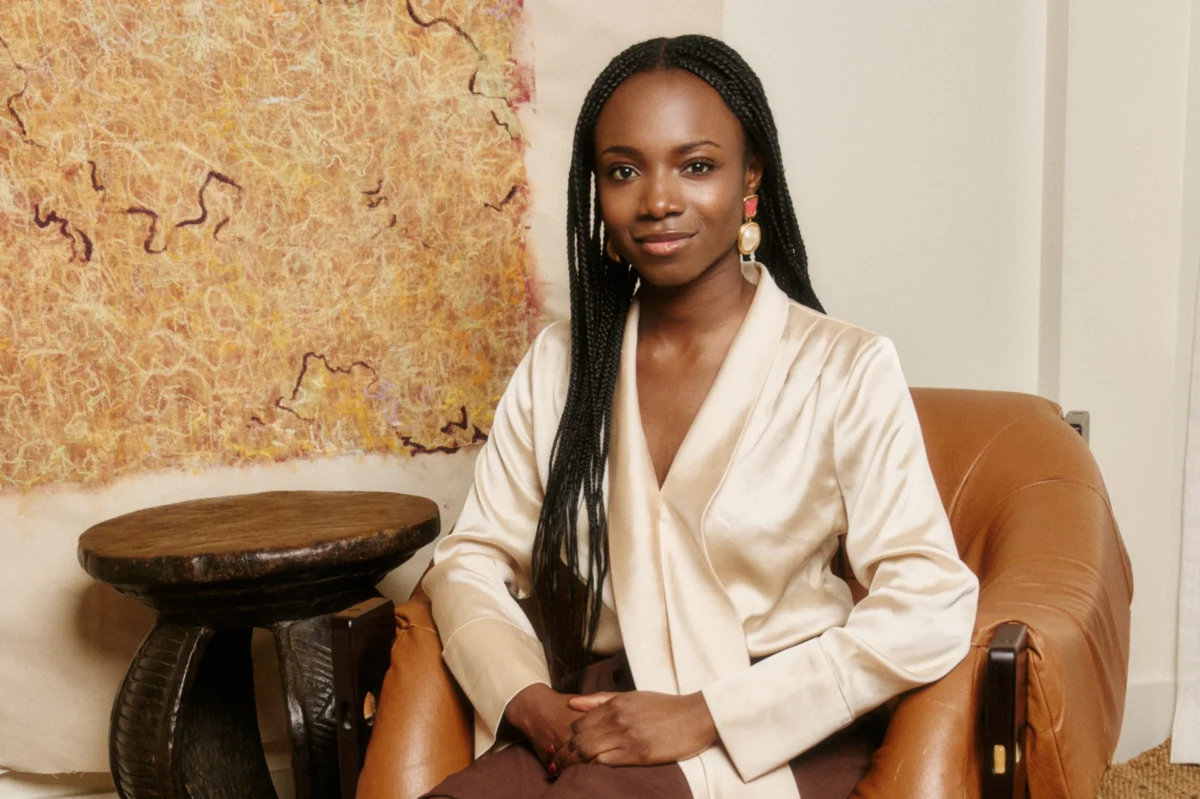
The journey toward automating hair braiding began during the height of the COVID-19 pandemic. Yinka Ogunbiyi, an entrepreneur with an Master of Science in engineering from Harvard University and an Master of Business Administration, found herself isolated in her London apartment. Seeking to maintain her hair, she attempted to braid it herself. The undertaking proved exceptionally arduous, consuming four days of continuous effort.
Rather than viewing the experience merely as a tedious chore, Ogunbiyi, who previously founded a smart cooking appliance company, recognized a complex engineering problem ripe for innovation. She began evaluating the mechanical, material, and ergonomic constraints of hair braiding. Over the subsequent years, her research revealed staggering industry statistics. Global estimates indicate that humanity spends approximately 8 billion hours annually braiding hair. In a targeted survey of 2,000 respondents conducted by her team, 95 percent of participants stated they would choose to have their hair braided significantly more often if the time investment were reduced.
Conversely, the physical toll on professional stylists is well-documented. Practitioners endure extended standing hours, repetitive motion stress, and chronic occupational injuries such as carpal tunnel syndrome and arthritis. By introducing automation into the workflow, HaloBraid aims to alleviate these physical strains while dramatically cutting down processing times.
Engineering Precision and the Mechanics of Hair
Developing a robotic assistant for textured hair presented monumental scientific hurdles. Ogunbiyi points out that human hair is widely considered by manufacturing and materials engineers to be one of the trickiest substrates in the world to manipulate. Its natural elasticity, variability in curl patterns, and delicate structural composition resist standard automation techniques.
To overcome these obstacles, Ogunbiyi and her multidisciplinary team of approximately 15 researchers and engineers borrowed methodologies from disparate fields, ranging from advanced material science to industrial inkjet printing. Due to pending patent applications, the company has kept detailed mechanical specifications under wraps. However, the operational workflow of the device has been clearly outlined.

A professional stylist initiates the styling process by sectioning the hair and executing the initial rows of the braid by hand. Once the foundation is established, the stylist transitions the remaining hair into the HaloBraid device. The automated assistant then completes the remainder of the braid in a matter of seconds. The technology has been engineered to handle popular contemporary styles, including both knotless and traditional box braids, while prioritizing structural gentleness to prevent breakage or scalp tension.
Market Opportunity and Investor Perspective
The convergence of robotics and the beauty sector has attracted significant attention from venture capitalists seeking untapped markets with high consumer loyalty. Alexis Ohanian’s Seven Seven Six spearheaded the seed round, drawn by the massive addressable market and the clear utility of the product. Ohanian’s personal familiarity with the intricacies of braided hairstyles stems from his immediate family; he is married to tennis icon Serena Williams, who famously debuted numerous iconic braided looks on international sports courts, and they share two Black children who frequently wear braided styles.
Refining his perspective on the market, Ohanian noted that he has closely observed the exhaustive duration of braiding sessions firsthand. While his older daughter enjoys the initial hours of the ritual, the fatigue sets in long before completion. He contrasted the multi-billion-dollar beauty industry’s historical neglect of textured hair tooling with consumer electronics giants like Dyson, which successfully revolutionized hair-drying and styling technology for straight and wavy hair types while leaving textured haircare largely unexplored despite an enthusiastic and financially committed consumer base.
Viewing the endeavor as part of a broader hardware renaissance, Ohanian noted that an automated braiding device represents a highly buildable, differentiated product with an exceptionally clear go-to-market strategy. The competitive landscape in this specific niche remains sparse, with the most notable peer being Braidiant, leaving ample room for category creation and market leadership.
Future Roadmap and Industry Implications
As HaloBraid prepares for its commercial debut, the startup’s leadership is already looking beyond its flagship device. Engineering teams are actively conceptualizing secondary products designed to streamline adjacent tasks, such as a dedicated device to safely and rapidly undo braids—a removal process that can frequently consume as much time as the original installation.
The broader implications of automating textured haircare extend deep into cultural economics and public health. By reducing the time barrier associated with protective styling, automated assistants could democratize access to low-maintenance hairstyles, lower salon overhead costs, and extend the professional lifespans of braiders by mitigating repetitive strain injuries.
HaloBraid’s ultimate corporate vision stretches far beyond a single hardware release. By merging advanced robotics with cultural traditions, the company intends to pioneer an entirely new category of beauty technology aimed at making textured haircare significantly faster, more comfortable, and universally accessible.