






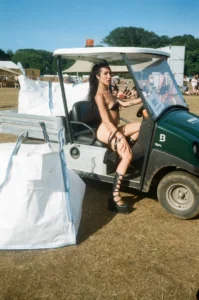


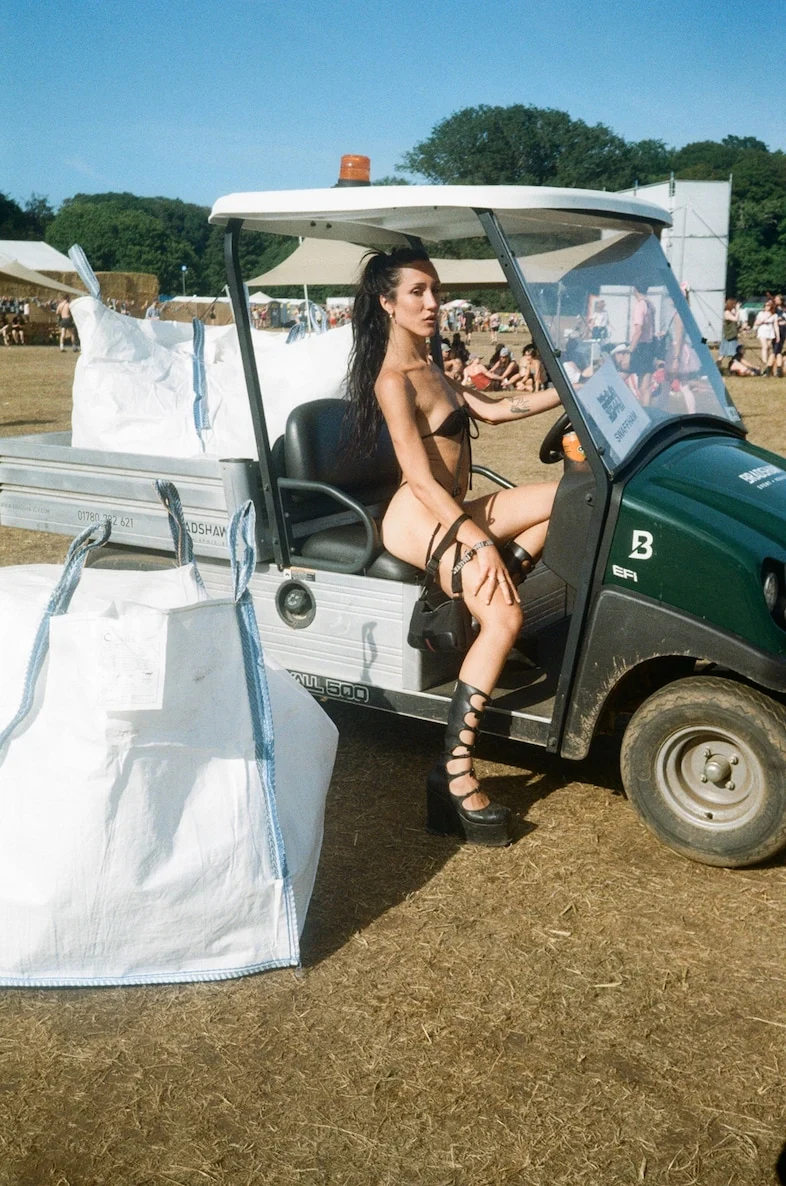
For its 13th consecutive iteration, Field Maneuvers returned to its undisclosed rural acreage in Norfolk this summer, delivering three days of unadulterated underground electronic music that tested the endurance of its dedicated attendees against both blazing sunshine and intermittent downpours. Long cherished within the United Kingdom’s underground electronic circuit as a definitive “no-frills rave,” the festival has historically operated on the premise that an elite lineup of DJs, high-fidelity soundsystems, and an enthusiastic crowd are the only ingredients necessary for a world-class party. Yet, as the 2026 weekend unfolded under the lens of Dazed video editor and photographer Chester McKee, it became evident that while the core ethos remains rooted in raw, DIY independence, the event has subtly evolved to accommodate new dimensions of community-building and experiential design.
A Phoenix From the Financial Ashes: The Background and Context of FM’s Survival
The mere existence of Field Maneuvers in 2026 represents a minor miracle within the modern European festival landscape, which has been battered by post-pandemic inflation, skyrocketing supply chain costs, and soaring insurance premiums. Just two years prior, in 2024, the fiercely independent event faced an existential crisis that nearly shuttered its operations permanently. Ballooning operational expenses pushed the organization to the brink of cancellation, triggering an eleventh-hour public appeal and financial turnaround that kept the beloved institution alive.
Rather than compromising its underground integrity or succumbing to corporate sponsorship models that often dilute the culture of independent raves, the festival’s organizers chose to double down on grassroots resilience. The 2026 edition demonstrated that this gamble paid off. The event successfully navigated financial recovery without sacrificing the gritty, intimate atmosphere that transformed it from a local secret into a cult fixture of the UK festival circuit.
Expanding the Blueprint: New Additions and Immersive Spaces
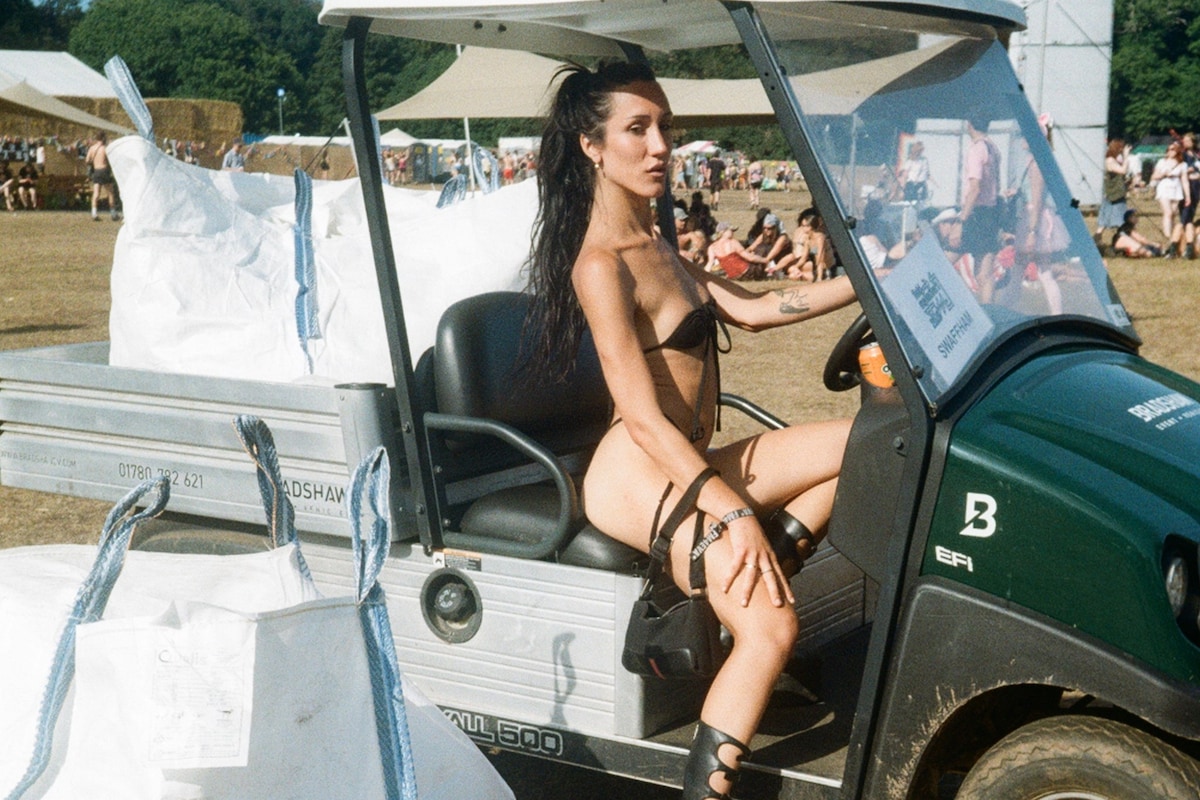
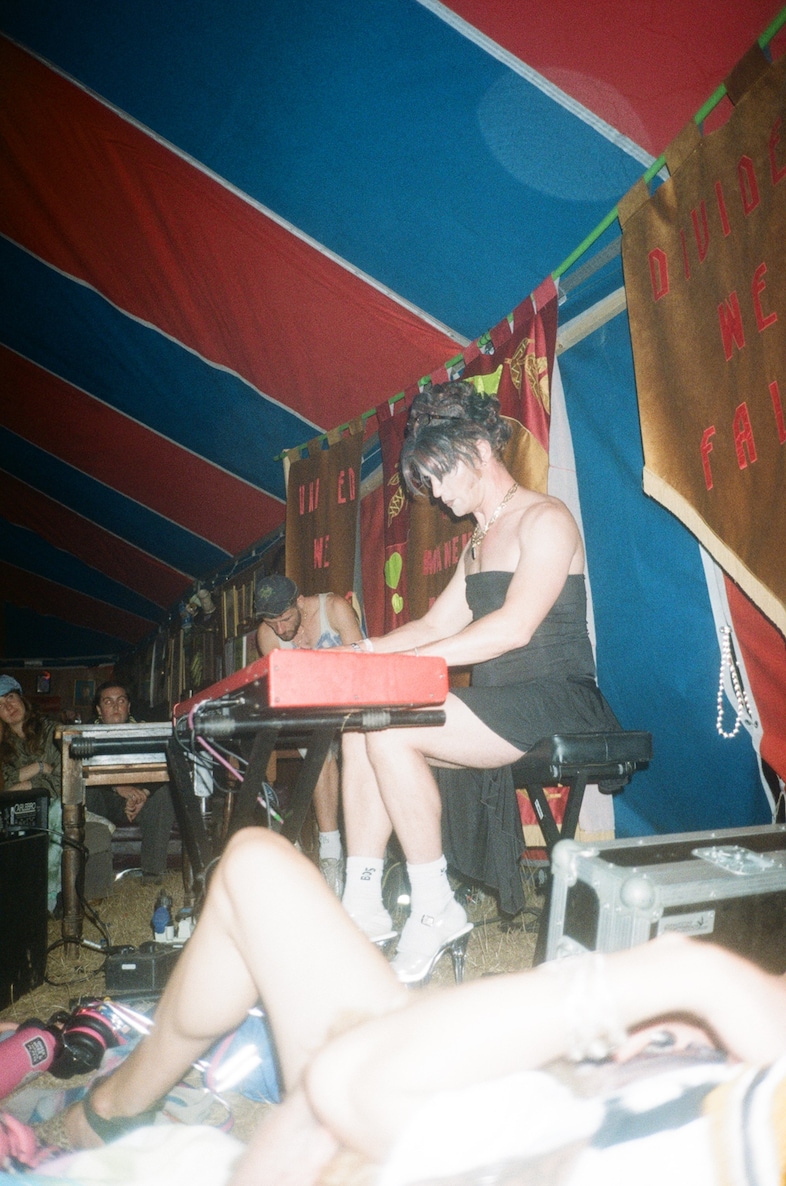
Despite its historical reputation for sparse aesthetics, the 2026 festival introduced several carefully curated additions that added new textures to the weekend without betraying its unpretentious roots. Chief among these was the Function Room, a newly minted stage whose interior design deliberately channeled the dreary, utilitarian aesthetic of a classic British working men’s club.
The Function Room quickly established itself as a hub of sonic experimentation. Over the course of the weekend, it hosted Low End Dreams alongside a heavyweight roster featuring drysu, Sharnie, Mi-El, Neil Landstrumm, and Mun Sing. Together, these artists pushed boundaries through a relentless delivery of heavy bass, 140 bpm rhythms, and intricate jungle breaks.
Immediately adjacent to the sonic chaos sat The Packet Inn, a tongue-in-cheek makeshift pub that doubled as an interactive art installation space. Artist Trackie McLeod brought his poignant and humorous new participatory work, Tell Your Mates You Love Them, to the venue, offering a satirical yet affectionate nod to traditional British pub culture while fostering communal bonding among weary ravers.
Musical Chronology: From Sundown Bass to Geodesic Laser Domes
Musically, the festival’s programming spanned a diverse spectrum of global club music, prioritizing niche communities and underground collectives that continuously push the envelope.
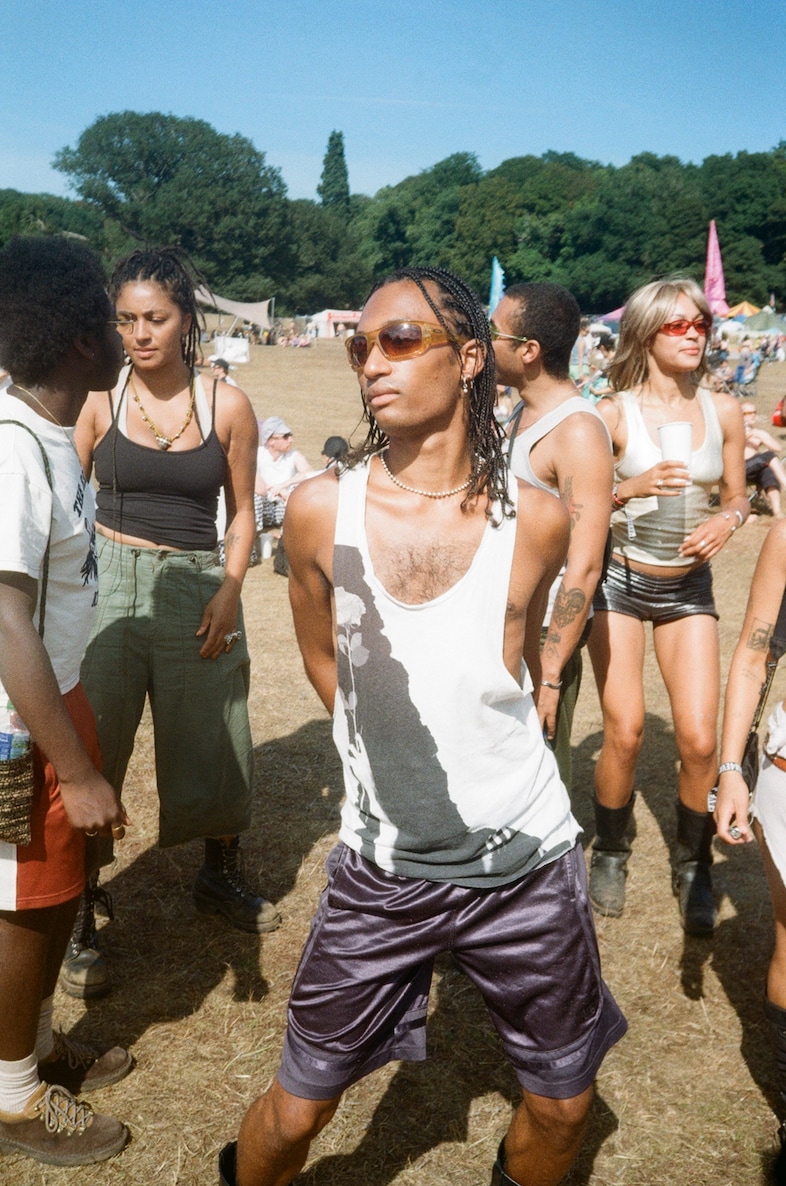
The FM Main Tent served as an epicenter of high-energy performances. Early highlights included Call Super and Parris’s collaborative curation, Can You Feel The Sun, which welcomed sets from LWS, Jasmín, and Danielle. Throughout the weekend, the stage made deliberate space for marginalized and forward-thinking collectives. The Afro-diasporic DJ collective DTMF!, Venezuelan selector Ivicore, and Felt Soundsystem co-founder Cheza Lucina all delivered standout performances, alongside the formidable bass and dubstep stylings of Beatrice M. and SO420.
As the weekend progressed toward its climax, Sunday evening delivered a masterclass in crowd mobilization. Hannah Holland and MAMA anchored a raucous Batty Bass set that whipped the front-row pit into a frenzy, perfectly setting the stage for Detroit techno royalty Detroit In Effect to close out the Main Tent with a blistering masterclass in rhythm and heritage.
Concurrently, the Sputnik stage—a glowing geodesic tent pulsing with laser lights—offered an immersive electronic sanctuary. Artists including I. JORDAN, Angel D’Lite, and Louise Plus One maintained a relentless kinetic energy on the dancefloor well into the early morning hours.
Beyond the Dancefloor: Culture, Welfare, and Community Activism
Field Maneuvers has long understood that a sustainable festival ecosystem requires spaces for decompression, emotional processing, and social interaction that exist entirely independently of the dancefloor. The 2026 edition expanded its non-musical programming significantly, integrating political activism, mental health support, and eccentric community-building exercises into the pastoral setting.
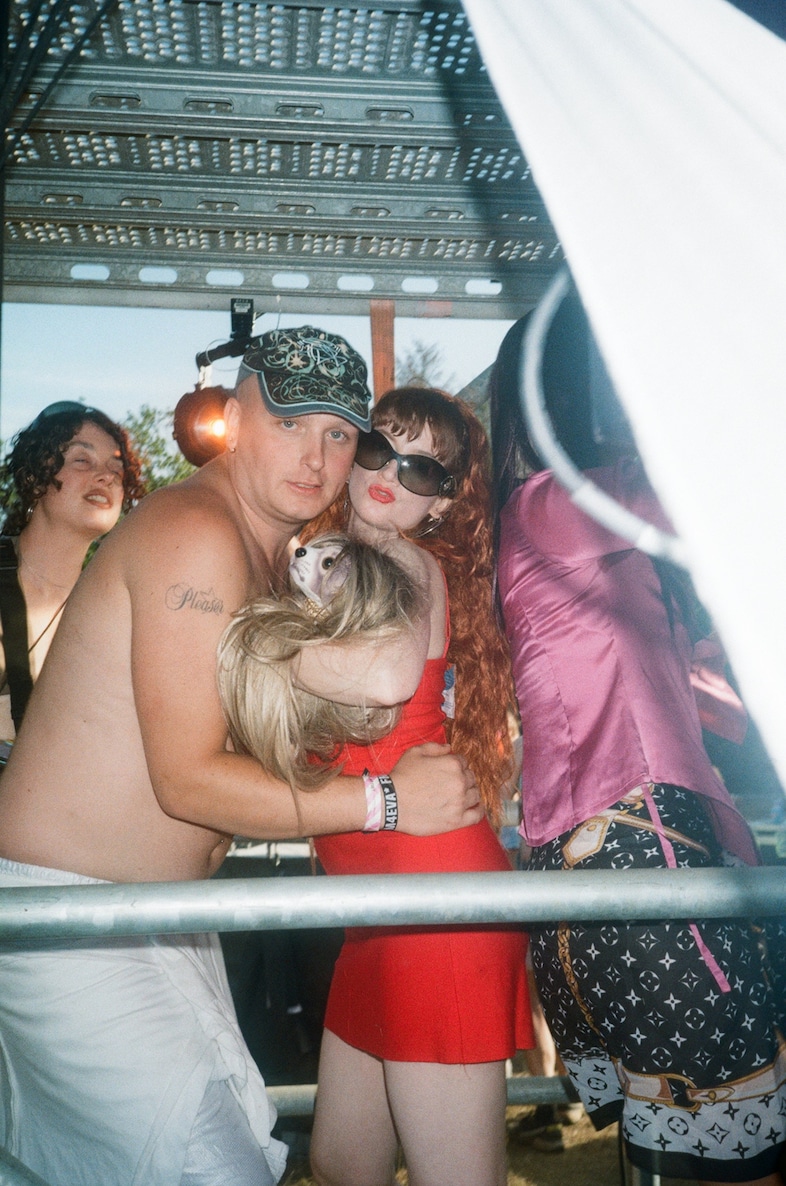
Among the standout daytime offerings was a grief art workshop hosted by If We Don’t Laugh, providing attendees with a safe, reflective environment to process collective and personal loss. For those seeking romance or casual social engagement, Pears introduced a field-side speed dating activation that drew considerable crowds. Meanwhile, the legendary U-Haul Dyke Rescue made a triumphant return, anchoring the campgrounds with its iconic Mobile Dyke Bar and fierce arm-wrestling tournaments that celebrated queer visibility and camaraderie.
For ravers requiring respite from the high-octane tempo of the main stages, the festival’s revamped ambient space offered a much-needed sonic and physical sanctuary. Featuring delicate, enveloping soundscapes from TAAHLIAH, the Syphen collective, Telepathic Fish, tia cousins, and Stella Zheng, the space provided a restorative counter-narrative to the relentless pulse of the subwoofers.
Industry Implications: The Blueprint for Independent Festival Longevity
The success of Field Maneuvers’ 2026 iteration offers vital lessons for the broader European festival sector. At a time when mid-sized independent music events are vanishing at an alarming rate due to prohibitive operating costs and corporate consolidation, FM has proven that organic growth, fierce community loyalty, and adaptive programming can ensure survival.
By embracing minor infrastructural enhancements—the "frills" playfully acknowledged by organizers—without losing its foundational DIY ethos, the festival has created a scalable blueprint for sustainable underground events. It demonstrates that attendees are willing to support specialized, community-driven gatherings so long as artistic integrity and authentic cultural curation remain uncompromised.
Thirteen editions deep, Field Maneuvers has transcended its status as a mere weekend party. It now stands as a resilient bastion of British countercultural life, proving that even in the face of economic adversity and torrential rain, the collective power of a committed crowd and a heavy sound system remains unbreakable.