








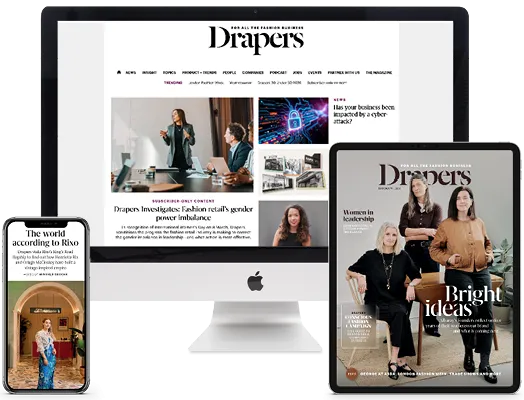
The independent fashion retail sector, often considered the bellwether of the British high street, is currently navigating a period of profound transformation. According to the latest annual survey conducted by Drapers, the sector has entered 2026 marked by a paradoxical mix of extreme operational pressure and remarkable creative agility. As inflationary headwinds persist and consumer habits undergo a permanent shift toward digital-first engagement, independent boutique owners are demonstrating a resilience that challenges broader retail decline narratives.
The Evolution of the Independent Landscape
The narrative of the "dying high street" has dominated retail analysis for the better part of a decade. However, the 2026 survey data suggests that the independent segment—defined here as businesses with fewer than 50 employees and a primary focus on curated apparel—has successfully pivoted away from the commoditized model that crippled larger department stores.
Historical data from the previous three years shows a clear shift. In 2024, the primary concern for independents was the rising cost of goods and supply chain fragility. By 2025, that focus had transitioned to energy costs and rent sustainability. Now, in late 2026, the primary challenge has crystallized around the "experience economy." Independent retailers are no longer merely competing on price; they are competing on community trust and hyper-localized brand identity.
Chronology of Market Shifts (2023–2026)
To understand the current state of the independent sector, one must analyze the trajectory of the past 36 months:
- Late 2023: The "Post-Pandemic Adjustment Phase." Retailers faced the dual threat of rising interest rates and the first major wave of consumer belt-tightening as inflation peaked.
- Mid-2024: The "Digital Pivot." Independent boutiques began investing heavily in sophisticated e-commerce platforms and social media commerce, realizing that physical footfall alone could no longer sustain profit margins.
- Early 2025: The "Sustainability Mandate." Consumer demand for transparent supply chains began to influence procurement strategies. Independents that could prove the provenance of their goods saw higher customer retention rates.
- September 2026: The "Resilience Era." The current period is defined by a stabilization of physical store counts, despite significant turnover in business ownership and a marked increase in omnichannel integration.
Supporting Data: By the Numbers
The Drapers survey highlights several key metrics that define the sector’s current health. Notably, 62% of independent fashion retailers reported maintaining or increasing their physical floor space compared to 2023 levels, a significant deviation from the widespread "right-sizing" seen in national chains.
However, profitability remains thin. The average net profit margin for an independent fashion retailer in 2026 sits at approximately 4.8%, a slight improvement from the 4.2% observed in 2025. The most successful retailers, according to the data, are those that derive at least 30% of their annual revenue from digital channels, highlighting the critical nature of the "phygital" (physical plus digital) model.
Furthermore, customer acquisition costs have risen by 15% year-over-year, forcing retailers to rely more heavily on loyalty programs and personalized outreach rather than broad-spectrum digital advertising.
Industry Responses and Expert Commentary
Industry analysts and retail advocates note that the survival of these businesses is tied directly to their ability to curate. Unlike national retailers, which rely on volume, the independent sector thrives on exclusivity.
"The independent retailer of 2026 is a curator, not a warehouse," says retail strategist Dr. Alistair Vance. "By narrowing their inventory to specific niches—whether it be sustainable luxury, vintage-revival, or hyper-local apparel—these businesses are creating a moat around their brand. They are not competing with Amazon or Shein; they are providing an alternative to them."
Many owners have expressed that their biggest barrier to entry remains the lack of access to affordable business banking and the persistent "business rates" tax system, which many argue favors large, centralized distribution centers over high-street boutiques. Industry lobby groups continue to push for a complete overhaul of the current business rates valuation, which has remained a point of contention since the 2023 review cycle.
Broader Impact and Economic Implications
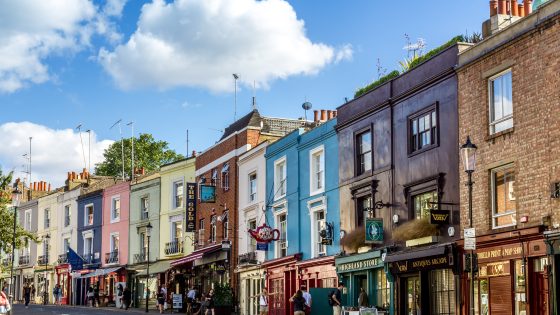
The broader implications of these findings are significant. Independent fashion retailers serve as the anchor for many local economies, contributing not only to economic activity but also to the social cohesion of town centers. A town with a vibrant, unique high street experiences higher foot traffic and, subsequently, higher property values for surrounding residential and commercial assets.
The findings of the 2026 survey suggest that we are witnessing a "survival of the most relevant." Retailers that fail to embrace technology, or those that fail to foster a genuine community around their store, are finding it increasingly difficult to compete. Conversely, those that treat their physical location as a community hub—hosting events, offering styling services, and maintaining a high-touch social media presence—are outperforming the market average.
Technological Integration and Future Outlook
Technology is no longer a secondary concern for these businesses; it is the infrastructure upon which they operate. The 2026 data shows that 85% of surveyed retailers now utilize AI-driven inventory management tools. This allows smaller shops to optimize stock levels, reducing the amount of unsold inventory that previously plagued small business balance sheets.
Looking toward 2027, the outlook remains cautiously optimistic. The survey indicates that while external macroeconomic pressures—such as fluctuating consumer sentiment and potential trade policy shifts—remain, the independent sector has developed a "muscle memory" for crisis management. The ability to pivot quickly has become the defining characteristic of the successful independent operator.
Policy and The Future of High Streets
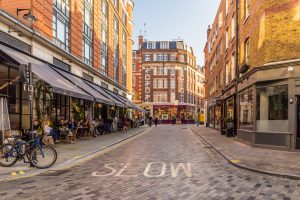
The state of independents in 2026 is also a reflection of local government policy. In areas where local councils have actively invested in public realm improvements and facilitated "pop-up" lease agreements, independent retailers have thrived. In areas where infrastructure remains neglected, the rate of shop closures has continued to outpace the national average.
As the industry looks toward the next fiscal year, the emphasis is shifting from mere survival to sustainable growth. Retailers are increasingly looking at "circular fashion" models—consignment, repair services, and rental options—as a way to diversify revenue streams. This shift toward the circular economy not only aligns with consumer values but also provides a buffer against the volatility of new garment supply chains.
Conclusion: A Resilient Future
The 2026 Drapers investigation paints a picture of a sector that has been forced to mature rapidly. The "independent" of today is a hybrid entity: a sophisticated digital marketer, a master of inventory optimization, and a community leader. While the challenges of 2026 are significant, the data indicates that the independent fashion sector is not disappearing; rather, it is refining itself.
The businesses that succeed in the coming years will be those that continue to balance the human touch—the tactile, personal experience of shopping—with the efficiency of modern technology. As the retail landscape continues to shift, the independent sector remains a vital, albeit high-pressure, component of the global fashion ecosystem. For the resilient retailer, 2026 represents not an end, but a new, more strategic beginning.