








For more than a century, the industrial potential of hemp as a textile fiber has been systematically stifled by heavy legislative frameworks, social stigma, and the meteoric rise of synthetic alternatives. Today, however, production rates are climbing at an unprecedented pace, marking a major turning point for an agricultural commodity once conflated entirely with its psychoactive botanical relative, Cannabis sativa. As global regulatory bodies begin to untangle the historical web of restrictions, hemp is emerging as a formidable, eco-friendly alternative to the energy-intensive and non-biodegradable materials that have long dominated the apparel sector.
The revival of this ancient bast fiber is not merely a nostalgic nod to historical manufacturing techniques; it is a calculated response to the environmental crises currently plaguing the global textile supply chain. Industry analysts and agricultural experts are increasingly turning their attention toward hemp’s low-impact growth cycle, exceptional carbon sequestration capabilities, and remarkable versatility. To understand how hemp went from a heavily criminalized crop to a cornerstone of modern ethical fashion, one must examine its long history, the mechanics of its cultivation, the environmental trade-offs of its processing, and the pioneering brands leading its commercial charge.
A Historical Perspective: From Ancient Sailcloth to 20th-Century Prohibition
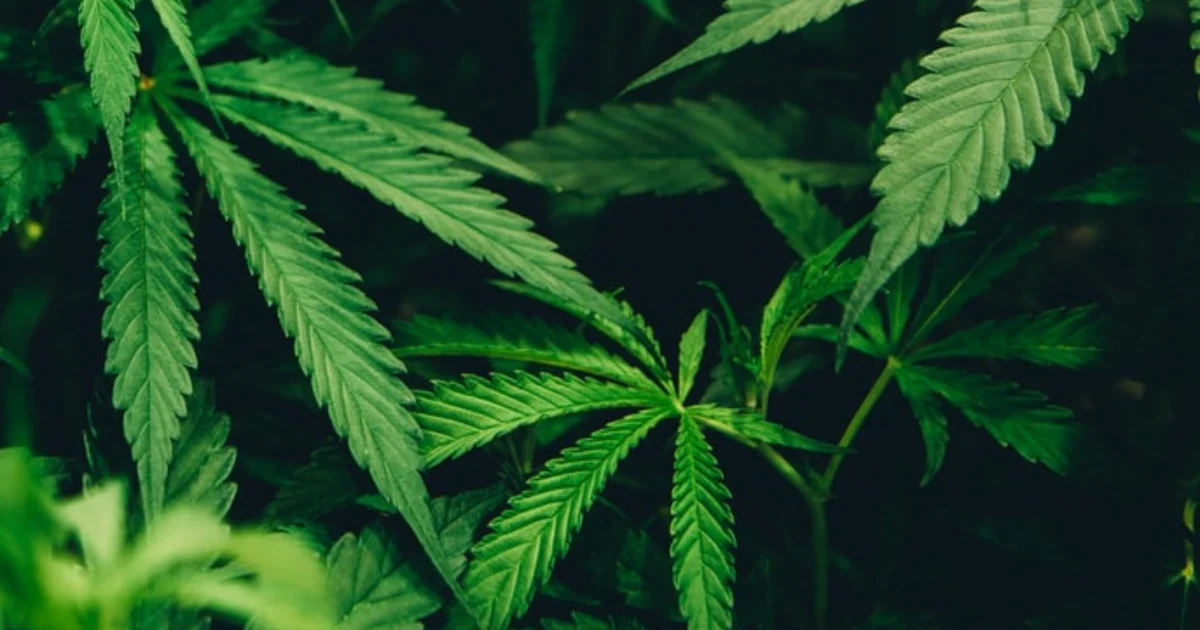
To appreciate the modern resurgence of hemp, one must look back at its deep-rooted history in human civilization. Derived from the stems of the cannabis plant—specifically varieties containing negligible levels of Tetrahydrocannabinol (THC), the psychoactive compound—hemp has been cultivated for millennia across almost every continent. Archaeological and etymological evidence suggests that its fibers were once the backbone of global maritime trade, providing the durable material for ship sails and heavy-duty ropes. In fact, linguists note that the word "canvas" is historically derived from "cannabis."
For centuries, hemp was a staple in papermaking, construction, nutrition, and textiles. Its fiber was widely spun into fabrics ranging from coarse hessian to fine, linen-like weaves. However, the trajectory of the hemp industry shifted dramatically during the 19th and 20th centuries. The widespread mechanization of cotton production, followed swiftly by the invention and mass commercialization of synthetic petroleum-based fibers like nylon and polyester in the mid-1900s, severely undercut the economic viability of natural bast fibers.
Concurrently, political and social shifts in the United States and other Western nations led to the aggressive criminalization of the cannabis plant as a whole. Sweeping anti-drug legislation failed to distinguish between high-THC strains cultivated for recreational or medicinal use and industrial hemp varieties grown strictly for fiber and seed. This regulatory hostility created a chilling effect that halted agricultural research, prevented the modernization of processing machinery, and virtually eradicated industrial hemp farming in the Western world for decades.
Agronomic Advantages: Why Hemp Outperforms Traditional Crops
As the global fashion industry faces mounting pressure to decarbonize, agronomists are championing hemp for its exceptional environmental profile on the farm. Unlike conventional cotton, which famously demands vast quantities of water and heavy applications of chemical pesticides, hemp is an exceptionally hardy and fast-growing plant.
Typically ready for harvest just five to eight months after sowing, hemp grows densely enough to naturally crowd out competing weeds, largely eliminating the need for chemical herbicides. Within weeks of germination, the plant forms a thick canopy over the soil. Combined with its deep, robust root systems, this canopy helps retain soil moisture, prevent erosion, and protect local topsoil integrity. Furthermore, hemp exhibits natural resistance to many common agricultural pests, reducing the reliance on conventional chemical pesticides.
Beyond its minimal input requirements, hemp serves as a powerful tool for ecological regeneration. When integrated into agricultural crop rotation systems, it enhances biodiversity. Because it flowers and produces pollen during months when other staple crops do not, it provides a vital nutritional lifeline for pollinators like bees. Its dense foliage also creates sheltered microhabitats for local wildlife, insects, and ground-nesting birds.
Carbon sequestration is another major environmental asset. According to data from the European Commission, a single hectare of industrial hemp can sequester between 9 and 15 tonnes of carbon dioxide—a rate comparable to that of a young, actively growing forest. These robust ecological credentials explain why agricultural and environmental policymakers are increasingly eager to reintegrate the crop into modern farming landscapes.
From Plant to Product: The Complexities of Processing
While the agricultural phase of hemp production is undeniably low-impact, the journey from raw stalk to finished garment introduces several environmental and logistical hurdles. Hemp is classified as a bast fiber, meaning it is extracted from the outer stem of the plant. The traditional, mechanical process of separating these fibers—known as decortication, retting, cleaning, and combing—can be executed entirely organically without the use of harsh chemicals.
However, mechanical processing can be labor-intensive and expensive. To meet the soaring global demand for softer, more pliable textiles, some manufacturers resort to chemical processing methods. When hemp is treated with intensive chemical solvents to create a semi-synthetic fiber akin to rayon, it is frequently marketed as "hemp viscose." This chemical pathway relies on the same toxic inputs and closed-loop or open-loop chemical treatments associated with conventional man-made cellulosic fibers, raising legitimate concerns among sustainability watchdogs.
Supply chain logistics present an additional challenge. Because decades of prohibition stunted the development of regional infrastructure, local processing mills and specialized decortication machinery are sparse. Consequently, raw hemp is often transported across vast distances to reach the next stage of production. The Textile Exchange, a prominent global non-profit organization dedicated to preferred fibers, notes that the sheer bulk of raw hemp makes this long-distance transportation energy-intensive, underscoring the urgent need to build localized, regional supply chains.
Furthermore, the environmental impact of a hemp garment does not cease once the yarn is spun. Depending on the manufacturer, finished fabrics may undergo chemical dyeing, bleaching, or specialized performance treatments. If executed without strict environmental oversight, these finishing processes can introduce toxic dyes and heavy metals into local waterways, posing risks to both surrounding ecosystems and garment workers.
The Regulatory Turning Point and Market Growth
Despite these processing hurdles, the broader economic and regulatory landscape for hemp is undergoing a profound transformation. Legal frameworks in North America, Europe, and parts of Asia have steadily relaxed, allowing farmers to cultivate industrial hemp under government-issued licenses.
Institutions such as the European Commission and the Alliance for European Flax-Linen and Hemp have actively championed the crop, promoting research, modernizing processing technologies, and advocating for broader industrial adoption. The economic impact of these policy shifts is already measurable. Data from the European Union indicates a staggering 103% increase in hemp fiber production across member states between 2015 and 2024.
Industry analysts point out that while consumer perception historically linked all forms of cannabis strictly to illicit narcotics, educational campaigns spearheaded by environmental organizations and sustainable brands are successfully dismantling this stigma. As supply chains mature and more capital is funneled into agricultural innovation, hemp is transitioning from a niche specialty fabric into a mainstream alternative for denim, jersey, canvas, and knitwear.
Pioneering Brands Championing Hemp in Fashion
For consumers looking to support the transition toward a more sustainable wardrobe, several forward-thinking apparel and accessories brands have made hemp the cornerstone of their collections. By adhering to rigorous ethical standards and prioritizing transparent supply chains, these companies demonstrate that high-performance fashion and ecological responsibility can coexist.
Footwear and accessory label 8000Kicks has carved out a distinct market niche by specializing in footwear crafted from industrial hemp. Motivated by a mission to create durable, highly functional lifestyle products with a minimal environmental footprint, the US-based brand engineers waterproof shoes derived entirely from natural fibers, while actively supporting global tree-planting initiatives.
In Europe, the Italian luxury brand Opera Campi takes a hyper-local approach to sustainability. Founded in 2017, the company produces premium garments using raw materials sourced exclusively within a short radius of its operations. By implementing strict environmental controls throughout its supply chain and committing 4% of its annual profits to social causes, Opera Campi exemplifies how traditional European textiles can be modernized responsibly.
For foundational garments, WAMA Underwear has emerged as an industry pioneer. Recognizing the scarcity of sustainably produced intimates, the company utilizes a high proportion of certified organic cotton and hemp blends. As a PETA-approved vegan brand, WAMA focuses on non-toxic, skin-friendly dyes and ethical manufacturing practices, offering consumers an everyday alternative to conventional synthetic undergarments.
Meanwhile, Canadian apparel giant tentree has integrated hemp into its broader Earth-first business model. Renowned for its pledge to plant ten trees for every item purchased—a initiative that has successfully planted over 65 million trees worldwide—tentree constructs a significant portion of its casual wear using lower-impact materials, including hemp, organic cotton, and recycled synthetics, all produced under fair and safe working conditions.
Conclusion: The Verdict on Hemp Fashion
The verdict from environmental scientists and textile experts is clear: hemp possesses immense potential to transform the fashion industry for the better. As a resilient, fast-growing crop that regenerates soil, sequesters carbon, and requires minimal chemical intervention during cultivation, it stands far above conventional cotton and petroleum-based synthetics in terms of ecological viability.
However, realizing hemp’s full potential requires vigilance. Sustainability does not stop at the farm gate. For hemp to truly deliver on its green promises, manufacturers and brands must enforce strict ethical and environmental best practices across the entire value chain—from mechanical processing and non-toxic dyeing to fair labor conditions during garment assembly. As regulatory hurdles continue to recede and consumer demand for transparent supply chains grows, hemp is poised to reclaim its historical prominence, proving that the future of fashion may very well lie in its ancient roots.