







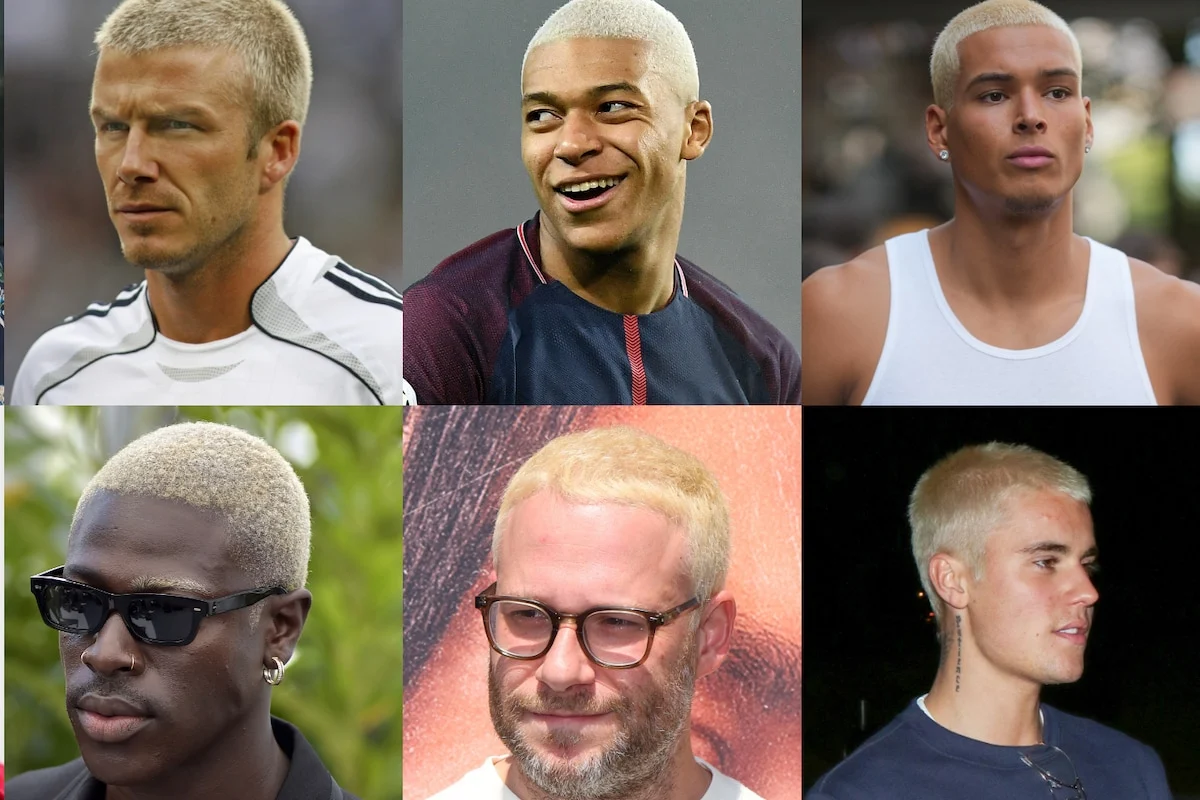
The modern fascination with the bleached buzzcut occupies a distinct space at the intersection of fashion, gender expression, and digital culture. What often begins as an impulsive late-night discussion or a morning-after scrolling session on dating applications reflects a broader socio-cultural shift in how contemporary men approach personal presentation. While trends in men’s grooming frequently fluctuate, the platinum blonde, closely cropped hairstyle has maintained a remarkable staying power, transitioning from a countercultural statement to a mainstream symbol of calculated non-conformity.
A Chronological Evolution: From Ancient Warriors to Mainstream Fashion
The history of the bleached buzzcut is deeply rooted in utility, rebellion, and technological advancement in hair-coloring products. Historically, the close crop served a purely functional purpose. According to hair historian Rachael Gibson, the buzzcut was traditionally utilized within military institutions and other highly regulated environments to enforce uniformity, hygiene, and discipline among large groups of individuals.
Deliberately lightening hair, however, dates back centuries. Early historical accounts note that ancient Gallic warriors bleached their hair using lime water to create a striking, intimidating appearance on the battlefield. This tactical use of hair alteration to project fear eventually dissolved as styles shifted toward more traditional standards of grooming in subsequent centuries.
The mid-to-late 20th century witnessed the resurrection of the closely cropped head within distinct subcultures. By the 1970s, the buzzcut became closely associated with skinhead and punk countercultures. Within the punk movement, the style was intentionally non-conformist and aggressive, serving as a visual rejection of conventional middle-class aesthetics.
The transition of the bleached buzzcut from underground subculture to mainstream fashion accelerated significantly during the early 1990s. NBA star Dennis Rodman became one of the most prominent early adopters of the look. While Rodman’s stylistic choices were often interpreted as a nod to futuristic sci-fi aesthetics—such as Wesley Snipes’ character in the 1993 film Demolition Man—the athlete cemented the style as a defiant expression of individuality and a challenge to rigid gender norms.
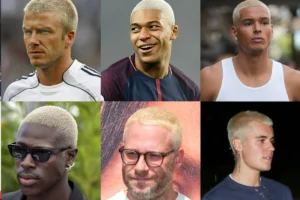
As the decades progressed, the look was adopted by a wave of skate-punk enthusiasts, musicians, and athletes, including Eminem and David Beckham. By the 2000s and 2010s, the style had firmly entered the repertoire of global celebrities, with figures such as Zayn Malik, Justin Bieber, Seth Rogen, and Carlos Alcaraz experimenting with the look.
Digital Metrics and Contemporary Cultural Resonance
The modern resurgence of the bleached buzzcut is heavily amplified by digital platforms, where visual trends cycle rapidly. In 2022, the hashtag #bleachbuzzcut accumulated approximately 15.6 billion views on TikTok, demonstrating the immense digital appetite for the aesthetic.
The trend continues to find traction through contemporary media and cultural figures. Recent high-profile iterations include Connor Storrie’s transformation for the filming of Heated Rivalry season two, hair changes by athletes Erling Haaland and musician Nettspend, and model and streamer Marlon Lundgren Garcia being featured as "The Face" in Vanity Fair’s September 2026 "State of American Style" portfolio.
Hair colorist David Stanko noted in a 2017 interview that while chemical treatments are often viewed as passing trends for women, the decision to buzz and bleach hair functions as a distinct rite of passage or bucket-list milestone for modern men.
Psychological and Sociological Implications
The enduring appeal of the bleached buzzcut lies in the complex psychological signals it sends regarding confidence, vulnerability, and identity. Grooming experts and cultural commentators suggest that the hairstyle requires a high degree of self-assurance. Because a buzzcut eliminates hair as a tool for framing the face or concealing perceived flaws, it forces total exposure.
Meecham Whitson Meriweather, author of the Substack newsletter Now That I Mention It, observes that the look is less about the hair itself and more about the act of stripping everything away. It projects a sense of pure vulnerability and confidence, operating on the premise that what you see is what you get.
Furthermore, sociologists and cultural analysts note that the bleached buzzcut serves as a subtle rejection of hegemonic masculinity. By engaging with a high-maintenance cosmetic process traditionally associated with femininity or pop-culture vanity, men who adopt the style signal a comfort with androgyny and creative self-expression. Student and cultural observers have noted that this aesthetic represents a shift toward a new form of masculinity—one where men are secure enough in their identity to engage in playful, unconventional grooming.
The Performative Male and the Allure of Curation
The rise of the bleached buzzcut also aligns with broader discussions surrounding modern identity curation. Author and branding specialist Kian Bakhtiari has frequently discussed the emergence of the "performative male," characterized by a transition from straightforward self-expression to deliberate self-curation among Gen Z.
The bleached buzzcut sits precisely at this intersection. While it conveys individual autonomy, it also projects a specific, cultivated persona—often associated with artistry, intellectualism, and progressive social values. It communicates to observers that the wearer is intentional about their image and consciously separates himself from traditional, conventional aesthetics.
For dating audiences, the look frequently functions as a collection of perceived positive traits. Rather than carrying the negative connotations of past countercultural movements, the modern bleached buzzcut is frequently interpreted as a marker of empathy, creativity, and emotional availability. It bridges the gap between outgoing confidence and modern sensitivity, cementing its status as a defining cultural artifact of contemporary style.