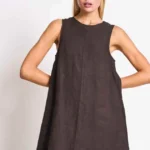







Global fashion powerhouse Zara, a flagship brand under the Inditex group, has officially launched its latest collaborative venture, partnering with the heritage American apparel brand Fruit of the Loom. This new collection, which spans across women’s, men’s, and kidswear categories, marks a strategic alignment between Zara’s trend-responsive high-street model and Fruit of the Loom’s long-standing reputation for manufacturing comfortable, essential, and accessible basics. The collaboration arrives as part of a wider industry shift where high-fashion retailers are increasingly looking to leverage the nostalgia and authentic "everyday" status of legacy brands to engage a younger, digitally native consumer base.
The Strategic Significance of Heritage Collaborations
For decades, Fruit of the Loom has served as a cornerstone of the global casual wear market. Founded in 1851, the brand has historically focused on functional undergarments and basic t-shirts. By partnering with Zara—a company renowned for its rapid supply chain and ability to pivot fashion trends in a matter of weeks—Fruit of the Loom is effectively transitioning from a utility-focused label to a fashion-forward participant in the lifestyle sector.
For Zara, this collaboration is not merely about aesthetic appeal; it is a calculated effort to reinforce its "elevated basics" strategy. In an era where consumers are increasingly prioritizing longevity and wearability, the association with a brand known for durability allows Zara to position its collections as both stylish and reliable. This move aligns with Inditex’s broader goal of diversifying its portfolio through high-profile partnerships that balance trend-driven fast fashion with the established trust of heritage labels.
Chronology of the Zara and Fruit of the Loom Partnership
The journey toward this collaboration did not happen in a vacuum. The retail landscape has been trending toward such mergers for several years, following the successful implementation of similar models by other major players.
- Early 2025: Initial discussions between Inditex’s creative leadership and Fruit of the Loom’s parent company regarding a potential capsule collection aimed at revitalizing the latter’s presence in the European and Asian markets.
- Q2 2026: Design and development phases commenced, with Zara’s design teams in A Coruña working closely with Fruit of the Loom’s technical experts to ensure the production of garments that maintained the signature comfort of the heritage brand while incorporating Zara’s contemporary silhouettes.
- August 2026: Teaser campaigns began appearing across social media platforms, utilizing minimalist imagery that highlighted the iconic Fruit of the Loom logo in a modern, high-fashion context.
- September 11, 2026: Official global release of the collection across Zara’s digital platforms and flagship retail locations worldwide.
Market Data and Consumer Behavior Trends
The collaboration arrives during a period of volatility in the global apparel market. According to recent retail data, consumers are showing a marked preference for "recession-resilient" fashion—garments that offer versatility across multiple seasons and settings.
Recent industry reports indicate that collaborative collections typically see a 15% to 20% increase in average order value compared to standard seasonal lines. For Zara, which has historically relied on its internal design teams, this pivot toward external collaborations represents a diversification of its growth strategy. By tapping into the established brand loyalty of Fruit of the Loom, Zara aims to capture a demographic that values the intersection of comfort and prestige.
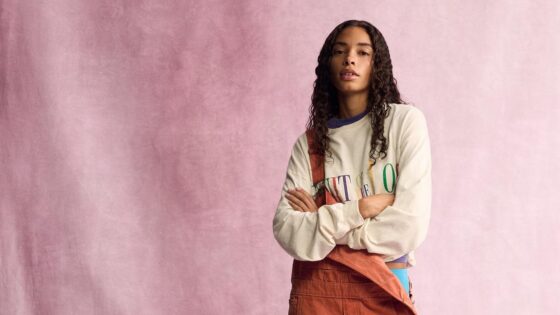
Furthermore, the kidswear portion of the collection is particularly significant. Data from the global retail market suggests that parents are increasingly opting for "mini-me" styles, where children’s apparel mirrors adult fashion. By launching a simultaneous kidswear line, Zara ensures that it maximizes the appeal of the collaboration across different family segments, effectively increasing its market penetration.
Analysis of the Design Philosophy
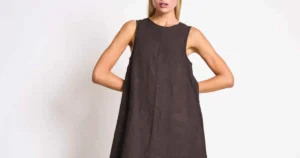
The aesthetic of the Zara x Fruit of the Loom collection leans heavily into "elevated athleisure." The pieces feature a color palette dominated by neutral tones—whites, greys, and navy—punctuated by the classic, vibrant fruit logo that has become synonymous with the American label.
Designers involved in the project have prioritized tactile quality. The use of high-grade cotton blends, characteristic of Fruit of the Loom’s historical manufacturing standards, has been integrated into oversized hoodies, structured t-shirts, and relaxed-fit trousers. This focus on material quality is a clear response to consumer demand for sustainable and long-lasting garments. Zara’s ability to manufacture these items at scale while maintaining a competitive price point serves as a testament to the efficiency of its global logistics network.
Official Perspectives and Industry Reception
While specific financial terms of the agreement have not been disclosed, analysts suggest the partnership is a win-win for both parties. Industry observers have noted that while Fruit of the Loom gains significant brand equity and a revitalized image among younger generations, Zara benefits from the "heritage halo" that accompanies a brand with over 170 years of history.
"This partnership represents a maturation of the collaboration model," noted one retail strategist. "We are moving away from the ‘hype-driven’ drops that defined the early 2020s and toward collaborations that emphasize utility, comfort, and the longevity of basic staples. Zara is essentially buying into the history of Fruit of the Loom to add weight to their own brand narrative."
From an internal perspective, the collaboration reflects Inditex’s ongoing commitment to innovation. By integrating third-party expertise, the retailer is diversifying its creative output and ensuring that its storefronts remain relevant in an increasingly crowded e-commerce environment.
The Broader Implications for Global Retail
The launch of this collection serves as a bellwether for the future of the fast-fashion industry. As consumer scrutiny regarding environmental impact and garment lifecycle increases, companies like Zara are forced to reconsider their business models. By partnering with legacy brands that emphasize durability, Zara is indirectly signaling a move toward higher-quality manufacturing standards.
The success of this launch will likely be measured not only by immediate sell-through rates but by the long-term impact on brand perception. If the collection resonates, it is expected that Inditex will continue to pursue similar partnerships, potentially looking toward other iconic brands in the sportswear, utility, and heritage sectors.
Moreover, the digital-first approach to the launch—highlighting the online availability and the ease of access via the Zara mobile app—underscores the company’s focus on its omnichannel strategy. With the retail sector becoming increasingly digital-native, the ability to create hype online and fulfill orders rapidly is the key differentiator for success.
Future Outlook and Sustainability Concerns
Looking ahead, the collaboration also highlights the ongoing debate surrounding fast fashion’s environmental footprint. While the partnership promotes the longevity of basics, critics argue that the sheer volume of production remains a point of contention. Zara has responded to such concerns by emphasizing its ongoing investments in sustainable sourcing and the use of organic cotton in its basic ranges. The Fruit of the Loom collaboration is expected to adhere to these internal standards, though transparency remains a critical metric for the modern, conscious consumer.
As the retail industry continues to navigate the complexities of global supply chains and shifting consumer preferences, the Zara x Fruit of the Loom collaboration stands as a sophisticated example of brand evolution. It is a fusion of the old and the new, the functional and the fashionable, and the local and the global. Whether this partnership sets a new standard for the industry remains to be seen, but it is clear that for the remainder of 2026, the intersection of heritage and high-street fashion will be a primary focal point for market watchers and style enthusiasts alike.
With the collection now available in stores and online, the market will closely monitor consumer reaction to the price points and the quality of the collaborative garments. If the initial interest is any indication, the Zara x Fruit of the Loom collection is poised to become a staple of the autumn wardrobe, bridging the gap between utilitarian comfort and contemporary style.