





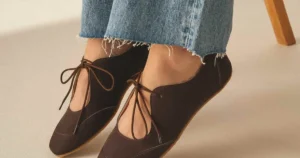

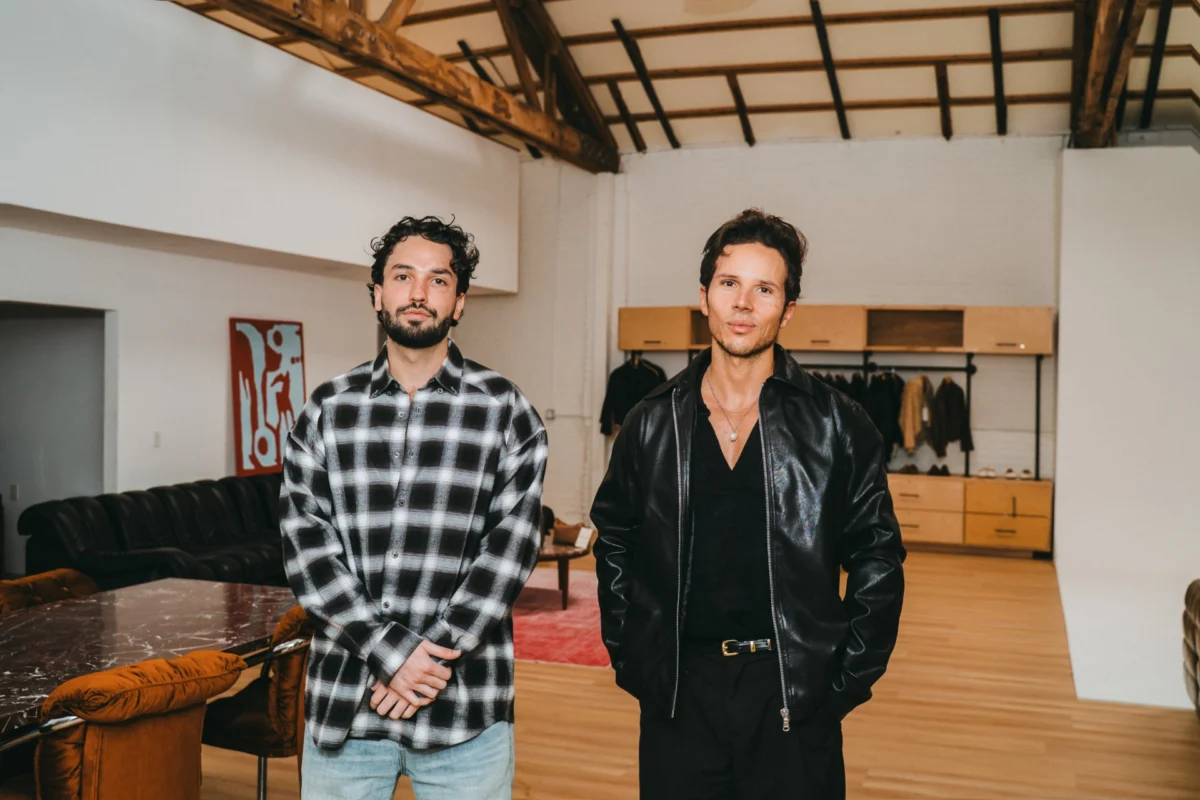
The modern retail landscape is undergoing a profound transformation driven by shifting consumer sentiment, technological advancement, and widespread economic pressures. Atorie, an emerging fashion startup aiming to bridge the gap between high-end manufacturing and everyday affordability, announced Thursday that it has successfully closed a $9.5 million seed funding round. The investment was backed by notable firms and prominent figures, including a16z Speedrun, Night Capital, and Lightspeed Ventures partner Jeremy Liew.
This fresh capital injection positions Atorie to scale its logistics operations, expand its proprietary artificial intelligence tools, and broaden its manufacturing partnerships. As consumers increasingly reject the astronomical markups of legacy luxury houses and grow weary of the environmental degradation associated with low-quality fast fashion, Atorie is carving out a distinct middle ground. By leveraging direct-to-consumer digital channels and advanced predictive analytics, the company seeks to offer premium craftsmanship—utilizing the exact same materials, techniques, and factories as luxury conglomerates—at a fraction of the cost.
The Genesis of Atorie and the Evolution of Luxury Manufacturing
The groundwork for Atorie was laid by co-founder and serial entrepreneur Redouane Ramdani, whose previous venture, the creator platform Snipfeed, was successfully acquired in 2024. Growing up in France immersed in a family connected to the luxury manufacturing sector, Ramdani retained a lifelong appreciation for fine craftsmanship. However, when he turned his attention back to the apparel industry following the sale of Snipfeed, he observed a radically altered industrial ecosystem.
Historically, the luxury fashion supply chain operated under a rigid, top-down model. Renowned design houses would formulate specifications, source proprietary materials, and contract independent factories to produce garments and accessories in bulk. This traditional framework placed immense financial strain on manufacturing facilities. Brands demanded high minimum order quantities to achieve economies of scale, frequently resulting in massive inventory overproduction. Furthermore, these factories were typically bound to a concentrated handful of major corporate clients. If a flagship brand abruptly canceled an order or if seasonal sales underperformed, the manufacturing partners bore the brunt of the financial and inventory risks.
In recent years, however, a structural shift has taken place. Leading high-end factories have begun cultivating their own independent design and product-development capabilities. Rather than acting strictly as passive execution arms for legacy brands, these facilities are now equipped to conceptualize trends, iterate rapidly, and execute smaller, more agile production batches. This evolution allowed Ramdani and co-founder Luis Angulo to conceptualize a direct-to-consumer model that bypasses traditional brand intermediaries entirely, connecting top-tier ateliers directly with the end buyer.
Disrupting the Fashion Paradigm: Beyond Fast Fashion and Luxury Markups
Atorie’s market entry coincides with a turbulent period for the global luxury sector. In the wake of the COVID-19 pandemic, prominent luxury labels instituted aggressive, swift price hikes to protect profit margins amidst rising inflation and supply chain costs. These persistent increases alienated core consumer demographics, particularly younger shoppers who have historically fueled luxury growth through aspirational purchases.
Concurrently, mainstream digital culture gave rise to "dupe culture," wherein consumers seek out cheaper, near-identical replications of high-end goods. For Gen Z and millennial shoppers, acquiring these alternatives has transcended mere budget-conscious shopping to become a form of counter-cultural status signaling.
However, Ramdani is careful to distinguish Atorie’s catalog from conventional counterfeit goods or standard fast-fashion items. The startup does not produce knockoffs; rather, it delivers authentic luxury goods without the traditional brand tax. An Italian leather handbag purchased through Atorie retails for a few hundred dollars—comparable in material quality and structural integrity to products sold by houses like Prada or Louis Vuitton for several thousand dollars.
"It’s the same material, same craftsmanship," Ramdani explained. "It’s coming from the same factories."
Moreover, Ramdani explicitly rejects the fast-fashion label, categorizing Atorie’s operational model as a deliberate, slower approach to consumption. By focusing on durable, well-made garments that tap into current trends without encouraging throwaway consumerism, the startup aligns itself more closely with successful direct-to-consumer predecessors like Quince, while maintaining a distinct technological edge.

Artificial Intelligence as the Backbone of Modern Supply Chains and Retail
Technology plays a critical role in mitigating the traditional inefficiencies that have long plagued the apparel industry. Atorie utilizes artificial intelligence across multiple operational tiers, ranging from internal supply chain forecasting to the consumer-facing shopping interface.
On the manufacturing side, AI algorithms ingest vast sets of retail data and market trends to accurately predict consumer demand. By identifying which items are likely to sell out before large-scale commitments are made, the technology enables factories to optimize production runs, drastically curtail overproduction, and diversify their client portfolios beyond a handful of dominant luxury houses. Additionally, machine learning models are employed to monitor raw material availability, predicting potential shortages so that partner factories can secure supplies proactively.
The consumer experience is similarly shaped by proprietary AI architecture. Atorie’s website features a dedicated AI agent capable of curating customized outfits based on diverse stylistic inputs, imagery, or cultural references provided by the user. Over time, the platform analyzes individual purchasing habits and stylistic preferences to deliver highly personalized product recommendations.
Significantly, the company is already capitalizing on the broader industry shift toward conversational commerce. Atorie has reported a measurable increase in sale referrals originating from mainstream generative AI platforms such as OpenAI’s ChatGPT and Anthropic’s Claude, signaling that modern discovery channels are increasingly bypassing traditional search engines.
Rapid Commercial Growth and Strategic Expansion Plans
Atorie’s innovative operational model has translated into rapid financial expansion. The company concluded the previous fiscal year with approximately $5 million in total sales. Driven by surging consumer demand and broader adoption of its digital platform, Atorie is on track to achieve an annualized revenue run rate exceeding $55 million by the close of the current year. Currently, the startup collaborates with an expansive network of over 40 manufacturing facilities distributed globally.
With the secure backing of its $9.5 million seed round, Atorie leadership has outlined an aggressive growth roadmap. A primary allocation of the fresh capital will be directed toward scaling international logistics infrastructure, refining existing AI software tools, and stabilizing production capacities to meet accelerating demand.
Beyond its core offerings, Atorie plans to introduce an in-house private-label line, comparable in retail concept to Amazon Essentials, designed to capture everyday apparel essentials at ultra-accessible price points. Furthermore, the startup intends to leverage its manufacturing network to collaborate with digital creators and social media influencers, enabling them to design, manufacture, and launch their own independent clothing lines with unprecedented speed and efficiency.
Broader Market Implications and Future Outlook
The rise of AI-driven, direct-to-consumer luxury manufacturing represents a significant threat to traditional retail conglomerates. For decades, legacy brands commanded exorbitant profit margins primarily on the strength of their marketing pedigree and exclusive control over distribution channels. However, as consumers become increasingly discerning and economically pragmatic, the veil separating brand marketing from actual manufacturing cost is lifting.
By proving that high-end craftsmanship can be decoupled from legacy brand inflation, companies like Atorie are redefining baseline consumer expectations. If Atorie successfully executes its vision to become a high-quality, ethically sustainable alternative to fast-fashion giants like Zara, it could catalyze a broader structural reevaluation across the entire global fashion industry, compelling both traditional luxury houses and mass-market retailers to reconsider their pricing architectures and supply chain dependencies.