








The transition from formal suiting to relaxed, everyday wear for men represents a significant cultural and sartorial shift. While suits once dominated the professional and social landscape, a growing preference for comfort, individuality, and evolving workplace norms has propelled casual attire to the forefront of men’s fashion. This evolution, however, presents its own set of challenges: navigating a landscape with fewer prescriptive rules and understanding how to curate a stylish, functional casual wardrobe.
The allure of a well-tailored suit is undeniable. With the investment in quality fabric and the expertise of a skilled tailor, achieving a flattering silhouette is almost guaranteed. The process is straightforward: a financial outlay, trust in professional guidance, and the simple act of tying a tie. This structured approach offers a distinct contrast to the complexities of casual dressing. Unlike the self-contained nature of a suit, casual wear demands a more deliberate and personal approach to mixing and matching diverse garments, with no sartorial safety net to rely on.
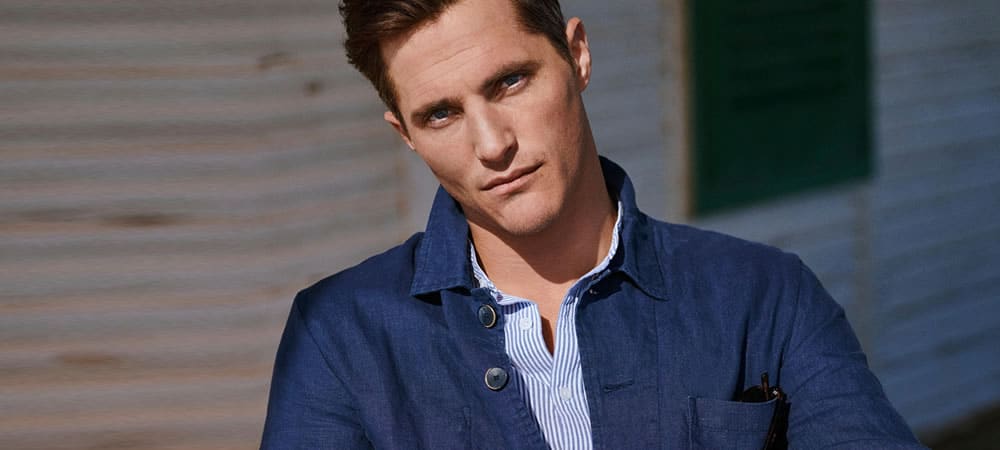
The decline in suit-wearing is a quantifiable trend. Recent surveys indicate that only about one in ten individuals now don a suit for their daily work, a stark decrease from previous decades. This shift has naturally led to men allocating more time and financial resources to their casual clothing. The market for business casual and smart casual attire has expanded, but the fundamental question remains: how does one dress well when traditional dress codes are absent?
A Look Back: The Genesis of Casual Style
The roots of modern casual menswear can be traced back to the vibrant and transformative decade of the 1950s. Emerging from the austerity of World War II, a new generation, particularly teenagers in the UK and America, sought an aesthetic that diverged sharply from the conformity and perceived stuffiness of post-war society. The era’s cultural zeitgeist favored a spirit of freedom and rebellion, directly influencing fashion. Suits and rigid formalwear were cast aside in favor of denim, a symbol of liberation, and the electrifying energy of rock ‘n’ roll.
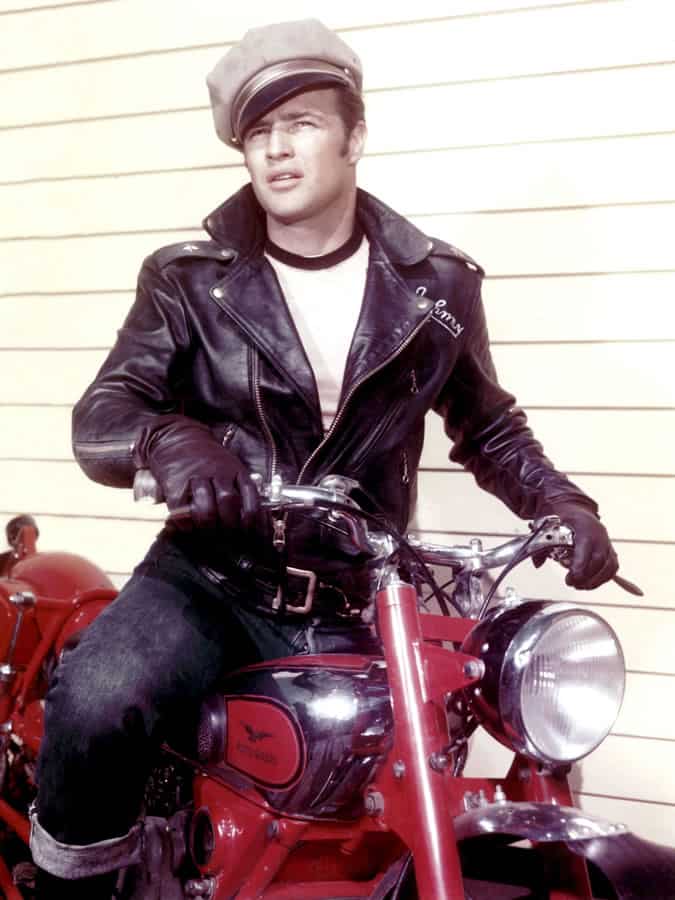
Iconic films like "Rebel Without a Cause" and "The Wild One" played a pivotal role in popularizing this new sartorial rebellion. Musical icons such as Elvis Presley and Little Richard further amplified this youth-driven movement, embodying the excitement and passion that replaced the era’s previous constraints. The quintessential uniform of this anti-establishment sentiment—jeans, a T-shirt, and a leather jacket—perfectly encapsulated this burgeoning spirit of individuality.
Denim, in particular, has emerged as the most enduring legacy of this period. Though initially conceived as durable workwear for gold miners in the late 19th and early 20th centuries, jeans were re-imagined in the 1950s as the cornerstone of casual, anti-conformist dress. Their influence has been pervasive across subsequent decades, adapting to prevailing trends: from the bleached and flared styles of the 1970s to the high-waisted silhouettes of the 1980s, the acid-washed aesthetics of the 1990s, and the form-fitting cuts of the 2000s.
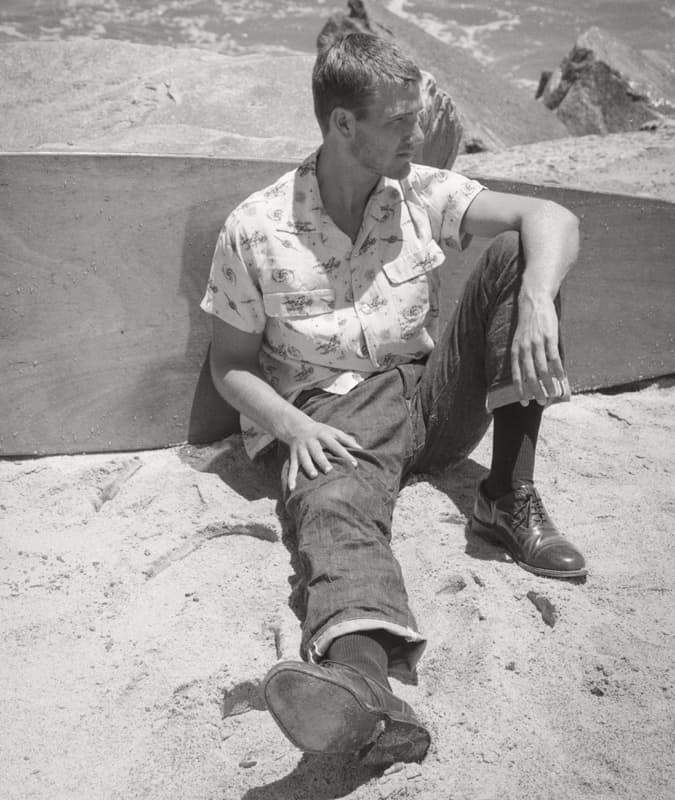
Jonathan Cheung, Senior Vice President of Design at Levi’s, highlights the cultural adoption of denim: "This happened because it was adopted by biker gangs post World War II – young guys, back from the war who started wearing Levi’s as part of biker culture. This spirit of freedom and rebellion spread to the beginnings of rock ‘n’ roll with Eddie Cochran and didn’t go unnoticed by Hollywood – and Marlon Brando in particular." The enduring appeal of denim is reflected in market projections, with global sales predicted to increase by 8.40% by 2021, underscoring its continued relevance. For those seeking a starting point for their casual wardrobe, the archetypal looks of icons like James Dean and Marlon Brando offer timeless inspiration.
Defining Casual Dress in the Modern Era
In today’s fashion landscape, the concept of "casual dress" for men is characterized by a remarkable lack of rigid rules. The freedom to wear virtually anything can be perceived as liberating, yet it also presents a paradox: the absence of clear guidelines can lead to a sense of aimlessness. Many men opt for a de facto uniform, often observed in social settings like pubs on a Saturday night, where a sea of individuals sports similar combinations of jeans and untucked shirts. While this is perfectly acceptable, achieving a distinctive look within the casual realm requires a more considered effort.
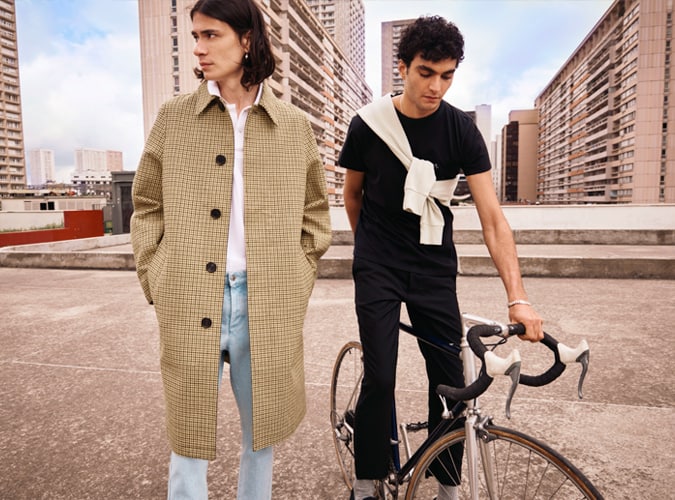
The definition of casual dress is also a moving target, influenced by the significant financial investments made by fashion brands in the casualwear market. As the suit’s prominence waned, luxury houses like Gucci, Dior, and Louis Vuitton, with centuries of combined history in formal tailoring, have increasingly embraced and adapted to the highly lucrative streetwear market. This strategic pivot has transformed them into influential "hype" brands.
Historically, these luxury brands largely adhered to traditional tailoring in their menswear collections. However, recent years have seen a dramatic expansion of their offerings, encompassing everything from expensive sliders to highly sought-after monogrammed hoodies. The industry has witnessed the rise of avant-garde pieces and collaborations that push the boundaries of casual fashion, sometimes to extreme and seemingly exorbitant levels. The question arises: is it possible to achieve effortless casual style without succumbing to these excesses? The answer is a resounding yes.
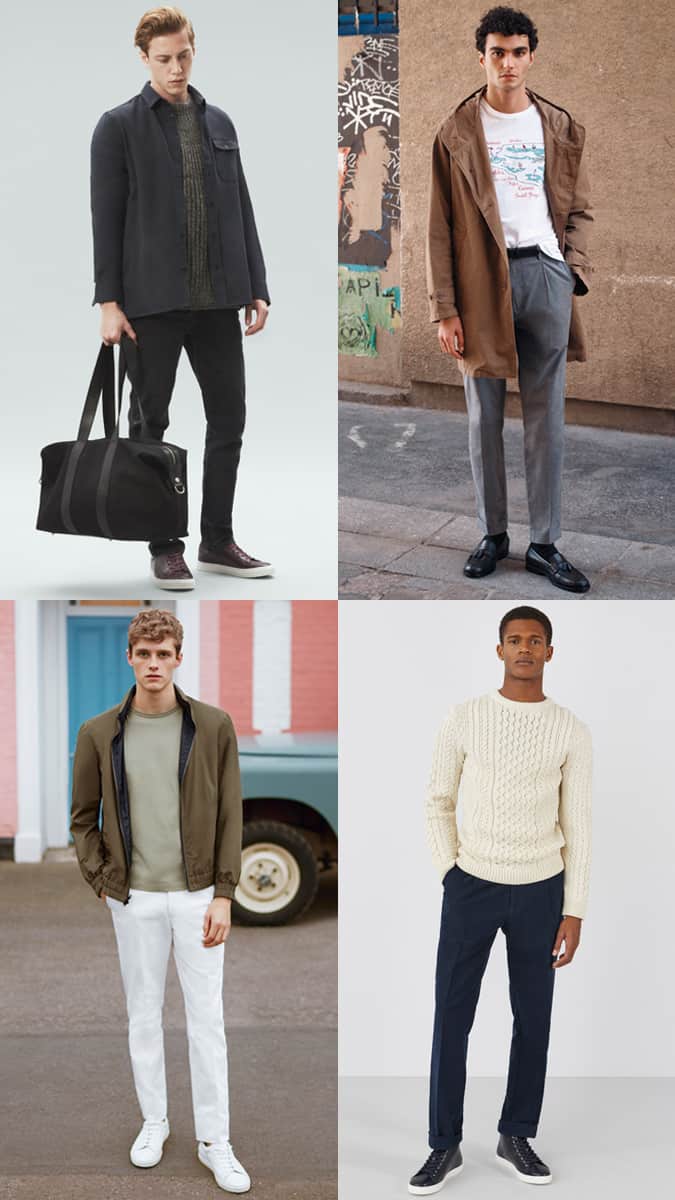
The inherent beauty of casual clothing lies in its accessibility. Unlike formal tailoring, where achieving a high-quality look often necessitates a substantial financial commitment, one can curate a stylish casual wardrobe on a considerably smaller budget. The following guidelines offer a framework for building a strong casual foundation, emphasizing that these are suggestions rather than immutable laws, intended to provide inspiration for developing personal casual style.
The Six Pillars of Exceptional Casual Dressing
-
Prioritize Fit Above All Else: Just as with tailoring, the fit of casual garments is paramount. However, the objective is not always to achieve a tailored appearance. The ideal fit is contingent upon the desired aesthetic and an individual’s body type. While traditionalists often advocate for a slim, but not restrictive, fit, recent seasons have seen a pronounced shift towards looser, more relaxed silhouettes. Boxy shirts, oversized outerwear, and wide-legged trousers have gained significant traction among designers and fashion-forward consumers. Nevertheless, the argument for well-fitting, slimmer clothing that accentuates the wearer’s physique remains valid. Ultimately, fit is the most critical element of any garment and should be the primary consideration.
-
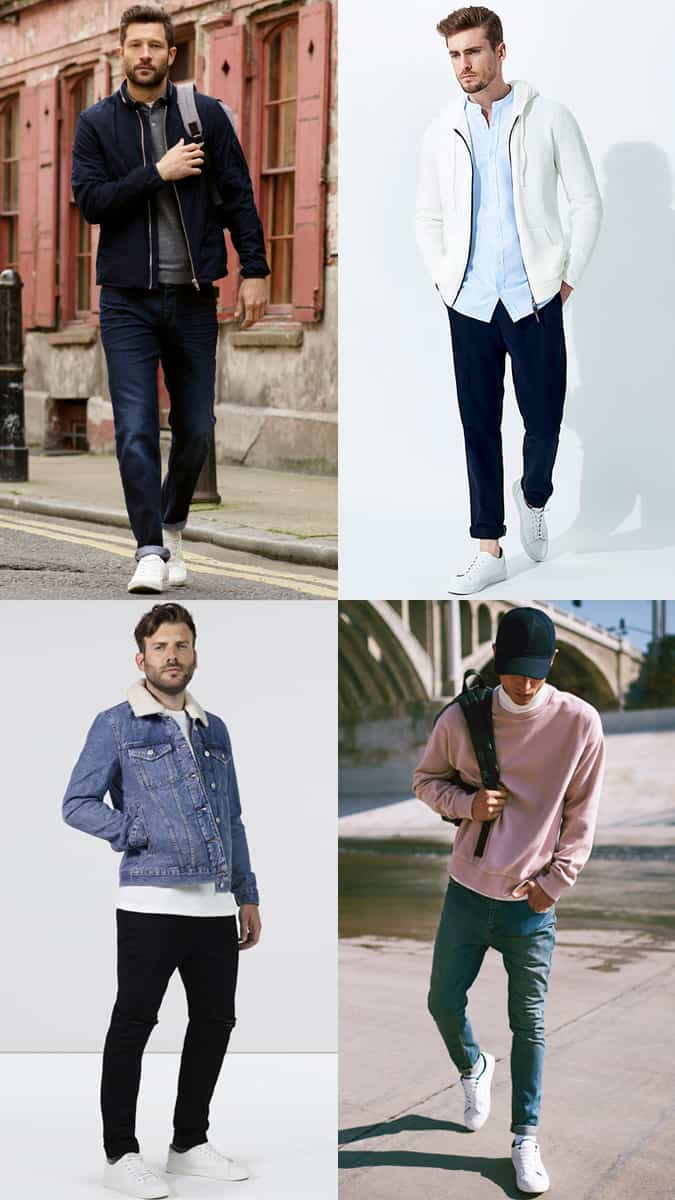
Embrace Comfort and Confidence: Investing in the latest streetwear trends is ultimately futile if the garments do not translate into a feeling of comfort and confidence. Wearing what feels authentic and right is crucial, as self-consciousness will invariably undermine even the most expensive ensemble. Personal comfort is the bedrock of effective casual style.
-
Champion Simplicity and Understatement: While bold logos and oversized statement pieces have enjoyed periods of trend dominance, simple, pared-back clothing possesses an enduring coolness. By eschewing fleeting trends and focusing on straightforward, well-made garments, one can achieve an effortlessly stylish casual look. Brands such as A.P.C., AMI, and Whistles offer excellent examples of this aesthetic, while high-street retailers like COS and Arket provide accessible options for well-crafted, unfussy clothing.
-
Master the Art of Detail: The archetypal casual ensemble of a denim jean and T-shirt combination can be styled in a multitude of ways. The manner in which the T-shirt is tucked (or not tucked), the way sleeves are rolled, the choice between slim or relaxed-fit jeans, and whether to pinroll the cuffs—these subtle variations can significantly impact the overall look. Paying attention to these details is key to elevating a basic outfit.
-
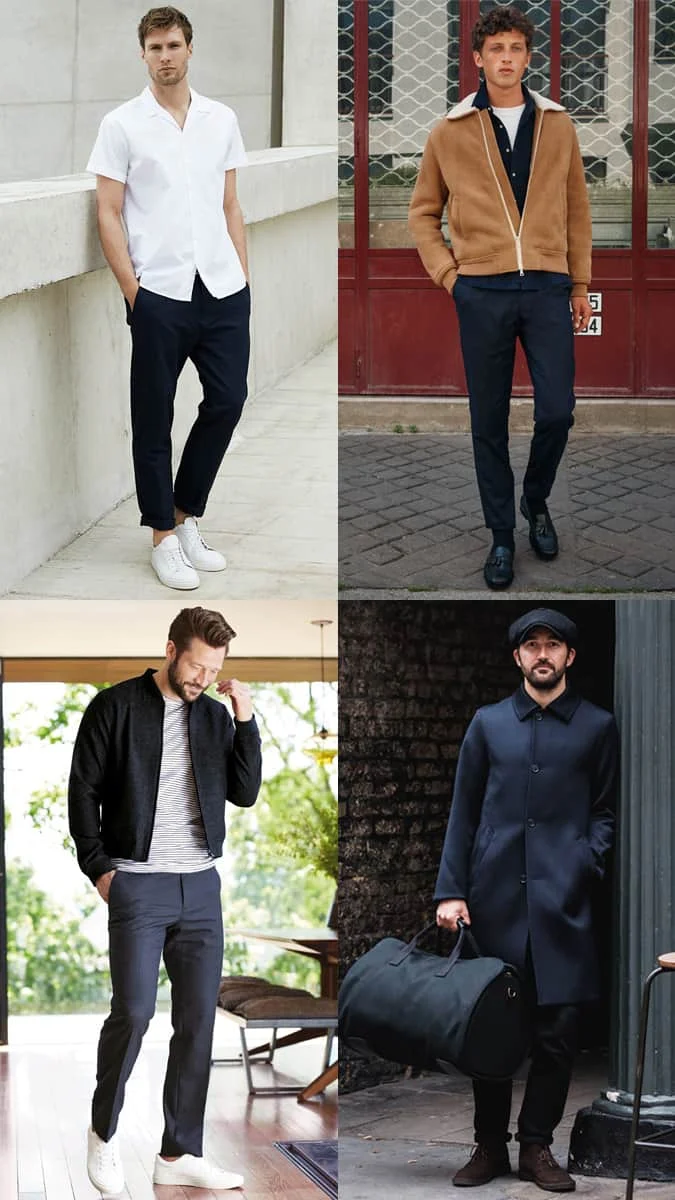
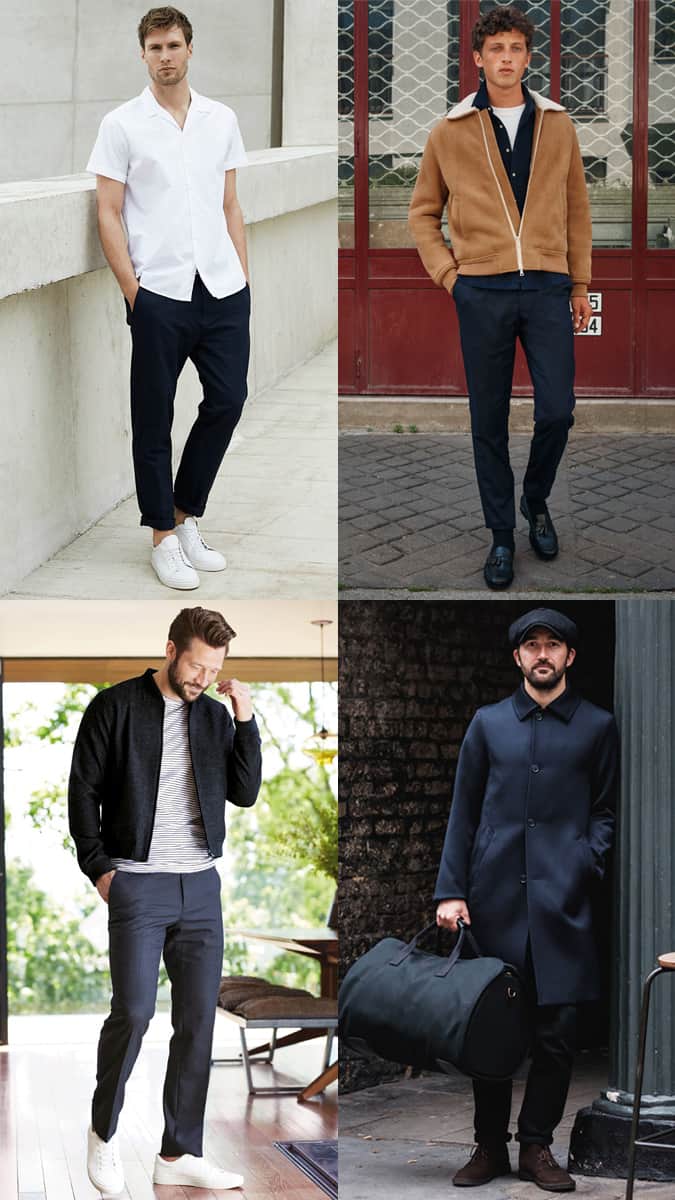
Cultivate a Personal Uniform: The concept of a "uniform" may initially sound restrictive, but for many, it represents an effective strategy for simplification and refinement. Establishing a consistent and effortless way of dressing can streamline the morning routine, freeing up time for other pursuits. This can manifest as a rotation of go-to pieces, such as navy trousers, crisp white Oxford shirts, and white sneakers, or a preference for a specific color palette, like an all-black ensemble of black jeans and a leather jacket. The enduring style of celebrities like Jeff Goldblum, often characterized by his consistent use of a leather jacket, exemplifies this approach.
-
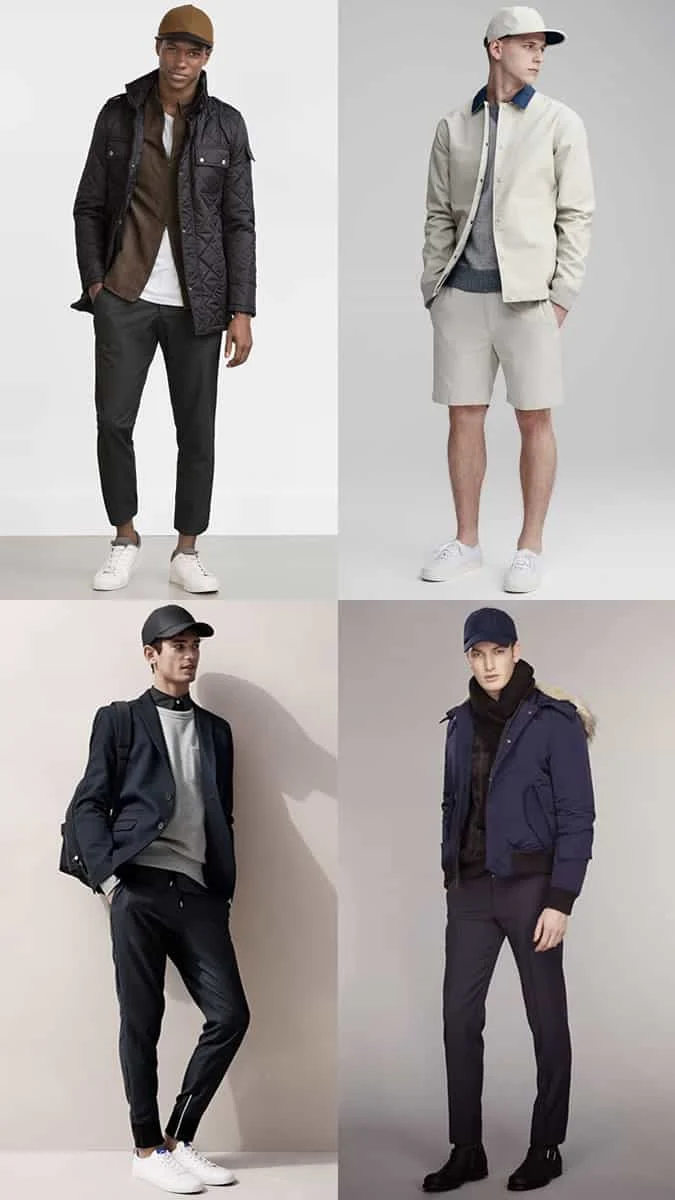
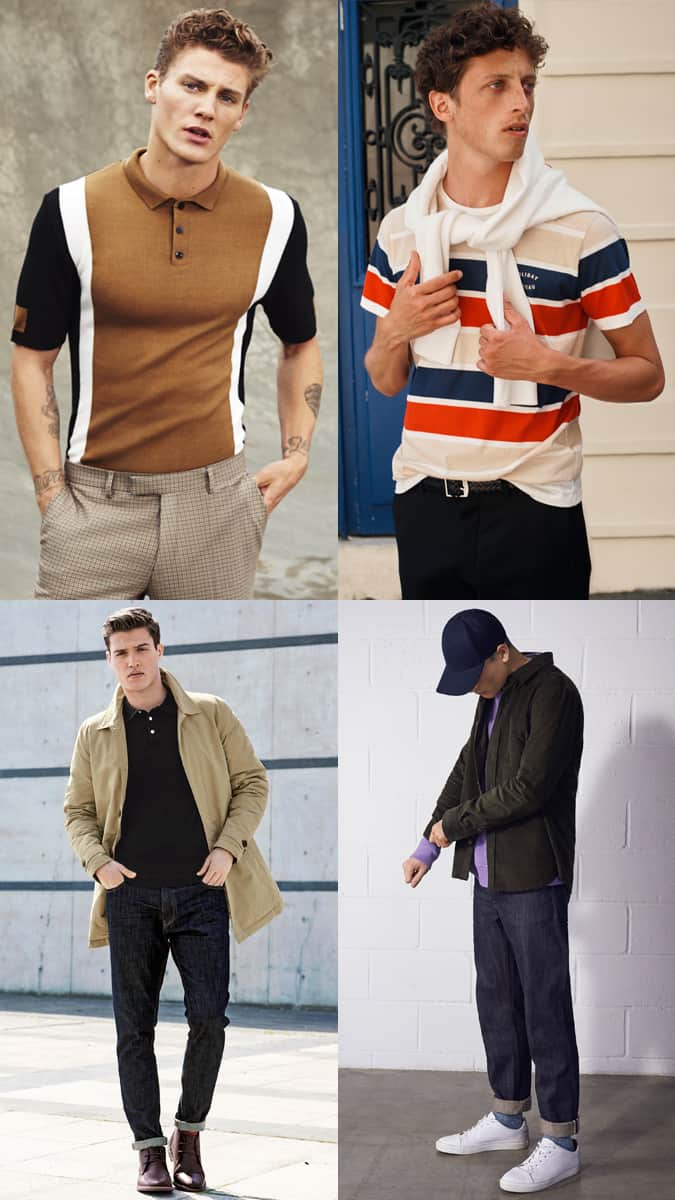
Integrate Trends Thoughtfully: The casual style landscape is heavily influenced by trends, spanning both high-street and high-end markets. While it’s beneficial to acknowledge these trends, it’s crucial to avoid being completely dictated by them, as trends are inherently ephemeral. To future-proof one’s wardrobe, it is advisable to selectively incorporate trend-driven pieces and invest more heavily in timeless items. For instance, a classic bomber jacket offers longevity, whereas a fleeting novelty item might quickly fall out of favor. A sensible approach involves utilizing only one trend-driven item per outfit, such as a logo baseball cap, while keeping the rest of the ensemble classic and enduring.
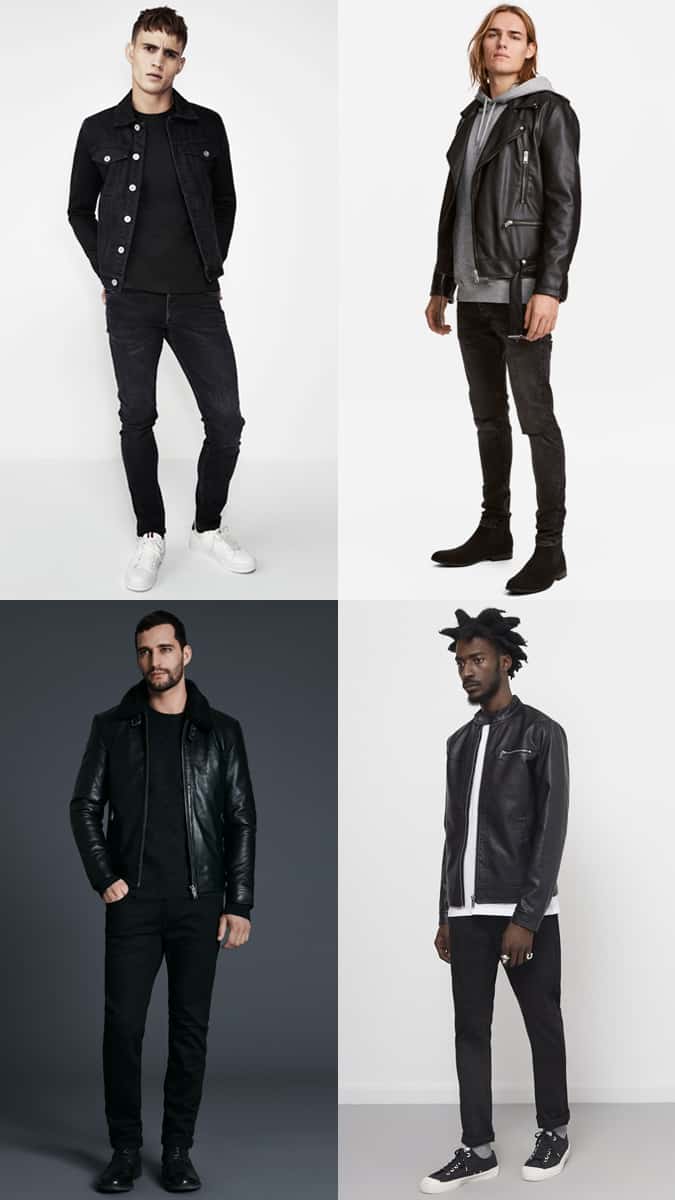
Essential Casual Wardrobe Staples for Men
While personal experimentation is encouraged, a foundational collection of versatile casual pieces can serve as an excellent starting point for any man’s wardrobe.
-
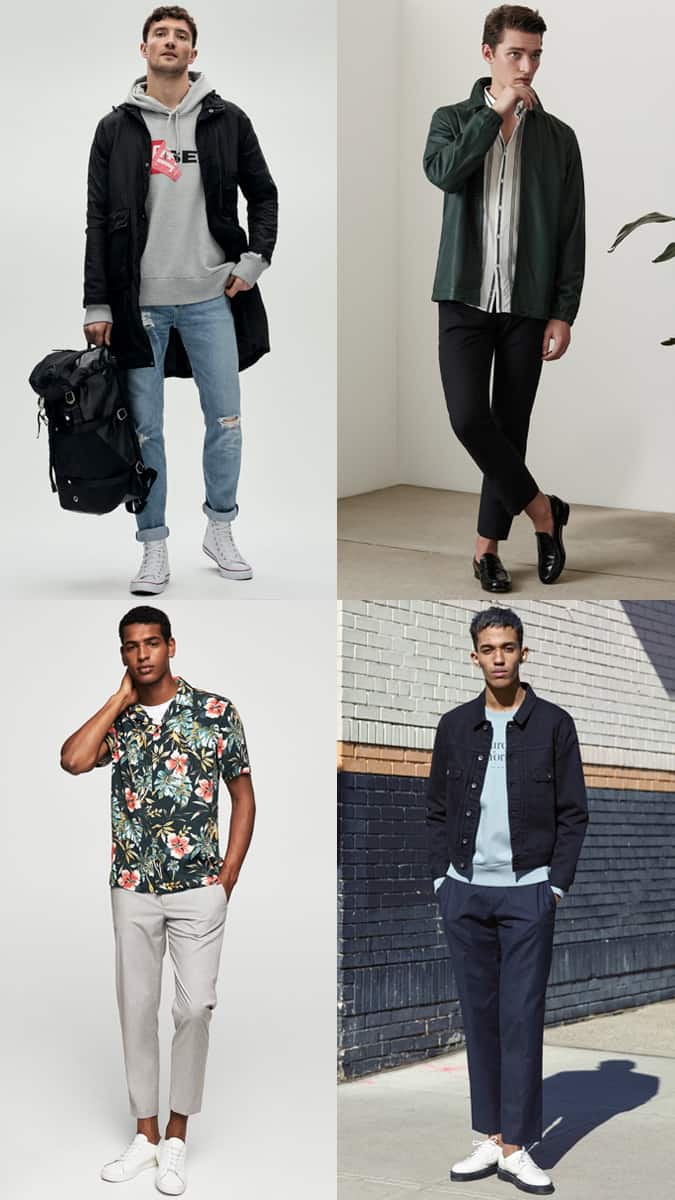
Denim Jeans: The post-war desire to move away from military uniforms led to the embrace of garments like jeans, which have remained a cornerstone of casual menswear since the 1950s. The market has seen a rise in artisanal denim, with brands utilizing high-quality raw denim produced on vintage looms. While these options may come at a higher price point, they offer exceptional durability and age beautifully over time, becoming a true investment piece.
-
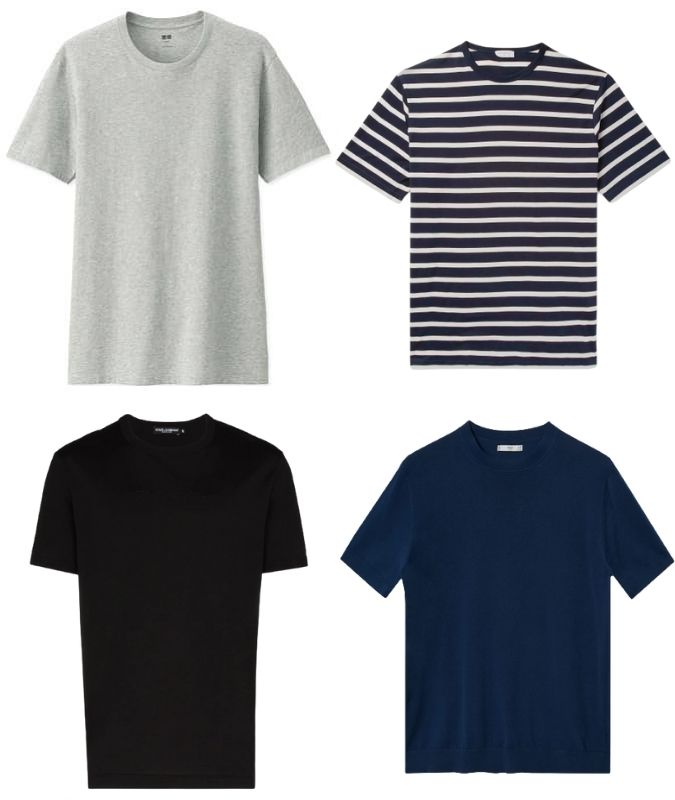
The T-Shirt: The humble T-shirt has transcended its basic origins and can now be styled with almost anything, including tailored suits, as noted by John Harrison, Creative Director at Gieves & Hawkes. The key lies in choosing high-quality cotton fabrics, such as Uniqlo’s Supima cotton, and opting for a flattering cut. For a touch of distinction, consider a classic Breton stripe or a finely knitted version.
-
Understated Trainers: The luxury sneaker market has experienced exponential growth, becoming an integral part of contemporary menswear. Even traditional shoemakers have recognized the demand, introducing their own interpretations. The versatility of trainers is their greatest asset; they can effectively balance more formal attire, creating a stylish juxtaposition. White leather trainers remain a classic choice, offering broad styling potential. For a subtler statement, off-white or trainers with gum soles or discreet branding provide a touch of personality without being overly ostentatious.

-
Lightweight Jacket: From the timeless bomber jacket to the rugged denim trucker, lightweight outerwear offers an excellent opportunity to inject individuality into an outfit. The denim trucker jacket, favored by style icons across decades, is a strong starting point. Bomber jackets, in particular, are highly adaptable, bridging the gap between streetwear, sportswear, and sophistication depending on the fabric and detailing. Investing in a well-made, classically shaped bomber in a premium fabric ensures longevity.
-
Versatile Knitwear: A well-chosen knit serves as an ideal layering piece. Loopback sweatshirts or fine Merino wool knits offer relaxed comfort and can be worn as standalone items or under a lightweight jacket. The loopback sweatshirt, once confined to athletic wear, has become a staple in casual menswear. A classic grey or off-white option is highly versatile. For a slightly more refined look, a knitted polo shirt paired with selvedge denim offers a smart-casual appeal.
-
A Practical Backpack: The backpack has rapidly evolved from its student-centric origins to become a sophisticated and practical accessory for the modern man. Its rise is closely tied to the increasing prevalence of casual dressing and the need for functional yet stylish carrying solutions. In urban environments, backpacks offer the invaluable benefit of keeping hands free for navigating public transport. While full leather options exude luxury, durable cotton canvas is equally classic and robust. Prioritizing a simple design ensures the backpack can seamlessly transition between work, weekend outings, and travel, proving its value as a multi-purpose item.