










In an era dominated by ubiquitous athleisure, where comfort often supersedes sartorial elegance, a look back precisely a century reveals a different paradigm of "sport meets style" – one considerably more rigorous and steeped in social codes: the venerable tennis whites. Far from being merely a dress code, the all-white attire that defined early tennis was a potent symbol of status, an indicator of wealth, and, ironically, a profoundly impractical choice for anyone truly engaged in athletic exertion. This deep dive explores the fascinating journey of tennis whites, tracing their origins as an elite uniform, their gradual evolution, and their enduring legacy in modern sport and fashion.

The Genesis of "Tennis Whites": A Symbol of Elite Leisure
At the dawn of the 20th century, lawn tennis transcended its identity as a mere sport; it was a distinctive marker of social class. Played almost exclusively by the affluent on the meticulously groomed lawns of private clubs and sprawling country estates across Britain, the United States, and Germany, tennis was emblematic of a lifestyle where leisure itself was a coveted luxury, accessible to only a privileged few. This nascent form of tennis, having evolved from earlier stick-and-ball games, inherited a strict code of etiquette from the Victorian era, one that inextricably linked personal attire to social standing.
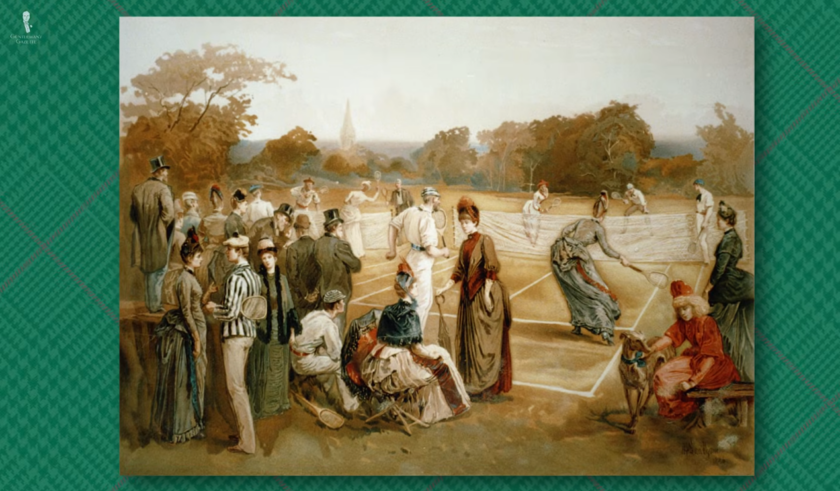
The adoption of white as the ubiquitous uniform for tennis players was driven by a dual rationale: one practical, the other deeply social. Practically, white fabric was understood to reflect sunlight, offering a degree of relief on sun-drenched courts and subtly camouflaging perspiration stains. However, the social implications were far more profound. In an age preceding the widespread availability of washing machines in private households, maintaining pristine white clothing was an arduous and expensive endeavor. Such garments were notoriously difficult to keep spotless, requiring significant time and effort for laundering. For the upper echelons of society, this either meant employing domestic staff dedicated to such chores or incurring substantial laundry bills.
Consequently, a perfectly clean, crisp white outfit served as a silent, yet unequivocal, declaration of one’s financial standing. It signaled that the wearer possessed either the leisure time to personally oversee meticulous cleaning or the wealth to delegate the task. Conversely, blue-collar workers, whose daily lives involved manual labor and the inevitability of dirt, actively avoided white clothing for precisely the same reason it appealed to the aristocracy: it revealed dirt, and thus, by extension, showcased money. Tennis, therefore, operated as much as a social event as it did a competitive sport, providing a refined setting for friends to gather on private lawns, further solidifying the dress code’s role as an exclusive "members-only" signal. This period cemented white as an integral, almost sacred, component of the tennis aesthetic, weaving it into the very fabric of the sport’s identity.

From Formal Daywear to Functional Sportswear: A Chronological Evolution
The journey of men’s tennis whites reflects broader societal and technological shifts, moving from stiff formality to an emphasis on athletic performance and, eventually, vibrant self-expression.
Turn-of-the-Century (1890s-1910s): The Era of Stiff Propriety
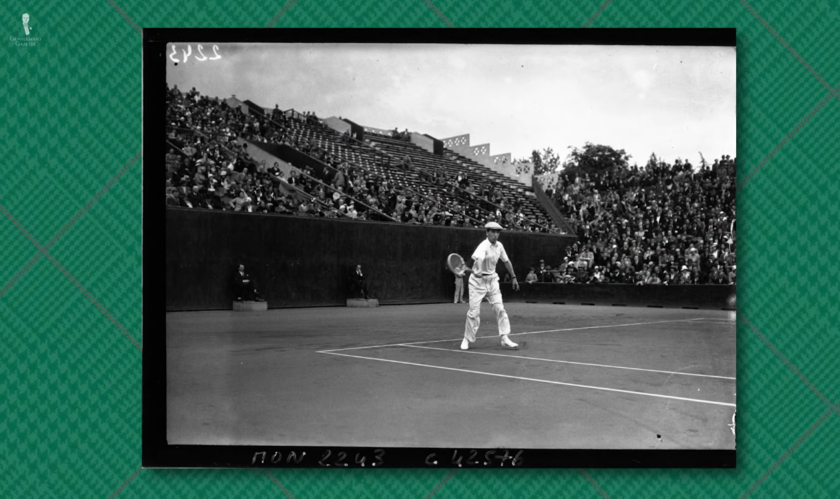
In its earliest iterations, tennis attire bore a striking resemblance to formal daywear rather than dedicated sportswear. Men would take to the courts in heavy white flannel trousers, often paired with long-sleeved shirts, and frequently accessorized with a jacket or sweater, sometimes even a hat. These garments, typically crafted from wool or thick cotton poplin, were chosen for their perceived elegance and durability rather than their suitability for strenuous physical activity. Playing a full match in such an ensemble today would be an exercise in discomfort, a testament to the fact that comfort was decidedly not the primary consideration. The prevailing etiquette dictated that showing bare arms on the court would have been considered as inappropriate then as appearing in one’s underwear would be in contemporary settings. The strict adherence to decorum and social presentation was paramount, often overshadowing the athletic demands of the game itself. The silhouette was structured, reflecting the rigid social norms of the time, and movement was inevitably constrained by the heavy, unforgiving fabrics.
The Roaring Twenties & Thirties: Athleticism Emerges
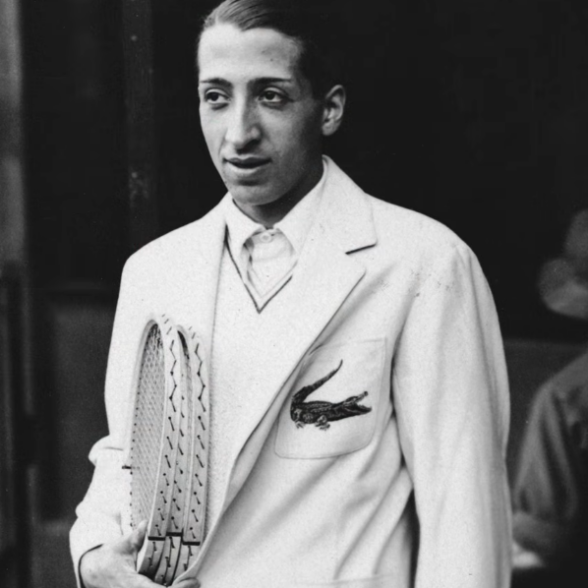
The post-World War I era ushered in a subtle but significant loosening of social strictures, impacting fashion both on and off the court. As tennis gained a more competitive edge, the clothing began to adapt. Shirts shed some of their rigid structure and weight, sleeves gradually shortened, and jackets became less common during the heat of a match. This period saw the rise of iconic figures like René Lacoste, a French tennis champion known as "The Crocodile," who revolutionized tennis wear. Lacoste, frustrated by the restrictive nature of traditional shirts, famously developed and popularized the polo shirt – a short-sleeved, collared, pique-knit cotton shirt that offered unprecedented comfort and freedom of movement. His innovation was a direct challenge to the stiff, woven shirts of the past, marking a pivotal moment where athletic functionality began to influence design. While white remained the dominant color, the shift towards lighter fabrics and more practical cuts signaled a growing recognition of the physical demands of the sport.
Mid-Century Modern (1940s-1960s): Function Takes Center Court
The mid-20th century marked a definitive turning point, with functional design gaining supremacy. By this era, shorts had largely become the standard for men’s tennis attire, a tacit admission that long wool flannels were utterly impractical for playing in warm conditions. Garment cuts were specifically engineered to allow for a full range of motion, catering directly to the needs of increasingly athletic players. This period also witnessed the advent of synthetic fibers such as nylon and polyester. These "miracle fabrics," as they were marketed, promised quick-drying properties, wrinkle resistance, and enhanced durability compared to traditional cotton or wool. While these new materials brought significant performance advantages, the color white remained non-negotiable for most major tournaments, regardless of the fabric composition. The emphasis was on blending traditional aesthetics with modern material science, though the aesthetic constraint of white persisted.
The Colorful Revolution (1970s-1980s): Breaking the White Barrier
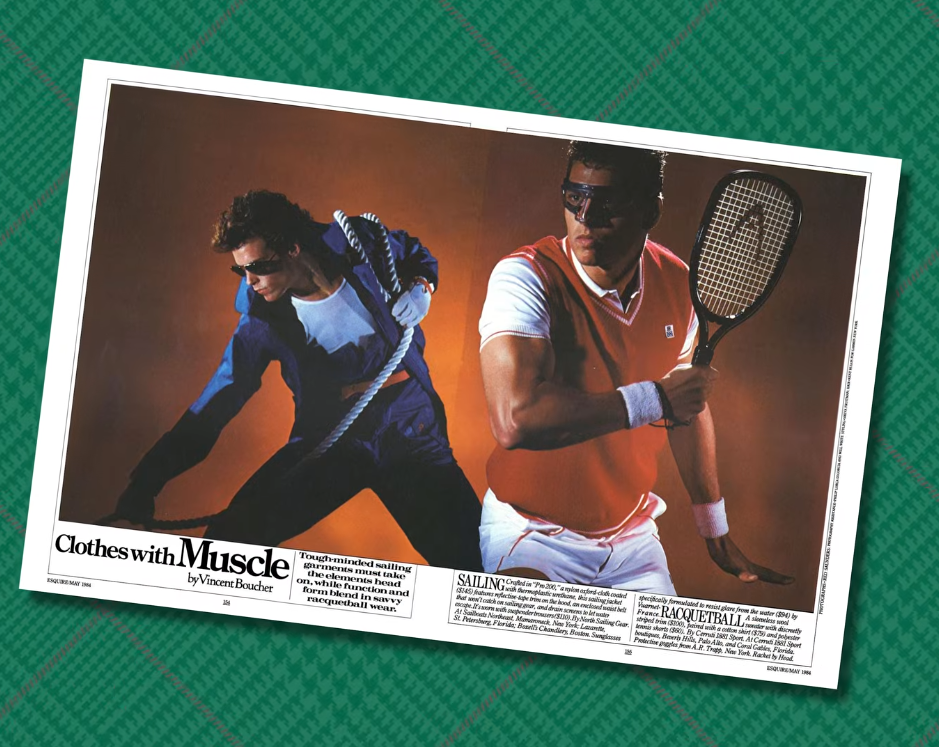
The 1970s brought about a seismic shift in tennis fashion, primarily driven by the burgeoning influence of television sponsorship and the rise of powerful brand identities. As tennis grew in popularity and became a globally televised spectacle, commercial interests pushed players towards more visually dynamic attire. The all-white requirement, a hallmark of the sport for decades, began to crumble in most tournaments. Brands sought greater visibility for their logos and designs, while players embraced bolder colors, intricate stripes, and prominent branding on their new synthetic fabrics. This era saw players like Björn Borg and John McEnroe become not just sports icons but also fashion trendsetters, their colorful outfits often reflecting their dynamic personalities. The vibrant palettes and graphic designs of the 70s and 80s mirrored a broader cultural movement towards individuality and self-expression, marking a dramatic departure from the monochrome traditions. However, one major exception steadfastly held the line against this colorful tide: Wimbledon.
Wimbledon’s Unyielding Tradition: The Last Bastion of White
Wimbledon, the oldest and most prestigious tennis tournament in the world, stands as a resolute guardian of tradition. Its strict all-white dress code is one of the last surviving vestiges of the sport’s original class-driven etiquette, and it remains meticulously enforced to this day. This unwavering commitment to white distinguishes Wimbledon from every other major tournament, reinforcing its unique identity and deep reverence for its heritage. The rules are famously stringent, stipulating that white means "almost entirely white" and permitting only a small amount of color on trim, usually no wider than one centimeter. Even off-white or cream colors are deemed unacceptable. This rigid adherence has led to numerous controversies and amusing anecdotes over the years, as players and brands grapple with the challenge of maintaining tradition while expressing individuality.

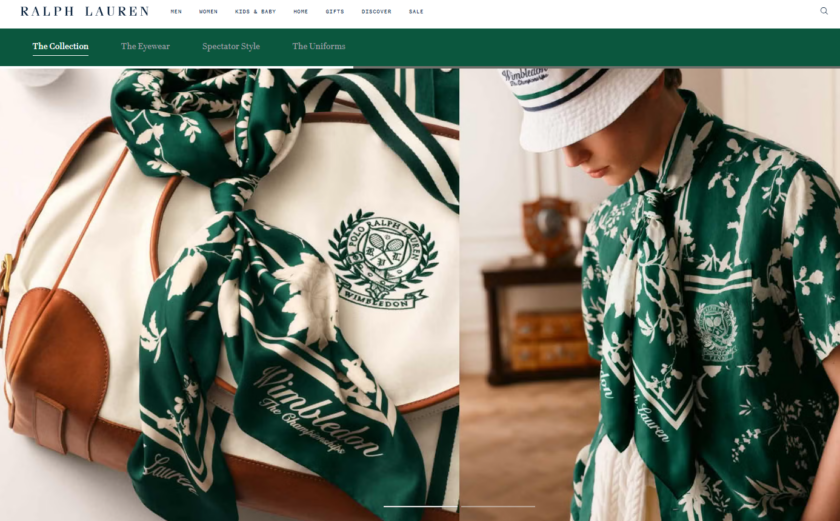
What might seem less expected, given Wimbledon’s quintessential British identity, is the identity of its official outfitter: Ralph Lauren. This iconic American label has held the prestigious title of Wimbledon’s Official Outfitter since 2006, a partnership that is now entering its third decade. Ralph Lauren is, in fact, the only designer in the tournament’s storied history to have held this exclusive title. The brand’s aesthetic, deeply rooted in classic American preppy style, surprisingly aligns well with Wimbledon’s traditional image. Ralph Lauren’s approach to outfitting the tournament’s officials, ball kids, and court staff leans into the club’s signature colors of purple and dark green, rather than attempting to reinvent the players’ look. Their collections often feature pleated trousers in lighter cottons, paired with bold striped blazers that evoke the earliest tennis clubwear, creating a timeless yet distinctly Wimbledon-esque visual identity. This partnership exemplifies a successful blend of global branding and steadfast tradition, proving that heritage can be both preserved and commercially leveraged.
The Practicality Test: A Glimpse into the Past

While the historical and sartorial significance of tennis whites is undeniable, their practicality for actual athletic performance has long been questioned. To put this to the test, an experiment was conducted: a full tennis match played in period-accurate tennis whites, with activity tracked across a real court session under challenging conditions – roughly 75°F (24°C) with 65% humidity.
The initial outfit consisted of a classic ensemble: a poplin cotton shirt, tailored trousers, and a heavy wool tennis sweater. The sweater, a staple of early 20th-century tennis wear, was ostensibly designed for warmth between matches. However, in the summer heat, its effect was precisely the opposite. Perspiration became visible almost immediately, and the discomfort intensified as the match progressed, highlighting the thermal inefficiency of dense wool in warm, humid conditions. The poplin cotton shirt, while lighter than wool, also quickly absorbed moisture, clinging to the skin and making sweat highly noticeable. Movement felt somewhat restricted, and the overall sensation was one of being perpetually damp and overheated.
A subsequent modification involved swapping the poplin shirt for a pique-knit polo shirt, a design popularized by René Lacoste. This change yielded a noticeable difference. The slightly raised texture of the pique knit created small air pockets, keeping the fabric marginally off the skin and allowing for better airflow. This design choice also proved more adept at disguising sweat stains compared to the smooth, woven cotton. While not a complete transformation into modern performance wear, the pique knit offered a significant improvement in comfort and visual presentation, even if it wasn’t definitively clear how much of the perceived difference was due to the fabric itself versus individual player physiology.
Further testing involved a switch to full wool flannel trousers and a wool sweater for a second set, paired with period-appropriate canvas court shoes. Surprisingly, this ensemble did not make things dramatically worse than the all-cotton outfit. While still far from ideal, the wool, despite its weight, offered some breathability, and the psychological expectation of extreme discomfort may have exaggerated the actual difference. The canvas shoes, however, provided minimal support and breathability compared to modern athletic footwear, adding another layer of discomfort and potential for injury.

The consistent verdict across all traditional outfits was unequivocal: while the historical kit undoubtedly looked the part, embodying a timeless elegance, its practical performance in a physically demanding sport under summer heat was severely lacking. The level of perspiration generated was considerable, and no amount of the "hides stains" theory could fully mask the reality of a saturated garment. This practical test underscores the significant advancements in sportswear technology and highlights the true compromises made by early players in the name of tradition and social standing.
Implications for Modern Athleisure and Style
The historical journey of tennis whites offers profound insights into the evolution of sportswear and its broader influence on fashion. The early emphasis on status and meticulous presentation, even at the expense of comfort and performance, stands in stark contrast to today’s athleisure trend, which prioritizes technical fabrics and ergonomic design. Yet, there is a clear lineage. Modern athleisure, in its pursuit of comfort and versatility, often sacrifices the refined aesthetic that characterized its predecessors. The original tennis whites, despite their practical shortcomings, possessed an undeniable sartorial elegance that many contemporary athletic garments lack.
The enduring appeal of "tenniscore" or "preppy" aesthetics in modern fashion is a testament to the powerful legacy of tennis whites. Elements like well-cut polo shirts, crisp white trousers (now often made from lighter, more breathable fabrics), and even the iconic tennis sweater (typically worn casually over the shoulders rather than during active play) continue to permeate menswear. Designers frequently draw inspiration from this rich history, blending classic silhouettes with contemporary materials and construction techniques. This approach allows for the borrowing of the "right pieces" – those that retain the visual appeal and historical resonance – while leaving the heavy wool flannels and restrictive garments to the annals of history.

The lesson for contemporary dressing is not to slavishly recreate the entire historical kit, but rather to understand and adapt its core principles. It’s about appreciating the clean lines, the understated sophistication, and the inherent polish that tennis whites once conveyed, and integrating those elements into modern wardrobes. This thematic dressing allows individuals to embrace the aesthetic of traditional tennis without sacrificing the comfort and functionality that modern textile technology provides.
Conclusion

The narrative of tennis whites is a compelling microcosm of broader cultural shifts, intertwining social history, economic indicators, and the evolution of fashion. From its origins as an exclusive uniform for the elite, symbolizing wealth and leisure, to its gradual transformation into more functional sportswear, and finally to its enduring symbolic presence at Wimbledon, tennis whites have navigated a century of change. They stand as a powerful reminder that while tradition can be rigorously maintained, as seen at Wimbledon, practicality and performance eventually dictate evolution in the wider world of sport. The legacy of tennis whites continues to shape our understanding of sportswear, influencing modern athleisure and offering timeless sartorial lessons on the delicate balance between elegance, tradition, and the demands of the game.