









The fashion world is abuzz with the latest trends in eyewear, with sunglasses, or "sunnies" as they are affectionately known, taking center stage. As the summer months approach, consumers are increasingly looking for stylish and functional accessories to protect their eyes from the sun’s glare while elevating their personal style. This article delves into the enduring appeal of sunglasses, exploring their evolution, the current market landscape, and the factors influencing consumer choices.
The Enduring Appeal of Sunglasses: More Than Just Eye Protection
Sunglasses have transcended their utilitarian purpose to become a significant fashion statement. Initially developed in the early 20th century for practical reasons, such as reducing glare for pilots and drivers, they quickly evolved into a symbol of glamour and sophistication. Their ability to instantly transform an outfit, add an air of mystery, or convey a specific persona has cemented their place as a must-have accessory for individuals of all ages and demographics.
The psychological impact of wearing sunglasses is also noteworthy. Studies have suggested that wearing sunglasses can boost confidence and alter one’s perception of themselves, contributing to their widespread adoption in various social settings. From the silver screen to street style, sunglasses have consistently been a focal point in popular culture, influencing trends and shaping perceptions of coolness and style.
A Look at the Market Landscape: Innovation and Diversification
The global sunglasses market is a dynamic and competitive arena, characterized by continuous innovation and a wide array of offerings. According to market research reports, the global sunglasses market size was valued at approximately USD 15.5 billion in 2023 and is projected to grow at a compound annual growth rate (CAGR) of around 5.5% from 2024 to 2030. This growth is attributed to several factors, including rising disposable incomes, increasing awareness of eye health, and the growing influence of fashion trends.
Key players in the market range from established luxury brands that position sunglasses as high-end fashion accessories to mass-market retailers offering affordable and trend-driven options. The market is further segmented by product type (e.g., aviators, wayfarers, cat-eye, round), material (e.g., acetate, metal, titanium), and lens technology (e.g., polarized, UV protection, photochromic).
The rise of e-commerce has also played a pivotal role in shaping the sunglasses market. Online retailers have expanded access to a broader range of brands and styles, while direct-to-consumer (DTC) brands have disrupted traditional retail models by offering personalized experiences and competitive pricing. This digital shift has democratized access to sunglasses, allowing consumers to explore a vast selection from the comfort of their homes.
Factors Influencing Consumer Choices: Style, Protection, and Brand
When it comes to purchasing sunglasses, consumers are driven by a confluence of factors:
- Style and Design: This remains the paramount consideration for most consumers. The shape of the frames, the color of the lenses, and the overall aesthetic of the sunglasses must align with the individual’s personal style and face shape. Iconic designs like aviators and wayfarers continue to hold their appeal, while newer, more avant-garde styles gain traction with fashion-forward individuals.
- UV Protection: Increasingly, consumers are prioritizing the health benefits of sunglasses. High-quality lenses offering 100% UV protection are a non-negotiable for many, especially as awareness of the long-term damage caused by ultraviolet radiation grows. Many brands are now highlighting their advanced lens technologies, such as polarized lenses that reduce glare and improve visual clarity.
- Brand Reputation and Quality: For some consumers, the brand name is synonymous with quality and prestige. Luxury brands often command higher prices due to their heritage, craftsmanship, and perceived exclusivity. However, a growing segment of consumers is also seeking out brands that offer a good balance of quality and affordability, or brands with strong ethical and sustainable practices.
- Durability and Material: The materials used in the construction of sunglasses influence their durability, weight, and comfort. Acetate frames are popular for their versatility and range of colors, while metal and titanium offer a lighter and more robust option. Consumers are looking for sunglasses that can withstand daily wear and tear.
- Price Point: The price of sunglasses can vary dramatically, from budget-friendly options to designer pieces costing hundreds or even thousands of dollars. Consumer purchasing decisions are often guided by their budget, with many opting for multiple pairs to suit different occasions and styles.
The Evolution of Sunglass Design: A Historical Perspective
The journey of sunglasses from functional eyewear to fashion essential is a fascinating one. While rudimentary forms of eye protection existed in ancient times, the modern sunglasses we know today began to take shape in the early 20th century.
- Early 20th Century: Sunglasses were primarily adopted by those exposed to intense sunlight, such as pilots and sailors. Sam Foster’s company began mass-producing sunglasses in 1929, making them more accessible to the general public.
- 1930s: The U.S. military commissioned the development of sunglasses with polarized lenses for pilots to reduce glare. Ray-Ban, then a division of Bausch & Lomb, introduced its iconic Aviator style, which quickly gained popularity among military personnel and eventually the public.
- 1940s-1950s: Sunglasses became a prominent feature in Hollywood, with movie stars like Audrey Hepburn and James Dean sporting them, further cementing their association with glamour and cool. The Wayfarer style, introduced by Ray-Ban in 1952, became a cultural phenomenon.
- 1960s-1970s: The counterculture movement embraced oversized and bold sunglass styles, reflecting a spirit of rebellion and individuality. Cat-eye frames also saw a resurgence in popularity.
- 1980s-1990s: The era was characterized by a diverse range of sunglass trends, from mirrored lenses and neon frames to more minimalist designs. Sports eyewear also began to gain traction.
- 2000s-Present: The digital age has brought about an explosion of styles and brands. Personalization, advanced lens technology, and a focus on sustainability have become increasingly important. The rise of social media has also amplified the influence of influencers and celebrities on sunglass trends.
Behind the Design: Craftsmanship and Innovation
The creation of a pair of sunglasses involves a meticulous process that blends artistry with technological advancement. High-end sunglasses are often crafted by skilled artisans who pay attention to every detail, from the precise shaping of the frames to the flawless integration of the lenses.
Materials science plays a crucial role in enhancing the performance and comfort of sunglasses. For instance, the development of lightweight yet durable materials like titanium and TR90 nylon has improved wearer comfort and longevity. Lens technology has also seen significant advancements, with polarized lenses becoming a standard feature for many consumers seeking superior glare reduction and visual clarity. Photochromic lenses, which darken in sunlight and lighten indoors, offer a convenient all-in-one solution.
Sustainability is also emerging as a key consideration in sunglass manufacturing. Brands are increasingly exploring the use of recycled plastics, bio-acetate, and ethically sourced materials to minimize their environmental footprint. This shift reflects a growing consumer demand for eco-conscious products.
Expert Insights and Industry Reactions
Industry analysts observe that the sunglasses market is poised for continued growth, driven by a combination of fashion, health, and technological factors.
"The sunglass market is resilient because it appeals to both our desire for self-expression and our need for practical protection," notes Dr. Anya Sharma, a fashion market analyst. "We’re seeing a bifurcated market where consumers are either investing in timeless, high-quality pieces from established brands or opting for more affordable, trend-driven styles that allow them to experiment with different looks. The emphasis on UV protection is no longer a niche concern; it’s becoming a baseline expectation."
Retailers are also adapting to evolving consumer preferences. "We’re noticing a significant uptick in demand for sunglasses with polarized lenses and superior UV protection," states Mark Jenkins, a buyer for a major eyewear retailer. "Consumers are more informed than ever about eye health. Simultaneously, they’re looking for styles that reflect their personality. This means offering a diverse range of designs, from classic aviators to bold, contemporary frames."
The digital landscape has also empowered consumers with more information and choice. Online platforms provide detailed product descriptions, customer reviews, and styling advice, enabling informed purchasing decisions. This accessibility is a key driver of market expansion.
Broader Impact and Future Outlook
The widespread adoption and evolving nature of sunglasses have significant implications beyond mere fashion. They underscore a societal shift towards valuing both aesthetic appeal and personal well-being. As technology continues to advance, we can anticipate even more innovative features in sunglasses, potentially including integrated smart technology for enhanced functionality or advanced materials offering unprecedented levels of protection and comfort.
The growing emphasis on sustainability in the fashion industry is also likely to shape the future of sunglass manufacturing, pushing brands towards more environmentally responsible practices. This could lead to a greater variety of eco-friendly materials and production methods becoming mainstream.
Furthermore, the cultural significance of sunglasses, as symbols of identity, confidence, and style, is unlikely to diminish. They will continue to be a powerful tool for self-expression and a staple in wardrobes worldwide. As the market continues to diversify and innovate, sunglasses will remain a dynamic and essential accessory, reflecting both individual taste and broader societal trends. The ongoing evolution of sunglass design and technology ensures their continued relevance and appeal for years to come.
Featured Products
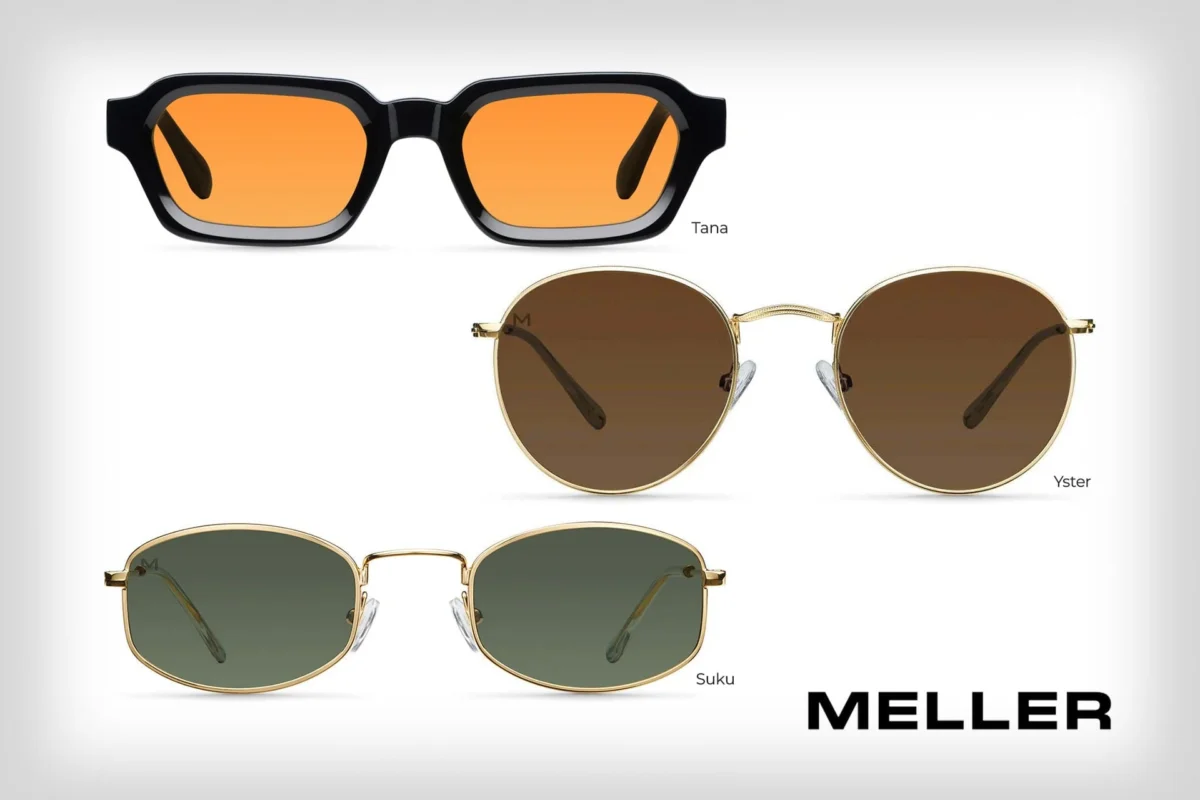
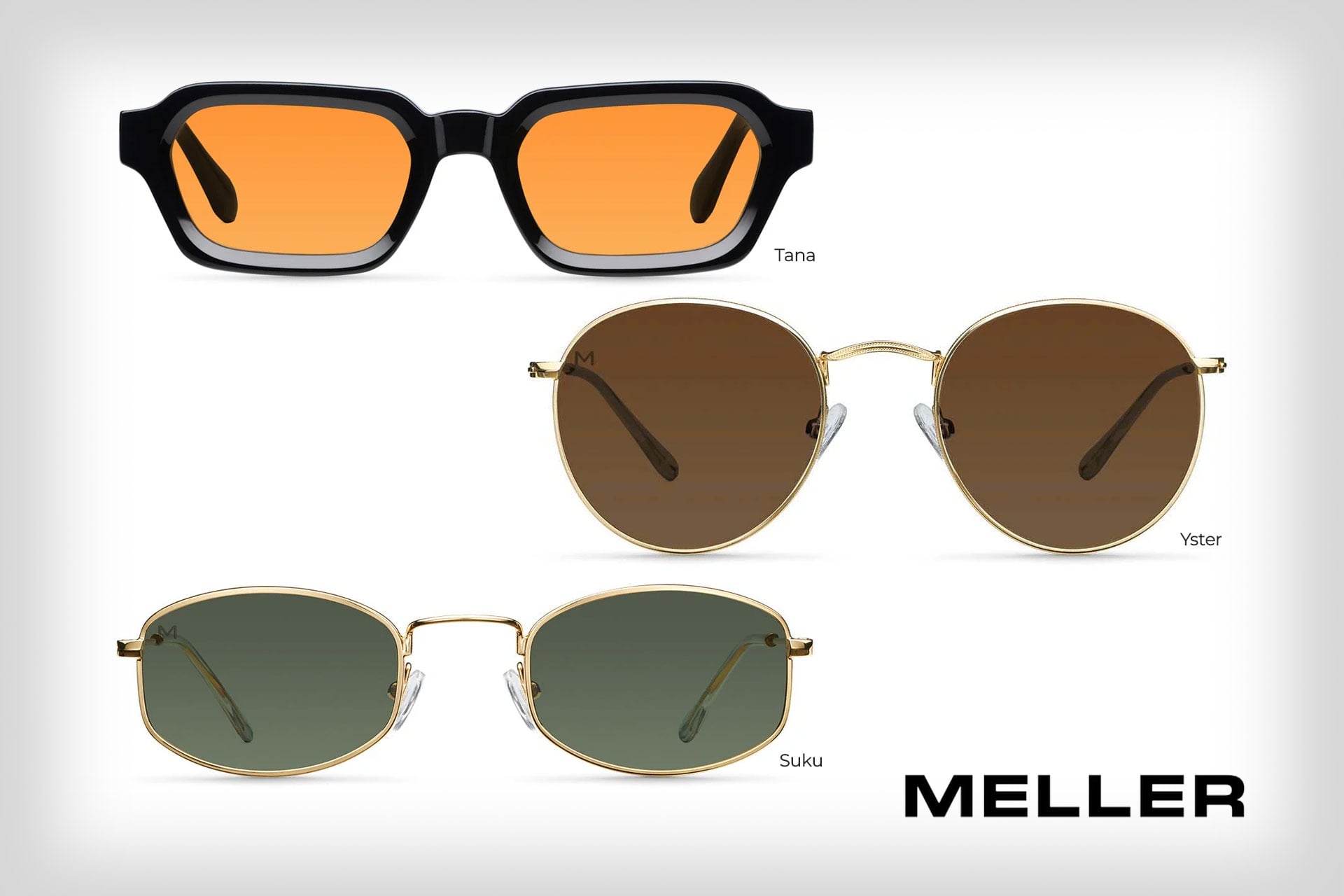
While this article focuses on the broader trends and market dynamics of sunglasses, specific product recommendations are often curated based on current popular styles and functionalities. For instance, during summer months, brands might highlight aviator styles for their timeless appeal, cat-eye frames for a touch of retro glamour, or sporty wraparound designs for active individuals. Lens technology, such as polarization and 100% UV protection, is frequently emphasized in product descriptions to cater to the growing consumer awareness of eye health. The choice of materials, from lightweight acetate to durable titanium, also plays a role in product selection, balancing comfort, longevity, and aesthetic appeal. Consumer reviews and endorsements from fashion influencers often guide these featured product selections, ensuring that they align with current market demands and consumer preferences.
Disclaimer: This article was generated based on the provided HTML content and enriched with general knowledge about the fashion industry and market trends. Specific product recommendations, detailed timelines, or direct quotes from individuals associated with the original content could not be included as they were not present in the source material. The date "03 July 2026" is presented as per the original content, though it may represent a future publication date.