











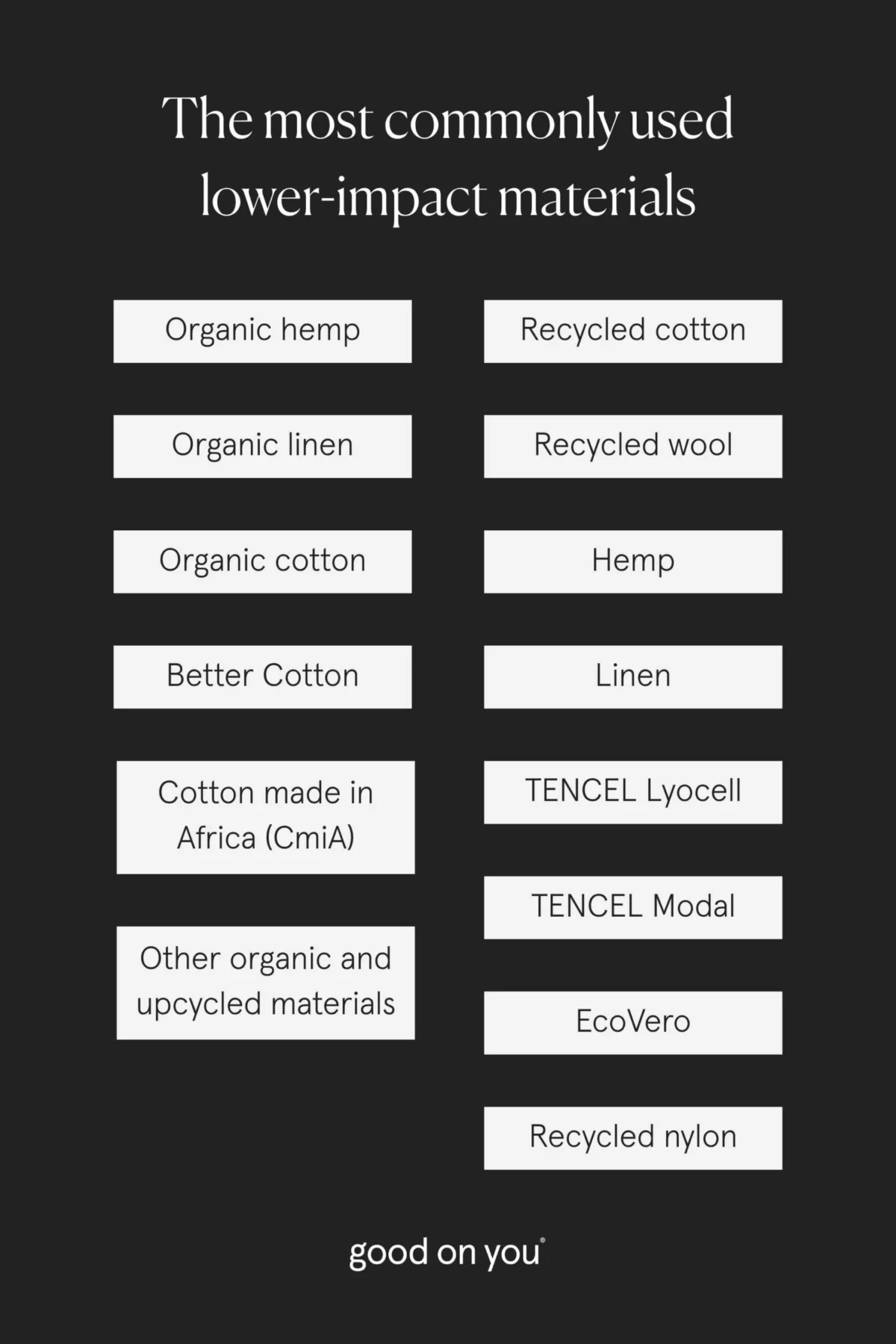
The global fashion industry, valued at over $2.5 trillion, faces increasing scrutiny regarding its environmental and social footprint. At the core of this challenge lies the fundamental choice of materials. From cultivation and extraction to processing and disposal, the lifecycle of textiles demands vast resources and can generate significant pollution, impacting ecosystems, human health, and labor conditions worldwide. As consumer awareness grows, understanding the sustainability implications of various fabrics has become paramount for making informed purchasing decisions.
The Environmental Footprint of Fashion: A Global Challenge
For centuries, textiles have been central to human civilization, evolving from rudimentary natural fibres to complex synthetic compounds. However, the industrial revolution and the subsequent rise of fast fashion in the late 20th and early 21st centuries dramatically accelerated production cycles and consumption rates, leading to unprecedented resource depletion and waste generation. A garment’s sustainability profile is largely determined by its constituent materials. Transforming raw resources—be it oil, land, water, or plant matter—into the vibrant, soft, and durable fabrics we wear involves extensive processes that can consume enormous amounts of energy, water, pesticides, and chemical agents.
Consider the journey from a fluffy cotton boll, a dense tree, or crude oil to a finished piece of clothing. Each stage, from agricultural cultivation and harvesting to chemical processing, dyeing, and finishing, carries a distinct environmental burden. The human element is equally critical; millions of individuals globally are involved in textile production, and their health and labor rights are directly impacted by the materials and manufacturing methods employed. This complex interplay of environmental and social factors underscores the necessity for comprehensive material assessment.
Experts in sustainable fashion emphasize that there is no universally established hierarchy of sustainability for all materials, largely due to the variability in production methods, regional impacts, and a lack of consistently comparable data, such as comprehensive Life Cycle Analyses (LCAs). Every material currently on the market presents a unique set of trade-offs and environmental impacts. Consequently, a diversified approach, incorporating a mix of preferred materials, is considered essential for future textile production. Organizations dedicated to ethical consumption strive to demystify this complex landscape by independently analyzing available information and consulting with industry experts, acknowledging that a material’s impact can vary significantly based on its origin and processing. The understanding of responsible materials is dynamic, continuously evolving with new research and data.
It is important to note that material choice, while foundational, is not the sole determinant of a brand’s overall sustainability. A brand utilizing organic cotton, for instance, may still fall short of best practices if it neglects critical issues such as greenhouse gas emissions in its supply chain, textile waste management, or labor rights. Nevertheless, the adoption of lower-impact materials forms a crucial base upon which to build a truly responsible brand.
A common misconception often surrounds "natural" fibres. The term "natural" does not automatically equate to "sustainable." Conventional cotton production, for example, despite being a plant-based fibre, can be an environmentally damaging agricultural activity, requiring vast quantities of water and pesticides. Brands employing "natural" claims without transparently addressing their sourcing and manufacturing processes may be engaging in greenwashing, failing to genuinely consider people, the planet, and animal welfare.
Plant-Based Fibres: A Closer Look at Nature’s Offerings
Cotton: The World’s Most Popular Fibre and Its Contradictions
Cotton, celebrated for its softness, lightness, and breathability, is a ubiquitous fibre in quality clothing, forming the backbone of items like jeans and t-shirts. Its inherent biodegradability, when free from synthetic blends or chemical treatments, is a significant advantage. However, conventional cotton, including genetically modified varieties, is notoriously resource-intensive. It is one of the thirstiest crops globally, requiring immense irrigation. Furthermore, it holds the highest market share for insecticide use by sales, with widespread reports linking its cultivation to child slavery and forced labor in certain regions. The transformation of raw cotton into colored fabric also involves numerous chemical processes for treating, dyeing, printing, and finishing, each contributing to environmental pollution.
Organic cotton addresses many of these critical issues. It is cultivated without synthetic pesticides or genetically modified seeds, adhering to organic farming practices that prioritize environmental sustainability and reduced resource consumption. Chemical-free agricultural land retains its fertility for significantly longer periods, contrasting sharply with land degraded by constant pesticide use. Consequently, organic cotton farming generally offers a more sustainable livelihood for farmers. Certifications such as Better Cotton and Cotton Made in Africa aim to ensure more sustainable production methods. However, vigilance is required, as past investigations, notably in the New York Times, have exposed instances of fraudulent organic cotton certifications, with a substantial portion of organic cotton from India being misrepresented. Consumers are advised to scrutinize certification processes.
Denim: Beyond the Cotton Base
Denim, primarily derived from cotton, inherits the environmental and social challenges of its base fibre. Beyond the cotton itself, denim production introduces additional concerns. The majority of denim is dyed with synthetic indigo, a process associated with local waterway pollution and health hazards for workers. The popular "distressed" aesthetic is often achieved through sandblasting, a controversial technique that poses severe health risks, including silicosis, due to fine dust inhalation. Furthermore, denim frequently incorporates elastane for stretch, creating blended fabrics that are notoriously difficult to recycle, hindering circularity. Pure cotton denim or alternatives like TENCEL Lyocell, which is gaining traction in denim production, are preferable for their recyclability and lower impact.
While denim production historically carries significant social and environmental consequences, sustainable innovations are emerging. The most impactful consumer choice is to seek out secondhand denim. When purchasing new, prioritize denim made from certified organic cotton and produced with more sustainable indigo dye alternatives. Numerous brands, both established and emerging, are committing to more responsible denim manufacturing practices.
Hemp and Linen: Ancient Fibres for Modern Sustainability
Hemp, derived from the cannabis plant and classified as a bast fibre, is recognized as one of the most sustainable crops. It requires minimal water and thrives without pesticides, though organic certification guarantees the absence of harsh chemicals. Hemp fabric offers intrinsic benefits, including thermal regulation (warm in winter, cool in summer) and UV protection. Its texture is comparable to linen. Linen, made from flax plant fibres, is similarly robust, naturally moth-resistant, and fully biodegradable when untreated. It boasts exceptional durability, even when wet, and softens with each wash.
Both hemp and linen represent superior alternatives to conventional cotton. Organic hemp, in particular, is considered a top-tier sustainable material. For linen, opting for its natural shades—ivory, ecru, tan, and grey—is recommended, as bright white linen necessitates intensive bleaching. Organic linen further ensures chemical-free production.
Cellulosic Fibres: Innovation from Wood Pulp
Man-made cellulosic fibres (MMCFs) are derived from wood pulp, representing a significant category of plant-based textiles with varying sustainability profiles.
-
Modal & TENCEL Lyocell: Advancements in Regenerated Cellulose
Modal, typically sourced from beech trees, is a type of MMCF known for its breathability and silky texture, absorbing approximately 50% more water than cotton. It shares properties with TENCEL Lyocell and viscose, readily absorbing dye and retaining colorfastness, making it popular for underwear and activewear. Modal is technically biodegradable and recyclable. Lenzing AG, an Austrian company, is a leading producer, marketing its version as TENCEL Modal, a globally certified fibre with a more sustainable production process. However, Lenzing supplies fibre to mills, meaning TENCEL Modal may be blended with less responsible fabrics before reaching the consumer. Consumers are advised to choose brands with transparent production processes and prioritize garments made from 100% TENCEL Modal.TENCEL Lyocell, another Lenzing brand, is a cellulose fibre derived from eucalyptus, oak, and birch wood pulp. Lenzing has built TENCEL’s reputation on sourcing wood from certified, responsibly managed plantations and employing a closed-loop production system. This system recycles the chemical solvent, achieving a 99% recovery rate, thereby minimizing harmful waste. TENCEL also incorporates Refibra technology, which blends 70% wood pulp with 30% pre- and post-consumer cotton scraps, diverting textile waste from landfills. TENCEL Lyocell is an excellent replacement for cotton or silk, offering breathability, moisture absorption, and softness. It is biodegradable and recyclable, generally preferred over less sustainable alternatives like viscose and rayon.
-
Viscose/Rayon: The Double-Edged Sword of Regenerated Wood
Viscose, also known as rayon, is a plant-based fibre derived from the cellulose of fast-growing trees like eucalyptus, beech, and pine, or plants such as bamboo, soy, and sugarcane. The cellulose is dissolved in a chemical solution to create a viscous substance, which is then spun into fibres. Despite its plant origin, viscose production presents significant environmental challenges. Its surging demand, largely driven by fast fashion, has made it a leading cause of deforestation, particularly impacting endangered or ancient forests. Furthermore, viscose manufacturing is notorious for discharging hazardous chemicals into lakes and waterways, causing severe harm to ecosystems and local communities.To mitigate these impacts, consumers should seek brands that exclusively use FSC-certified forest inputs or partner with organizations like Canopy NGO, which advocates for forest protection. While FSC certification addresses forest management, it does not inherently guarantee chemical-free production. ECOVERO, another type of viscose, utilizes wood from controlled sources and is produced with significantly lower environmental impact. Alternatives like TENCEL Lyocell, with its closed-loop chemical capture system, are also recommended. Transparency from brands regarding their viscose sourcing and production is crucial; a lack of disclosure should be a red flag for consumers.
-
Cupro: Upcycling Cotton Waste
Cupro, often referred to as "regenerated cellulose," is an MMCF created from cotton waste—specifically, the tiny silky fibres known as linter that adhere to cottonseed, too small for traditional spinning. The linter is dissolved in a cuprammonium solution (copper and ammonium mixture), then dropped into caustic soda and spun into fibre. Cupro’s advantages include its origin from waste materials and the use of some renewable energy and a closed-loop system for chemical recovery in its manufacturing. However, data on water consumption during its production remains unclear, and a comprehensive Life Cycle Assessment is needed to definitively classify it as a lower-impact material. -
Bamboo: Promise and Processing Pitfalls
Bamboo, a rapidly growing crop, has been promoted as a lower-impact option due to its minimal water and pesticide requirements. However, the sustainability of bamboo fabric depends heavily on its processing. Mechanically produced "bamboo linen" is inherently more sustainable but yields a coarse fabric unsuitable for the soft, intimate products where bamboo is most in demand, and it is not widely available. The majority of bamboo fabric is processed in China using the viscose method, which raises concerns about responsible cultivation and the release of harmful chemicals into waterways. While the Chinese government has recently imposed stricter regulations on problematic production processes, the absence of a robust assurance system for sustainable bamboo cultivation and safe chemical processing remains a concern. Bamboo fabric holds significant potential, but consumers should prioritize brands that demonstrate transparency regarding their cultivation and processing methods. Otherwise, TENCEL Lyocell, with its 99% closed-loop system, is a more reliably sustainable alternative.
Animal-Derived Materials: Ethics, Environment, and Alternatives
The use of animal-derived materials in fashion presents a complex ethical and environmental dilemma, often raising concerns about animal welfare, land use, and chemical processing.
Angora: A Call for Animal Welfare
Angora, a soft, warm, and strong fibre from angora rabbits, is often blended with other wools for added luxuriousness. However, its production has been widely condemned following investigations by organizations like PETA, which exposed severe animal cruelty in Chinese factories. These revelations led many major fashion brands to cease using angora. Given the absence of recognized welfare standards that guarantee pain-free harvesting of angora hair, consumers are strongly advised to avoid angora products entirely.
Cashmere: Luxury’s Ecological Cost
Cashmere, one of the world’s rarest and most luxurious fibres, is prized for its exceptional softness and warmth. Yet, its production is far from sustainable. The goats from which cashmere is shorn, possessing minimal body fat, are vulnerable to freezing to death if shorn prematurely in winter. Cashmere production also has significant social impacts, with growing concerns about the working conditions of herders. Environmentally, the escalating demand for cheap cashmere has led to an increase in herd sizes, driving widespread desertification of Mongolian grasslands. Climate change further exacerbates these impacts, affecting cashmere quality and the timing of shearing. For ethical consumers, recycled or secondhand cashmere is the preferred option.
Fur: A Legacy of Cruelty and Environmental Harm
Historically, fur provided essential warmth and protection. In the 20th century, it became a symbol of luxury and status. The resultant growth of fur farming led to the commodification of animals and inhumane practices, including live skinning. Ethical concerns are paramount for many consumers, leading to widespread campaigns against fur farming by groups like PETA. Beyond animal welfare, fur farming shares many environmental and labor issues with leather production, including significant land and water use, and chemical processing.
While secondhand fur exists, its consumption may perpetuate the social acceptance of wearing animal products. Numerous brands and countries have banned fur farming and distribution. However, it is crucial to acknowledge that for some remote indigenous populations, animal skins and furs are traditional materials and often the only viable source of income. Scrutinizing such practices while overlooking large-scale industrial cattle farming in Western nations may reflect inconsistent and potentially biased perspectives. For most ethical consumers, new fur products are unequivocally avoided.
Leather: Durability at a High Price
Leather, an iconic material in fashion, is the skin of animals, predominantly livestock, but also pigs, goats, sheep, and various exotic species. Despite its durability and versatility, leather production carries substantial ethical and environmental costs. Beyond animal welfare concerns, it demands more water and land than almost any other material. The tanning process typically involves highly harmful chemicals, such as chromium 6, which pollute waterways and pose severe health risks to workers. While vegetable tanning has been promoted as a sustainable alternative, its environmental advantages are now under closer scrutiny and are likely not as significant as previously thought. A burgeoning market for innovative, non-animal leather alternatives, ranging from pineapple leather to cork and upcycled rubber, offers promising avenues. These are generally preferred over "faux leather" made from PVC or polyurethane (PU), which are fossil-fuel-derived plastics with their own set of environmental problems. Depending on personal ethics, consumers may opt for secondhand or recycled leather, or avoid it entirely.
Silk: Delicate Beauty, Complex Ethics
Silk is produced from the cocoons of silkworms, which spin long protein threads to insulate themselves. In conventional silk production, silkworms are killed during the extraction process. Reports of child slave labor in Indian silk production underscore the importance of scrutinizing sourcing. Less lethal alternatives exist, such as Ahimsa silk (or "peace silk," including Eri and Tussar silks), which allows the moth to emerge from the cocoon before harvesting. However, peace silk does not necessarily offer significant environmental improvements. For those avoiding animal silk, vegan spider silk represents an innovative, though not yet widely scaled, alternative. Consumers are advised to thoroughly check sources to ensure their silk purchases do not contribute to exploitation or environmental degradation.
Wool: Warmth, Welfare, and Land Management
Wool, a breathable fibre from sheep, is a renewable resource known for its warmth and stain resistance. However, industrial-scale wool production poses significant environmental and animal welfare challenges. The practice of "mulesing"—cutting skin from sheep to prevent flystrike, often without anaesthetic—is a major controversy. While banned in many countries, it remains common in Australia, a primary source of merino wool. Consumers are encouraged to avoid wool from brands that practice mulesing.
Industrial livestock grazing can lead to land clearing and degradation, although holistic land management methods are gaining traction. Wool that is "superwashed" (infused with plastic) or blended with synthetic fibres loses its natural biodegradability. Given wool’s durability, purchasing pre-loved or vintage wool items is an excellent way to extend garment life. Certifications such as the Responsible Wool Standard, ZQ Merino Standard, or Soil Association Organic Standards offer varying degrees of animal welfare and environmental guarantees. Organizations like Four Paws maintain directories of brands committed to avoiding mulesed wool.
Down: The Hidden Cost of Comfort
Down feathers, often hidden within jackets and coats, represent a product of the slaughter industry. A significant concern is "live plucking," where feathers are forcibly removed from conscious ducks and geese, who may be re-plucked as new feathers grow. Beyond animal suffering, the environmental impact of down production is also notable. While down itself is biodegradable, it is typically encased in non-biodegradable synthetic outer shells, preventing effective decomposition at end-of-life.
Industry analysis indicates that virtually all down originates from ducks and geese subjected to slaughter or live plucking, often in factory farm conditions that fall far short of natural lifespans and animal welfare standards, even with certifications like the Responsible Down Standard. Consumers are strongly advised to opt for pre-loved down coats or explore ethical synthetic alternatives such as PrimaLoft P.U.R.E, PrimaLoft Bio, Thermore, or Flowerdown.
Synthetic Materials: The Petrochemical Dilemma
Synthetic fabrics, predominantly derived from fossil fuels, are ubiquitous in modern fashion. A critical environmental concern across all synthetics, whether virgin or recycled, is the release of non-biodegradable microfibres into the environment during washing and wear.
Polyester: Ubiquitous Plastic and Recycled Solutions
Polyester, a plastic derived from petroleum, is the most widely produced fibre globally. The vast majority of polyesters are non-biodegradable, meaning garments can persist in landfills for centuries. Its primary ingredient, crude oil, links polyester directly to the fossil fuel industry, a major contributor to climate change. Recycled polyester offers an improvement over virgin polyester by repurposing existing plastics, but it still sheds microplastics when washed and perpetuates the industry’s reliance on synthetics. Critically, 98% of recycled polyester comes from plastic bottles, not existing textile waste, meaning it does not significantly contribute to textile-to-textile circularity within the fashion industry itself. Consumers are advised to avoid virgin polyester and, when alternatives are unavailable (e.g., for swimwear), to opt for recycled polyester in items that require less frequent washing.
Nylon & ECONYL: From Oil to Ocean Waste Regeneration
Nylon, the first entirely synthetic fibre, originated during WWII. It is a plastic derived from coal and crude oil, transformed through intensive chemical processes. Its production is linked to some of the world’s dirtiest industries and carries significant direct environmental impacts. ECONYL, an innovative alternative developed by Italian firm Aquafil, addresses many of these issues. It utilizes synthetic waste—industrial plastic, fabric scraps, and discarded fishing nets—which are recycled and regenerated into new nylon yarn of virgin quality through a closed-loop system. This process significantly reduces water usage and waste compared to traditional nylon production. However, like all nylons, ECONYL products are still prone to shedding microfibres. Consumers are advised to avoid traditional nylon and choose ECONYL, while remaining vigilant about microfibre shedding, especially for frequently washed items. For items like footwear, where washing is less frequent, ECONYL is a more suitable choice. The development of non-shedding ECONYL is currently underway.
Fleece: Comfort with a Conscience Conundrum
Fleece, a synthetic insulating fabric, is predominantly made from polyethylene terephthalate (PET), a polyester derived from petrochemicals. While comfortable, soft, and lightweight, making it ideal for outdoor and activewear, fleece relies on non-renewable resources and often requires additional chemical coatings for windproof or water-resistant properties, further increasing its environmental burden. Recycled polyester fleece, made from post-consumer plastic bottles, is a better option, but all synthetic fleeces shed microfibres, especially with frequent washing. These microfibres are not easily biodegradable and can bind with chemical pollutants in wastewater. Consumers are generally advised to avoid fleece where possible, and if purchased, to adopt careful washing practices to minimize shedding.
PVC & Polyurethane (PU): The Most Problematic Plastics
Polyvinyl Chloride (PVC), a petrochemical product, is heavily processed and versatile, used in textiles as vinyon for weather-resistant garments, faux leather, and fabric coatings. PVC/Vinyon’s production is highly energy-intensive and heavily reliant on fossil fuels. Coupled with potential health risks from plasticizers (phthalates) and the overwhelming global plastic waste crisis, PVC stands as one of the most unsustainable materials in the market. Polyurethane (PU), another plastic, exists in rigid and flexible forms, making it popular for shoe soles, waterproof coatings, swimwear, and faux leather. While often touted as a "vegan leather alternative," PU is fossil-fuel-derived, contributing to greenhouse gas emissions and resource depletion. Isocyanates used in its production can be toxic when heated or burned. For a more sustainable wardrobe, both PVC and PU should be avoided. Plant-free alternatives to animal-derived materials are increasingly available.
Faux Fur: The Plastic Paradox
The fashion industry’s shift away from animal fur is a positive ethical development. However, the prevalence of mass-produced faux fur, primarily made from plastic-based materials, introduces significant negative environmental impacts. Alarmingly, reports have indicated that some faux fur products, particularly in fast fashion, are mislabeled and actually contain real animal fur. Consumers are advised to steer clear of this plastic material, and if the aesthetic is desired, to seek out secondhand options.
Glitter: Tiny Plastics, Big Problem
Most glitter used in cosmetics, crafts, and clothing consists of tiny fragments of plastic (e.g., PET) coated with a shiny substance like aluminum. This means glitter-laced garments contribute to microplastic pollution in oceans every time they are washed or rinsed. While some companies have developed "biodegradable" glitter alternatives, studies suggest their environmental impact may be similar to conventional glitter. The most responsible approach is to avoid glitter in all products.
Hybrid and Specialized Materials: Niche Considerations
Velvet: Weave, Not Fibre
Velvet refers to a type of fabric weave characterized by a short, dense pile, rather than a specific fibre. It can be woven from various yarns, including silk, viscose, polyester, or nylon. Modern fashion often uses synthetic velvet, which can feel rougher and less breathable, whereas historical silk-velvet offers a more fluid and smooth drape. The sustainability of velvet depends entirely on its constituent fibre. The most sustainable approach is to purchase secondhand velvet or to seek out viscose-velvet certified for sustainable sourcing, ensuring it does not contribute to deforestation of ancient or endangered forests.
Rubber: Natural vs. Synthetic and Responsible Sourcing
Rubber, a strong and stretchy material, can be natural (derived from latex sap) or synthetic (chemically produced). Synthetic rubbers, such as neoprene (wetsuits) and emulsion styrene-butadiene rubber (E-SBR, tires), are manufactured to meet demand exceeding natural rubber supply. New rubber, even natural varieties, often carries environmental and ethical concerns related to deforestation, chemical processing, and labor practices. However, progress is being made in responsible sourcing. Consumers interested in rubber-containing items should investigate the material’s origin and verify fair and responsible sourcing. Recycled rubber is an excellent, more sustainable option. Proper end-of-life disposal, including recycling where facilities exist, is also crucial.
Acetate: Semi-Synthetic Silk Alternative
Acetate is a human-made, semi-synthetic material derived from cellulose, often lauded for its silk-like qualities. It is used in dresses, linings, curtains, furnishings, and, due to its thermoplastic properties, in accessories like eyewear. Recently, acetate has gained popularity as a more responsible alternative to conventional plastics for eyewear frames. However, industry experts caution against classifying acetate as a preferred lower-impact material, viewing it as "the better of two evils" compared to virgin plastics. When opting for acetate, consumers should prioritize high-quality, long-lasting products to maximize their circulation lifespan. "Bio-acetate" or "bio-plastic" variants, which incorporate a higher percentage of plant-based material, are preferable. Crucially, the cellulose (wood pulp) source must be from responsible, certified plantations (e.g., FSC or PEFC), and production must occur in a regulated environment.
Deadstock: A Symptom of Systemic Overproduction
"Deadstock" refers to leftover fabric that is no longer needed for its original purpose or order fulfillment. Its inherent sustainability depends on the type of fabric (e.g., viscose, cotton) it is. While using deadstock can be more sustainable than producing virgin materials and contributes to circularity by diverting textiles from landfills or incineration, its very existence highlights a deeper systemic problem in fashion: overproduction and overconsumption. In the current industry context, supporting otherwise ethical brands that incorporate quality deadstock fabric into their designs can be a good option. However, such brands must also implement other meaningful waste-reduction and climate change-mitigation strategies. If a brand primarily touts deadstock use as its leading sustainability initiative, it may signal potential greenwashing, whether intentional or not.
Conclusion: Empowering the Conscious Consumer and Driving Industry Change
The journey toward a sustainable fashion industry is complex, multifaceted, and ongoing. While individual choices regarding fabric selection are powerful tools in a conscious consumer’s arsenal, true transformation requires systemic shifts across the entire supply chain. From the cultivation of raw materials to manufacturing processes, labor practices, and end-of-life solutions, every stage presents opportunities for improvement.
The absence of a simple, universal hierarchy for sustainable materials underscores the need for transparency, robust certifications, and continuous innovation. Consumers are increasingly empowered to make informed decisions by scrutinizing material origins, understanding processing methods, and supporting brands committed to holistic sustainability practices. The collective impact of individual choices, coupled with relentless pressure on the industry for greater accountability and responsible innovation, will ultimately drive the fashion world towards a more ethical and environmentally sound future.