










The landscape of men’s formal footwear is undergoing a significant transformation, driven by an escalating global demand for ethical and sustainable products. Once a segment less scrutinized than casual wear or other fashion categories, men’s dress shoes, encompassing classic Oxfords, versatile Derbies, sleek Chelsea boots, and even smart sneakers, are now firmly in the spotlight of conscious consumerism. This shift reflects a broader societal movement towards greater transparency and responsibility across all industries, challenging traditional manufacturing practices and fostering innovation in materials and labor ethics.
For years, the sustainable fashion movement primarily focused on apparel, with footwear, particularly formal men’s shoes, often lagging. However, as environmental concerns intensify and consumer awareness grows, the imperative to align purchasing decisions with personal values has extended to every aspect of the wardrobe. This article delves into the complexities of sourcing ethical men’s dress shoes, highlighting the criteria that define responsible brands and offering guidance for making informed choices that benefit both people and the planet.
The Rising Tide of Conscious Consumption
The past decade has witnessed an undeniable surge in public awareness regarding the environmental and social impact of the fashion industry. Reports from organizations like the United Nations Environment Programme (UNEP) consistently underscore the industry’s substantial footprint, from water consumption and chemical pollution to carbon emissions and labor exploitation. This growing understanding has translated into tangible shifts in consumer behavior. A 2022 global survey by McKinsey & Company, for instance, indicated that over 60% of consumers consider sustainability when making purchasing decisions, a figure that has steadily climbed year-on-year. For younger demographics, this percentage is even higher, with many actively seeking out brands that demonstrate verifiable commitments to ethical practices.
This heightened scrutiny has, however, exposed a particular challenge within the footwear sector. The intricate construction of shoes, often involving multiple materials (leather, various textiles, rubber, plastics, glues) and complex, globalized supply chains, makes achieving comprehensive sustainability more difficult than for simpler garments. Men’s dress shoes, with their emphasis on durability, traditional craftsmanship, and often animal-derived materials like leather, present a unique set of hurdles. Yet, it is precisely within these challenges that innovative brands are finding opportunities to redefine luxury and quality through a sustainable lens.
Deconstructing Ethical Footwear: Materials, Labor, and Manufacturing
To truly understand what constitutes an ethical and sustainable dress shoe, it is essential to examine three core pillars: materials, labor practices, and manufacturing processes.
1. Materials Innovation:
Traditionally, leather has been the dominant material for dress shoes, prized for its durability, appearance, and ability to mold to the foot. However, conventional leather production is notoriously resource-intensive and environmentally damaging. The tanning process, in particular, often involves hazardous chemicals like chromium, which can pollute waterways and pose health risks to workers and local communities. Raising livestock also contributes significantly to greenhouse gas emissions and land degradation.
In response, the industry is seeing a dual approach:
- Ethically Sourced Animal Materials: For brands not yet ready to abandon leather, the focus shifts to sourcing. This includes leather certified by organizations like the Leather Working Group (LWG), which assesses tanneries based on their environmental performance, water usage, energy consumption, and waste management. Traceability, ensuring that leather comes from farms with high animal welfare standards, is also gaining traction. Furthermore, innovations like chrome-free tanning methods are being adopted to mitigate chemical impacts.
- Vegan and Lower-Impact Alternatives: A rapidly expanding category involves the use of plant-based and recycled materials. Vegan leathers, once limited to less durable synthetics, now include sophisticated alternatives derived from pineapple leaves (Piñatex), mushrooms (Mylo), apple waste, cork, and even cactus. These materials offer diverse textures and performance characteristics, often with significantly reduced environmental footprints compared to traditional leather. Additionally, recycled rubber for soles, organic cotton for linings, and innovative bio-based plastics are becoming standard for forward-thinking brands. The development of these materials is not without its own challenges, such as ensuring biodegradability at end-of-life and avoiding microplastic shedding from some synthetics, but ongoing research continues to improve their sustainability profile.
2. Fair Labor Practices:
The social dimension of sustainability is paramount. The footwear industry, like much of fashion, has historically been plagued by issues of low wages, unsafe working conditions, and child labor in its supply chains, particularly in developing countries. An ethical brand commits to fair labor practices, which include:
- Living Wages: Ensuring that workers are paid enough to cover their basic needs and have discretionary income.
- Safe Working Conditions: Providing a healthy and secure environment free from hazards, with proper ventilation and safety equipment.
- Freedom of Association: Respecting workers’ rights to form unions and collectively bargain.
- Transparency and Auditing: Openly disclosing supply chain information and undergoing regular, independent audits to verify compliance with labor standards. Certifications such as Fair Trade, SA8000, or membership in organizations like the Fair Wear Foundation offer external validation of these commitments.
3. Responsible Manufacturing Processes:
Beyond materials and labor, the actual production process of shoes can have a substantial environmental impact. Sustainable manufacturing aims to minimize this through:
- Reduced Resource Consumption: Implementing technologies that decrease water and energy usage in factories.
- Waste Reduction: Minimizing textile and material waste through efficient cutting techniques, recycling scraps, and designing for modularity.
- Pollution Control: Investing in systems to treat wastewater and air emissions, preventing the release of harmful pollutants.
- Closed-Loop Systems: Exploring processes where waste from one stage becomes an input for another, or where products can be easily disassembled and recycled at the end of their life cycle.
Good On You: A Beacon for Informed Choices
Navigating the complexities of ethical claims can be daunting for consumers. This is where platforms like Good On You play a critical role. Good On You provides trustworthy recommendations aligned with consumer values and needs, operating on the principle of "buy less, buy better." Its mission is to simplify informed choices by aggregating comprehensive, transparent information on fashion sustainability.
The platform employs a leading methodology, developed by diverse experts, to assess brands’ impact on people, the planet, and animals. Its ratings directory, covering over 6,000 brands, uses a straightforward five-point scale (from "We Avoid" to "Great"). Brands rated "Good" or "Great" are those making significant contributions to sustainable fashion, demonstrating verifiable progress across various criteria. This rigorous assessment process ensures that recommendations are credible and grounded in factual data, empowering consumers to cut through greenwashing and identify truly responsible brands. The editorial team at Good On You further curates these recommendations, focusing on quality, longevity, and trend-transcendence, ensuring that ethical choices do not compromise style or durability.
The Crucial Role of Circularity: Beyond Buying New
While the focus on new, ethically produced footwear is vital, Good On You and other sustainability advocates consistently emphasize the broader principles of circularity: reusing, mending, and second-hand shopping. Before considering a new purchase, exploring second-hand stores, online marketplaces, or clothing swaps can significantly reduce environmental impact. Extending the life of existing items through careful maintenance and professional repair further minimizes waste and resource consumption.
When the need for a new investment arises, however, Good On You’s expert ratings system guides consumers toward brands that align with their values, ensuring that new purchases contribute positively to the sustainable fashion ecosystem. This holistic approach acknowledges that sustainability is not just about what you buy, but how you consume and care for your possessions.
Degendering Fashion: Breaking Binary Boundaries
A progressive aspect of the modern fashion discourse, and one actively embraced by platforms like Good On You, is the concept of degendering fashion. While traditional marketing often categorizes shoes, clothes, and accessories as "men’s" or "women’s," the inherent truth is that garments are inanimate objects without gender. The industry’s historical ascription of gender to items like t-shirts, sandals, or socks can seem arbitrary and limiting.
The movement towards degendering recognizes that individuals of all genders should be free to express themselves authentically, unconstrained by binary marketing conventions. Good On You’s directory reflects this philosophy by automatically delivering search results without pre-filtering by gender. This approach not only promotes inclusivity but also broadens the range of options available to consumers, encouraging a focus on style, fit, and ethical credentials rather than prescribed gender norms. For those who still prefer traditional categorizations, filters remain available, but the default emphasizes fluidity and personal choice.
Spotlight on Exemplary Brands in Ethical Men’s Dress Shoes
The market for ethical men’s dress shoes, though still evolving, now features several pioneering brands that are setting new standards. These brands are highly rated by Good On You for their commitments to responsible practices, whether through innovative vegan materials, transparent supply chains, or fair labor.
-
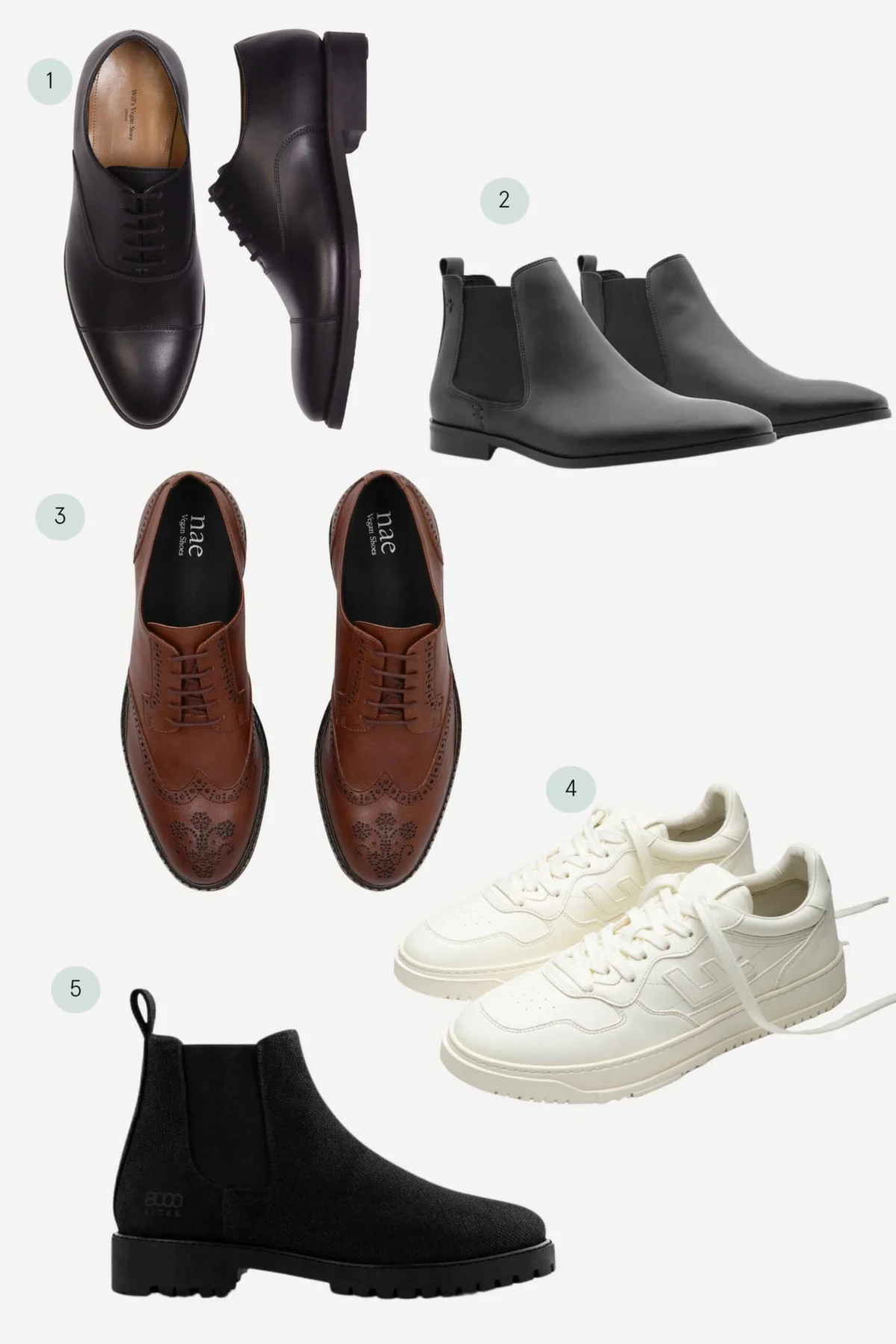
Will’s Vegan Store Goodyear Welted Vegan Oxford Shoes: A leader in vegan footwear, Will’s Vegan Store epitomizes ethical craftsmanship. Their Goodyear Welted Vegan Oxfords are a testament to durability and classic style, constructed from eco-friendly vegan leather derived from bio-oil and plants. The Goodyear welting technique, traditionally associated with high-quality leather shoes, ensures longevity and repairability, making these a truly sustainable investment. The brand prioritizes fair labor practices within its European manufacturing facilities, ensuring living wages and safe conditions for all workers.
-
COG Vegan Chelsea Boots: COG Vegan offers stylish and sophisticated footwear crafted entirely from innovative plant-based materials. Their Chelsea Boots are renowned for their sleek design and comfort, utilizing advanced vegan leathers that mimic the feel and performance of traditional leather without the environmental cost. COG Vegan is transparent about its supply chain, working with factories that adhere to strict ethical codes and minimize their ecological footprint through reduced water and energy consumption.
-
NAE Gael Vegan Brogues: NAE (No Animal Exploitation) is a Portuguese brand dedicated to creating high-quality vegan footwear with a strong environmental ethos. Their Gael Vegan Brogues are a classic example, featuring elegant perforations and robust construction using materials like recycled PET bottles, cork, and OEKO-TEX certified microfibers. NAE’s commitment extends to its local manufacturing in Portugal, ensuring fair labor and reduced carbon emissions through shorter supply chains. They actively research and incorporate new sustainable materials, pushing the boundaries of ethical design.
-
Flamingos’ Life Ventura Vegan Sneakers: While not strictly "dress shoes" in the traditional sense, smart sneakers have become acceptable for many office environments and casual events. Flamingos’ Life, a Spanish brand, excels in creating contemporary vegan sneakers from recycled and organic materials. Their Ventura Clean White model utilizes corn-based vegan leather, organic cotton, and recycled rubber soles. The brand emphasizes transparency, publishing information about its factories and environmental impact, making it a strong choice for those seeking a more relaxed yet ethical formal option.
-
8000Kicks The Crossover Hemp Chelsea Boot: 8000Kicks stands out for its pioneering use of industrial hemp, one of the most sustainable fibers available. Their Crossover Hemp Chelsea Boot combines rugged durability with sophisticated design, crafted from waterproof hemp fabric and recycled materials for the soles. Hemp cultivation requires minimal water and no pesticides, making it an exceptionally eco-friendly choice. 8000Kicks is committed to fair labor and reducing its carbon footprint, offering a unique blend of innovation and sustainability in the boot category.
These brands exemplify the growing possibilities within ethical footwear, demonstrating that style, quality, and moral integrity can coexist.
Market Trends and Future Implications
The trajectory for sustainable men’s dress shoes is one of continued growth and innovation. Industry analysts project that the global sustainable fashion market, including footwear, will continue its double-digit growth rates throughout the decade, driven by consumer demand, regulatory pressures, and technological advancements.
Key trends shaping the future include:
- Advanced Material Science: Ongoing research into bio-based, biodegradable, and recycled materials will lead to even more performant and environmentally friendly alternatives to traditional leather and synthetics.
- Enhanced Traceability: Blockchain technology and other digital tools will enable greater transparency throughout the supply chain, allowing consumers to verify the origin and ethical credentials of their purchases with unprecedented ease.
- Circular Business Models: More brands will adopt repair services, take-back programs, and product-as-a-service models, extending the lifespan of shoes and minimizing waste.
- Personalization and Customization: Sustainable practices may merge with bespoke services, offering made-to-order ethical footwear that reduces overproduction and caters to individual preferences.
The implications of this shift are far-reaching. For consumers, it means a growing array of choices that align with their values, making it easier to build a wardrobe that is both stylish and responsible. For manufacturers, it represents both a challenge to adapt outdated practices and an immense opportunity for innovation and market leadership. Ultimately, the ethical evolution of men’s dress shoes is a microcosm of the larger movement towards a more sustainable and equitable fashion industry, where conscious choices are becoming the new standard. As awareness deepens and technology advances, the future promises a world where dressing well inherently means doing good.