









On May 31, the author marked their 27th year, a day typically associated with celebration, yet found themselves unexpectedly overwhelmed by profound sadness, despite receiving an outpouring of messages and cards. This experience, far from an isolated incident, taps into a deeply resonant and increasingly recognized psychological phenomenon known as the "birthday blues," affecting a significant majority of the population and prompting a critical re-evaluation of how societal expectations intersect with individual emotional realities.
The Pervasive Nature of Birthday Distress: A Statistical and Psychological Overview
The phenomenon of experiencing sadness or anxiety on one’s birthday is remarkably widespread. Surveys suggest that an average of 83% of individuals report experiencing some form of "birthday blues." Psychologists frequently categorize birthdays as "temporal landmarks"—distinct points in time that compel introspection, comparison, and a recalibration of one’s life trajectory. These milestones, unlike ordinary days, inherently trigger a heightened state of self-awareness, often leading to a drastic alteration in mental state. Maddy Allen, 23, encapsulates this long-standing struggle, stating, "I have cried on my birthday almost every year since I was about five. Birthdays are a clear point of comparison. [I end up] reflecting on how much has changed." While acknowledging that such reflection can occasionally be constructive, Allen notes that negative thoughts frequently eclipse any positive self-assessment.
Mark Vahrmeyer, a psychotherapist at Brighton and Hove Psychotherapy, confirms that the "birthday blues" are a deeply ingrained social phenomenon and a "very recognisable and common experience." He posits that the distress frequently emanates from a fundamental cognitive dissonance, explaining, "A birthday functions like an annual confrontation between the life we imagined we would be living, and the life we are actually living." This "gap between the ‘expected self’ and the ‘actual self’" is identified as an emotionally potent space, capable of touching upon complex human experiences such as desire, regret, ambition, loss, and identity. The annual arrival of a birthday thus serves as an involuntary audit, forcing individuals to confront aspirations against achievements, past dreams against present realities, and projected futures against perceived limitations.
The Weight of Mortality and Unresolved Grief
For many, this confrontation with the "gap" can precipitate a stark increase in psychological distress, extending beyond mere sadness to profound existential angst. Caroline Davies, 24, articulates this sentiment poignantly: "There’s no party that can make you feel like you’re escaping your own mortality." This stark realization of the passage of time and the finite nature of life can be particularly acute on one’s birthday. The gravity of this phenomenon is underscored by population-based studies, which have indicated that suicide risks are demonstrably higher—ranging from six percent to an alarming 40 percent—on birthdays compared to ordinary days. This data highlights the critical need for awareness and support during these potentially vulnerable periods. Vida Adamczewski, 28, shared a particularly harrowing experience, recalling attempting a "codeine overdose washed down with Prosecco" on her 18th birthday, a year she describes as being "full of shattering family drama and school pressure." Her testimony underscores how pre-existing mental health challenges or difficult life circumstances can be acutely amplified by the pressures and introspection associated with birthdays.
Beyond existential dread, birthdays can also force an agonizing confrontation with grief and loss. For individuals who have experienced the death of a loved one or are estranged from family members, the day transforms from a celebration into a painful reminder of their absence. The author’s personal experience of losing their mother as a teenager and being estranged from their father exemplifies this, rendering the day a stark tableau of personal losses. This sentiment is echoed by broader psychological findings: bereaved individuals frequently report a significant increase in severe depressive symptoms when compelled to confront a major life milestone, such as a birthday, without their loved one. Stanley Smith, 27, articulates this profound void, stating, "My mum made every single birthday so special for me in the past, so I have become used to feeling loved and appreciated on my birthday. That has changed since her passing. I don’t have that same care." The absence of familiar rituals and the emotional support previously provided by deceased loved ones can leave individuals feeling profoundly isolated and bereft on a day traditionally marked by togetherness and affection.
Societal Pressures and the Digital Echo Chamber
These internal emotional struggles are often exacerbated by pervasive cultural and social expectations surrounding birthdays. Vahrmeyer describes this as "socially prescribed happiness," a concept he finds "profoundly alienating because birthdays come with an emotional instruction: you should be happy, you should feel loved, you should be grateful, you should want to celebrate." The inherent difficulty, as Vahrmeyer observes, is that "human beings do not experience emotion on command." This cultural mandate to display unadulterated joy creates an additional layer of pressure, leaving individuals who are genuinely struggling feeling guilty, isolated, and further convinced that their emotional response is somehow incorrect or abnormal.
In the contemporary digital era, this "emotional instruction" is amplified exponentially by social media platforms, trapping young adults and indeed people of all ages in a relentless cycle of comparison. Vahrmeyer notes that birthdays frequently "become performances of being loved. It can become a painful measurement: who remembered, who forgot, how much effort was made, and how does my life look compared with others?" The curated highlight reels of extravagant celebrations, lavish gifts, and effusive tributes shared online can inadvertently cultivate a sense of inadequacy and loneliness for those whose reality does not align with these idealized portrayals. The pressure to present a flawless, joyous front for public consumption often masks underlying anxieties, creating a paradoxical situation where individuals feel compelled to appear happy while privately battling profound emotional distress.
Historical and Cultural Context of Birthday Celebrations
To fully understand the modern phenomenon of birthday blues, it is helpful to consider the historical evolution and cultural significance of birthday celebrations. Historically, birthdays were not universally celebrated. Ancient civilizations, such as the Egyptians and Greeks, marked the birthdays of gods and pharaohs, but not common people. The Romans were among the first to celebrate the birthdays of ordinary citizens, though mainly for men. Early Christianity initially rejected birthday celebrations due to their pagan origins and associations with hedonism.
The widespread celebration of individual birthdays as we know it today largely emerged in the 19th century, particularly with the German tradition of Kinderfeste (children’s festivals), which included cake, candles, and gifts. This trend gained momentum in Western societies, propelled by the rise of individualism and commercialization in the 20th century. Marketers quickly recognized the economic potential of birthdays, transforming them into occasions for gift-giving, elaborate parties, and specialized products. This commercialization has undoubtedly contributed to the escalating expectations surrounding birthdays, shifting them from simple acknowledgments of age to high-stakes social events laden with financial and emotional investment. Different cultures also imbue birthdays with varying levels of significance and rituals, further shaping individual experiences and expectations. For example, some cultures place greater emphasis on specific milestone birthdays, while others may focus more on collective, rather than individual, celebrations.
Coping Mechanisms and Shifting Perspectives
In response to these mounting pressures, some individuals are actively seeking and creating alternative ways to cope with and depressurize their birthdays. Rachel Edwards, 33, recounts her friend Johann’s "brilliant idea of creating a ‘crying competition’ at their birthday, to which I planned on taking an onion to help guests who might need it." This innovative approach playfully subverts the expectation of constant happiness, creating a space for authentic emotional expression.
Edwards has also adopted what she terms "birthday fluidity." She explains, "I changed my birthday from February to April Fools’ Day, and the whole day felt like a sort of prank." This radical approach to reclaiming agency over the day has evolved further: "I now choose the date of my birthday each year. If I don’t feel like having it in February, I just change the date to a month that I do." This strategy highlights a growing trend towards personalizing celebrations and detaching them from fixed calendar dates, thereby mitigating the pressure associated with a specific, often emotionally charged, anniversary. By decoupling the celebration from its rigid historical marker, individuals can select a time when they are genuinely better equipped emotionally and circumstantially to engage in celebratory activities.
Mental health professionals often recommend several strategies for navigating birthday distress. These include:
- Lowering Expectations: Consciously reducing the pressure for the day to be perfect or for specific events to unfold.
- Practicing Self-Compassion: Acknowledging that it is okay to feel a range of emotions, including sadness or anxiety, and treating oneself with kindness.
- Engaging in Meaningful Activities: Instead of focusing on grand celebrations, choosing activities that genuinely bring joy, comfort, or a sense of purpose, whether solitary or with a select few.
- Limiting Social Media Exposure: Reducing time spent on platforms that fuel comparison and pressure.
- Communicating Feelings: Sharing one’s anxieties or sadness with trusted friends or family members who can offer support and understanding.
- Seeking Professional Support: If feelings of distress are severe or persistent, consulting a therapist or counselor can provide valuable coping tools and strategies.
Broader Implications for Mental Wellness and Authentic Connection
The widespread experience of "birthday blues" underscores a broader societal challenge regarding mental wellness and the authenticity of human connection. The expectation for constant happiness, particularly during socially designated celebratory periods, can be profoundly detrimental to mental health, fostering feelings of isolation and inadequacy when individuals fail to meet these often unrealistic benchmarks. Recognizing and validating these complex emotional experiences is crucial for creating a more compassionate and understanding society.
Moving forward, there is an increasing call to foster more authentic celebrations and self-acceptance. This involves challenging the commercial and social media-driven narratives of idealized joy and embracing the full spectrum of human emotions. It encourages a shift from external validation to internal well-being, prioritizing genuine connection, self-care, and personal meaning over performative happiness.
Ultimately, while self-reflection and evaluating one’s life trajectory can be a healthy tool for personal growth, birthdays can frequently become unduly high-stakes occasions—and it is precisely at this point that they can become detrimental to mental well-being. As psychotherapist Mark Vahrmeyer sagely warns, "birthdays should not become a courtroom in which the self is put on trial." The emphasis should shift from an external judgment of one’s life to an internal acceptance of one’s journey.
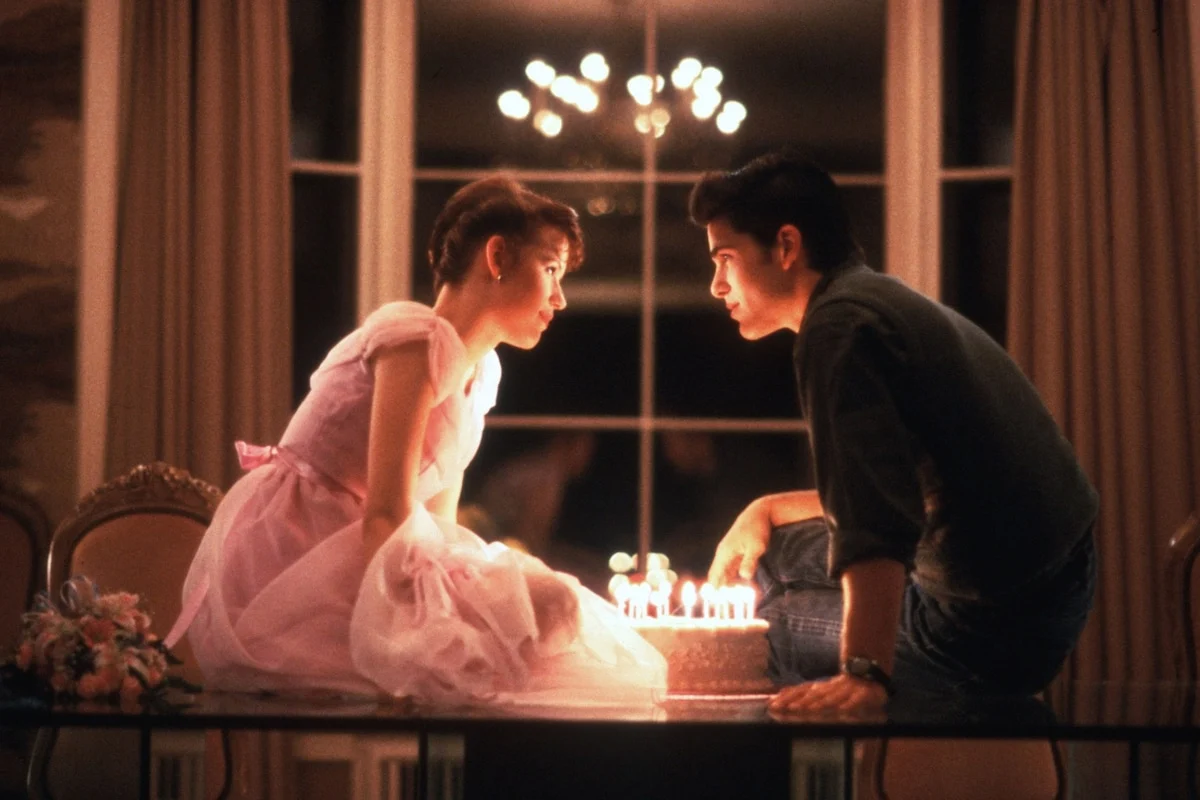
Therefore, as one’s next birthday approaches, the imperative is to consciously reduce the pressure associated with the day. Resist the urge to treat it as a fleeting opportunity to entirely overhaul one’s life, or as a rigorous test for friends and family to "prove" the depth of their affection. Instead, consciously take the pressure off yourself, grant permission to experience whatever emotions arise—including tears if they come—and perhaps simply enjoy a piece of cake. By embracing this more compassionate and realistic approach, there is a significantly greater likelihood of genuinely finding enjoyment in the day, rather than succumbing to the weight of external expectations and internal scrutiny.