





The Anti-Feminist Fabric of Fast Fashion
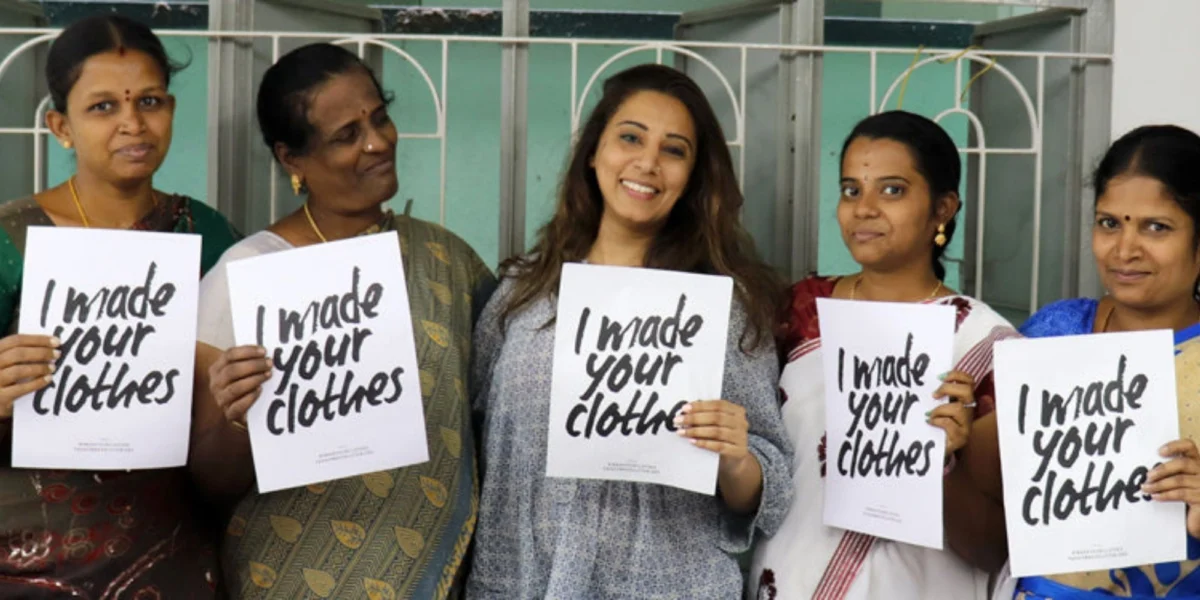
The celebratory spirit of International Women’s Day offers a poignant moment to scrutinize industries that, despite their outward glamor, often perpetuate systemic inequalities. Fast fashion, characterized by its rapid production cycles, low prices, and disposable trends, stands as an inherently anti-feminist force and a significant environmental aggressor. Since the advent of globalization in the 1980s, the vast majority of our clothing has been grown, sewn, and crafted in countries far removed from consumer markets, primarily by a workforce dominated by women – often women of color. Estimates suggest that women comprise approximately 80% of the global garment workforce, with millions toiling in exploitative conditions.
These women are routinely subjected to severe underpayment, with wages frequently falling below a living wage, trapping them and their families in cycles of poverty. Beyond economic exploitation, many endure daily harassment, verbal abuse, and immense pressure to meet demanding production quotas in unsafe and unsanitary factories. The tragic collapse of the Rana Plaza factory in Bangladesh in 2013, which killed over 1,100 garment workers, predominantly women, remains a stark reminder of the deadly consequences of prioritizing profit over human safety. This dire reality exists for the production of items like a $10 top, often designed to be worn a few times before being discarded, further fueling a linear economy of waste.
The detrimental impact of fast fashion extends beyond direct labor exploitation. Documentaries such as "The True Cost" have laid bare the industry’s environmental devastation, from massive water consumption and pollution by dyes and chemicals to enormous textile waste choking landfills. Fast fashion also subtly disempowers women by relentlessly promoting unrealistic beauty standards, which contribute to body image issues and fuel a culture of excessive consumption. Furthermore, the immense profits generated by this exploitative model predominantly flow into the pockets of majority-male C-suites and shareholders, reinforcing existing power imbalances. In this complex and often disheartening narrative, traditional "knights in shining armor" are conspicuously absent. Instead, an empowered community of entrepreneurial women is rising, committed to transforming the fashion industry through innovative and responsible approaches. Their work underscores the intersectionality of environmentalism and feminism, demonstrating how empowering women can lead to more equitable and sustainable futures for all.
The Intersections of Feminism and Sustainability: A Growing Awareness
The link between environmental degradation and gender inequality, often termed ecofeminism, is gaining increasing recognition. This perspective highlights that patriarchal systems, which exploit nature, also contribute to the subjugation of women. Within the context of the fashion industry, this connection is particularly stark. Women, especially those in developing nations, bear the brunt of both environmental pollution (e.g., contaminated water sources near textile factories) and social injustice (e.g., exploitative labor practices). Supporting women-owned sustainable brands therefore becomes a direct act of both environmental and feminist advocacy. It redirects economic power, fosters ethical supply chains, and champions business models that prioritize people and planet over pure profit. This conscious consumerism is not merely a trend but a growing movement, driven by an informed public seeking to align their purchasing power with their values. For those interested in delving deeper into the intricate connections between environmentalism and feminism, various academic and activist resources offer comprehensive insights into this vital intersection.
Pioneering Change: Women-Led Innovation in Ethical Consumption
The burgeoning landscape of ethical consumerism is increasingly shaped by visionary women founders who are not only creating desirable products but also embedding sustainability and social responsibility into the very DNA of their businesses. These entrepreneurs are challenging the status quo, proving that style, quality, and ethics can coexist. From sourcing lower-impact materials and ensuring fair wages to pioneering circular design and supporting marginalized communities, their brands represent a powerful force for good. The expansion of ethical ratings to include skincare, cosmetics, and haircare further amplifies this movement, demonstrating a holistic approach to responsible consumption.
Celebrating Impact: A Curated List of Women-Owned Sustainable Brands
In recognition of International Women’s Day, we proudly present a curated selection of women-owned brands that have earned "Good" or "Great" ratings on our comprehensive directory. These brands span fashion, accessories, and beauty, showcasing diverse approaches to ethical production and consumption across North America, Europe, the UK, Australia, and Asia.
North America: Innovating from the Ground Up
The North American landscape is fertile ground for sustainable innovation, with women-owned brands leading the charge in ethical production and conscious design.
- SANTICLER: This US-based label, founded by an early advocate of slow fashion, curates timeless womenswear pieces designed to minimize waste. Utilizing GOTS-certified cotton and responsibly sourced wool, SANTICLER exemplifies how intention and quality can counteract the disposable nature of fast fashion. Their commitment to enduring design offers a pathway to a more sustainable wardrobe, available in sizes XS-L.
- Harvest & Mill: Championing an entirely US-based supply chain, Harvest & Mill supports American organic cotton farmers and local sewing communities. Their range of undyed and unbleached basics significantly reduces water, energy, and chemical use. By cultivating diverse cotton varieties, they actively bolster biodiversity, a critical element for ecosystem health and climate resilience. Available in sizes S-XL, their products are a testament to localized, regenerative practices.
- Unbelts: Founded with a dual mission, Unbelts creates stretchy, perfectly fitting belts while simultaneously fostering quality jobs across its supply chain. Their commitment to ethical labor practices ensures that every person involved in production is treated with dignity and paid fairly, demonstrating a holistic approach to social responsibility.
- POPLINEN: Desiree Gaitan-Buchanan, founder of POPLINEN, articulates a crucial vision: "As a woman of color with Latina roots, I started Poplinen because sustainable fashion should not be exclusive, and if we truly want to address sustainability issues globally, the industry is in need of more minority representation within the space." Her brand’s minimalist, plant-based wardrobe essentials, crafted from lower-impact materials like linen and produced locally in California, embody this ethos. POPLINEN actively works towards an equitable climate future, offering sizes XS-3XL and an exclusive 15% off during International Women’s Month with code POPLINENIWM15.
- Natasha Tonic: Pioneering in sustainable swimwear, Natasha Tonic utilizes a natural hemp fiber that is antimicrobial, UV resistant, durable, and environmentally conscious. Each piece is hand-printed, ensuring uniqueness and reducing the environmental footprint associated with mass production. Her brand highlights the potential for innovative materials to transform traditionally high-impact product categories, with swimwear available in sizes XS-XL.
- Kotn: This Canadian Certified B Corp goes beyond sustainable materials, investing directly in the communities that cultivate their cotton. By partnering with local NGOs in the Nile Delta, Kotn funds school infrastructure, materials, and teacher salaries, actively combating low literacy rates. Every purchase directly contributes to community development, providing beautifully made garments in sizes XS-2XL with a profound social impact.
- Proclaim: Based in Los Angeles, Proclaim creates inclusive bras, underwear, and basics from recycled plastic bottles and TENCEL. Their designs come in three shades of "nude," challenging conventional beauty standards and promoting diversity. The brand ensures its California factory workers earn a living wage and maintains regular oversight of its suppliers, offering sizes S-3XL.
- Parker Clay: More than just a bag, Parker Clay’s products are tools for social change. This American brand partners with the Ellilta Women at Risk program in Ethiopia, providing stable incomes and safe working environments for women transitioning out of prostitution. By preserving traditional Ethiopian techniques and materials, Parker Clay fosters economic independence while honoring cultural heritage.
- Chelsea Bravo: Brooklyn-based Chelsea Bravo infuses artistry into simple, contemporary silhouettes for women and men. Her collections are sustainably made with a high proportion of eco-friendly materials, demonstrating that fashion can be both cutting-edge and conscious.
- Subset (Knickey): This US brand, manufacturing in a Fairtrade certified factory, offers organic cotton underwear sets that prioritize ethical labor. Subset also innovates in circularity by partnering with an NYC non-profit to recycle old undergarments into insulation, significantly reducing textile waste. This initiative encourages responsible consumption and extends the lifecycle of materials, available in sizes 2XS-4XL.
- ARTICLE22: A powerful example of upcycling with a social mission, ARTICLE22 creates handcrafted jewelry in Laos from recycled materials derived from Vietnam War bombs, plane parts, and military hardware. This brand transforms remnants of conflict into symbols of peace and economic empowerment, providing sustainable income for local artisans and contributing to unexploded ordnance clearance. Available in sizes S-XL, it represents profound innovation.
- Bario Neal: As a custom jewelry designer, Bario Neal crafts handmade rings and fine jewelry using conflict-free diamonds and ethically sourced gemstones. Their commitment to lower-impact materials, including reclaimed precious metals and Fairmined gold, ensures that beauty does not come at an environmental or human cost.
- Minimalist: Anchored in timeless design, Minimalist offers women’s ready-to-wear pieces made in New York, designed for end-of-life recycling. The brand champions certified lower-impact materials and fair wage conditions in its local NYC factories, contributing to a more sustainable and ethical fashion ecosystem. Available in sizes XS-L, Minimalist offers a solution for conscious consumers seeking elegant, responsible apparel.
Europe + the UK: Crafting a Responsible Future
European and UK brands, guided by a strong tradition of craftsmanship and a growing commitment to sustainability, are redefining luxury and everyday essentials through ethical lenses.
- Lefrik: This Spanish brand, founded in 2012, specializes in urban bags, backpacks, and travel essentials made from recycled PET plastic bottles. Lefrik’s focus on high-quality, lower-impact fabrics and functional design offers a sustainable solution for the modern traveler, transforming waste into durable, fashionable accessories.
- JAN ‘N JUNE: Hailing from Hamburg, this fair fashion label was born from young female entrepreneurs seeking stylish, sustainable, and affordable options. JAN ‘N JUNE successfully combines minimalistic aesthetics with ethical production, utilizing responsible materials and transparent practices. Available in sizes XS-XL, it demonstrates that ethical fashion can be accessible.
- Mashu: A British brand specializing in vegan handbags, Mashu exemplifies luxury without cruelty. Their accessories feature vegan leather alternatives for exteriors and recycled polyester vegan suede for interiors. This commitment ensures that consumers can enjoy high fashion without compromising their ethical principles.
- Facettes Studio: This Parisian brand offers "wardrobe essentials for the multifaceted woman," focusing on upcycled materials and banning polyester and polyamide from its collections. Specializing in suits, Facettes Studio also provides repair and alteration services, promoting longevity and a circular economy in fashion. Available in sizes FR 34-44, it embodies conscious French elegance.
- ColieCo: From Portugal, ColieCo creates lingerie, underwear, and swimwear through a handmade-to-order process. This approach ensures premium quality and minimizes waste, using exclusively lower-impact and responsibly sourced fabrics. Available in sizes 2XS-3XL, ColieCo champions intimate apparel that is both luxurious and ethical.
- BASTET NOIR: This brand stands out with its modular 3-piece sets, crafted from deadstock fabrics in limited runs. BASTET NOIR offers multifunctional, travel-friendly essentials for the working woman, minimizing textile waste through its innovative use of materials and custom sizing options (sizes 36-42 or custom).
- Lucy Bee: A UK-based organic skin and bodycare brand, Lucy Bee is renowned for its coconut-based products. Certified vegan and cruelty-free, the brand explicitly states its ethical sourcing practices, including not using monkeys for coconut harvesting, and avoids palm oil in its formulas. Lucy Bee showcases how transparency and ethical choices can define a beauty brand.
- Indilisi: With a strong focus on heritage crafts and handweaving, Indilisi creates clothing from surplus deadstock fabrics. This approach honors traditional artistry while significantly reducing textile waste, offering unique pieces with a rich cultural narrative.
- Akyn: Founded by sustainable fashion industry luminary Amy Powney, Akyn delivers contemporary and timeless womenswear. The brand is dedicated to using lower-impact materials, continuing Powney’s legacy of pioneering ethical practices within the fashion world.
- HERTH: This Italian lifestyle brand merges sustainability and ethics with timeless aesthetics. HERTH promotes slow fashion through contemporary pieces characterized by clean silhouettes and meticulous attention to detail. Crafted by local Italian artisans with lower-impact materials, it embodies effortless, responsible luxury. Available in sizes XS to 2XL, HERTH is currently offering 50% off selected organic silk styles from its archive for a limited time, ending March 11.
- Jyoti – Fair Works: Based in Germany, Jyoti – Fair Works produces GOTS certified cotton products while providing employment opportunities for marginalized or disadvantaged groups in India. This brand exemplifies fair trade principles, ensuring social equity alongside environmental responsibility. Available in sizes S-XL, it’s a model for ethical supply chains.
- Not Basics (Pantee): This UK-based brand focuses on comfortable women’s wardrobe essentials, starting with underwear made from deadstock t-shirts. Not Basics incorporates a high proportion of recycled and lower-impact materials, with limited production runs to minimize textile waste. Available in sizes XS-3XL, it provides everyday items with a reduced environmental footprint.
Australia: Sustainable Style Down Under
Australian women are also at the forefront of the ethical movement, creating brands that resonate with the continent’s unique environmental consciousness.
- Sans Beast: Launched in 2018, Sans Beast creates luxury vegan bags and accessories that are entirely cruelty-free. The brand is meticulous about sourcing, utilizing Global Recycled Standard certified materials and innovative plant-based leathers from cactus and apple. Sans Beast proves that high fashion can be both beautiful and beast-free.
- Oobi: This Australian brand offers girl’s fashion, swimwear, homewares, and lifestyle products, prioritizing low-impact, non-toxic dyes and avoiding animal products. Oobi further reduces its climate impact by using sea freight for transportation. Their commitment extends to offering an exclusive 10% off their Easter Collection with code OOBIEASTER10 until April 2, encouraging sustainable choices for children’s wear.
- Eco Intimates: Specializing in organic cotton lingerie, intimates, and sleepwear, Eco Intimates caters to women who prioritize their bodies and the planet. The brand’s focus on natural, comfortable materials ensures ethical choices for foundational wardrobe pieces. Loungewear is available in XS-2XL, with some lingerie up to 4XL.
- nat’v basics: Designed for the everyday woman, nat’v basics is an Australian responsible underwear label crafted from recycled and lower-impact materials. The brand’s focus on comfort and minimalist design ensures pieces that are both practical and environmentally sound. Available in AU sizes 6-20, they offer seamless ethical choices.
- BJ’s PJs: Australia-based BJ’s PJs creates minimal, comfortable, and supportive lounge and sleepwear using lower-impact materials. Manufacturing garments locally to reduce shipping impact and tracing most of its supply chain, the brand embodies transparency and responsible production. Available in sizes XS – 4XL, it offers ethical comfort for all.
- TALI & TASI (formerly Tasi Travels): For travelwear designed for adventures, TALI & TASI offers a stunning collection of handmade, made-to-order garments in lower-impact materials. Their commitment to minimizing environmental footprint allows travelers to explore the world with a clear conscience. Garments come in sizes XS/S, S/M, and M/L.
Asia: A Hub of Responsible Production
Asia, often at the heart of the global garment industry, is also home to pioneering women-owned brands dedicated to ethical production and circularity.
- Loop Swim: Headquartered in Shanghai and co-founded by women from the US and India, Loop Swim is on a mission to close the loop on waste. They transform post-consumer plastic bottles into REPREVE UP50+ sun-protective swimwear for the entire family. Their trendless, high-quality designs are built for durability, promoting circular design principles. Most items are available in sizes XS-XL.
- SeamsFriendly: Co-founders Nayanika Jain and Anurag Sarawgi emphasize their brand’s philosophy: "The fashion industry has long relied on a one-size-fits-some template, churning out garments made predominantly from synthetic materials. We envisioned a brand that would turn this model on its head – a brand that offers truly custom-made, customisable clothing, designed for every woman, regardless of her body type, size, or height – and ensuring everything is made from more sustainable materials." SeamsFriendly creates beautiful tailored pieces for all body types, focusing on function and utility with lower-impact materials like organic cotton and linen. Shoppers can extensively customize designs—from neck style and depth to sleeve and garment length—ensuring a perfect, personal fit. The brand offers an exclusive 15% off with code SF-GY15 (excluding sale items) until March 28. Their product sizing is customisable (bust 26″-70″, waist 19″-63″, including petite, regular, and tall heights), and a kids range (bust: 18″-28″, waist: 19″-26″) is also available, making truly inclusive and sustainable fashion a reality.
The Broader Implications and Future Outlook
The collective efforts of these women-owned sustainable brands represent more than just a marketplace alternative; they signify a fundamental shift in how business can be conducted. By prioritizing ethical labor, environmental stewardship, and inclusive design, these entrepreneurs are not only creating valuable products but also building more resilient and equitable economies. Supporting such businesses on International Women’s Day, and indeed every day, is a tangible way for consumers to exercise their power, fostering demand for transparency and responsibility across industries.
The growth of this sector challenges the prevailing fast fashion model, demonstrating that profitability and purpose are not mutually exclusive. As consumer awareness of supply chain ethics and environmental impact continues to rise, the influence of these pioneering women-led brands is poised to grow further. Their success provides a blueprint for a future where economic activity actively contributes to social well-being and ecological health, moving beyond mere compliance to genuine regeneration. The journey towards a truly sustainable and feminist fashion industry is ongoing, but the strides made by these innovative women offer immense hope and tangible progress.
Editor’s note: Feature image via Unsplash, group image via The Good Tee, all other images via brands mentioned. Good On You publishes the world’s most comprehensive ratings of fashion brands’ impact on people, the planet, and animals. Use our directory to search thousands of rated brands. We updated this article on 26 February 2026. Our editors frequently make updates to articles to ensure they’re up to date. We refreshed our product round-up to ensure it reflects brands with recent ratings.