









Core Event and Strategic Planning
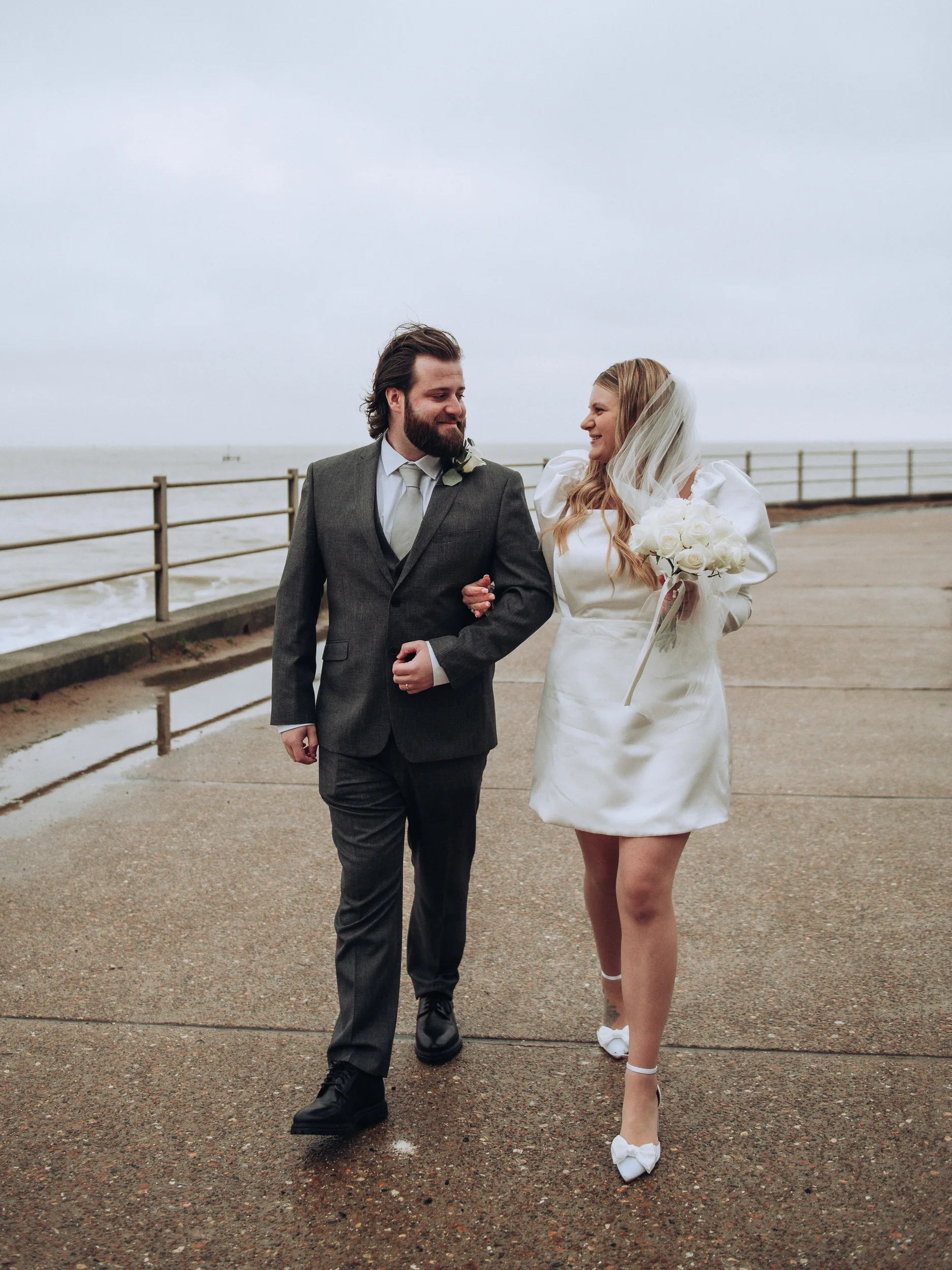
The wedding of Libby and Charlie was characterized by a deliberate focus on minimalism and 1960s aesthetic sensibilities. Married in December, the couple chose to keep the ceremony private, intending to surprise their extended social circle with the news at a later date. This strategic choice reflects a modern shift in nuptial planning, where couples prioritize the emotional and spiritual experience of the union over the performance of a public event.
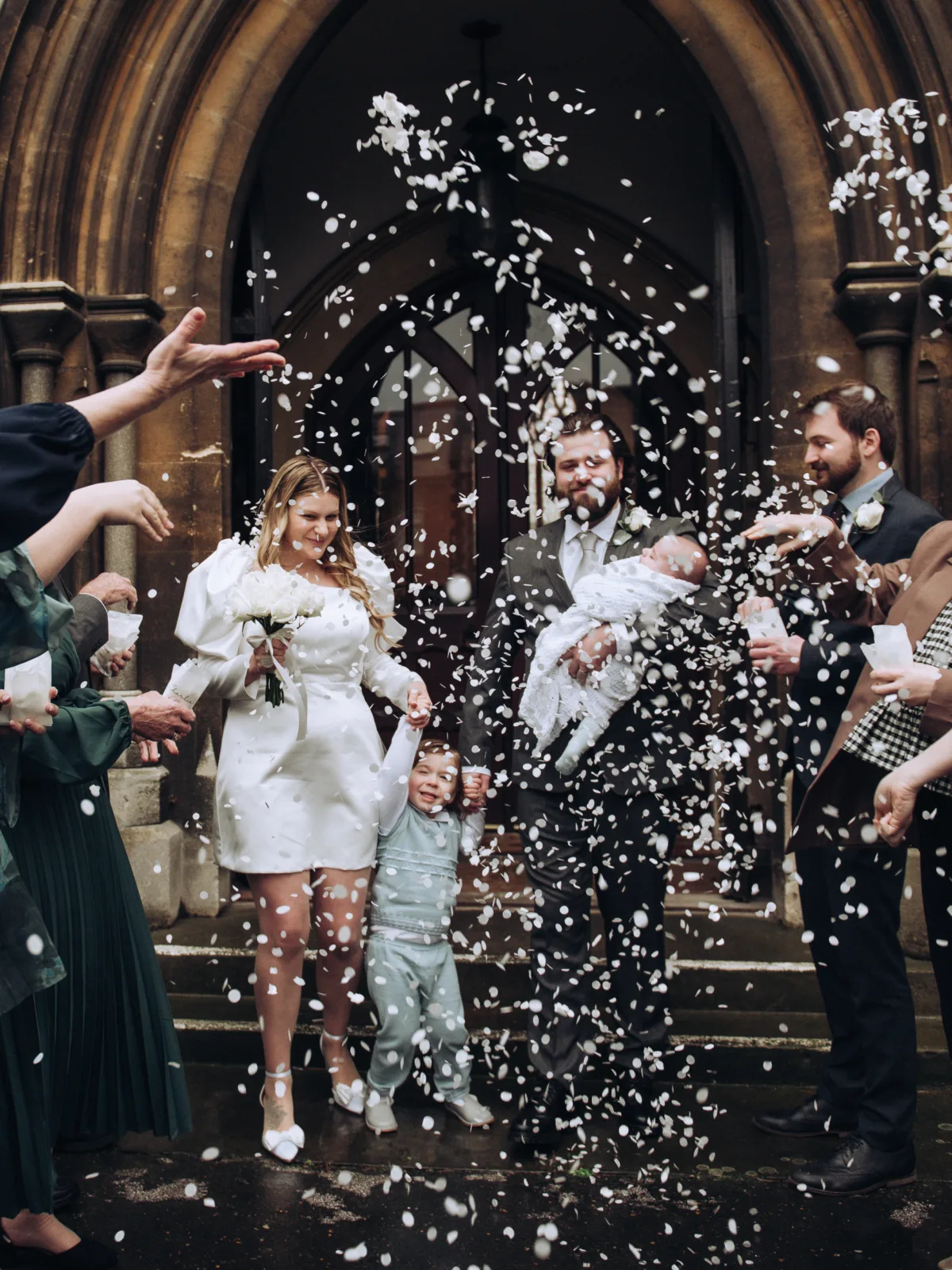
The couple’s two young sons played a central role in the proceedings, serving as Libby’s "something blue" through their coordinated blue outfits. This integration of children into the core of the ceremony highlights the evolving nature of the nuclear family in contemporary wedding narratives, where the celebration often follows the establishment of a home and the birth of children rather than preceding them.
Chronology of the Relationship and Wedding Timeline
The union of Libby and Charlie is the culmination of an eight-year relationship that began during their secondary education.
- 2016: The couple met as students at the age of 17, beginning a long-term partnership that would see them through the transition into adulthood.
- 2016–2023: Over seven years, the couple achieved several domestic milestones, including the purchase of their first home and the birth of their first son.
- September 2023: Charlie proposed on a local beach in Kent, a location that held significant personal value and would later serve as a backdrop for their official wedding portraiture.
- Late 2023: Shortly after the engagement, the couple discovered they were expecting their second child. This prompted a decision to accelerate their wedding plans, favoring a short engagement over a multi-year planning process.
- December: The wedding took place just over a year after the engagement, following the birth of their second son.
This timeline illustrates a pragmatic approach to marriage, where the ceremony is treated as a formalization of an already established family unit. The decision to marry within two months of finalizing their plans is a notable deviation from the UK average engagement length, which typically spans 15 to 20 months.
Aesthetic and Design: The 1960s Influence
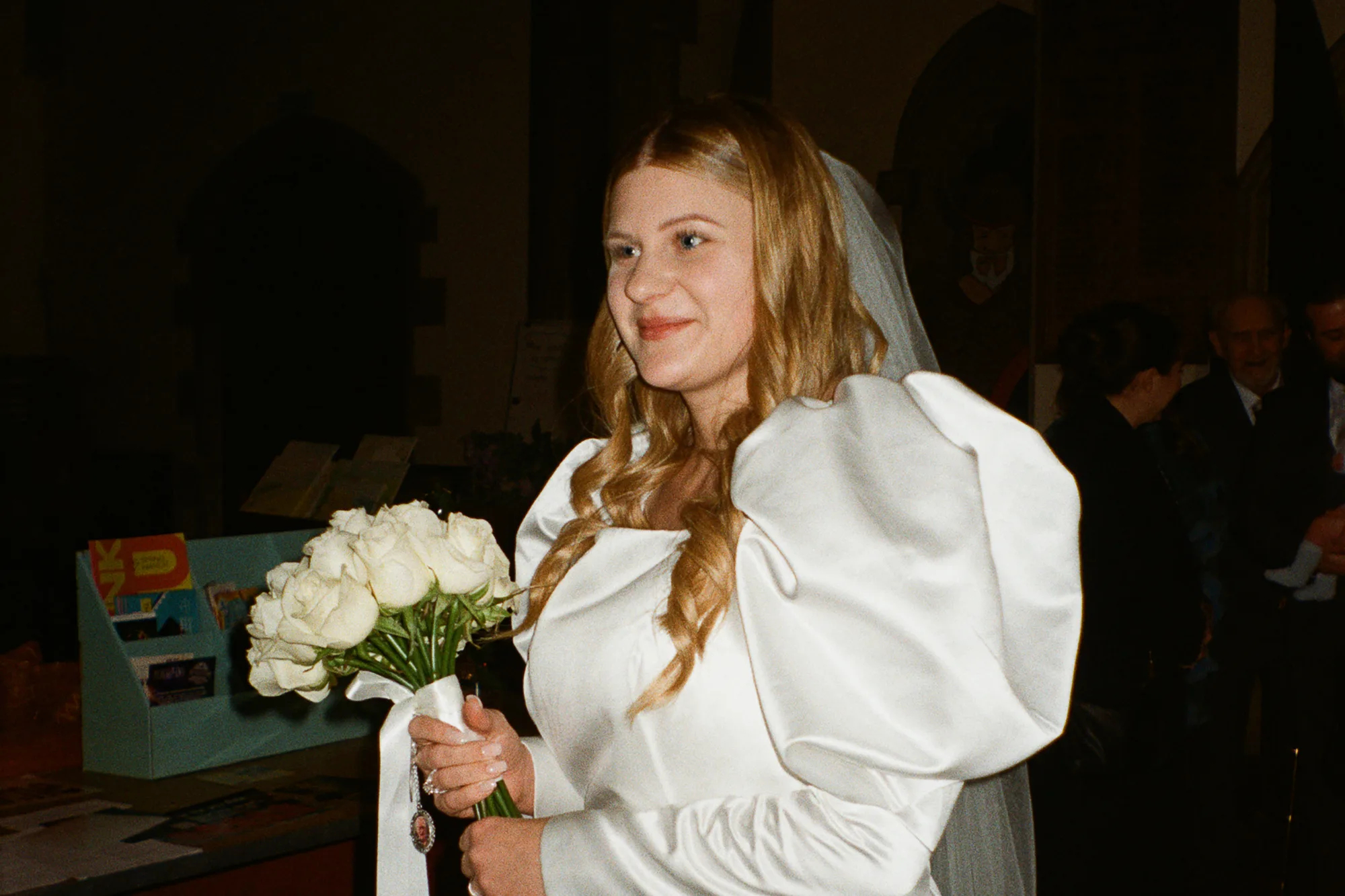
The visual theme of the wedding was heavily influenced by the minimalist fashion of the 1960s. Libby’s choice of attire—a short, puff-sleeve mini dress—referenced the "Mod" silhouettes of the mid-20th century. This era is often cited by fashion historians as a period when weddings began to move away from the heavy Victorian influences toward more practical and youthful designs.
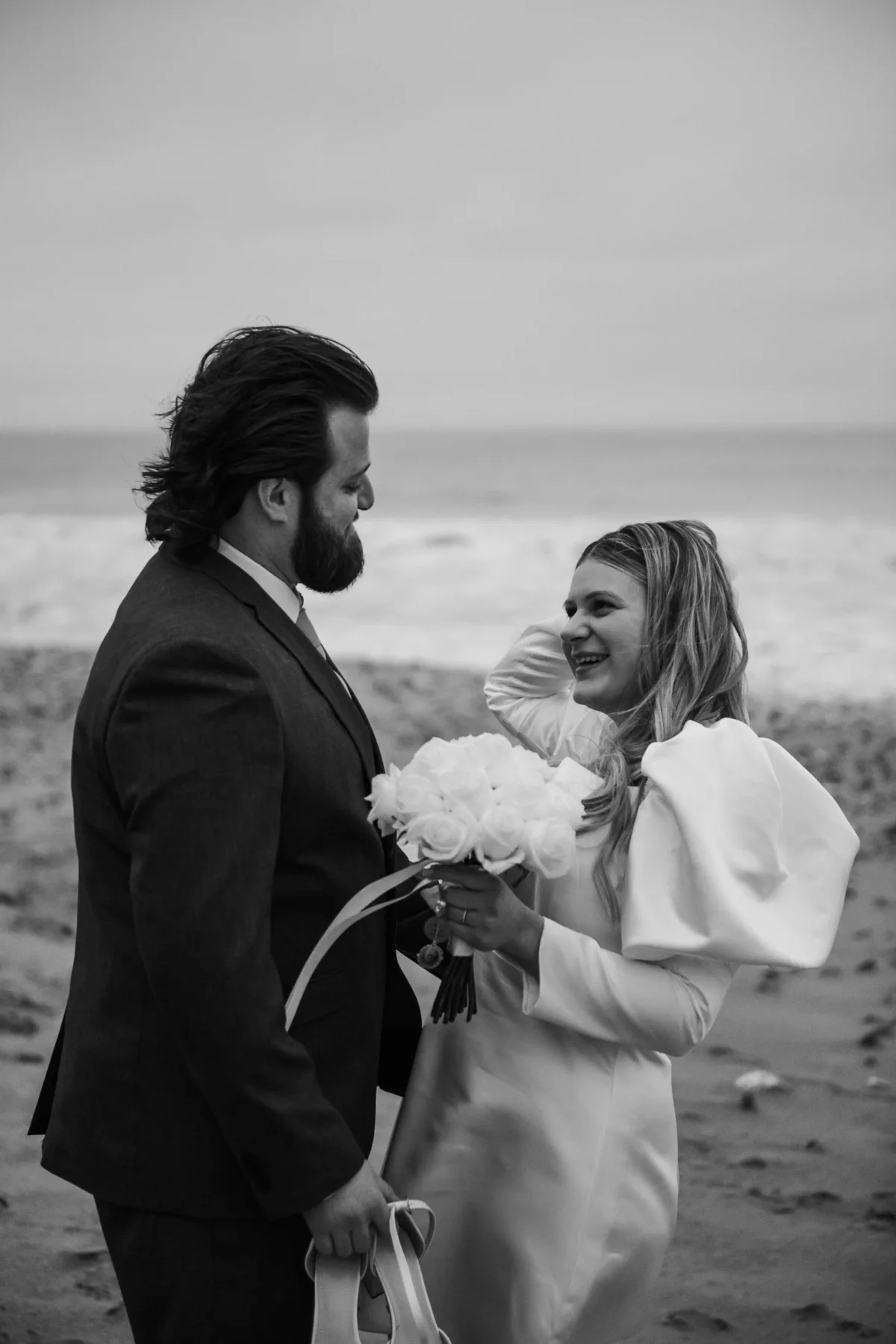
The floral arrangements were strictly limited to white roses, the bride’s preferred flower. By adhering to a monochromatic white palette, the couple emphasized a "less is more" philosophy. The only deviation from this color scheme was the blue worn by their sons, creating a stark, clean visual narrative.
Industry analysts suggest that the return to 1960s minimalism is a reaction against the "maximalist" trend of the 2010s. By focusing on simple designs and high-quality materials, couples can achieve a timeless aesthetic that is less susceptible to the shifting trends of the wedding industry.
Religious and Historical Context: St Luke’s Church
The choice of St Luke’s Church in Ramsgate was rooted in deep-seated family history and community ties. For Libby, the venue represented a multi-generational link:
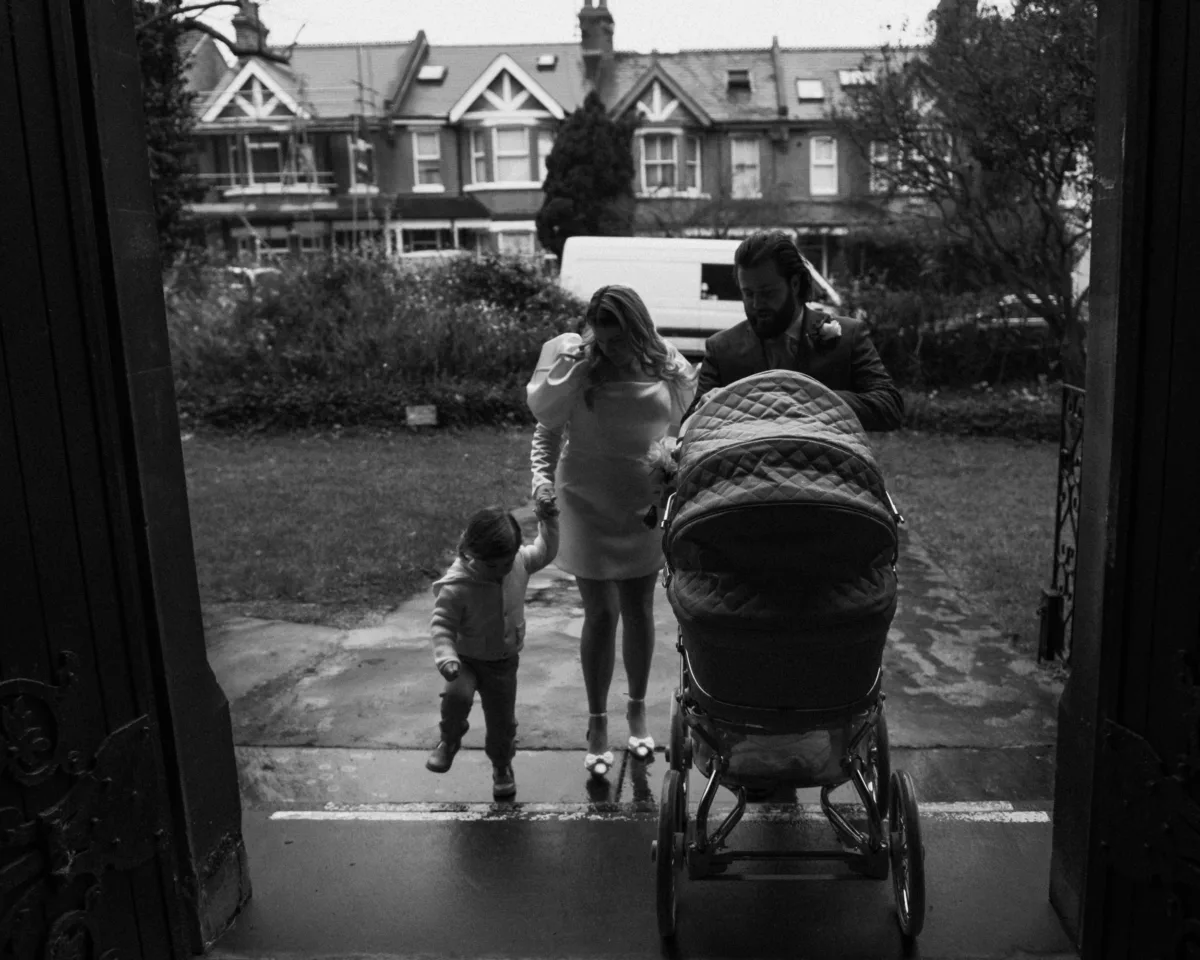
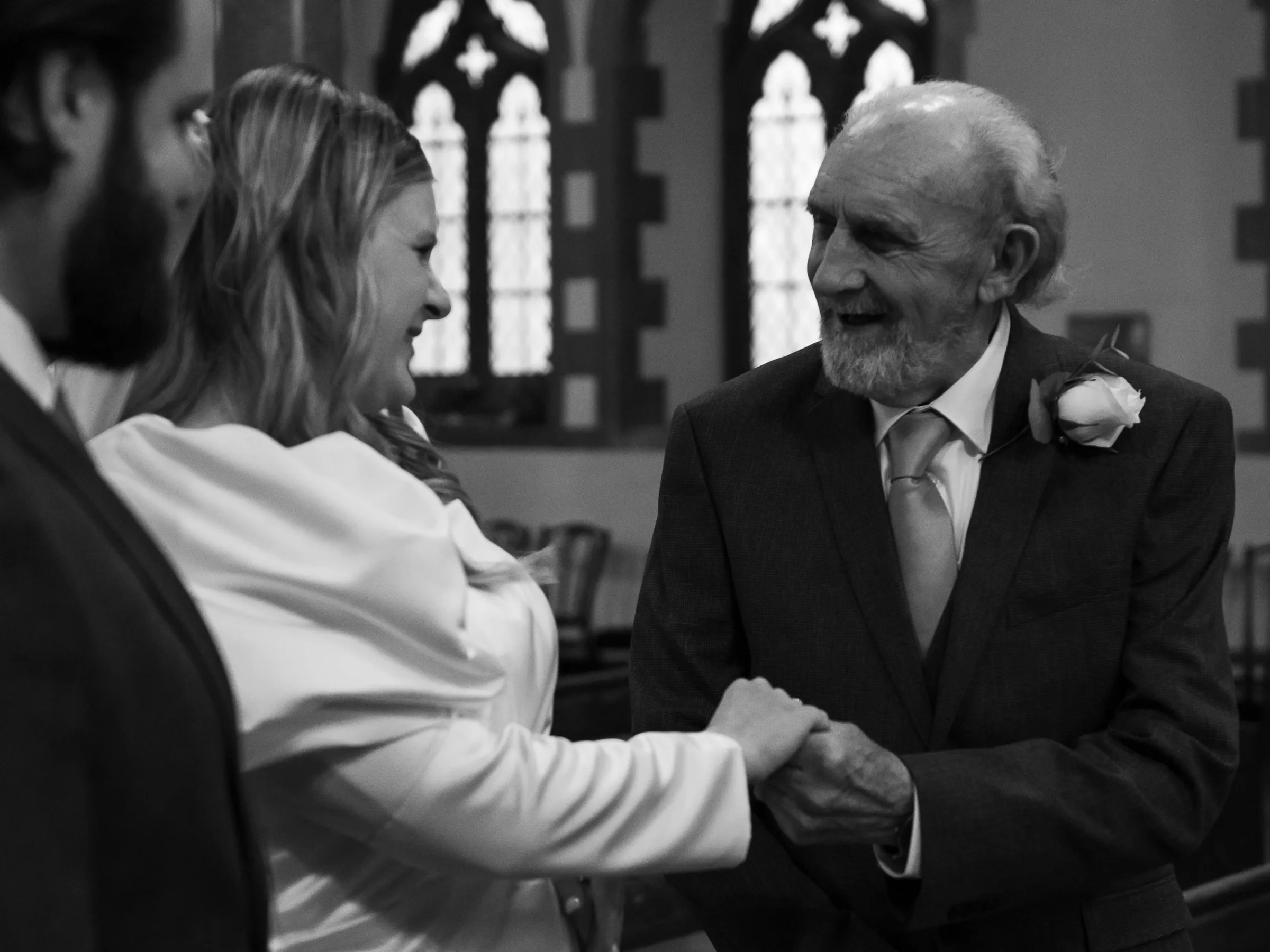
- Historical Continuity: The bride’s grandparents were married in the same church, and she was walked down the same aisle by her grandfather (referred to as "Gangan"), who has served as a primary father figure in her life.
- Personal Milestones: The church was the site of Libby’s own christening, as well as the christenings of both of the couple’s sons.
- Community Integration: Living locally to the church, the couple had developed long-standing friendships within the congregation and the surrounding Ramsgate community.
The ceremony was officiated by the Reverend Paul Worledge, with a reading by pioneer curate Beth Keenan. The couple opted for traditional vows and a reading from 1 Corinthians 13, a staple of Christian liturgy that defines love through its endurance and lack of vanity. The inclusion of an instrumental version of Lana Del Rey’s "Video Games" for the processional provided a modern contrast to the traditional setting, bridging the gap between historical reverence and contemporary personal taste.
Economic Analysis and Supplier Selection
The wedding of Libby and Charlie provides a case study in "value-based spending." While the couple did not adhere to a rigid budget, they practiced selective investment, prioritizing elements they deemed permanent—such as photography—over ephemeral costs like large-scale catering or extensive decor.
Photography and Documentation
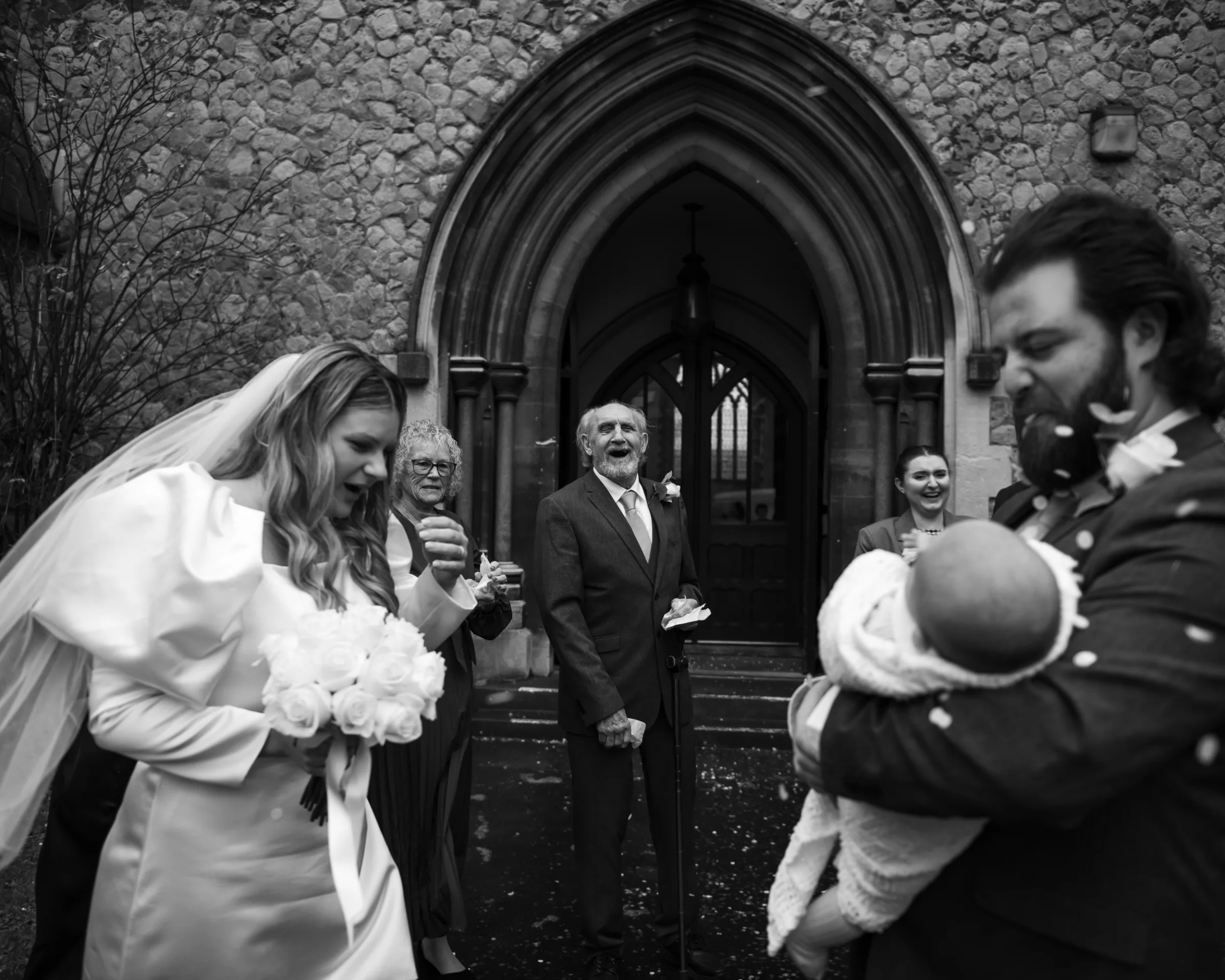
The couple commissioned Tom Keenan, a photographer known for a relaxed, editorial, and documentary style. This choice was deliberate; in an era of highly staged social media content, the couple sought "candid moments" that captured the reality of a wedding with young children. The documentary approach to wedding photography has seen a 25% increase in demand over the last three years, as couples move away from traditional posed portraits in favor of storytelling.
Localized Sourcing
The reception was held at The Bell Inn Minster, a local establishment that allowed for an intimate gathering. The wedding cake, a vintage heart-shaped design with "Just Married" piping, was sourced from Paisley Cakes, a local artisan. The rings were purchased from H. Samuel in Broadstairs. This focus on local suppliers reduces the carbon footprint of the event and supports the regional economy, a growing priority for modern "ethical" weddings.
DIY Elements
To maintain the minimalist aesthetic and control costs, the couple utilized Hobbycraft for decorations, such as neutral-toned bunting and ribbons. This "semi-DIY" approach allows couples to personalize their space without the overhead of professional event stylists.
Broader Implications for the Wedding Industry
The success of Libby and Charlie’s minimalist celebration reflects broader shifts in the UK wedding market. Recent data from industry reports suggests that the "Micro-Wedding" (defined as a ceremony with fewer than 30 guests) is no longer a necessity born of pandemic restrictions, but a preferred choice for many couples.
1. Financial Pragmatism
With the average cost of a UK wedding currently hovering around £20,000, many young couples are choosing to redirect funds toward property investments or child-rearing. Libby and Charlie’s decision to marry after purchasing a home and having children is emblematic of a "life-milestone reshuffle" common among Millennials and Gen Z.
2. Authenticity Over Expectation
The couple’s "Words of Wedded Wisdom" emphasized the importance of ignoring external expectations. This sentiment is echoed by wedding planners who report that modern couples are increasingly stripping away traditions that do not resonate with their personal values—such as large bridal parties or expensive favors.
3. The "Elopement Style" Hybrid
The term "elopement style" used by the couple describes a hybrid model where the ceremony remains intimate and private, but retains the formal structure of a traditional wedding (church, vows, professional photography). This allows for the "best of both worlds"—the sanctity of a traditional union and the stress-free environment of a private event.
Conclusion
The wedding of Libby and Charlie in Ramsgate stands as a testament to the power of intentionality in event planning. By anchoring their day in faith, family history, and a clear aesthetic vision, they created a celebration that was both personally meaningful and stylistically distinct. Their approach highlights a significant trend toward minimalism in the British wedding industry, where the focus is returning to the core purpose of the day: the union of two people and the celebration of the family unit they have built. As more couples seek to replicate this "elopement style" model, the industry may see a continued shift toward localized, intimate, and heritage-focused celebrations.