









The Edwardian Era: A Context for Daily Essentials
The period spanning King Edward VII’s reign, the Edwardian era, was characterized by relative peace, prosperity, and a distinct social hierarchy. It was a bridge between the rigid Victorian age and the tumultuous World War I, marked by both a continuation of established traditions and the quiet emergence of modern innovations. Cities were growing, industrialization was firmly entrenched, and social interactions were governed by complex, unwritten rules of etiquette. Personal presentation was paramount, reflecting one’s status, respectability, and adherence to societal standards. In this environment, a gentleman’s EDC was not merely a collection of tools but a carefully considered extension of his identity and his preparedness for the demands of daily life.
The Evolution of Personal Pockets: A Chronology of Carry
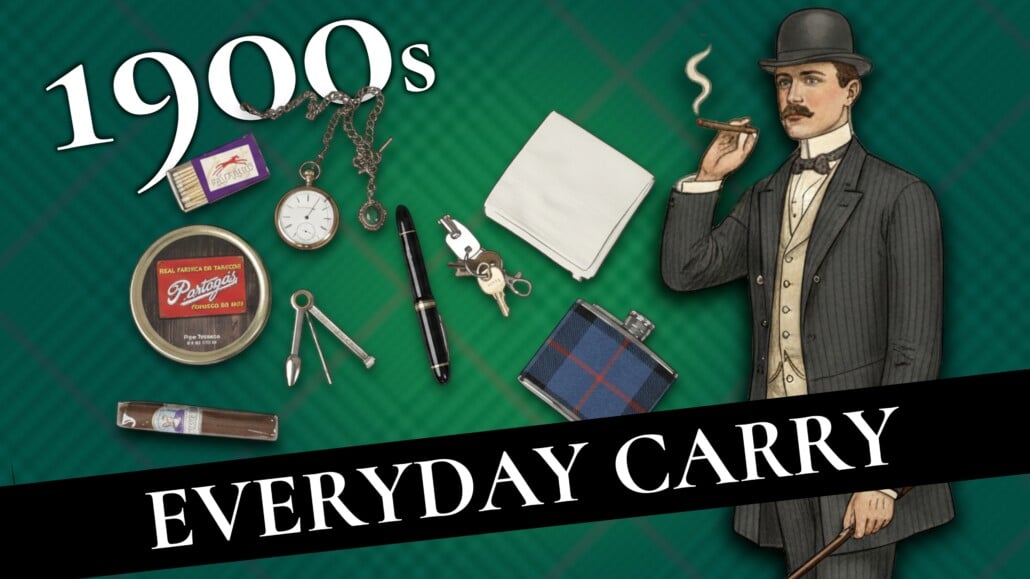
The concept of an "Everyday Carry" as a distinct collection, though not termed as such, had roots in earlier centuries. By the 1900s, gentlemen’s clothing—jackets, waistcoats, and trousers—had evolved to incorporate multiple specialized pockets designed to accommodate these very items, creating an integrated system where attire and accessories worked in concert. This integration underscored the importance placed on discretion and order in a gentleman’s appearance.
1. The Walking Stick: A Symbol of Style and Status
One of the most immediate visual distinctions of a gentleman from the late Victorian and Edwardian eras was the ubiquitous walking stick. Far from being solely a medical aid, it served primarily as a sophisticated fashion accessory, an emblem of leisure, and a subtle indicator of social standing. Popular among wealthy gentlemen since the 17th century, the Edwardian period represented its final zenith of widespread prevalence. Crafted from exotic woods like malacca, ebony, or even adorned with silver or ivory handles, walking sticks were meticulously chosen to complement an outfit. Their decline began swiftly in the 1920s, largely attributed to the rise of the automobile and a general societal shift towards less formal attire and a more dynamic, less pedestrian-centric lifestyle. The stick, once a fixture of urban promenades and country strolls, became a relic of a bygone era.

2. The Pocket Watch, Fob & Chain: Precision and Prestige
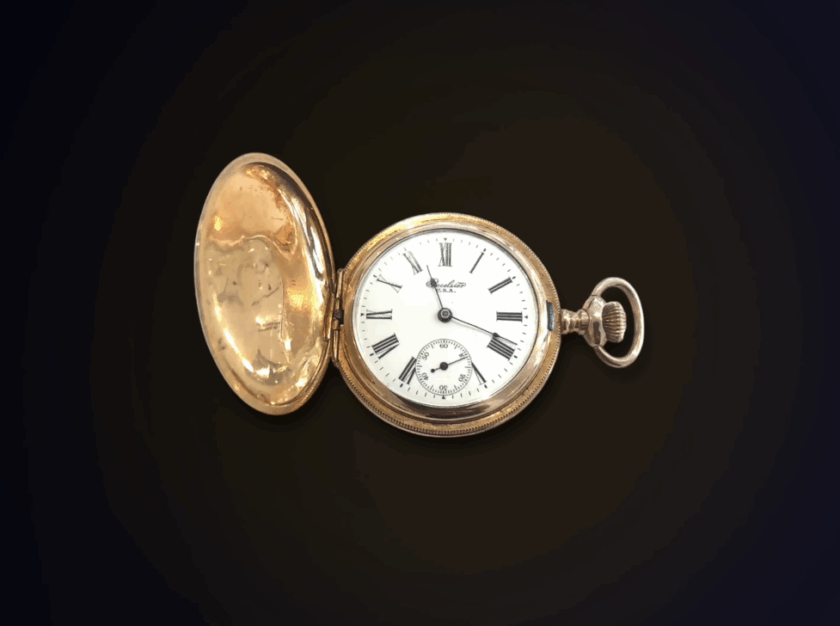
Before the wristwatch gained widespread acceptance—a phenomenon largely spurred by the practical demands of military officers in World War I—the pocket watch was the undisputed king of timekeeping for gentlemen. More than a mere instrument, it was a finely crafted piece of engineering, often passed down through generations, and a clear symbol of reliability and social standing.
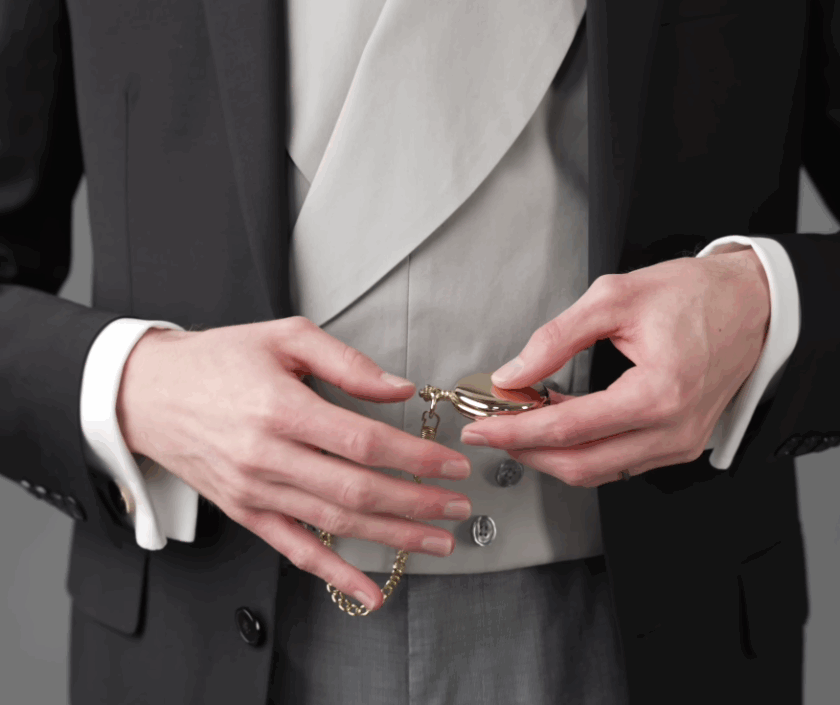
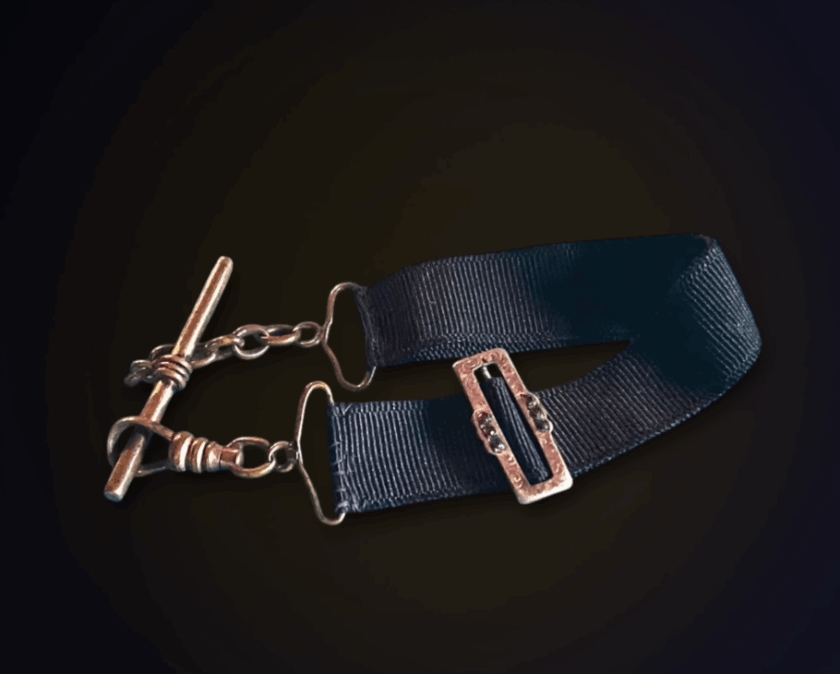
Typically housed in a waistcoat pocket, the watch was secured by an elaborate chain, such as an Albert chain, which draped across the waistcoat and often featured a decorative fob. This fob, a small ornamental piece made of metal, stone, or even ribbon, served both as a counterweight and an additional aesthetic flourish. The ritual of consulting a pocket watch, drawing it smoothly from its resting place, was an act of quiet dignity and a public display of one’s respect for punctuality and the value of time. High-quality movements, often Swiss or British, were prized for their accuracy and intricate craftsmanship, making these timepieces significant investments.
3. Keys: Access and Autonomy
While a modern keychain might be a bulky collection of car fobs, office access cards, and house keys, an Edwardian gentleman’s key ring was typically far simpler. Automobile ownership was still a luxury, not a widespread necessity, and many public and private establishments employed doormen, negating the need for personal access keys. Consequently, the keys a gentleman carried were usually limited to his personal residence, perhaps his private office, or a lockbox. These keys were often made of robust brass or iron, reflecting their singular, weighty purpose, and were carried either loose in a pocket or on a simple ring, devoid of the multi-functional attachments common today.
4. Smoking Implements: A Pervasive Pastime
The early 20th century was an era saturated with tobacco consumption, a social norm that permeated all levels of society. However, the omnipresence of cigarettes was a post-WWI development. In the Edwardian period, cigars and pipes were the dominant choices for gentlemen, each carrying its own set of rituals and accessories.
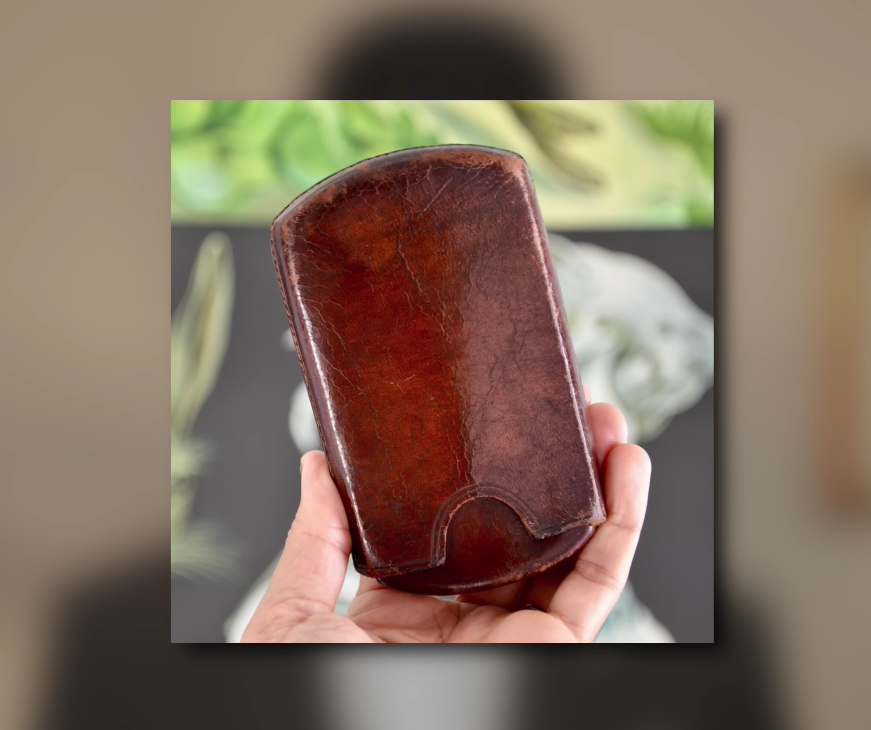
- Cigar Cases: Often crafted from fine leather, polished metal (sometimes sterling silver or gold-plated), or even exotic materials, cigar cases were essential for protecting one’s cigars from damage and moisture. They were generally more compact than some modern humidors, designed for a day’s outing rather than long-term storage, and were an undeniable mark of refinement.
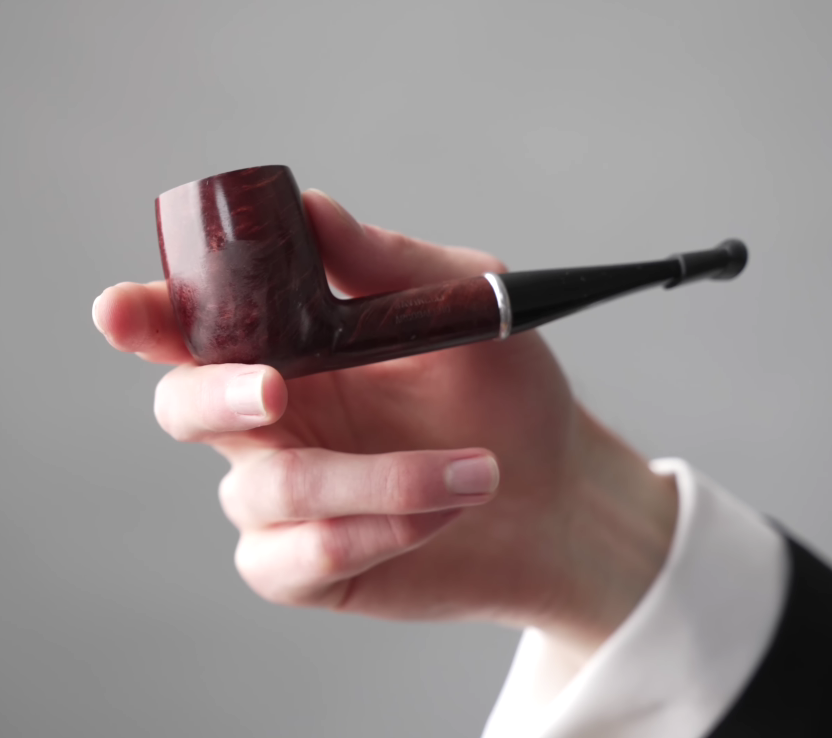
- Pipes: Pipes, made from materials like briarwood, meerschaum clay, or even more luxurious amber, were a cherished possession for many. The act of filling and lighting a pipe was a contemplative ritual. Loose tobacco, often aromatic blends, was carried in soft leather pouches, carefully chosen to preserve its freshness.
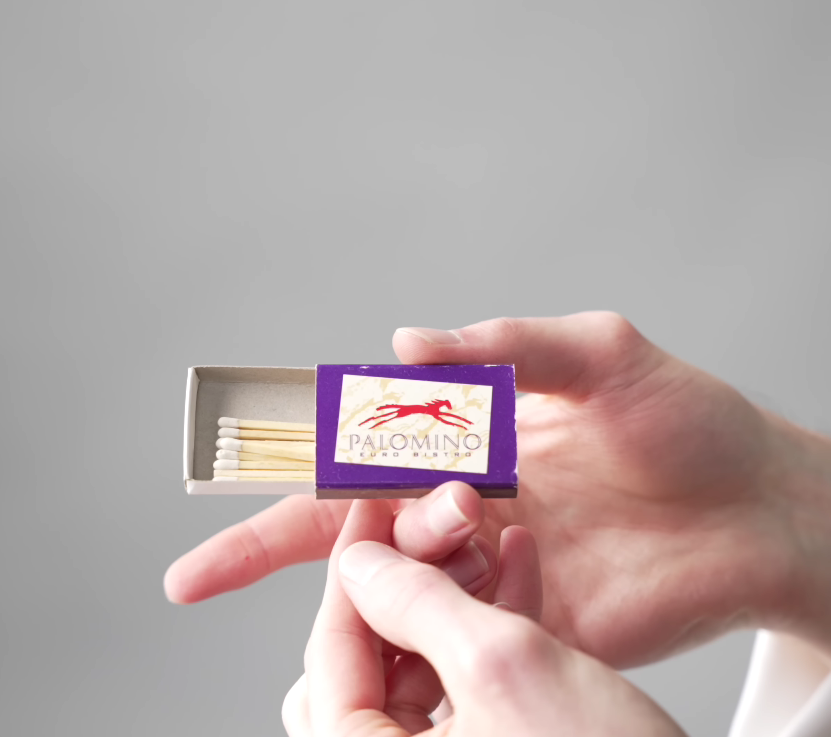
- Matches: With portable lighters still in their infancy and not widely adopted, matches were the primary means of ignition. A gentleman would carry a small, sturdy matchbox or a more elegant match safe, often made of metal, to ensure a reliable flame for his tobacco. The striking of a match was a simple, yet integral, part of the smoking experience.
5. Wallet or Coin Purse: The Currency of the Day
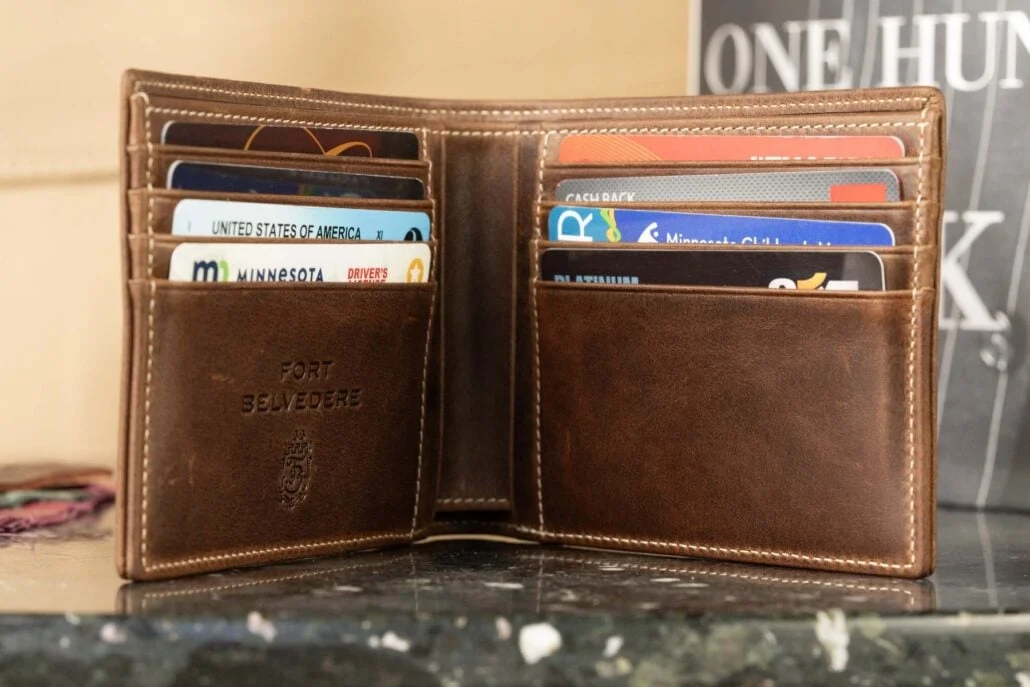
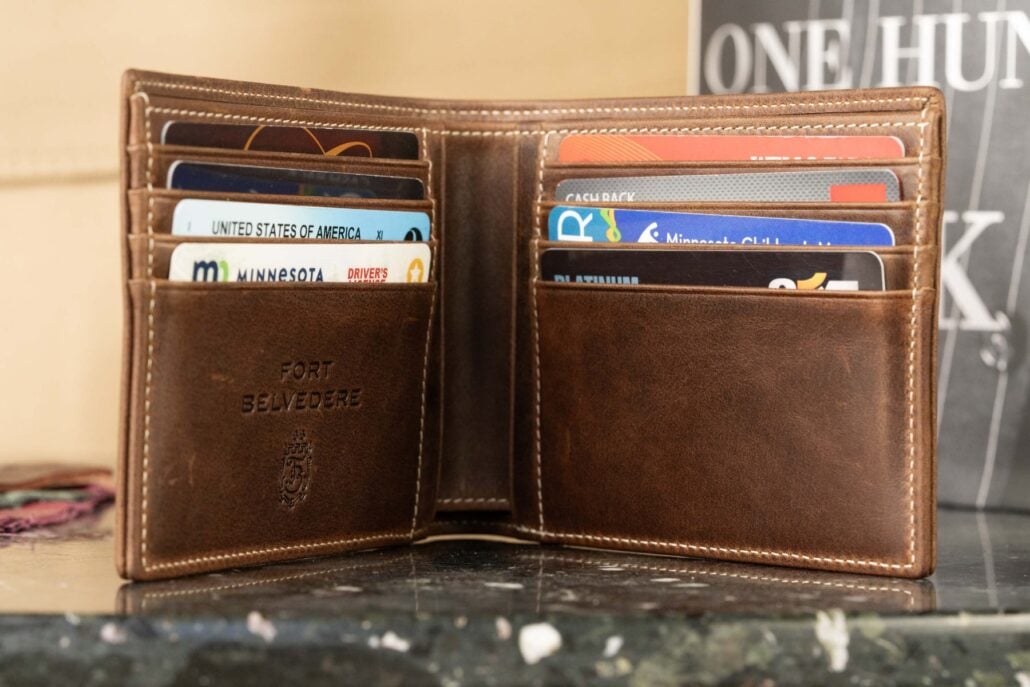
In a world yet to conceive of credit cards, debit cards, or digital payment systems, cash was king. The wallet or coin purse served the singular, crucial purpose of carrying paper currency and coinage. Edwardian wallets, typically made of high-quality leather, were often slimmer than their modern counterparts, designed to hold banknotes and perhaps a few small papers, rather than a plethora of cards. Coin purses, often small leather pouches with clasps, were also common, ensuring that loose change remained organized and accessible. The ability to pay in cash was fundamental to daily transactions, from purchasing goods to tipping servants, and a well-maintained wallet or purse reflected a gentleman’s solvency and preparedness.
6. Calling Cards & Case: The Art of Social Interaction
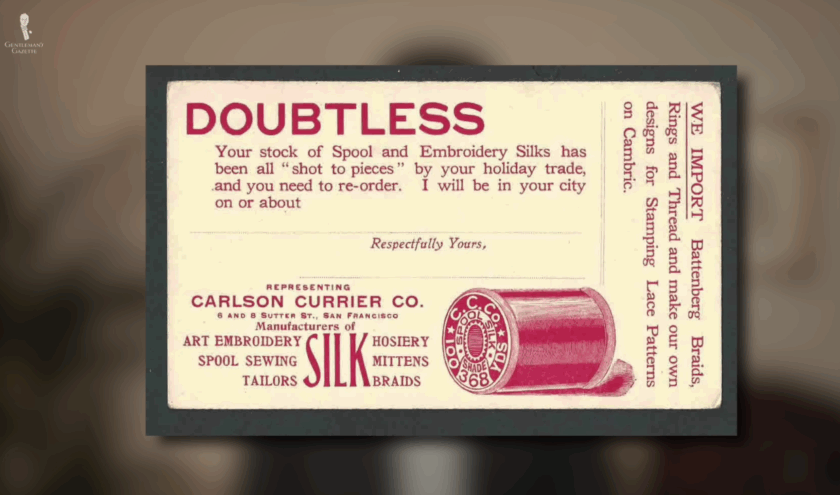
Social interactions in the Edwardian era were often intricate and highly ritualized, particularly in formal settings. The calling card (or visiting card) was a cornerstone of this system. A gentleman visiting a wealthy residence would present his card to a servant, who would then convey it to the property owner, facilitating an introduction or indicating a formal call. These cards, typically engraved with the visitor’s name and title, were kept impeccably pristine in specialized cases. These cases were miniature works of art, fashioned from fine leather, polished metals, or exquisite materials like mother-of-pearl, tortoise shell, or intricately painted papier-mâché, reflecting the owner’s taste and status. Businessmen also utilized more elaborate "trade cards," distinct from social calling cards, for professional networking, further underscoring the importance of this analog form of personal introduction.
7. Fountain Pen: The Instrument of Correspondence
In an age before mass-produced, disposable ballpoint pens, a quality writing implement was an essential item for any educated gentleman. The fountain pen, with its elegant design and smooth ink flow, was the preferred choice. Handwritten correspondence, signing financial documents, and jotting down notes were daily occurrences, making a reliable pen a necessity rather than a luxury. Early fountain pens were often eyedropper-filled or required specific filling mechanisms, and their care was part of a gentleman’s routine. Possessing a fine pen not only ensured functionality but also signaled a commitment to clear communication and refined personal taste.
8. Pocket Notebook: A New Era of Organization
The early 1900s saw the emergence of the modern pocket notebook as a "hot new item." The innovation of the "Silver City Writing Tablet" in 1902 by J.A. Birchall, which involved gluing halved sheets of paper to a cardboard backing, revolutionized personal note-taking. This simple yet profound development led to the widespread adoption of compact, bound notebooks. For the Edwardian gentleman, this meant a convenient way to record appointments, expenses, observations, or fleeting ideas on the go, without the need for loose papers or cumbersome ledgers. It was a precursor to today’s digital planners, enabling efficient personal information management in a pre-digital age.
9. Hair Care Items (Comb & Pomade): Maintaining Impeccable Presentation
Edwardian society placed a high value on a gentleman’s appearance, and well-groomed hair was a key component of this. Given the strictures of hat etiquette, which dictated frequent hat removal indoors, a gentleman needed to maintain his coiffure throughout the day. A pocket comb, often made from natural materials like horn, bone, or celluloid, was a common inclusion in his EDC. To achieve the era’s structured and often slicked-back hairstyles, pomade was also essential. Unlike the petroleum-based products that would dominate later decades, Edwardian pomades were typically formulated from natural ingredients such as beeswax, lard, or even exotic animal fats like bear’s grease, offering hold and shine without the harsh chemical compounds. These small grooming aids ensured that a gentleman remained presentable in any social or professional context.
10. Corrective Lenses: Discreet Necessity
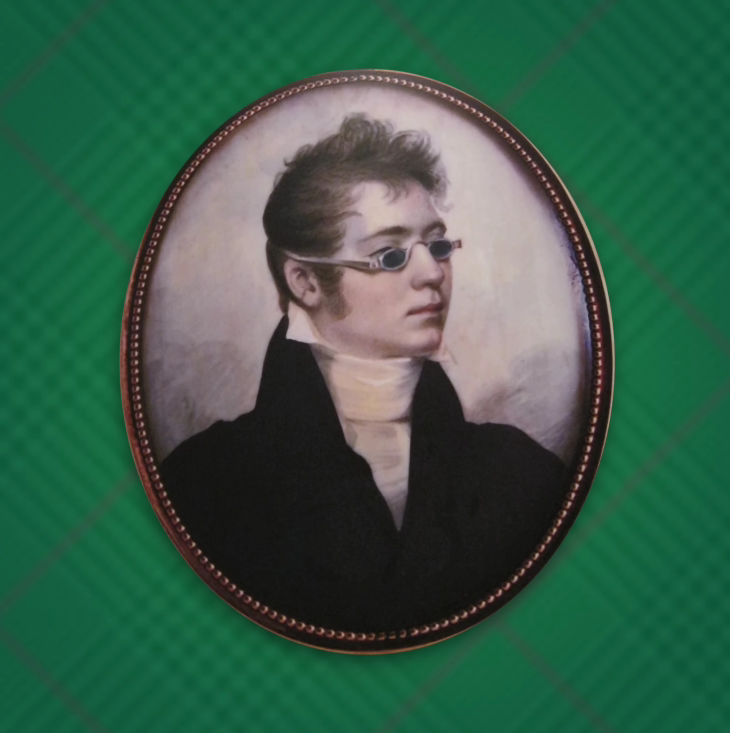
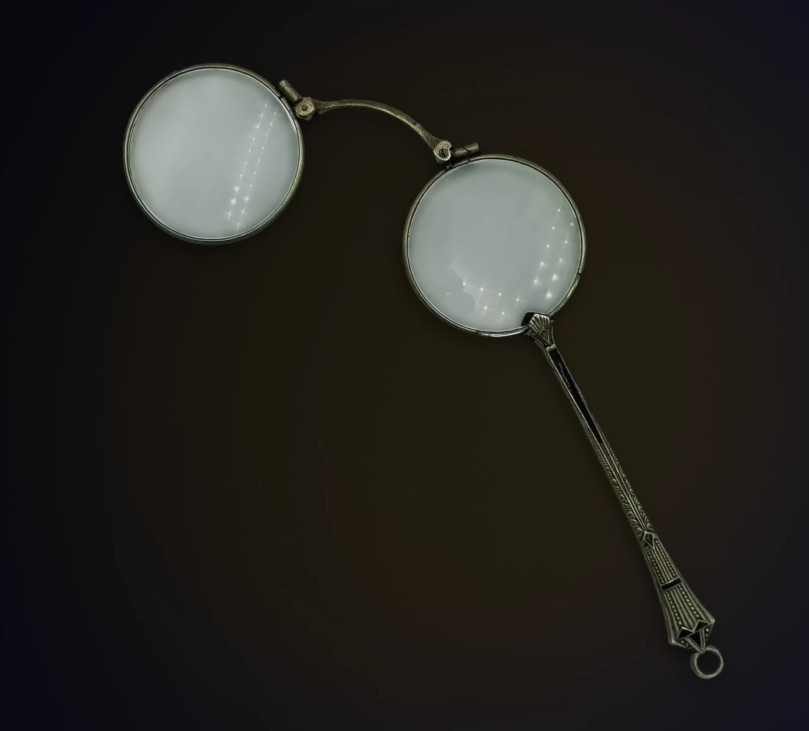
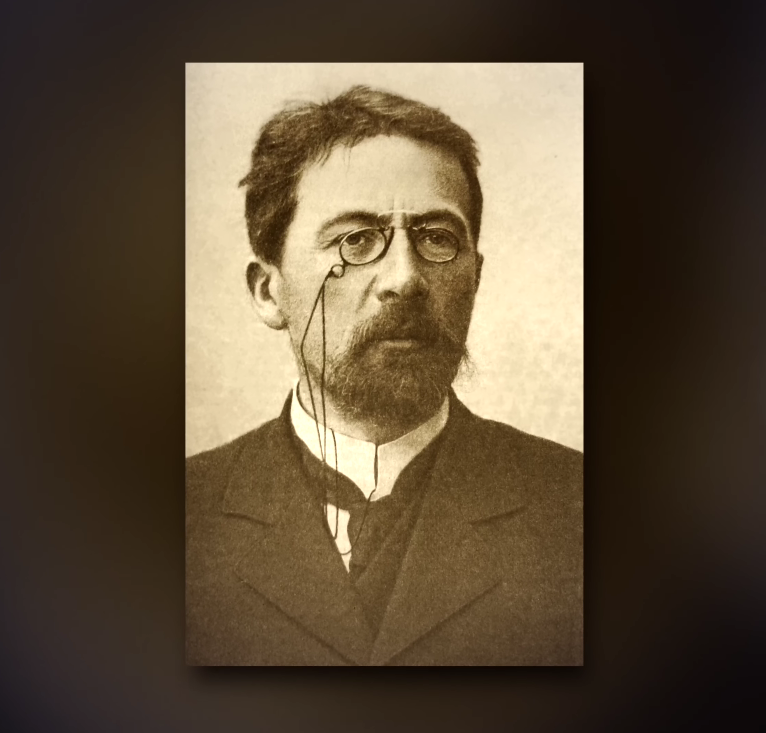
In the early 1900s, vision-correcting lenses were still perceived by some as "medical appliances" and carried a degree of social stigma. Consequently, eyewear was often designed for discretion and ease of storage, to be deployed only when necessary. Gentlemen frequently carried various forms of corrective lenses in their pockets, avoiding the constant wear of spectacles that would become common later.
- Lorgnette: These were essentially eyeglasses with a handle, allowing them to be held up to the eyes for reading or viewing and then quickly folded and stowed away. They were often quite ornate, serving a dual purpose as a fashionable accessory.
- Pince-nez: Meaning "pinch nose" in French, these glasses clipped directly onto the bridge of the nose, eliminating the need for earpieces. They could be quickly donned and removed, often attached to a discreet cord or chain pinned to the lapel, ensuring they were always within reach but not overtly displayed.
- Folding Spectacles: More compact versions of traditional spectacles, designed to fold neatly into a small case, provided another option for discreet vision correction. These varied in their level of concealment and often reflected the user’s preference for practicality versus stylistic flair.
11. Handkerchief: Utilitarian and Hygienic
Distinct from the purely decorative pocket square that might adorn a breast pocket, the handkerchief was a profoundly utilitarian item. Made of practical white cotton or linen, it was an almost universal inclusion in a gentleman’s pockets. Its uses were manifold: mopping one’s brow in warm weather, cleaning eyeglasses, wiping down surfaces in the often-sooty urban environments of the industrial age, or offering aid to another in distress. It was a tool of personal hygiene and civility, reflecting a gentleman’s readiness for minor contingencies and his adherence to standards of cleanliness. For dressier occasions, a plainer, functional handkerchief would be kept separate from any decorative pocket square.
Bonus Items: Emerging Technologies and Personal Indulgences
Beyond these core essentials, some gentlemen carried additional items that reflected personal habits or embraced new technologies.
The Hip Flask: A Discreet Companion
While the hip flask would achieve iconic status during the Prohibition era of the 1920s, early versions of metal and glass flasks were already in use in the 1900s. These allowed gentlemen to discreetly carry spirits on their person, a personal indulgence for social gatherings, travel, or simply to take the chill off a cold day. Often crafted from silver, pewter, or glass encased in leather, they were typically designed to fit snugly and unobtrusively into a jacket or hip pocket.
The Pocket Lamp (Early Flashlight): A Glimmer of Modernity
The turn of the century marked an exciting period of electrical innovation. Following the invention of the dry cell battery in 1887, the first portable handheld electric lights began to appear. By 1907, these "flashlights" were available, albeit as expensive novelties. Primarily adopted by tradesmen requiring portable illumination or by early adopters fascinated by new technology, the pocket lamp was not yet a common EDC item for the average gentleman but represented a nascent shift towards electrically powered personal tools. Its inclusion in a gentleman’s pocket would have marked him as forward-thinking and potentially affluent enough to embrace such cutting-edge gadgets.
Broader Impact and Social Implications
The Edwardian gentleman’s EDC was a microcosm of the era itself—a blend of tradition, formality, and subtle technological advancement. These items collectively underscored the societal values of the time: the importance of punctuality (pocket watch), refined social conduct (calling cards), personal presentation (grooming items), and preparedness for daily life. The quality and craftsmanship of these items often served as an unspoken declaration of social status and personal taste. The meticulous organization of pockets, tailored to hold specific items, reflected an orderly approach to life. Looking back, this collection of everyday essentials offers a fascinating window into how identity, utility, and societal expectations converged in the pockets of a gentleman at the dawn of the 20th century, a stark contrast to the digital dependencies of today.
Frequently Asked Questions
What did "EDC" mean for a gentleman in 1900?
While the modern term "EDC" did not exist, gentlemen consciously carried a predictable set of daily essentials. These items were primarily focused on upholding punctuality, adhering to social etiquette, and maintaining impeccable personal presentation. Common items included a pocket watch and chain, money in both notes and coins, a handkerchief, and often, sophisticated smoking implements. The selection reflected a gentleman’s commitment to propriety and preparedness.
Did every man in 1900 carry the same things?
No, the contents of a gentleman’s pockets varied significantly based on his social status, occupation, and the specific demands of his day. An upper-middle-class or aristocratic gentleman residing in a city would likely carry finer, more decorative versions of common items, emphasizing luxury and craftsmanship. Conversely, working men typically carried fewer, more rugged essentials suited to their trade and practical needs. Whether the day called for business, leisure, or travel also influenced the specific items he chose to carry.
Was a wristwatch common EDC in 1900?
Wristwatches were exceedingly rare and considered unusual for men around 1900, often viewed as feminine or as specialized "trench watches" for military use. The established standard for a gentleman was the pocket watch, which was worn with an Albert chain or a decorative fob, typically secured to a waistcoat. The pocket watch was not merely a timekeeper but a prominent symbol of reliability, status, and adherence to traditional masculine fashion.

Where did a gentleman keep his money and papers?
Paper currency and calling cards were generally kept in a coat wallet or a dedicated card case, respectively, ensuring they remained crisp and presentable. Coins were typically stored in a dedicated coin purse or a specific trouser pocket, preventing bulk and rattling. For businessmen, a small pocket notebook, a pencil, or a fountain pen would also be carried for recording appointments, managing expenses, and facilitating correspondence while on the move.
What grooming items were part of a 1900 gentleman’s everyday carry?
A compact pocket comb was a very common item, particularly given the era’s structured hairstyles and the frequent need to re-tame hair after removing a hat. Some gentlemen also carried a small, discreet mirror, a mustache comb or wax for facial hair, and occasionally basic items like smelling salts or a tiny vial of cologne, especially when traveling or engaging in extensive social activities.
Did gentlemen carry handkerchiefs every day?
Yes, a cloth handkerchief was an almost universal item in a gentleman’s daily carry. It served both hygienic and social purposes, ranging from personal use to offering assistance to others. For more formal or dressier occasions, a gentleman might place a separate, decorative pocket square in his breast pocket, while a plainer, utilitarian handkerchief remained in a trouser or hip pocket for practical use.
Were smoking accessories part of a typical 1900 EDC?
For a significant portion of the male population, yes. Cigarettes (though less common than later), cigars, or pipe tobacco were widely consumed. These were typically accompanied by a match safe or a small box of matches for ignition. Slim metal cases for cigars or cigarettes were also popular, serving to protect the contents and signaling refinement when drawn from a tailored pocket.
Did a gentleman carry a pocket knife or other tools?
Small folding knives were indeed widely carried and used for a variety of tasks, such as opening letters, trimming loose threads from clothing, cutting fruit, or general utility. However, more visible or larger "working" knives were generally associated with tradesmen rather than gentlemen. Some men also carried simple tools like a watch key (for older, winding watches), a small pencil sharpener, or house and wardrobe keys on a ring or chain, emphasizing practical self-sufficiency.
What role did gloves and canes play in his everyday carry?
Gloves, typically made of leather or suede, were standard attire for outdoor wear and formal social calls. A gentleman would often carry or don them whenever he left his residence. Walking sticks or canes, as discussed, were less about mobility and more about posture, presence, and fashion, serving as significant accessories, particularly in urban or formal social settings. They reinforced an image of dignity and sophisticated leisure.
How did pockets and clothing affect what he could carry?
By 1900, the design of gentlemen’s clothing—including jackets, waistcoats, and trousers—was highly evolved, incorporating multiple specialized pockets. These pockets were specifically tailored to accommodate items like watches, coins, tickets, and pens, ensuring each item had its designated place. This meant that the clothing itself and the EDC items formed an integrated system, designed to allow a gentleman to carry his essentials without creating unsightly bulges or disarray, maintaining a sharp and orderly silhouette.