










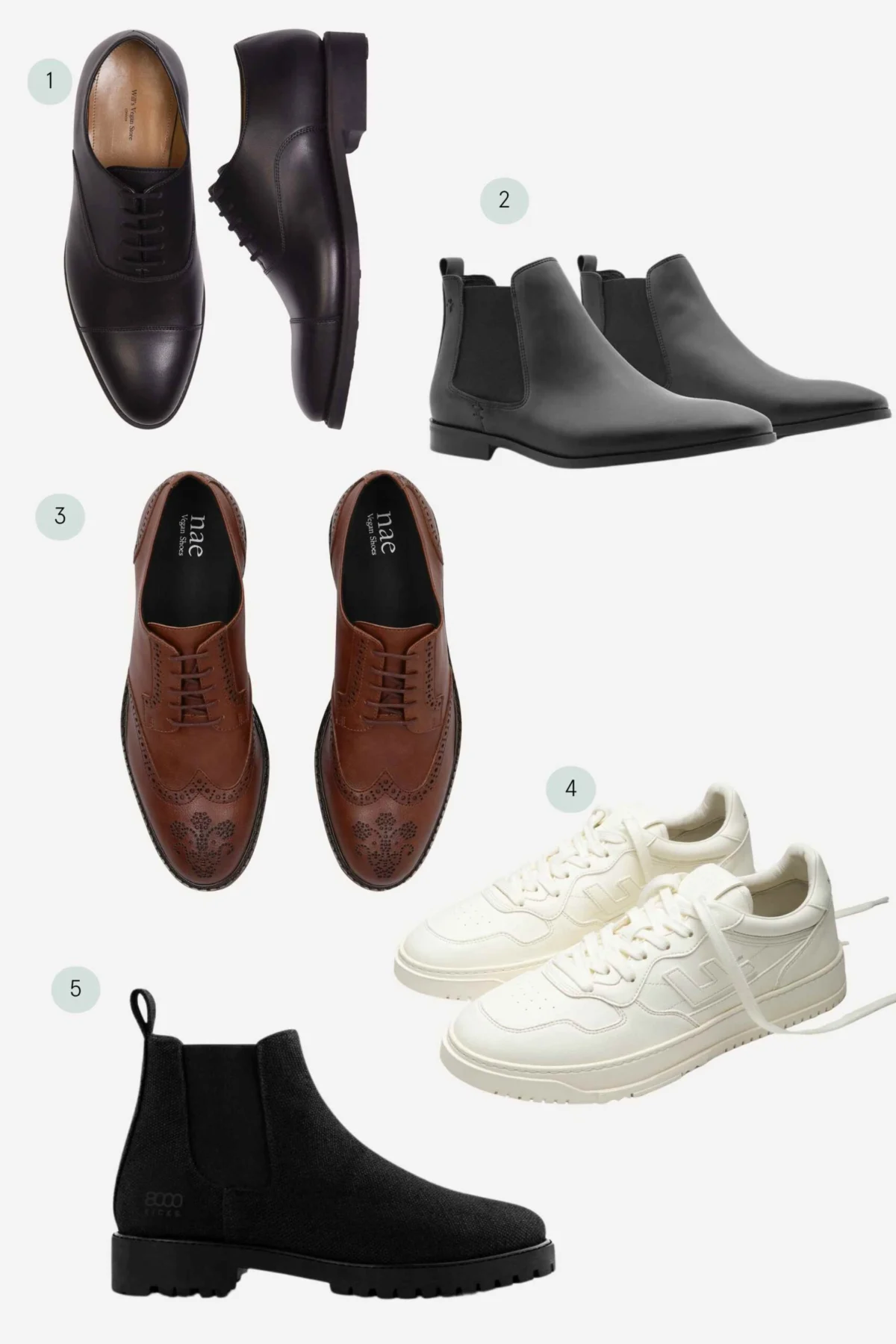
In an era defined by increasing environmental awareness and social accountability, the fashion industry is undergoing a transformative shift. While the focus on sustainable practices has permeated many categories, from everyday apparel to accessories, the realm of men’s dress shoes has historically lagged. However, a growing movement is now empowering consumers to align their sartorial choices with their ethical convictions, driving demand for responsibly manufactured footwear suitable for the office, formal events, and significant life occasions. This evolving landscape is guided by organizations like Good On You, which meticulously assesses brands against stringent sustainability criteria, offering a beacon for those seeking stylish yet conscientious options.
The drive towards more ethical men’s dress shoes is not merely a fleeting trend but a fundamental response to the well-documented environmental and social impacts of conventional footwear manufacturing. The production of traditional leather shoes, for instance, is resource-intensive, often involving processes that contribute to deforestation, water pollution from tanning chemicals, and significant carbon emissions. Similarly, synthetic materials, while avoiding animal products, can pose challenges in terms of biodegradability and microplastic pollution. Recognizing these critical issues, a vanguard of footwear brands is now dedicated to mitigating their ecological footprint and upholding fair labor practices throughout their supply chains.
The Evolving Landscape of Sustainable Fashion
The past decade has witnessed a dramatic surge in consumer demand for sustainable products across various sectors. Initially, this movement was largely concentrated in fast fashion alternatives and casual wear. However, the sophisticated segment of formal footwear is now experiencing its own revolution. This evolution can be charted through several key developments:
- Early 2010s: Niche brands begin to emerge, focusing on vegan alternatives or locally sourced materials, primarily catering to a highly conscious, albeit smaller, consumer base. Awareness of fashion’s environmental impact starts to gain traction in mainstream media.
- Mid-2010s: Major fashion brands begin to experiment with "eco-collections" or incorporate recycled materials, often as part of corporate social responsibility initiatives. However, comprehensive sustainability across the entire supply chain remains rare.
- Late 2010s: The rise of independent rating systems, such as Good On You, provides much-needed transparency, empowering consumers to make informed choices beyond marketing rhetoric. This period sees an acceleration in both demand and supply of genuinely sustainable options.
- Early 2020s: Sustainable fashion transitions from a niche interest to a significant market driver. Innovations in material science (e.g., mushroom leather, pineapple leather, hemp fibers) become more sophisticated, offering durable and aesthetically pleasing alternatives for dress shoes. The concept of circularity, including repair, resale, and recycling, gains prominence.
This chronological progression underscores a broader societal shift towards valuing longevity, ethical sourcing, and environmental stewardship over mere trend cycles.
Addressing the Environmental and Social Footprint of Footwear
The urgency for sustainable dress shoes stems from the substantial environmental and social costs associated with conventional manufacturing. A typical pair of leather shoes, for example, can have a carbon footprint equivalent to driving over 30 miles, largely due to livestock farming for leather, energy-intensive tanning processes, and globalized supply chains. Water usage is also a critical concern; an estimated 17,000 liters of water are required to produce 1 kg of leather. Moreover, the chemicals used in tanning, such as chromium, can be highly toxic, polluting waterways and posing health risks to workers and surrounding communities.
Beyond environmental considerations, the social dimension is equally pressing. The global footwear industry, particularly in developing nations, has historically faced scrutiny over labor practices. Issues such as low wages, unsafe working conditions, and the exploitation of child labor have been reported in various manufacturing hubs. Ethical brands, by contrast, commit to fair wages, safe environments, and transparent supply chains, often adhering to international labor standards or specific certifications.
The Good On You Methodology: A Benchmark for Responsible Brands
Navigating the complexities of sustainable fashion can be daunting for consumers. This is where independent assessment platforms like Good On You play a pivotal role. Their comprehensive methodology, developed by a diverse panel of experts, evaluates brands across three core pillars: Planet, People, and Animals. This rigorous system assigns ratings from "We Avoid" to "Great," providing a clear, actionable guide for ethical purchasing.
- Planet: This category assesses a brand’s environmental impact, including its use of resources, waste management, chemical use, carbon emissions, and water consumption. Brands that prioritize lower-impact materials (e.g., recycled synthetics, organic cotton, innovative plant-based leathers), implement energy-efficient manufacturing, and strive for circularity receive higher ratings.
- People: This pillar scrutinizes a brand’s labor practices and social impact. It evaluates fair wages, safe working conditions, transparency in the supply chain, and efforts to empower workers. Brands with robust ethical sourcing policies, adherence to international labor standards, and certifications from organizations like Fair Trade are favored.
- Animals: For brands using animal-derived materials, this category assesses animal welfare policies. It considers the sourcing of materials like leather, wool, and down, looking for evidence of ethical treatment, traceability, and avoidance of practices like mulesing or live-plucking. Vegan brands, by definition, score highly in this area due to their complete avoidance of animal products.
Good On You’s commitment to transparency means that consumers can delve into each brand’s specific actions and ratings, fostering an unprecedented level of accountability within the industry. This analytical framework empowers individuals to make choices that genuinely reflect their values, moving beyond superficial "greenwashing" claims.
Innovations in Sustainable Dress Shoe Materials and Manufacturing
The advent of sustainable dress shoes has been propelled by significant innovations in material science and manufacturing processes. These advancements offer compelling alternatives to traditional methods, without compromising on style, durability, or comfort.
- Vegan Leathers: Far from the flimsy synthetics of the past, modern vegan leathers derived from materials like polyurethane (PU) or microfiber are increasingly sophisticated. Furthermore, bio-based alternatives are gaining traction, including Pinatex (made from pineapple leaf fibers), mushroom leather (Mylo), apple leather, and cactus leather. These materials offer the look and feel of traditional leather with a significantly reduced environmental footprint.
- Recycled Materials: Recycled polyester, nylon, and rubber are being ingeniously incorporated into shoe components, from uppers to soles and linings. This diverts waste from landfills and oceans, reducing the demand for virgin resources.
- Hemp and Organic Cotton: For more casual dress shoe styles or sneaker-hybrids, organic cotton and hemp provide breathable, durable, and naturally sustainable options, often requiring less water and fewer pesticides than conventional cotton.
- Ethical Rubber and Natural Soles: Brands are increasingly sourcing natural rubber from sustainably managed plantations or utilizing recycled rubber for soles, reducing reliance on fossil fuel-derived plastics.
- Goodyear Welting and Repairability: Many ethical dress shoe brands emphasize construction methods like Goodyear welting. This traditional technique allows shoes to be resoled multiple times, significantly extending their lifespan and reducing the need for premature replacement, thereby aligning with the "buy less, buy better" philosophy.
- Reduced Chemical Use: Sustainable manufacturers are adopting closed-loop systems for water and chemical use, particularly in dyeing and finishing processes, minimizing pollution and conserving resources.
These innovations collectively offer a robust foundation for a truly sustainable footwear industry, demonstrating that elegance and ethics can indeed coexist.
The Degendering of Fashion: Beyond Traditional Labels
A significant philosophical underpinning of the modern ethical fashion movement, highlighted by platforms like Good On You, is the concept of degendering clothing and accessories. While traditional marketing often segments products strictly into "men’s" and "women’s" categories, the inherent truth is that garments and shoes possess no intrinsic gender. This binary approach can limit personal expression and unnecessarily restrict consumer choice.
The emphasis on degendering in fashion advocates for a more inclusive and fluid approach, where individuals are encouraged to choose styles that resonate with them, irrespective of conventional labels. For instance, a classic Oxford shoe, while historically marketed towards men, can be a timeless and versatile piece for anyone. This perspective aligns with broader societal trends towards gender fluidity and self-expression, challenging outdated norms within the industry. Good On You’s directory reflects this ethos by providing search results without default gender filters, allowing users to define their own sartorial boundaries. This approach not only promotes inclusivity but also encourages a more considered, needs-based consumption rather than gender-prescribed purchasing.
The Imperative of "Buy Less, Buy Better" and Circularity
While the focus on identifying new, responsibly made products is crucial, the broader ethical fashion movement champions the principles of "buy less, buy better." This mantra encourages consumers to invest in high-quality, durable items that will last, rather than succumbing to the cycles of fast fashion. Before making any new purchase, consumers are encouraged to explore existing resources:
- Second-hand Stores and Apps: The resale market for clothing and shoes is booming, offering a vast array of pre-loved items that extend product lifecycles and reduce waste.
- Clothing Swaps: Community events and online platforms facilitate the exchange of garments, providing a sustainable way to refresh one’s wardrobe without new consumption.
- Mending and Repair: Learning basic repair skills or utilizing professional shoe repair services can significantly prolong the life of cherished footwear, preventing items from prematurely ending up in landfills.
- Shopping Your Closet: Re-evaluating existing possessions and finding new ways to style them reduces the perceived need for new purchases.
These circular economy principles are not merely alternatives but integral components of a truly sustainable lifestyle, complementing the search for ethical new products.
The Market Impact and Future Outlook
The increasing availability and demand for ethical men’s dress shoes signal a significant shift in consumer values and market dynamics. Industry reports indicate a consistent growth in the sustainable fashion market, projected to reach substantial figures in the coming years. This growth is driven by:
- Increased Consumer Awareness: A more informed populace, especially younger generations, is actively seeking out brands that align with their ethical and environmental values.
- Brand Innovation: Companies are responding with greater investment in sustainable materials, cleaner production processes, and transparent supply chains.
- Regulatory Pressures: Governments and international bodies are increasingly implementing regulations aimed at reducing the environmental impact of manufacturing, further pushing brands towards sustainable practices.
The implications are far-reaching. For consumers, it means a greater choice of stylish, durable, and conscientiously made footwear. For brands, it presents both a challenge to innovate and an opportunity to build stronger, more trusted relationships with their customer base. The future of men’s dress shoes appears to be one where elegance is inseparable from ethics, and where every step taken is a step towards a more sustainable world. As organizations like Good On You continue to illuminate the path, the trajectory towards a fully responsible footwear industry seems not just possible, but inevitable.