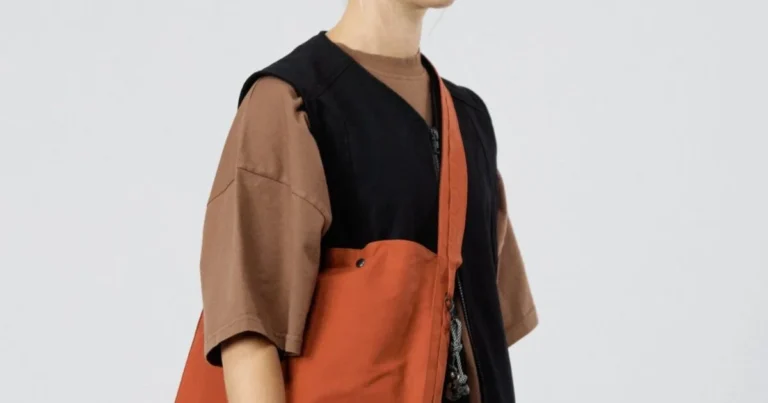












The European fashion industry is undergoing a transformative shift, driven by a burgeoning consumer consciousness and a collective imperative to address the environmental and social costs of fast fashion. As sustainability moves from niche to mainstream, consumers across the continent are increasingly seeking transparency and accountability from the brands they support. This evolution has fostered a vibrant ecosystem of ethical and sustainable clothing and beauty brands, many of which are meticulously evaluated and rated for their impact on people, the planet, and animals. Through rigorous methodologies, these pioneering brands are not only meeting growing demand but are actively reshaping industry standards for the better.
The Imperative for Sustainable Fashion
For decades, the global fashion industry has operated largely on a model of rapid consumption and disposable trends, often referred to as "fast fashion." This system, characterized by low prices, quick turnarounds, and high volumes, has generated staggering environmental and social repercussions. Annually, the industry is responsible for an estimated 2-8% of global greenhouse gas emissions, a figure that rivals the combined emissions of international flights and shipping. Water consumption is equally alarming, with cotton cultivation alone accounting for a significant portion of the world’s agricultural water use. The production of a single cotton t-shirt, for instance, can require up to 2,700 liters of water – enough drinking water for one person for 2.5 years.
Beyond environmental degradation, the human cost of fast fashion is profound. Workers in garment factories, predominantly in developing nations, often face exploitative conditions, including meager wages far below living standards, unsafe workplaces, excessive working hours, and suppression of unionization rights. The catastrophic collapse of the Rana Plaza factory in Bangladesh in 2013, which killed over 1,100 garment workers, served as a stark and tragic reminder of these systemic issues, catalyzing a global movement for greater transparency and ethical labor practices.
A Shifting Paradigm: The Rise of Ethical Consumerism
In the wake of such revelations and increasing awareness of climate change, consumer attitudes have demonstrably shifted. A 2021 study by McKinsey & Company indicated that 60% of consumers globally consider sustainability as an important factor in purchasing decisions, with Gen Z and Millennial consumers showing even stronger preferences for ethical brands. This growing demand has fueled the rise of platforms dedicated to vetting and promoting sustainable brands, empowering individuals to make informed choices that align with their values.
The European Union has also begun to play a more active role in regulating the industry. The EU Strategy for Sustainable and Circular Textiles, launched in 2022, aims to make textiles more durable, repairable, reusable, and recyclable, tackling issues like greenwashing and promoting extended producer responsibility. This regulatory push, combined with consumer pressure, creates a fertile ground for genuinely sustainable brands to thrive and differentiate themselves from those engaging in mere "greenwashing" – the deceptive marketing of products as environmentally friendly without substantive changes to their practices.
Defining a Truly Responsible Brand
A truly responsible brand goes beyond superficial claims, embedding positive impact across its entire value chain. This comprehensive approach typically encompasses three core pillars:
-
People: Ethical treatment of workers is paramount. This includes strict adherence to international labor standards, with policies and practices prohibiting child labor, forced labor, and discrimination. Crucially, it involves ensuring worker safety, upholding the right to join a union, and, most significantly, the payment of a living wage—a wage sufficient to afford a decent standard of living for workers and their families, extending beyond minimum wage requirements. Transparency in supply chains, from raw material sourcing to final production, is key to verifying these commitments.
-
Planet: Environmental stewardship is central. Responsible brands meticulously manage their use of resources and energy, actively striving to reduce carbon emissions through renewable energy adoption and efficient manufacturing processes. They implement robust strategies to minimize water usage and prevent chemical pollution, safely managing and disposing of dyes and other hazardous substances. A commitment to circularity, reducing waste through recycling, upcycling, and designing for longevity, is also a hallmark. This often involves the adoption of lower-impact materials such as Global Organic Textile Standard (GOTS) certified cotton, recycled polyester, hemp, linen, and TENCEL™ Lyocell, which require fewer resources and chemicals than conventional alternatives.
-
Animals: A better brand demonstrates a strong commitment to animal welfare. Ideally, it avoids the use of animal products entirely, making it 100% vegan. This includes abstaining from materials like conventional wool, leather, fur, angora, down feather, shearling, karakul, and exotic animal skins and hairs. For beauty brands, this extends to ingredients like beeswax, shellac, lanolin, and squalene. When animal-derived materials are used, stringent certifications (e.g., Responsible Wool Standard) and clear traceability are essential to ensure ethical sourcing and treatment.
The Power of Local Sourcing and Production
While global supply chains offer economic efficiencies, supporting local brands within one’s country or region offers distinct sustainability advantages. Reducing transportation distances inherently lowers carbon emissions associated with shipping. Furthermore, local production often allows for greater oversight of labor practices and environmental standards, fostering stronger community ties and supporting regional economies. Consumers can build more direct relationships with brands, enhancing trust and transparency. For Europeans, this means a wealth of innovative and ethical brands are available right at their doorstep, offering diverse styles and products without the extensive environmental footprint of international transit.
Europe’s Vanguard of Sustainable Fashion: A Curated Selection
Leveraging rigorous evaluation methodologies, numerous European brands have earned "Good" or "Great" ratings for their commitment to people, planet, and animals. These brands represent the forefront of the ethical fashion movement, offering consumers a diverse array of choices across various categories.
Accessible & Innovative Basics:
- Yes Friends (UK): Pioneering affordable ethical fashion, Yes Friends offers classic t-shirts for less than £8. By employing large-scale production and a direct-to-consumer model, the brand demonstrates that sustainable clothing doesn’t have to carry a prohibitive price tag. Their inclusive sizing (2XS-4XL) further broadens access to ethical choices, making sustainable fashion a reality for more people.
- Colorful Standard (Denmark): This Danish brand champions organic fashion essentials for men and women. Eschewing seasonal trends, Colorful Standard focuses on creating timeless, durable products designed to counteract over-consumption. Their commitment to longevity and quality serves as a direct challenge to the disposable nature of fast fashion.
- ISTO. (Portugal): With a clear mandate to create trans-seasonal wardrobe staples, ISTO. prioritizes quality over quantity. The brand maintains a single, permanent collection, ensuring items are consistently available and designed to last. Their radical transparency extends to showing customers the true cost breakdown of each garment, fostering trust and informed purchasing.
Specialized & Niche Ethical Offerings:
- Näck (Portugal): Focusing on timeless womenswear, Näck utilizes lower-impact materials to craft pieces designed for enduring style. Their commitment to classic designs encourages thoughtful consumption and reduces the appeal of fleeting trends.
- Anekdot (Berlin): This brand crafts exquisite designer underwear, swimwear, and loungewear by upcycling production leftovers, deadstock fabrics, and vintage trimmings. This innovative approach to circularity transforms waste into unique, limited-edition products, showcasing the creative potential of sustainable design.
- Jackalo (Kids’ Wear): Offering organic playclothes for children, Jackalo emphasizes the importance of sustainability from an early age. They use Global Organic Textile Standard (GOTS) certified cotton and minimize textile waste by reusing all offcuts, ensuring a healthier future for both children and the planet.
- BASTET NOIR: This brand specializes in modular 3-piece sets made from deadstock fabrics in limited runs. Their approach not only reduces textile waste but also offers versatile, multi-functional pieces for the modern working woman, promoting a more minimalist wardrobe.
- THTC (UK): A leader in organic hemp apparel, THTC produces t-shirts, hoodies, socks, and other streetwear. Their use of hemp, a highly sustainable fiber, underscores their environmental commitment. THTC also extends its impact by producing white label ranges for charities and NGOs.
- Jyoti – Fair Works (Germany): This brand exemplifies social responsibility, providing employment for marginalized or disadvantaged groups in India while producing GOTS-certified cotton products. Jyoti’s model highlights the critical link between ethical labor and sustainable production.
- Vesica Piscis (Spain): As a vegan footwear brand, Vesica Piscis utilizes a high proportion of lower-impact materials and powers its manufacturing with renewable energy. Their made-to-order system further reduces waste, showcasing a holistic approach to sustainable production.
- WILDA.ECO: This brand offers vegan fashion with a focus on minimalism, timeless design, and inclusive sizing. Their commitment to personalizable clothes for different heights addresses a common oversight in the fashion industry, merging ethical production with broad accessibility.
- Mashu (UK): Specializing in vegan accessories, Mashu crafts stylish handbags using innovative vegan leather alternatives, including recycled polyester. This demonstrates how fashion-forward design can align with ethical principles, eliminating the need for animal-derived materials.
- non (UK): Offering raw selvedge denim jeans, jackets, and accessories, non is dedicated to creating durable products designed to last. Their emphasis on longevity combats the throwaway culture associated with fast fashion denim.
- CASAGiN (Italy): This Italian brand designs apparel for a more sustainable and conscious lifestyle. CASAGiN’s philosophy encourages consumers to extend their ethical considerations beyond their clothing choices to their broader daily habits.
- CARPASUS (Switzerland): A menswear brand producing fine shirts, ties, and socks, CARPASUS uses GOTS-certified cotton and manufactures locally to reduce its carbon footprint. They are also committed to transparency, tracing their supply chain and ensuring workers receive a living wage.
- Nina Rein (Germany): Creating sustainable business attire under fair conditions in Europe, Nina Rein offers a clean, feminine, and colorful aesthetic. The brand demonstrates that professional wear can be both stylish and ethically produced.
- NIKIN (Switzerland): This brand literally allows consumers to "wear their morals," planting a tree with every purchase. NIKIN’s direct environmental contribution and emphasis on conscious consumerism resonate deeply with eco-minded shoppers.
- Akyn: Founded by sustainable fashion industry legend Amy Powney, Akyn delivers contemporary and timeless womenswear crafted from lower-impact materials, blending high fashion sensibilities with ethical production.
- COSSAC: Believing in timeless, feminine, and versatile apparel, COSSAC promotes the capsule wardrobe concept. They use organic or lower-impact materials and work with small factories on limited production runs to minimize waste and deadstock, embodying slow fashion principles.
- Kampos (Italy): A luxurious Italian swimwear brand, Kampos raises awareness of over-fishing and marine pollution. Their unique pieces are made from recycled plastic bottles, fishing nets, and other lower-impact organic fabrics, directly addressing ocean conservation.
- ID.EIGHT (Italy): This Italian brand creates ethical and sustainable sneakers using innovative materials derived from food industry waste, such as apple peels, grape stalks, and pineapple leaves, alongside recycled cotton and polyester. This upcycling approach transforms waste into high-design footwear.
- Fanfare (UK): Specializing in upcycling, Fanfare transforms vintage clothes into unique pieces using recycled materials. They champion slow fashion through repair services, a take-back scheme, and a lifetime guarantee, extending the life cycle of garments.
- Dressarte Paris: This custom design studio creates luxurious, lower-impact garments, often from surplus materials. Their made-to-order model eliminates overproduction and waste, offering personalized fashion with a sustainable footprint.
- Baukjen (London): A womenswear brand focused on ethical and sustainable style, Baukjen uses recycled materials to limit chemical, water, and wastewater use in production. Their commitment to responsible practices makes stylish, conscious choices accessible.
- Pop My Way (UK): Offering GOTS-certified baby essentials, Pop My Way features modular, mix-and-match designs. This innovative approach to baby clothing reduces the need for multiple single-use items, promoting versatility and longevity.
- Opera Campi (Italy): Producing premium quality garments from locally-sourced raw materials, Opera Campi balances sustainability with social impact by donating 4% of its profits to social causes, demonstrating a holistic approach to corporate responsibility.
- ASKET (Sweden): Since 2015, ASKET has focused on creating timeless wardrobe essentials with revolutionary sizing and fair pricing. By cutting out middlemen and focusing on a single permanent collection, they challenge the traditional fashion retail model.
- pinqponq (Germany): This German brand crafts stylish and functional bags from recycled plastic, sourcing materials under the Fair Wear Foundation Code of Conduct. As a 100% vegan brand, pinqponq sets a high standard for ethical accessory production.
- JAN ‘N JUNE (Hamburg): Founded by young female entrepreneurs, this minimalistic and stylish label proves that sustainable fashion can be both affordable and ethically sound, offering transparency throughout its supply chain.
- Underprotection (Denmark): Combining ethics and aesthetics, Underprotection creates underwear, loungewear, and swimwear from lower-impact materials like organic cotton. Their commitment extends to packaging, using only recycled or biodegradable materials, and working exclusively with certified factories to ensure fair wages.
- Beaumont Organic (UK): This slow fashion brand blends simple style with responsible production, further amplifying its impact through its own charitable foundation that supports communities in Fiji.
- OhSevenDays (Istanbul): Promoting circularity, OhSevenDays reclaims end-of-roll fabrics from garment factories to create wearable womenswear. Their innovative model transforms fast fashion’s leftovers into slow fashion pieces.
- LangerChen (Germany): A high-quality eco-outdoor brand, LangerChen prioritizes people by ensuring a living wage across most of its supply chain and conducting regular supplier visits, combining functionality with robust ethical oversight.
- Artknit Studios (Italy): Crafting timeless knitwear from 100% lower-impact, certified, and locally-sourced materials, Artknit Studios adheres to an anti-waste philosophy, embodying the motto "buy less, buy better" through premium, durable designs.
- Organique (Portugal): This athleisure brand for contemporary women is entirely produced in a local atelier, designing for longevity with high-quality organic cotton and TENCEL Lyocell. As a completely vegan brand, Organique champions sustainable performance wear.
- Flamingos’ Life: Creating animal-derived material-free sneakers, Flamingos’ Life uses PETA-approved vegan and upcycled materials, offering a stylish and ethical choice for footwear enthusiasts.
- Lefrik (Spain): Designing urban bags and travel essentials, Lefrik utilizes high-quality lower-impact fabrics made from recycled plastic PET bottles, catering to the modern digital nomad with sustainable solutions.
- amt. (Spain): This Spanish clothing brand focuses on local production and uses recycled materials, contributing to a more localized and circular economy within the fashion sector.
- ColieCo (Portugal): Producing lingerie, underwear, and swimwear through a handmade-to-order process, ColieCo ensures each garment is crafted from lower-impact and responsibly sourced fabrics, promoting quality and reducing waste.
- LOUDBODIES: A vegan and size-inclusive womenswear brand, LOUDBODIES makes beautiful clothes with frills, floral prints, and vintage-inspired silhouettes, championing inclusivity within the sustainable fashion movement.
- maison blanche (Switzerland): This Swiss label produces vegan, conceptual fashion, using its designs to raise awareness of socio-political issues, highlighting fashion’s potential as a medium for social commentary.
- CAES (Dutch): Advocating that "fashion does not have to be fast or seasonal," CAES creates timeless, minimalist clothes using innovative lower-impact materials such as Desserto cactus leather, recycled cotton, and TENCEL Lyocell, alongside strong supply chain tracing.
- Coco & Kandy (Bulgaria): Specializing in uncomplicated, high-quality clothes for warm weather, Coco & Kandy uses lower-impact materials, traces most of its supply chain, and visits suppliers regularly, ensuring transparency and ethical production.
- Pico (UK): This British brand makes beautifully soft underwear for men and women from cotton sourced from organic farming co-operatives. Pico is vegan and its products are Fairtrade International – Small Producers Organisations certified, emphasizing both animal welfare and fair labor.
- Airpaq (Germany): Championing radical recycling, Airpaq transforms discarded airbags, seat belt buckles, and seat belts from landfill into durable backpacks, bags, and accessories, demonstrating extreme upcycling potential.
- Théla (Greece): Creating handcrafted fashion and lifestyle accessories from plastic waste, Théla, founded by Diti Kotecha, diverts plastic from landfills and oceans. The brand works with partners from disadvantaged communities and is entirely vegan, blending environmentalism with social upliftment.
- Brothers We Stand (UK): As an online store dedicated to responsible men’s clothing, Brothers We Stand curates a selection of stylish, 100% vegan menswear. They provide a vital platform for consumers seeking ethical options in a traditionally underserved market segment.
- We Are Kin (British): This slow fashion brand handmakes its clothes in London, focusing on custom-made garments for various heights and inclusive sizing. Manufacturing in limited runs, We Are Kin significantly reduces waste and offers personalized, ethical fashion.
- Facettes Studio (Parisian): Dedicated to "wardrobe essentials for the multifaceted woman," Facettes Studio uses upcycled materials and has banned polyester and polyamide from its collections. Their commitment to repairs and alterations further promotes a circular economy.
- COG (France): A footwear label, COG creates sustainable, vegan shoes from innovative lower-impact materials including natural cork, used cotton scraps, and plant-based recycled materials like grape pomace, repurposed corn, and recycled bamboo, showcasing a wide array of eco-friendly alternatives.
- REER3 (Germany): Founded by a Brazilian-born fashion designer, REER3 offers slow fashion streetwear with a reduced design. The brand uses lower-impact dyes and organically grown, GOTS-certified cotton and recycled polyester, maintaining a 100% vegan product line.
The Broader Impact and Future Outlook
The collective efforts of these European brands, alongside a growing number of others, are contributing to a significant shift in the global fashion industry. Economically, the sustainable fashion market is experiencing robust growth, attracting investment and fostering new business models centered on ethical practices. This growth also translates into job creation within more responsible and transparent supply chains.
Environmentally, the impact is measurable, with reductions in carbon emissions, water pollution, and textile waste. The innovation in material science, from plant-based leathers to recycled ocean plastics, is pushing the boundaries of what is possible in sustainable design. Furthermore, the emphasis on durability, repair, and circularity is challenging the linear "take-make-dispose" model, moving towards a more regenerative industry.
However, challenges persist. Greenwashing remains a concern, making consumer education vital. Scaling sustainable practices across large production volumes while maintaining affordability is an ongoing balancing act. Nevertheless, the trajectory is clear: sustainable fashion is not merely a trend but a fundamental recalibration of an industry. Platforms like Good On You empower consumers with the knowledge to actively participate in this change, transforming their purchasing power into a force for good. By choosing brands committed to comprehensive ethical standards, consumers are not just buying clothes; they are investing in a more equitable and sustainable future for people, the planet, and animals. The conscientious closet is no longer an aspiration but an attainable reality for Europeans.