








High street fashion retailer New Look has initiated a comprehensive restructuring of its senior leadership team, marking a pivotal moment in the company’s ongoing efforts to adapt to the shifting dynamics of the UK retail sector. The move, confirmed on 16 September 2026, involves the promotion of several internal executives and the realignment of key operational roles, aimed at streamlining decision-making processes and bolstering the brand’s omnichannel capabilities. This strategic pivot follows a period of consolidation for the business, which has been focused on stabilising its market position amidst fluctuating consumer demand and the rising costs of operating in a competitive high-street environment.
Contextualizing the Leadership Pivot
New Look’s decision to overhaul its executive structure is not an isolated event but rather the latest chapter in a multi-year transformation strategy. Since the retailer underwent significant financial restructuring in recent years, it has sought to move away from a traditional store-centric model toward a more agile, digitally-focused operation. By promoting existing senior talent, the company is signaling a preference for institutional knowledge and continuity, even as it seeks to redefine its internal hierarchy to improve speed-to-market.
Industry analysts suggest that the restructuring is designed to reduce the "bureaucratic friction" that often plagues large, legacy retail chains. By flattening certain reporting lines and centralising responsibility for core functions such as supply chain management and digital customer experience, New Look aims to react more effectively to the rapid trends currently dominating the fast-fashion space.
A Chronology of Recent Transformations
To understand the weight of these latest changes, one must examine the timeline of New Look’s recent evolution:
- 2022-2023: The Financial Stabilisation Phase: Following a period of intense pressure on its debt obligations, New Look successfully completed a series of financial manoeuvres, including a Company Voluntary Arrangement (CVA) and debt-for-equity swaps. This period was defined by a ruthless prioritisation of profitable stores and the closure of underperforming outlets.
- 2024: The Digital Acceleration: In the early months of 2024, the business began investing heavily in its mobile application and e-commerce infrastructure, aiming to reclaim market share from pure-play digital competitors.
- 2025: Operational Streamlining: Throughout 2025, the company focused on supply chain diversification and inventory management, attempting to mitigate the impact of global logistical disruptions.
- September 2026: Leadership Realignment: The current restructuring marks the final piece of the 2024-2026 roadmap, ensuring that the human capital is aligned with the new, leaner operational structure.
Supporting Data and Market Position
The retail landscape in which New Look operates remains volatile. According to recent data from the Office for National Statistics (ONS) regarding UK retail sales, fashion retailers have faced an undulating environment where inflationary pressures have eroded consumer discretionary spending. In this climate, New Look’s strategy of "right-sizing" its leadership team is a defensive yet necessary measure.
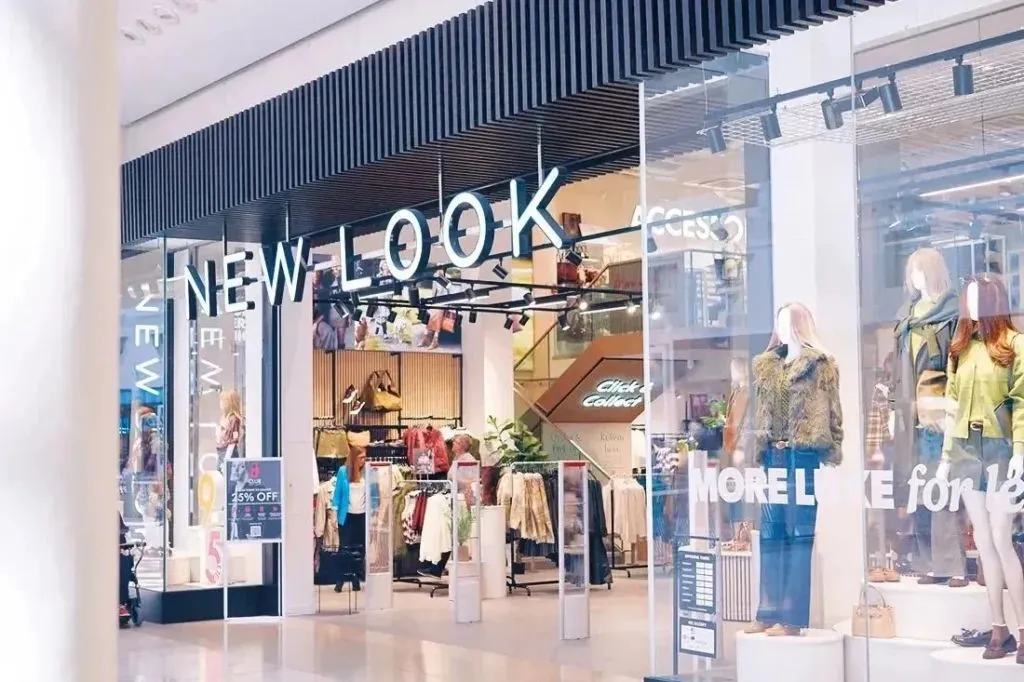
Supporting financial indicators suggest that New Look’s store footprint has stabilised at approximately 400 locations across the UK and Ireland. This represents a significant reduction from its peak of over 900 stores in the mid-2010s. Despite the smaller physical footprint, the company has maintained its revenue per square foot by integrating click-and-collect services more tightly with its digital storefronts. Internal reports suggest that online penetration as a percentage of total sales has increased by 15% since the beginning of 2025, validating the push toward a digital-first leadership mandate.
The Strategic Rationale: An Internal Analysis
The core of the recent shake-up revolves around the integration of the commercial and digital divisions. Historically, many high-street retailers maintained these as separate silos, which often led to conflicting marketing strategies and inventory discrepancies. By promoting executives who possess a dual understanding of both physical retail operations and digital marketing, New Look is attempting to create a "unified commerce" experience.
Furthermore, the emphasis on promoting internal talent serves as a morale-boosting exercise for the broader organisation. In an era where executive turnover in the retail sector is notoriously high, New Look is positioning itself as a company that prioritises long-term development. This internal promotion strategy also lowers the cost of recruitment and ensures that the "New Look DNA"—which the brand defines as accessible, trend-led fashion—remains consistent during the transition.
Industry Reaction and Stakeholder Implications
While the company has not released a granular list of every promotion, sources familiar with the matter indicate that the changes primarily impact the heads of merchandising, logistics, and digital marketing.
From an investor perspective, the restructuring is likely to be viewed as a positive signal. Institutional investors have long called for retail chains to simplify their management structures to combat the high overheads associated with high-street operations. By tightening the leadership structure, New Look is demonstrating a commitment to operational efficiency, which is essential for maintaining margins when price points are capped by the competitive nature of the fast-fashion market.
Retail consultants have noted that the move is symptomatic of a broader trend: the "professionalisation of the high street." As the barriers between online and offline shopping continue to blur, the individuals leading these companies must be more data-driven than ever before. New Look’s move suggests that the board is prioritising analytical rigor over legacy retail experience.
Broader Impact and Future Implications
The long-term success of this leadership pivot will be measured by two primary metrics: customer retention rates and the speed of product replenishment. The fashion industry is currently grappling with a "buy now, wear now" culture, where the lifecycle of a trend can be as short as three weeks. If the new leadership team can successfully reduce the time it takes for a design to move from the drawing board to the shop floor, the company will have a significant competitive advantage over its rivals.
Additionally, the restructuring positions New Look to better navigate the complexities of international trade. With supply chains increasingly vulnerable to geopolitical shifts, the leadership team must be capable of orchestrating a flexible sourcing strategy. The promotion of executives with deep experience in international procurement suggests that the retailer is planning to bolster its supply chain resilience in the coming fiscal year.
Looking ahead, the market will be watching the next quarterly earnings report to see if these structural changes translate into improved bottom-line performance. If the leadership team can deliver on the promise of increased agility, New Look may well set a blueprint for how legacy high-street retailers can survive and thrive in a digital-dominated era.
Conclusion
The leadership restructuring at New Look is more than a simple reshuffling of titles; it is a tactical response to the existential pressures facing traditional retailers. By promoting internal leaders who understand the nuances of the company’s hybrid business model, New Look is betting on continuity and institutional knowledge to guide it through the next phase of its growth. Whether this will be enough to maintain its position as a staple of the British high street remains to be seen, but the company has clearly defined its trajectory: a leaner, faster, and more integrated approach to the fashion business. As the company enters the final quarter of 2026, the retail sector will be observing closely to determine if this new guard can successfully navigate the complexities of the modern consumer market.