










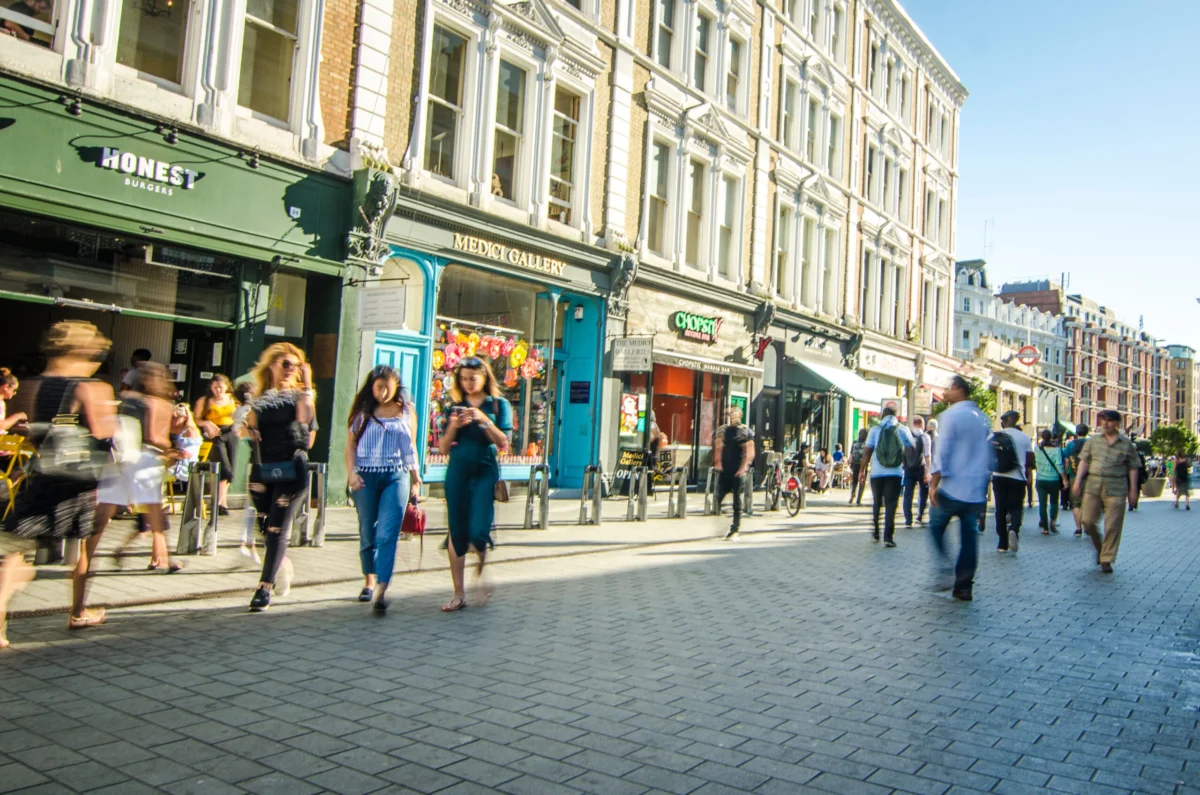
UK retailers have praised the heatwave-induced spike in footfall over the last week, marking a significant, albeit potentially transient, uplift in consumer activity across high streets and retail parks. The unseasonably warm spell, which gripped much of the nation, injected a much-needed jolt of optimism into a sector that has contended with persistent economic headwinds throughout the year. Initial reports from various retail analytics firms indicate a substantial increase in shopper numbers and a corresponding surge in sales for weather-appropriate goods, offering a welcome respite for businesses striving to navigate a challenging economic landscape.
The Unfolding of an Unseasonal Heatwave: A Timeline
The sudden onset of the heatwave, beginning in mid-May 2026, caught many by surprise. Meteorologists had initially forecast a typical late-spring period, but a high-pressure system became entrenched over the British Isles, drawing in warm air from continental Europe. By the week commencing May 20th, temperatures across southern and central England consistently soared into the high 20s Celsius, occasionally touching 30°C in urban areas. This sustained period of warmth, unusual for May, quickly shifted consumer priorities and shopping habits.
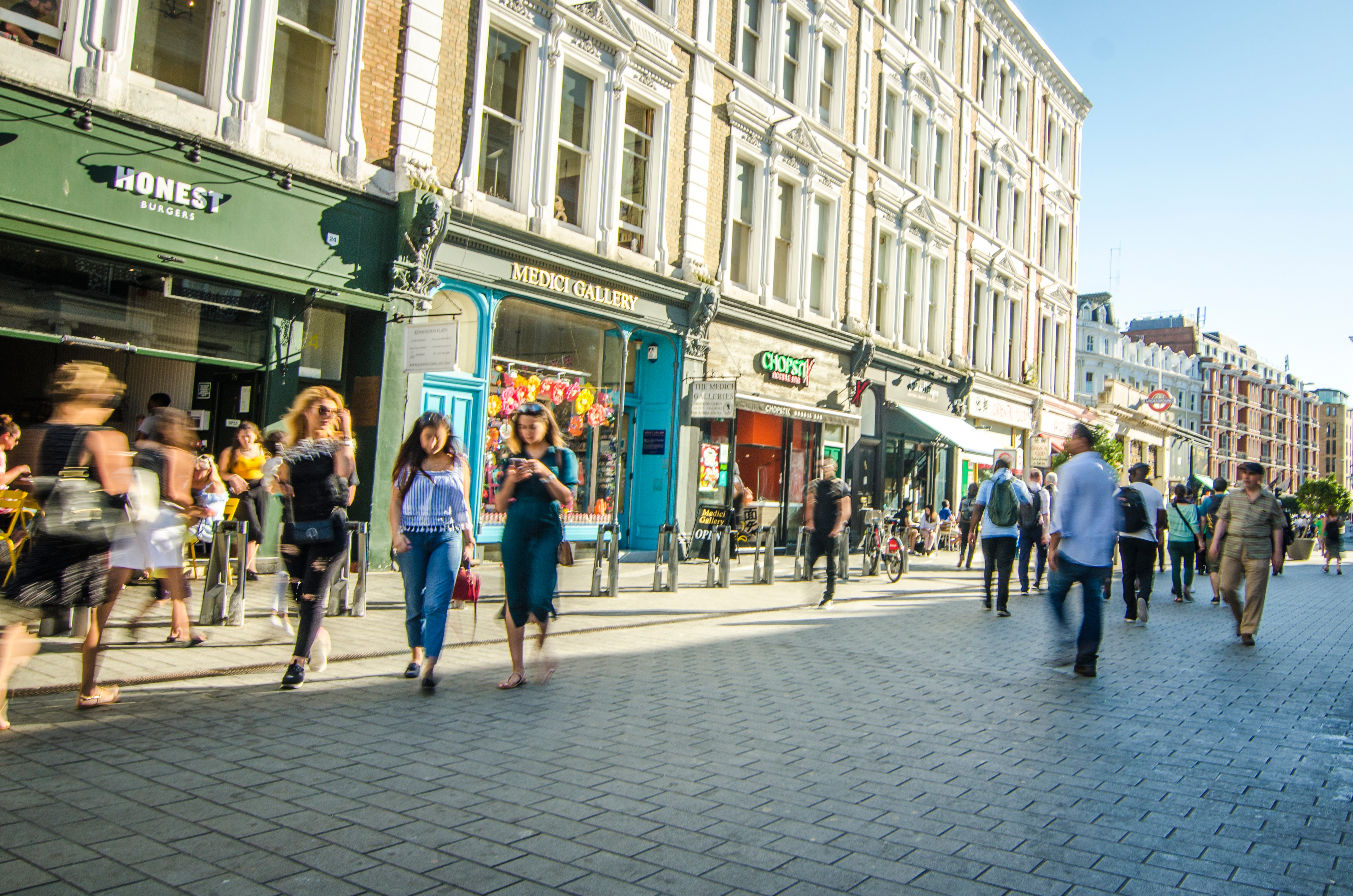
Initially, the public’s reaction was one of enjoyment, leading to increased outdoor activities. This directly translated into higher footfall in areas with outdoor amenities, such as parks, coastal towns, and high streets featuring outdoor dining. Retailers, accustomed to the vagaries of British weather, initially responded cautiously, but as the heat persisted and forecasts indicated no immediate cooling, many quickly adapted their merchandising strategies. By May 25th, the peak of the heatwave, reports of crowded shopping districts and bustling cafes began to proliferate, signalling a genuine surge in economic activity. The celebratory tone from retailers, as expressed in late May, reflected the culmination of a week of unexpectedly strong performance.
A Much-Needed Boost: Supporting Data and Sectoral Impacts
The positive sentiment among retailers is firmly rooted in observable data. According to preliminary figures released by Springboard, a leading retail intelligence provider, footfall across all UK retail destinations surged by an average of 14.8% week-on-week during the heatwave’s peak, from May 20th to May 27th. High streets experienced the most significant uplift, recording a remarkable 18.2% increase in visitor numbers, while retail parks saw an 11.5% rise. Even shopping centres, which have often struggled to attract visitors post-pandemic, reported a respectable 9.1% jump.
This increase in footfall translated directly into heightened sales across several key categories. Fashion retailers, particularly those specialising in summer wear, reported a dramatic turnaround. Data from the British Retail Consortium (BRC) suggests that sales of swimwear, shorts, t-shirts, and light dresses more than doubled in some outlets compared to the previous week, with an estimated overall category increase of 75% for spring/summer apparel. Footwear sales also saw a notable boost, with sandals and open-toed shoes experiencing a 60% surge.
Beyond apparel, the DIY and gardening sectors were significant beneficiaries. Home improvement stores saw a rush on outdoor furniture, barbecue equipment, and gardening tools, with sales in these sub-categories reportedly up by 120% and 90% respectively. Supermarkets and convenience stores also reaped rewards from increased demand for ice cream, chilled beverages, fresh produce suitable for salads, and barbecue ingredients. One major supermarket chain reported a 300% increase in ice cream sales and a 250% rise in bottled water purchases during the peak days of the heatwave. Leisure and sporting goods retailers also benefited, with sales of paddling pools, portable fans, and outdoor games seeing substantial growth.
Official Responses and Industry Perspectives
The positive reaction from the retail sector has been widespread. Helen Dickinson, Chief Executive of the British Retail Consortium, commented, "This unseasonable heatwave has been a much-needed tonic for UK retail. After months of consumers tightening their belts, the lure of sunshine has clearly encouraged discretionary spending, particularly on items that enhance outdoor living and summer wardrobes. While we remain cautious about the long-term outlook, this short-term boost is invaluable for many businesses, offering a vital cash injection and lifting morale."
Retail analytics firm Springboard’s Insights Director, Diane Wehrle, echoed this sentiment: "The correlation between favourable weather and increased footfall, especially on high streets, is well-established. However, the magnitude of this week’s surge is particularly striking, demonstrating consumers’ eagerness to engage with physical retail when the conditions are right. It underscores the enduring appeal of the brick-and-mortar experience for certain types of purchases, particularly those driven by immediate needs or impulse."
Individual retailers have also shared their enthusiasm. The CEO of a prominent high-street fashion chain, who wished to remain anonymous, stated, "We’ve seen our best week for summer lines in over two years. Our teams worked tirelessly to get relevant stock onto the shop floor, and the public responded incredibly well. It feels like a genuine moment of collective relief and enjoyment, and we’re just glad to be part of that." This immediate, positive response from industry leaders underscores the profound impact of even a short-lived, positive external factor like favourable weather on market sentiment and performance.
Broader Impact and Implications for the Retail Landscape
While the heatwave has provided an undeniable short-term boost, its long-term implications for the retail sector warrant careful analysis. The UK retail landscape has been grappling with a confluence of challenges for several years, including persistent inflation, a cost-of-living crisis impacting consumer discretionary spending, rising energy costs for businesses, and intense competition from online retailers. The question remains whether a weather-driven spike can fundamentally alter these deeper structural issues or merely serve as a temporary distraction.
Economists are divided on the sustainability of this uplift. Dr. Eleanor Vance, a senior economist at the Centre for Retail Research, observed, "While the immediate sales figures are impressive, it’s crucial to understand that much of this spending might represent a reallocation rather than a net increase in overall consumer expenditure. Consumers might have diverted funds from other areas, or simply accelerated purchases they would have made later in the summer. It provides liquidity, which is good, but doesn’t necessarily indicate a robust, sustained recovery in consumer confidence or purchasing power."
One significant implication lies in inventory management and supply chain resilience. Retailers, often planning seasons months in advance, faced the challenge of rapidly replenishing high-demand summer items. Those with agile supply chains and efficient logistics were better positioned to capitalise on the surge. Conversely, businesses with slower turnaround times may have missed out on significant sales opportunities due to stockouts. This event highlights the increasing need for flexibility and responsiveness in an era of unpredictable weather patterns and rapidly shifting consumer trends.
The heatwave also offered a powerful reminder of the enduring appeal of physical retail. While e-commerce continues its growth trajectory, the experience of browsing for summer clothing, trying on sandals, or selecting fresh produce for a barbecue in a bustling high street environment remains a potent draw for many consumers, especially during periods of positive outdoor sentiment. This reinforces the idea that brick-and-mortar stores, when positioned correctly and offering an engaging experience, can still thrive alongside their online counterparts.
Operational Challenges and Future Planning
Beyond sales figures, the heatwave presented operational challenges. Staffing levels needed to be adjusted rapidly to cope with increased footfall and longer opening hours in some instances. The comfort of both staff and customers in stores without adequate air conditioning became a concern, prompting some retailers to invest in temporary cooling solutions or adjust staff rotas to mitigate heat stress. For businesses in the food and beverage sector, maintaining cold chain integrity for perishable goods became paramount.
Looking ahead, this episode will likely influence future seasonal planning. Retailers may incorporate more flexible forecasting models that account for increasingly volatile weather patterns, potentially leading to more agile inventory strategies for seasonal goods. There could be a greater emphasis on "weather-proofing" assortments, ensuring a balanced stock of items suitable for both cooler and warmer conditions, even within the same season. The concept of "fast fashion" for weather-driven demand might extend beyond clothing to other retail categories.
Furthermore, the heatwave provides valuable insights into consumer behaviour. It underscores the psychological impact of weather on mood and spending habits, suggesting that retailers who can tap into these emotional drivers through targeted marketing and product offerings stand to benefit. For instance, promoting "staycation" essentials or "outdoor living" solutions could become more prevalent in marketing campaigns, particularly if climate trends suggest more frequent warm spells.
Potential Downsides and Cautious Optimism
While the overall mood is positive, some caution is warranted. An over-reliance on weather-driven boosts can mask underlying weaknesses in a business model. Retailers operating in sectors less impacted by the heatwave, such as formal wear, electronics, or winter sports equipment, may not have experienced the same uplift, potentially exacerbating existing disparities within the industry. There’s also the environmental consideration: a surge in consumption, while economically beneficial, carries implications for sustainability if not managed responsibly.
Moreover, the bounce-back could be followed by a period of slower sales as consumers have made their immediate heatwave-related purchases. The "pull-forward" effect, where future sales are brought forward, could lead to quieter weeks in late June or July once the weather normalises. This makes sustained strategic planning, rather than reactive adjustments, crucial for long-term stability.
In conclusion, the late May 2026 heatwave has undoubtedly provided a much-needed shot in the arm for the UK retail sector. The significant increases in footfall and sales across key categories have offered a valuable, albeit temporary, reprieve from ongoing economic pressures. It has underscored the enduring importance of physical retail and the powerful influence of weather on consumer behaviour. However, as retailers celebrate this momentary success, the more profound challenge remains: to leverage these transient boosts into sustainable growth strategies that can withstand the broader economic climate and the increasing unpredictability of global weather patterns. The immediate future will reveal whether this heatwave was a mere blip of sunshine or a catalyst for more innovative and resilient retail operations.