







The landscape of recreational running has undergone a significant transformation, evolving from simple group jogs to sophisticated social gatherings. Modern run clubs, often centered around platforms like Strava, have become curated events where attire is as much a point of consideration as the running itself. This shift signifies a growing emphasis on the intersection of fitness and social culture, where participants are increasingly aware of how their presentation aligns with the group’s established aesthetic. This evolution means that arriving unprepared, both in terms of physical readiness and sartorial choice, is now more conspicuous than ever before.
Understanding the nuanced culture of these modern run clubs is paramount for any newcomer or seasoned participant looking to integrate seamlessly. These gatherings occupy a unique space, distinct from the purely functional environment of a gym or the competitive intensity of a race. Instead, they foster an athletic yet curated atmosphere, where clothing choices serve as an immediate indicator of an individual’s understanding and appreciation of the group’s ethos. The visual presentation is observed not only before the run commences but also throughout the activity and, crucially, during any post-run social engagements, such as coffee meet-ups. This multifaceted context demands a wardrobe that is both functional for the physical demands of running and aesthetically aligned with the prevailing style.

The guiding principle for selecting run club attire can be distilled into a simple hierarchy: prioritize functionality, then consider aesthetics. While both are vital, a disregard for one over the other can be telling. For instance, an individual sporting a decade-old, ill-fitting race t-shirt and worn-out cotton shorts may appear as an afterthought, suggesting a lack of engagement with the group’s cultivated image. Conversely, someone dressed in a clean, well-coordinated, and considered ensemble signals a level of seriousness and respect for the activity and the community, irrespective of their personal running pace. This is not about ostentatious displays of wealth or athletic prowess, but rather about demonstrating an understanding of the unspoken codes of conduct within these evolving social fitness circles. The choice of apparel, from the most basic t-shirt to the running shorts, communicates a message before any words are exchanged, conveying a sense of belonging and preparedness.
The Foundation of Functional Style: Essential Kit Breakdown
The selection of individual apparel items for a run club meet need not be an overly complex endeavor, yet each component plays a critical role in achieving the desired balance of performance and style.
Tops: The Technical Tee or Singlet
For the upper body, the preferred choice is a technical t-shirt or singlet crafted from lightweight, moisture-wicking fabric. Neutral or muted color palettes are generally favored, contributing to a sophisticated and understated look. When it comes to branding, subtlety is key. While overt, large logos might detract from the curated aesthetic, niche brands with a distinct design philosophy, such as Satisfy Running with its trail-adjacent aesthetic, or a clean, minimalist Adidas Running tee, can effectively signal an informed appreciation for quality and style. The aim is to avoid an appearance that suggests the garment was chosen solely for its brand recognition, and instead, to convey a deliberate selection based on both performance attributes and visual appeal.

Bottoms: The Versatile Running Short
The ideal choice for legwear typically involves running shorts ranging from 5 to 7 inches in length. The inclusion of a built-in liner or compression inner is a matter of personal preference, offering varying degrees of support and comfort. The critical factor is to avoid shorts that are excessively long, baggy, or bear a resemblance to gym shorts, as these can immediately mark an individual as an outsider to the run club’s established norms. Basketball shorts, for example, are generally considered inappropriate for this setting due to their distinct association with a different athletic context. The selected running shorts should convey a sense of athletic purpose without compromising on a clean and modern silhouette.
Footwear: Contemporary and Well-Maintained Running Shoes
The choice of footwear is a significant element in the overall presentation. While high-performance, carbon-plated shoes are a recognized flex in the running community, they are not a prerequisite for attending a run club. The paramount consideration is that the shoes appear current and, crucially, are well-maintained. Brands like Hoka, with models such as the Clifton or Bondi, are often seen as signaling a serious approach to running without being overly flashy. Similarly, brands like On or Saucony are recognized by those familiar with the running gear landscape, indicating a knowledgeable participant. Regardless of the brand, the shoes should be clean and in good condition, reflecting a commitment to the activity.
The Impact of Accessories
Accessories can either elevate or detract from a carefully assembled run club outfit. The details here are often what distinguish a polished look from a haphazard one.

-
Socks: The current standard in running socks leans towards crew-length styles. White or off-white hues are generally preferred, and while subtle logos are acceptable, overly loud or brightly colored designs are best avoided. A simple, branded crew sock from a reputable running brand like Nike Running can effectively complement the overall ensemble.
-
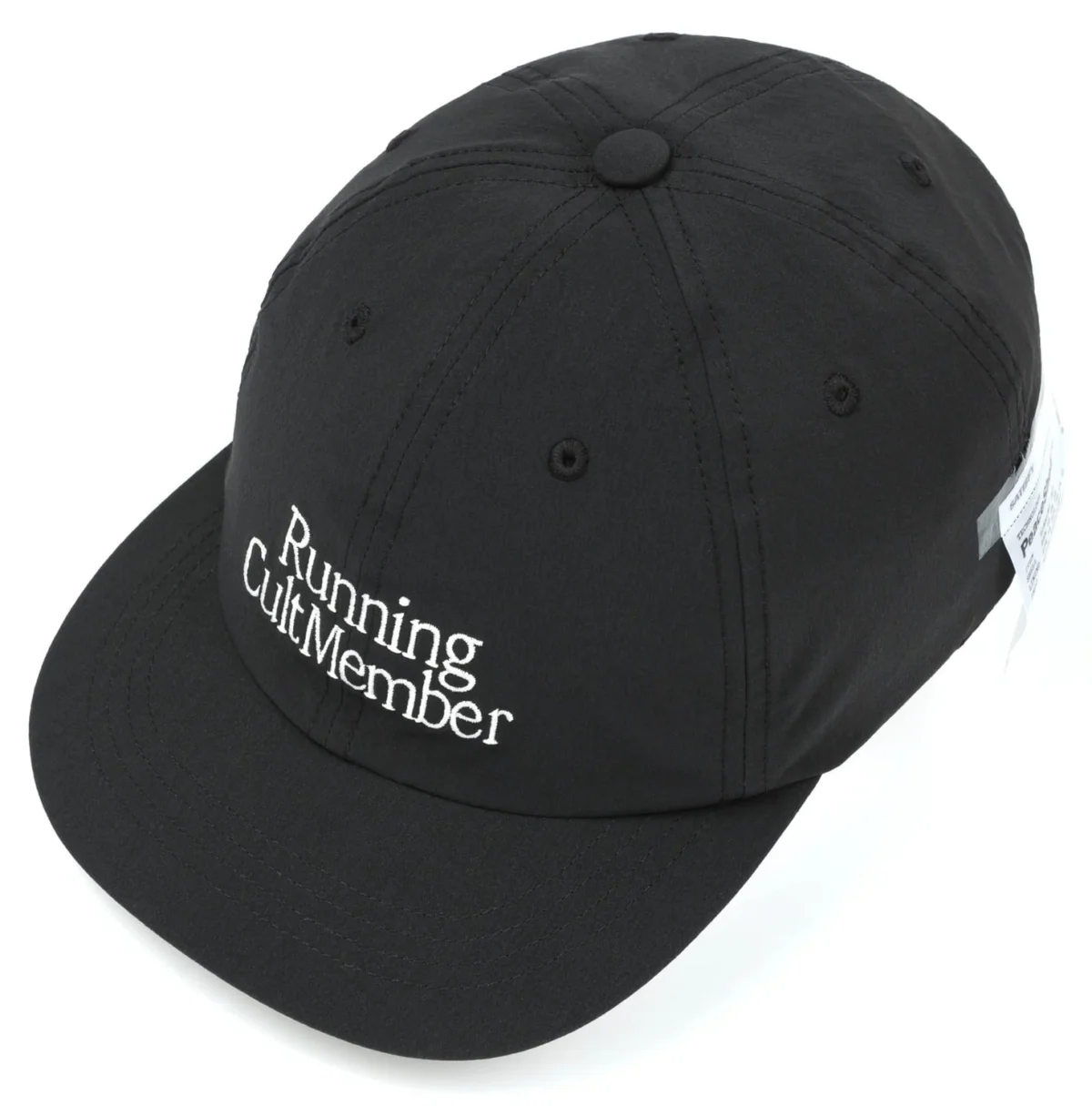
Cap: A cap serves both a functional purpose, offering sun protection, and an aesthetic one. A low-profile, technical cap, such as Satisfy Running’s PeaceShell model, is often seen as a benchmark. It signals an understanding of the sport’s culture while providing practical benefits. Fashion-oriented caps, with their distinct brim shapes and fits, can appear out of place when worn during a run.
-
Layering: For pre- and post-run comfort and style, a lightweight layer is a practical addition. This could be a zip-up jacket, a technical shell, or an overshirt. Such a layer not only completes the visual ensemble when standing around but also provides essential warmth as temperatures drop after a strenuous effort.

The Art of Cohesion: Crafting Your Personal Style
The key to a successful run club outfit lies in color discipline and thoughtful coordination. A maximum of two or three colors should be employed within a single ensemble. Earth tones, monochrome palettes, or soft, complementary color combinations tend to work best. An individual who attempts to coordinate every piece of their kit in neon hues might be perceived as trying too hard, whereas someone who opts for an all-black base with a single, considered accent color demonstrates a more refined approach.
The overarching formula for an effective run club look can be summarized as: Clean, Effortless, Credible.
| Component | Recommended Choice | Rationale |
|---|---|---|
| Top | Off-white technical tee (Satisfy Running or Adidas Running) | Neutral tone, performance fabric, signals sophisticated brand awareness. |
| Shorts | Black 5-inch lined running shorts | Classic color, functional length, clean silhouette. |
| Shoes | Hoka Clifton or On Cloudmonster (kept clean) | Reputable brands signaling serious running intent, appearance of care. |
| Socks | White crew (Nike Running or similar) | Standard length, neutral color, subtle branding is acceptable. |
| Extras | Garmin or Coros watch; Cap (optional); Performance sunglasses | Performance technology signals dedication; functional accessories. |
Technological Accessories: The presence of a GPS watch from brands like Garmin, Coros, or even an Apple Watch, subtly communicates a commitment to performance tracking and training data. Similarly, sunglasses should always be performance-oriented. Oversized, fashion-forward sunglasses worn during a run can convey an impression of a staged photoshoot rather than genuine athletic activity.

Key Brands to Consider: While not exhaustive, brands such as Adidas Running, Satisfy Running, Hoka, and Nike Running are frequently observed and respected within these communities, often due to their blend of performance technology and thoughtful design.
What Not to Wear: Avoiding the Pitfalls
Just as important as knowing what to wear is understanding what to avoid. Certain sartorial choices can undermine an otherwise well-intentioned effort to fit in.
- Overly Casual Cotton: Cotton t-shirts and shorts are generally unsuitable due to their poor moisture-wicking properties and tendency to become heavy when wet, detracting from both comfort and appearance.
- Outdated or Ill-Fitting Gear: Clothing that is visibly old, faded, or does not fit properly can signal a lack of recent engagement with running or a disregard for personal presentation.
- Excessive Branding or Loud Colors: While brands can be a signal, overwhelming logos or a chaotic mix of bright, clashing colors can appear unsophisticated and detract from the curated aesthetic.
- Non-Performance Apparel: Items like generic gym shorts, fashion hoodies not designed for athletic activity, or inappropriate footwear (e.g., casual sneakers) can indicate a lack of understanding of the run club’s specific context.
The Tone Note: The aim is to strike a balance. One should not appear to be a complete novice struggling with basic gear, nor should one appear to be solely focused on creating an Instagram-worthy image. Both extremes are readily discernible and can be off-putting to the established community.

The Social Dimension: Extending the Run
The experience of a run club often extends beyond the physical act of running. The post-run coffee or social gathering is an integral part of the format, and attire that transitions smoothly from athletic exertion to casual social interaction is highly valued.
-
The Post-Run Layer: A light, versatile layer such as a well-designed hoodie, an overshirt, or a technical jacket is an easy and effective way to upgrade the post-run look. This piece should allow the wearer to move seamlessly from the finish line to a café, signaling a preparedness for the social aspect of the event.
-
Shared Aesthetic Cues: It is evident that individuals within running communities often form connections through shared aesthetic preferences, in addition to their common passion for running. Dressing in a manner that reflects an understanding and appreciation of this shared visual language can foster a stronger sense of belonging.

Adapting to the Elements: Weather Considerations
While the core principles of run club attire remain consistent, practical adaptations for varying weather conditions are essential.
-
Cooler Temperatures: For cooler weather, layering becomes paramount. A base layer of technical fabric, topped with a lightweight, wind-resistant jacket or a long-sleeved technical shirt, provides warmth without compromising breathability.
-
Warmer Conditions: In warmer climates, lightweight, breathable fabrics are crucial. Singlets or short-sleeved technical tees, paired with moisture-wicking shorts, are standard. Sun protection, such as a cap and sunglasses, becomes even more important.

-
Inclement Weather: For runs that occur in light rain or windy conditions, a water-resistant or water-repellent jacket is advisable. However, it’s important to maintain a streamlined silhouette and avoid bulky outerwear that hinders movement.
The Ultimate Variable: Confidence
Ultimately, the most crucial element of any run club attire is the wearer’s confidence. The best kit for a first-time attendee is one that has been tested and proven comfortable during previous runs. This familiarity breeds a natural ease that is palpable.
It is not necessary to invest in the most expensive gear to achieve the desired look. Intentional choices consistently outweigh expensive ones. A thoughtfully curated ensemble from mid-range brands like Hoka, Adidas Running, or Nike, worn with familiarity, cleanliness, and a sense of personal style, will always be more impactful than a brand-new, high-end outfit that appears unworn and unpracticed.

The objective is not to impress fellow runners with the cost or exclusivity of one’s apparel, but rather to present oneself as someone who understands the culture, is prepared for the activity, and is comfortable in their own skin. The goal is to project an image of someone who has done their homework, respects the community’s unwritten rules, and is not attempting to overcompensate or force a particular image.
As the saying goes, "Looking like you belong isn’t about copying others. It’s about understanding the culture and showing up prepared, comfortable, and self-aware." This holistic approach, blending functional necessities with an awareness of social dynamics and personal presentation, is the key to successfully navigating the evolving world of run clubs.