










Goodhood director and co-founder Kyle Stewart walked Drapers around the newly upsized flagship on east London’s Hanbury Street on May 25, 2026, marking a significant strategic move for the renowned lifestyle retailer. In an era where many brands continue to pivot heavily towards digital-first strategies, Goodhood’s substantial investment in an expanded physical footprint serves as a compelling testament to the enduring power and strategic importance of brick-and-mortar retail, particularly for brands rooted in curation, community, and experiential engagement. The decision to double down on a physical presence in the bustling heart of East London challenges conventional wisdom and underscores a nuanced understanding of modern consumer behaviour.
The Strategic Expansion on Hanbury Street
The newly unveiled flagship store, significantly larger than its predecessor, occupies a prominent position on Hanbury Street, a vibrant artery connecting the historic Spitalfields Market with the creative pulse of Shoreditch. This location is no accident; it is a carefully chosen nexus point that combines high footfall from tourists and local residents with a strong presence of independent boutiques, art galleries, and innovative eateries. Stewart emphasised that the expansion was not merely about increasing square footage, but about creating a more immersive and comprehensive brand experience. "Our customers seek more than just products; they’re looking for discovery, inspiration, and connection," Stewart explained during the tour. "This new space allows us to deliver on that promise more fully, offering an enhanced journey through the Goodhood universe." The upsized store now spans over 7,000 square feet, a substantial increase that facilitates a broader product offering and dedicated zones for various lifestyle categories, along with an expanded café and dedicated event spaces. This scale allows Goodhood to move beyond a traditional retail model, transforming the store into a true cultural hub.
Goodhood’s Journey: A Foundation in Curated Retail
Founded in 2007 by Kyle Stewart and Jo Sindle, Goodhood emerged from a desire to create a retail destination that celebrated independent design and a distinct lifestyle aesthetic. Initially, the brand gained traction through its meticulously curated selection of clothing, homeware, and accessories from a global network of independent designers and established cult brands. Their ethos, "the culture of good living," resonated with a discerning clientele looking for unique, high-quality items with a story.
From its humble beginnings as a small boutique, Goodhood quickly developed a reputation for its discerning eye and a knack for identifying emerging trends. Their first significant physical store on Coronet Street in Hoxton laid the groundwork for their brick-and-mortar appeal, complementing a robust online presence that catered to an international audience. The brand’s journey has been characterised by a careful balance between digital accessibility and the tangible experience of physical retail. Over the years, Goodhood has consistently demonstrated an understanding that for certain product categories – particularly those tied to aesthetics, texture, and personal style – the physical interaction remains paramount. The move to Hanbury Street in the early 2010s marked another chapter, solidifying their presence in a dynamic retail district. This latest expansion is the culmination of years of organic growth and a reinforced belief in their foundational principles.
The Evolving Retail Landscape: A Return to the Physical
Goodhood’s expansion comes at a pivotal moment for the global retail industry. While the COVID-19 pandemic accelerated the shift towards e-commerce, leading many to predict the demise of physical stores, the years following 2020 have revealed a more complex and nuanced reality. Data from retail analytics firms in early 2026 indicates a steady recovery in footfall across major urban retail hubs, with a particular surge in demand for experiential and destination-led retail environments.
According to a report by the Centre for Retail Research, physical store sales, while not always matching pre-pandemic peaks, have demonstrated remarkable resilience, particularly for brands that offer unique value propositions beyond mere transactions. The report highlighted that 60% of consumers surveyed in the UK expressed a preference for shopping in-store for items where "touch and feel" or "expert advice" were critical, or for leisure activities. Furthermore, 75% valued the ability to combine online browsing with in-store collection or returns. This hybrid consumer behaviour underscores the need for an integrated retail strategy, where physical and digital channels mutually reinforce each other.
"The narrative of ‘the death of the high street’ was always an oversimplification," commented Dr. Eleanor Vance, a leading retail analyst at the London School of Economics. "What we’re witnessing now is a recalibration. Stores aren’t just points of sale; they are brand temples, community hubs, and critical touchpoints for building loyalty and delivering immersive experiences. Goodhood’s move is a prime example of a brand understanding this fundamental shift and investing accordingly." This strategic investment by Goodhood is a direct response to these evolving consumer expectations, positioning the brand to thrive in a competitive and rapidly changing market.
Designing for Experience: Inside the Upsized Flagship
The new Goodhood flagship on Hanbury Street is a masterclass in modern retail design, meticulously crafted to reflect the brand’s aesthetic and enhance the customer journey. Upon entering, visitors are greeted by an expansive, light-filled space characterised by minimalist design, natural materials, and an effortless blend of industrial chic and refined comfort. High ceilings and carefully placed lighting fixtures illuminate the diverse product ranges, from contemporary fashion and footwear to unique homeware, independent beauty brands, and a curated selection of books and magazines.
The store is intelligently zoned, allowing for a natural flow between categories without feeling disjointed. The ground floor houses the main fashion collections, featuring a mix of established names and emerging designers, alongside a dedicated area for sneakers and accessories. Moving further into the space, the homeware section unfolds, showcasing everything from artisanal ceramics and kitchenware to designer furniture and eclectic decorative objects. Each item feels intentionally placed, inviting discovery and contemplation.
A key feature of the expanded space is the significantly larger Goodhood Café, now a destination in its own right. Offering ethically sourced coffee, artisanal pastries, and light bites, the café is designed as a communal space where customers can relax, work, or socialise, further embedding the store into the daily lives of its patrons. Adjacent to the café is a flexible event space, envisioned to host a dynamic programme of workshops, product launches, art exhibitions, and community gatherings, transforming the store into a vibrant cultural epicentre. Stewart highlighted the importance of this multi-functional approach: "We want people to spend time here, to linger, to be inspired. The café and event space are crucial elements in fostering that sense of community and making the store a true destination, not just a shop."
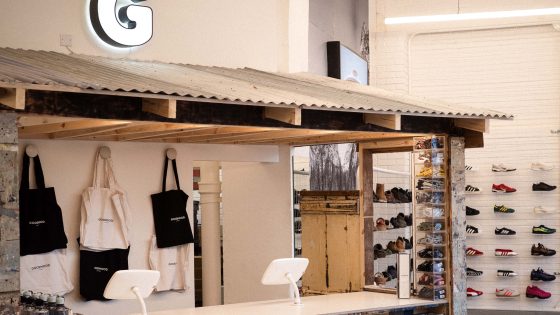
The design also incorporates sustainable elements, with reclaimed materials used where possible, energy-efficient lighting, and a commitment to showcasing brands with strong ethical and environmental credentials. This aligns with a growing consumer demand for responsible retail and reinforces Goodhood’s brand values.
A Statement from the Co-founder
Kyle Stewart articulated the profound philosophy underpinning the flagship expansion. "This isn’t just about selling more products; it’s about deepening our connection with our community and embodying ‘the culture of good living’ in a tangible space," he stated. "In an increasingly digital world, the craving for authentic, human interaction has never been stronger. Our customers want to touch the fabrics, experience the craftsmanship, and immerse themselves in the stories behind the brands we carry. They want to be part of something real."
Stewart elaborated on the strategic timing of the investment. "While many brands retreated from physical retail during the pandemic, we saw it as an opportunity to reassess and reimagine. We firmly believe that the physical store, when done right, offers an unparalleled experience that digital simply cannot replicate. It’s about sensory engagement, serendipitous discovery, and creating memorable moments. This expanded flagship is our declaration of faith in that power." He further hinted at future plans to leverage the store’s new capabilities, including exclusive in-store product drops, personal styling appointments, and collaborations with local artists and creatives, positioning Goodhood as a dynamic platform for cultural exchange.
Industry Perspectives: Experts Weigh In
Industry experts have largely lauded Goodhood’s bold move as a strategic masterstroke, particularly given the brand’s established identity. "Goodhood has always excelled at curation and community building," noted Sarah Jenkins, a retail strategy consultant specializing in independent brands. "Their decision to expand their flagship is a smart play that leverages their core strengths. For a brand like Goodhood, which thrives on storytelling and a distinctive aesthetic, a physical space is not a luxury, but a necessity. It’s where the brand truly comes alive, where customers can fully grasp the quality and ethos."
Jenkins further explained the concept of the "halo effect," where a strong flagship store can significantly boost a brand’s overall perception and drive online sales. "A compelling physical presence creates buzz, reinforces brand identity, and serves as a powerful marketing tool. People might discover Goodhood online, but experiencing the store in person solidifies their loyalty and encourages repeat engagement across all channels." This strategy is particularly effective for independent retailers who often rely on unique product offerings and a strong brand narrative to differentiate themselves from larger competitors. Goodhood’s expansion validates the idea that niche, experience-driven retail has a vital role to play in the future of the high street.
The Hanbury Street Ecosystem: Impact on East London Retail
The upsized Goodhood flagship is expected to have a notable impact on the immediate Hanbury Street area and the broader East London retail landscape. As a well-established and respected brand, Goodhood acts as an anchor tenant, drawing increased footfall and potentially attracting other complementary businesses to the vicinity.
Local business associations have expressed enthusiasm for the development. "Goodhood’s expansion is a fantastic boost for Hanbury Street and the wider Spitalfields area," commented Mark Davies, chair of the Spitalfields Retail Alliance. "They bring a unique blend of fashion, design, and culture that enriches our diverse retail offering. Their investment is a clear vote of confidence in East London as a vibrant, creative, and economically significant retail destination. We anticipate this will lead to increased visitor numbers and provide a ripple effect for neighbouring businesses." The store’s expanded café and event spaces are also expected to foster greater community engagement, creating a new focal point for local residents and workers. This synergy contributes to East London’s reputation as a hub for independent, innovative retail, contrasting with the more homogenous offerings found in traditional high streets.
Looking Ahead: The Future of Hybrid Retail
Goodhood’s significant investment in its Hanbury Street flagship is a powerful statement about the future of retail – a future that is undeniably hybrid. While their digital platform remains crucial for reach and convenience, the physical store is now positioned as the heart of their brand experience, a place where their "culture of good living" can be fully embodied and explored.
The expanded space allows Goodhood to experiment with new retail formats, from exclusive product launches and collaborations to workshops and community events, further blurring the lines between commerce and culture. This integrated approach, where online and offline channels are not merely co-existing but actively enhancing each other, represents a sophisticated understanding of contemporary consumer behaviour. Customers can browse online, then visit the store to experience products firsthand; they can attend an in-store event, then purchase items online later. This seamless journey is critical for retaining loyalty and driving growth.
Looking forward, Goodhood’s success with this flagship expansion could serve as a blueprint for other independent retailers seeking to navigate the complexities of the modern market. It underscores that while technology will continue to shape how we shop, the fundamental human desire for connection, experience, and tangible discovery remains as strong as ever. Goodhood’s bet on bricks and mortar is not a nostalgic retreat, but a forward-thinking embrace of a holistic retail future, firmly rooted in the enduring power of physical presence.