




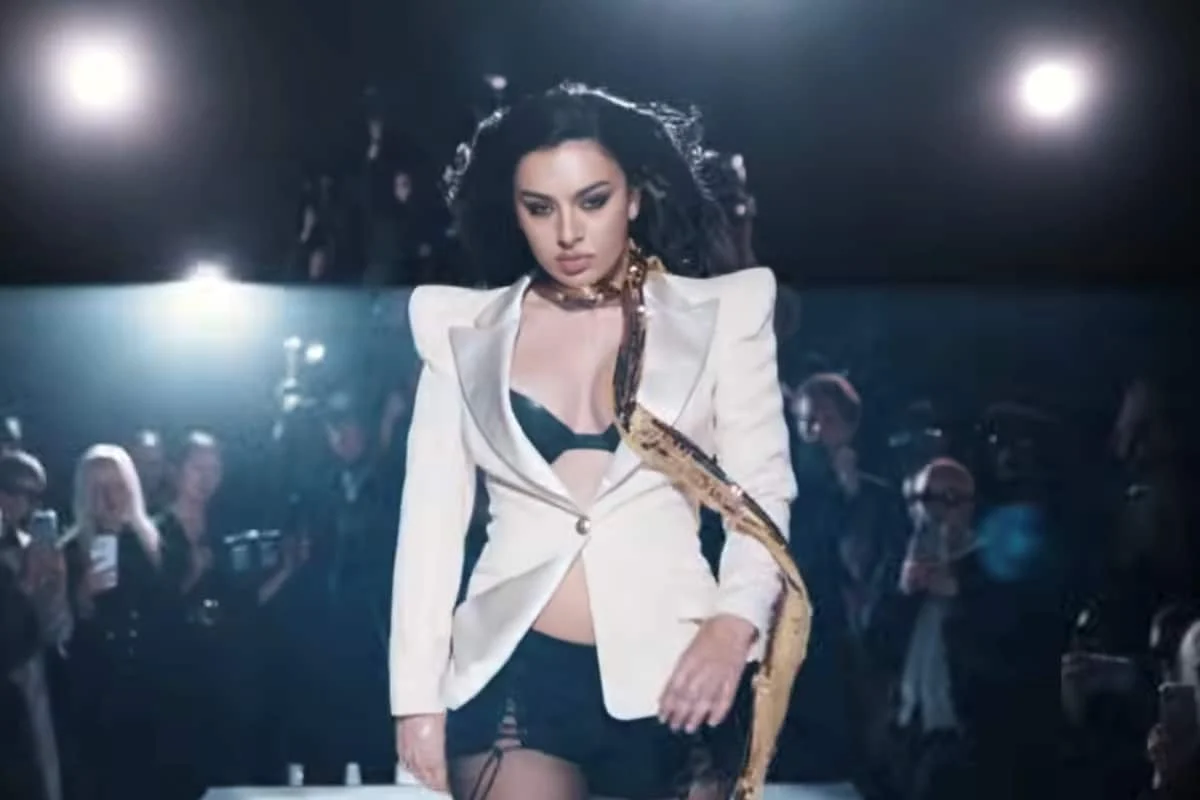
Pop provocateur Charli XCX continues her year of conceptual surprises, culminating in the recent unveiling of her "SS26" music video, a meticulously crafted homage to and playful subversion of the high fashion runway show. This latest artistic endeavor sees the acclaimed artist pivot from her previously declared foray into "rock music"—a pronouncement that itself was revealed to be a meta-troll—to orchestrate a fully realized, albeit fictional, Spring/Summer 2026 presentation that has sent ripples across both the music and fashion industries. The track, aptly named "SS26," draws its title from the Spring/Summer 2026 fashion weeks in Paris, a period last October during which Charli XCX found herself immersed in the city’s haute couture scene, concurrently laying the groundwork for her highly anticipated forthcoming album.
This ambitious visual project, directed by the renowned creative duo Torso, goes beyond a mere music video; it functions as a comprehensive, satirical yet reverent, re-creation of a luxury fashion show, complete with a bespoke invitation, a star-studded front row of industry luminaries, and a curated selection of designer garments. In the spirit of Dazed Digital’s comprehensive fashion show coverage, this article delves into every facet of Charli XCX’s "SS26" presentation, dissecting its layers of reference, its commentary on contemporary culture, and its broader implications for artistic expression at the intersection of music and fashion.
The Conceptual Framework: Music Meets Meta-Fashion
Charli XCX has long been lauded for her avant-garde approach to pop music, consistently pushing boundaries and challenging conventional expectations. Her career has been marked by a relentless pursuit of innovation, often blending hyperpop aesthetics with mainstream appeal, and experimenting with soundscapes that defy easy categorization. This year, however, has seen her embrace a particularly theatrical and meta-narrative approach to her public persona and artistic output. The initial declaration that she was "pronouncing the dancefloor dead" and would exclusively be making "rock music" from that point forward was met with a mixture of confusion and excitement among her fanbase and critics alike. This announcement, widely disseminated across social media and music news outlets, set the stage for a dramatic shift.
The subsequent release of a lead single, unequivocally titled "rock music," earlier this month, served as the ultimate reveal of her elaborate "troll." Far from a traditional rock anthem, the track was a quintessential Charli XCX pop banger, replete with her signature electronic flourishes and defiant attitude. This calculated act of misdirection underscored her mastery of contemporary media cycles and her willingness to playfully manipulate audience expectations. "SS26" emerges directly from this lineage of conceptual artifice, extending her thematic exploration into the visual realm of fashion. The video isn’t just a promotional tool for the song; it’s a performance art piece that interrogates the spectacle and performativity inherent in both the music and fashion industries.
The Genesis of "SS26": A Parisian Interlude
The inspiration behind "SS26" is deeply rooted in Charli XCX’s personal experiences during a pivotal creative period. Last October, while traversing the bustling landscape of Paris Fashion Week, attending various Spring/Summer 2026 presentations, the artist was simultaneously immersing herself in the creative process of her upcoming album. The frenetic energy, the curated spectacle, and the inherent drama of the fashion circuit evidently resonated with her artistic sensibilities, leading her to imbue a track with the very essence of that experience. The choice to name the song "SS26" is a direct nod to this genesis, firmly anchoring the music in a specific time and place within the global fashion calendar. This convergence of personal experience, creative incubation, and a major industry event highlights how artists like Charli XCX draw inspiration from diverse cultural spheres, transforming them into multifaceted artistic statements. The song itself, therefore, becomes a sonic snapshot of that Parisian moment, a soundtrack to the runways she witnessed and the album she was crafting.
Crafting the Illusion: The "SS26" Invitation
The meticulous construction of Charli XCX’s faux fashion show began not with the runway itself, but with the critical precursor to any major presentation: the invitation. Two days prior to the video’s release, Charli XCX disseminated a digital invitation via her alternative Instagram account, @b.sides, known previously as @360_brat. This strategic use of a "finsta" (a secondary, often more personal or niche Instagram account) immediately signaled an insider’s approach, mirroring the exclusivity often associated with high fashion. The invite itself was a study in minimalist elegance, replicating the conventional format of luxury show invitations. It contained only the essential details: an invitation to the "presentation of Charli xcx SS26, directed by Torso."
The simplicity and authenticity of the invite led to widespread speculation across social media and fashion blogs. Many followers and industry observers jumped to the conclusion that Charli XCX was poised to launch her own luxury fashion brand, or at the very least, stage a legitimate runway show during Paris Fashion Week. This initial burst of excitement and conjecture underscored the effectiveness of her conceptual artifice. While the dream of Charli XCX as a creative director of her own high fashion label remains unrealized, the artist successfully delivered on the "show part," albeit within the confines of a music video. This pre-release marketing strategy not only generated significant buzz but also served as an integral part of the artistic statement, highlighting the role of anticipation and speculation in both the music and fashion industries. It demonstrated Charli XCX’s astute understanding of how to leverage digital platforms to create a compelling narrative that transcends traditional promotional boundaries.
The Front Row Spectacle: A Who’s Who of Fashion Royalty
No true fashion spectacle is complete without a discerning front row, populated by the industry’s most influential figures. Charli XCX’s "SS26" video meticulously recreated this crucial element, assembling an impressive roster of real-life fashion heavyweights who lent an undeniable air of authenticity and gravitas to the simulated event. The casting was not merely for star power but for symbolic resonance, with each guest representing a distinct facet of the global fashion ecosystem.
Among the most prominent attendees was Carine Roitfeld, a titan of fashion journalism and styling. As the former editor-in-chief of Vogue Paris and the current editor of CR Fashion Book, Roitfeld’s presence signifies the highest echelons of editorial authority and sartorial influence. Her sharp eye and audacious style have shaped global fashion narratives for decades, making her an indispensable figure in any serious fashion presentation.
Seated beside her was Anthony Vaccarello, the acclaimed creative director of Saint Laurent. Vaccarello’s tenure at the iconic French house has been marked by a revitalization of its sleek, rock-and-roll aesthetic, infusing it with a contemporary edge while respecting its rich heritage. His direct involvement in the video, given Charli XCX’s status as a Saint Laurent brand ambassador, underscored the symbiotic relationship between high fashion brands and contemporary musical artists.
Adding to the legendary status of the front row was supermodel Debra Shaw. A prominent figure on runways throughout the 1990s and beyond, Shaw’s enduring presence and distinctive look have cemented her status as a fashion icon. Her inclusion, observing from the audience rather than walking, subtly commented on the evolving roles within the industry and paid homage to the history of runway performance.
The digital sphere was represented by fashion influencer Lyas and commentator Loïc Prigent. Lyas, known for his incisive fashion critiques and strong social media presence, embodies the new guard of fashion commentary, where digital platforms often rival traditional print media in influence. Prigent, a seasoned journalist and documentary filmmaker, is celebrated for his witty and often irreverent behind-the-scenes glimpses into the fashion world, providing a critical yet affectionate perspective. Their presence acknowledged the crucial role of media and digital discourse in shaping public perception of fashion shows.
The sonic landscape of the fashion show was personified by Michel Gaubert, arguably the most famous and influential man in the show soundtrack business. Gaubert’s meticulous curation of music for countless high-profile runway shows has defined the auditory experience of fashion for decades. His presence in the video was a testament to his unparalleled impact on setting the mood and narrative of a collection’s debut.
Emerging talent was also recognized with the inclusion of Benjamin Barron and Bror August Vestbø, the design duo behind the buzzy label August Barron. Their participation highlighted the contemporary fashion landscape’s dynamic interplay between established powerhouses and innovative newcomers, signifying the video’s comprehensive embrace of the industry’s various tiers.
Finally, the logistical backbone of any successful fashion show was acknowledged through the presence of leading PR moguls David Siwicki and Lucien Pagès. These individuals represent the formidable public relations machinery that orchestrates the intricate dance of guest lists, media outreach, and overall presentation, ensuring the seamless execution and impactful dissemination of a collection’s message. Their inclusion underscored the comprehensive and authentic portrayal of the fashion ecosystem.
The Runway Attire: A Curated Showcase of Avant-Garde and Established Brands
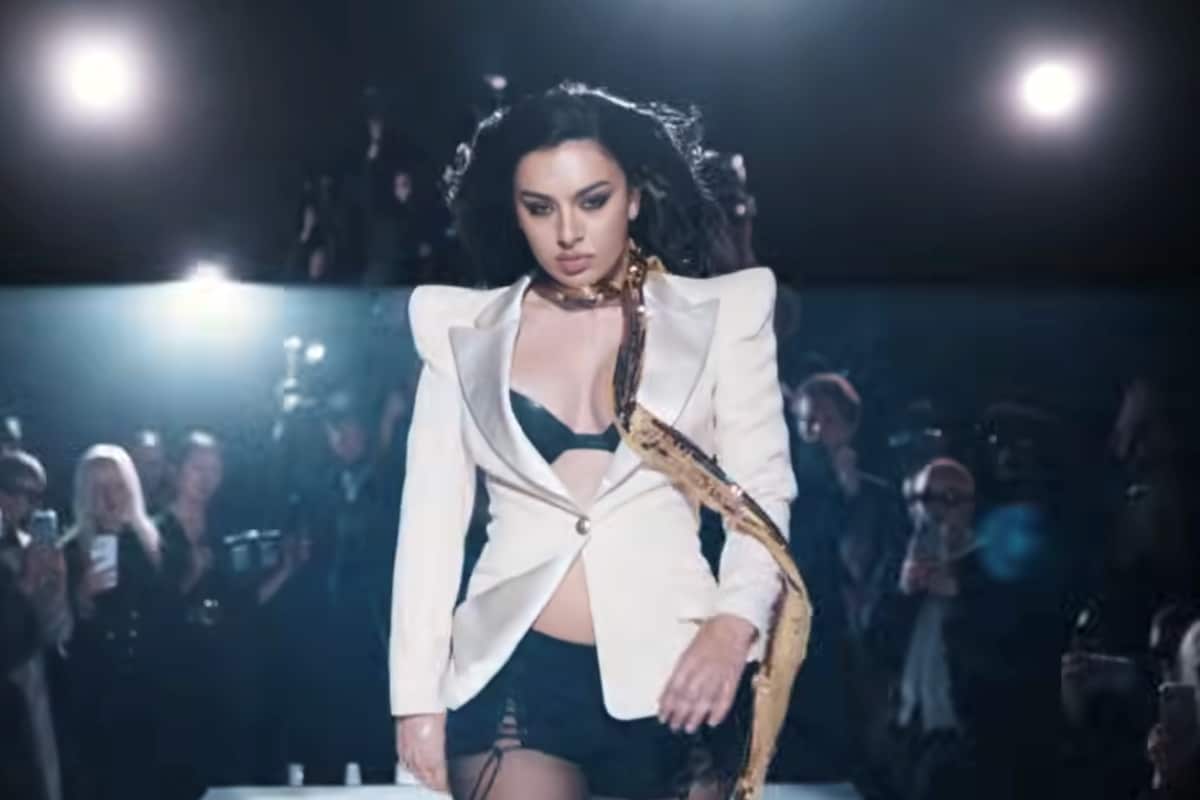
Rather than merely donning garments from a single collection or her own fictitious label, Charli XCX utilized her "SS26" runway as a dynamic platform to showcase a carefully curated selection of her favorite designers, spanning both established luxury houses and cutting-edge emerging talents. This approach not only underscored her personal style but also provided a broader commentary on the diverse aesthetic landscape of contemporary fashion. As she commanded the catwalk, Charli XCX presented looks from a mix of iconic and influential brands.
Key designers featured included Ann Demeulemeester, renowned for her dark, romantic, and often deconstructed aesthetic, which aligns with Charli XCX’s own penchant for edgy and unconventional style. Pieces from Balmain would have brought a sense of opulent maximalism and structured glamour, reflecting the brand’s signature bold silhouettes and intricate embellishments. Naturally, Saint Laurent featured prominently, a strategic choice given Charli XCX’s role as a brand ambassador for the house and the front-row presence of its creative director, Anthony Vaccarello. Saint Laurent’s inclusion underscored the brand’s contemporary relevance and its powerful synergy with pop culture icons.
The roster also included Lou De Bètoly, an emerging designer celebrated for their innovative and often theatrical creations, bringing a fresh, avant-garde sensibility to the presentation. The inclusion of Chrome Hearts, known for its distinctive rock-and-roll-inspired luxury goods, including leather, silver jewelry, and apparel, further cemented the video’s embrace of a rebellious, high-fashion street aesthetic.
A surprising detail noted by observers was that the garments were not exclusively from the Spring/Summer 2026 season, which the video ostensibly represented. Instead, a significant portion of the clothing was drawn from the Autumn/Winter 2026 collections, which had been showcased earlier in March of the same year. This deliberate mixing of seasons is a subtle yet significant detail, perhaps hinting at the fluidity of fashion timelines in an increasingly digital and consumer-driven world, or simply allowing Charli XCX the creative freedom to select pieces that best fit her artistic vision, regardless of their immediate seasonal relevance. The multiple Saint Laurent moments throughout the video served as a clear highlight, reinforcing her brand affiliation and the visual language that Vaccarello has cultivated for the house.
Homage and Subversion: Unpacking the Runway References
The "SS26" video is a treasure trove of meticulously recreated and recontextualized runway references, serving as both a loving homage to fashion history and a playful subversion of its inherent drama. The show’s set design immediately evoked the minimalist yet dramatic aesthetic prevalent in 1990s fashion shows. Runways of that era were often slightly elevated, with models navigating paths illuminated by stark, white light against a clean backdrop. This style was famously epitomized by Tom Ford’s seminal Gucci shows, which frequently featured single beams of light and models emerging onto an austere white stage. More recently, Demna paid tribute to this aesthetic during his own debut at Gucci in February, further cementing its iconic status. Charli XCX’s video effectively captured this timeless yet potent visual language, setting a tone of high-stakes performance.
The video then dives into specific, iconic runway moments, reimagining them with Charli XCX herself as the central protagonist. One early scene depicts multiple versions of Charli XCX on the runway, resulting in a staged collision. One Charli, clad in a white Lou De Bètoly ensemble, deliberately bumps into another Charli, sporting a black Chrome Hearts two-piece. This dramatic interaction directly references the unforgettable moment from Todd Oldham’s 1995 show, where supermodels Amber Valletta and Shalom Harlow famously collided on the catwalk, creating an unplanned but iconic instance of runway drama. By recreating this, Charli XCX highlights the theatricality and occasional unpredictability of live fashion presentations.
Later in the show, another iteration of Charli XCX casually pulls out and lights a cigarette while strutting down the runway. This gesture pays homage to a rebellious trend seen in fashion history, where models like Kate Moss, Linda Evangelista, Edie Campbell, and Cara Delevingne have famously smoked on the catwalk. This act, often perceived as an embodiment of cool nonchalance or defiance, historically challenged the pristine image of the supermodel and added an edge of gritty realism or subversive glamour to the presentation. In the context of "SS26," it’s a nod to a bygone era of fashion provocation.
Perhaps the most universally recognizable and dramatically executed reference is Charli XCX’s staged fall. Teetering on impossibly towering platform heels, she tumbles to the ground, recreating the legendary moment when Naomi Campbell famously fell during Vivienne Westwood’s Autumn/Winter 1993 show. Campbell’s graceful recovery, punctuated by her iconic laugh, transformed what could have been a mishap into a moment of defiant resilience and self-assuredness. The video also draws a clear parallel to the equally memorable scene from Sex and the City, where Carrie Bradshaw experiences a spectacular mid-walk fall. Like Carrie, Charli XCX simply lies on the runway, temporarily incapacitated, as other models (or versions of herself) continue to stride around her. This reference speaks to the vulnerability and occasional absurdity inherent in the pursuit of high fashion, as well as the unwavering, sometimes relentless, pace of the industry. These meticulously chosen and executed references underscore Charli XCX’s deep appreciation for fashion history and her ability to weave these iconic moments into a contemporary artistic narrative.
Charli XCX’s Reflection: Behind the Scenes and the "Full Circle" Moment
Following the unveiling of the "SS26" video, and in a manner mirroring the post-show dissemination of information, "show notes" detailing all credits landed in virtual inboxes. While a formal press release was notably absent, Charli XCX herself offered a candid reflection on the creative process via her @b.sides Finsta account. Her statement provided valuable insight into the production and her personal connection to the project.
"Went back to Paris last week to shoot the SS26 video with Torso," she shared, immediately grounding the elaborate production in a tangible reality. Her subsequent comment, "Landed at Charles de Gaulle and immediately had flashbacks of running around on the tarmac with them shooting the Von Dutch video in December 23," established a poignant temporal and geographical link to her previous work. The "Von Dutch" video, known for its high-octane visual flair and Charli XCX’s daring performance atop a plane wing, presented a stark contrast in physical demands.
She elaborated on this comparison: "This time I didn’t have to balance on the wing of a plane, but I did have to balance in platform heels, which was honestly fabulous and equally hard." This statement, laced with her characteristic blend of wit and self-awareness, humanized the demanding nature of the fashion show recreation, highlighting that the challenge of maintaining composure and grace in towering heels can be as formidable as any stunt. Her final thought encapsulated the profound personal resonance of the project: "It felt full circle making this song in Paris and coming back to shoot here." This "full circle" sentiment underscores the deeply personal and reflective nature of "SS26," suggesting that the video is not just a promotional piece, but a significant artistic milestone that binds her creative journey in a meaningful way to the city of Paris and the fashion world.
Broader Implications: The Intersection of Art, Fashion, and Digital Culture
Charli XCX’s "SS26" video transcends the typical music video format, emerging as a potent commentary on the increasingly blurred lines between music, art, and high fashion in the digital age. Its meticulous construction and layered references offer several key implications for contemporary artistic expression and industry dynamics.
Firstly, the project significantly elevates the music video as an art form. By transforming a music video into a fully realized, albeit simulated, fashion event, Charli XCX demonstrates the potential for the medium to serve as a platform for interdisciplinary artistic exploration. It challenges the conventional understanding of what a music video can be, pushing it beyond mere song illustration to a complex performance piece that engages with broader cultural phenomena. This innovation could inspire other artists to leverage their visual content for deeper conceptual and artistic statements, fostering a new era of multimedia storytelling.
Secondly, "SS26" underscores the pervasive convergence of music, fashion, and digital culture. In an era where artists are increasingly becoming creative directors, muses, and brand ambassadors for fashion houses, Charli XCX’s work playfully examines this symbiotic relationship. The video highlights how artists can actively engage with and even critique the fashion industry’s rituals and spectacles, using their platforms to comment on exclusivity, performativity, and commercialism. The strategic use of her "finsta" and the creation of a faux invite further illustrate the power of digital tools in crafting sophisticated, multi-layered narratives that resonate with a digitally native audience.
Thirdly, the project reinforces Charli XCX’s unique brand as an innovator and a conceptual artist. Her willingness to "troll" her audience and engage in meta-commentary positions her as a shrewd observer and manipulator of contemporary media landscapes. "SS26" solidifies her reputation as an artist who not only produces compelling music but also crafts entire artistic universes around her releases, using wit, intelligence, and a keen understanding of cultural signifiers. This approach not only generates significant engagement but also establishes her as a thought leader in the pop music sphere.
Finally, "SS26" can be interpreted as both a loving homage to and a subtle critique of the fashion industry. While celebrating iconic moments and figures, the video also subtly exposes the inherent spectacle and performativity of fashion shows. By recreating rather than truly participating, Charli XCX invites viewers to question the nature of authenticity and artificiality in a world increasingly dominated by curated images. It suggests that the essence of a fashion show – its drama, its exclusivity, its iconic moments – can be powerfully conveyed, and even enhanced, through the lens of artistic reinterpretation. This project sets a precedent for how artists might continue to launch new music or engage with other creative industries, suggesting a future where interdisciplinary collaboration and conceptual depth become increasingly integral to artistic expression.
In conclusion, Charli XCX’s "SS26" is more than just a music video; it is a meticulously crafted, multi-layered artistic statement that brilliantly fuses music, fashion, and performance art. Through its detailed recreation of a luxury runway show, its astute casting of industry luminaries, and its playful homage to fashion history, the video serves as a profound commentary on the intersections of these cultural spheres. It solidifies Charli XCX’s position as an avant-garde pop artist, continually pushing boundaries and redefining what is possible in the contemporary creative landscape, leaving audiences to ponder the true meaning of spectacle and authenticity in an ever-evolving digital world.