









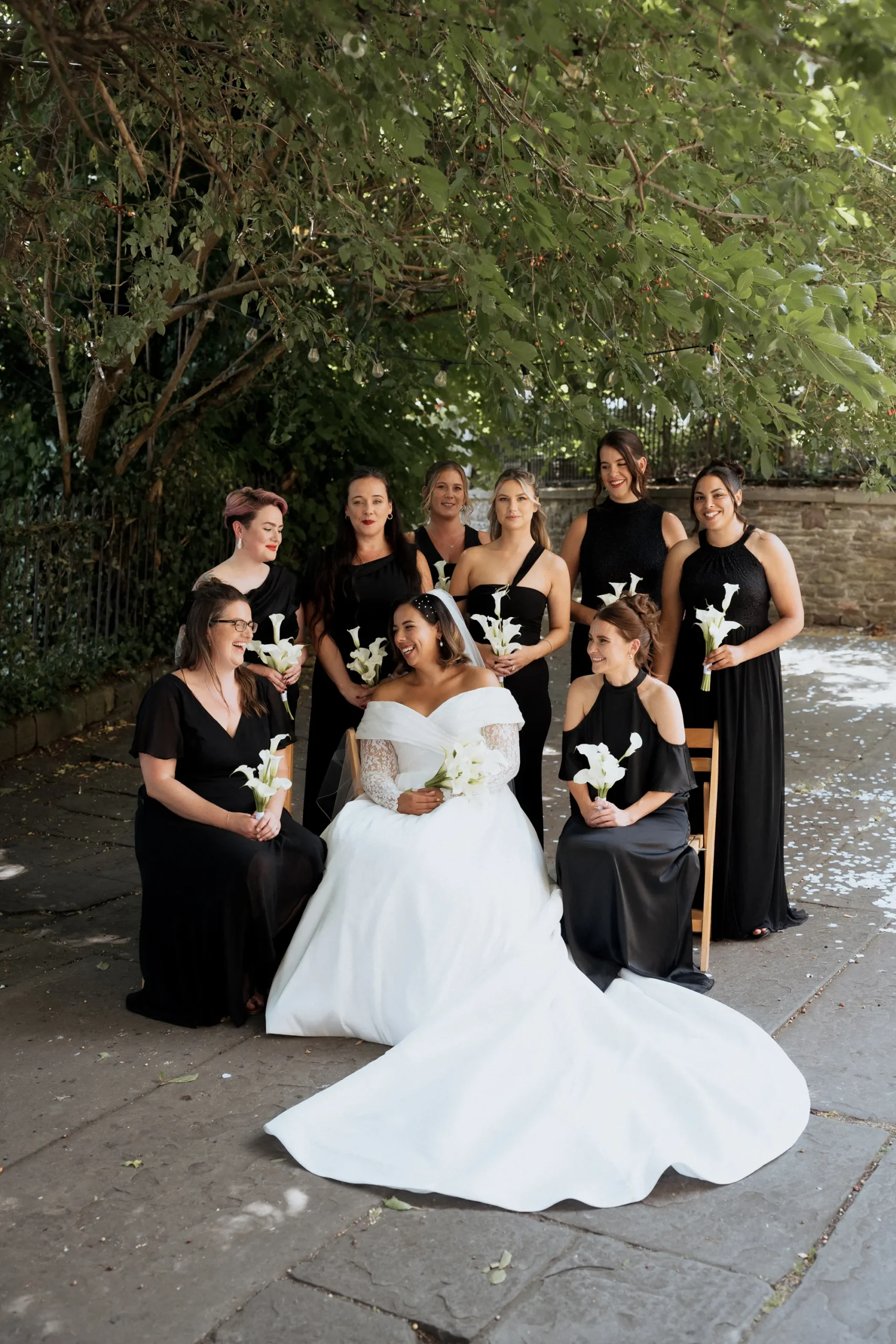
The historic city of Bristol served as the backdrop for a significant matrimonial celebration as Nicola and Alex hosted their wedding at The Mount Without, a meticulously restored former church known for its dramatic architectural features. The event, which prioritized a "black tie" and "Old Hollywood" aesthetic, was documented by photographer Tom Wyatt of Tom Wyatt Co., utilizing a naturalistic approach to capture the atmospheric interplay of monochrome styling, candlelight, and jazz-era influences. The ceremony and subsequent reception represented the culmination of a seven-year relationship and a four-year engagement, marked by deep personal symbolism and a focus on familial resilience.
Architectural Context: The Mount Without
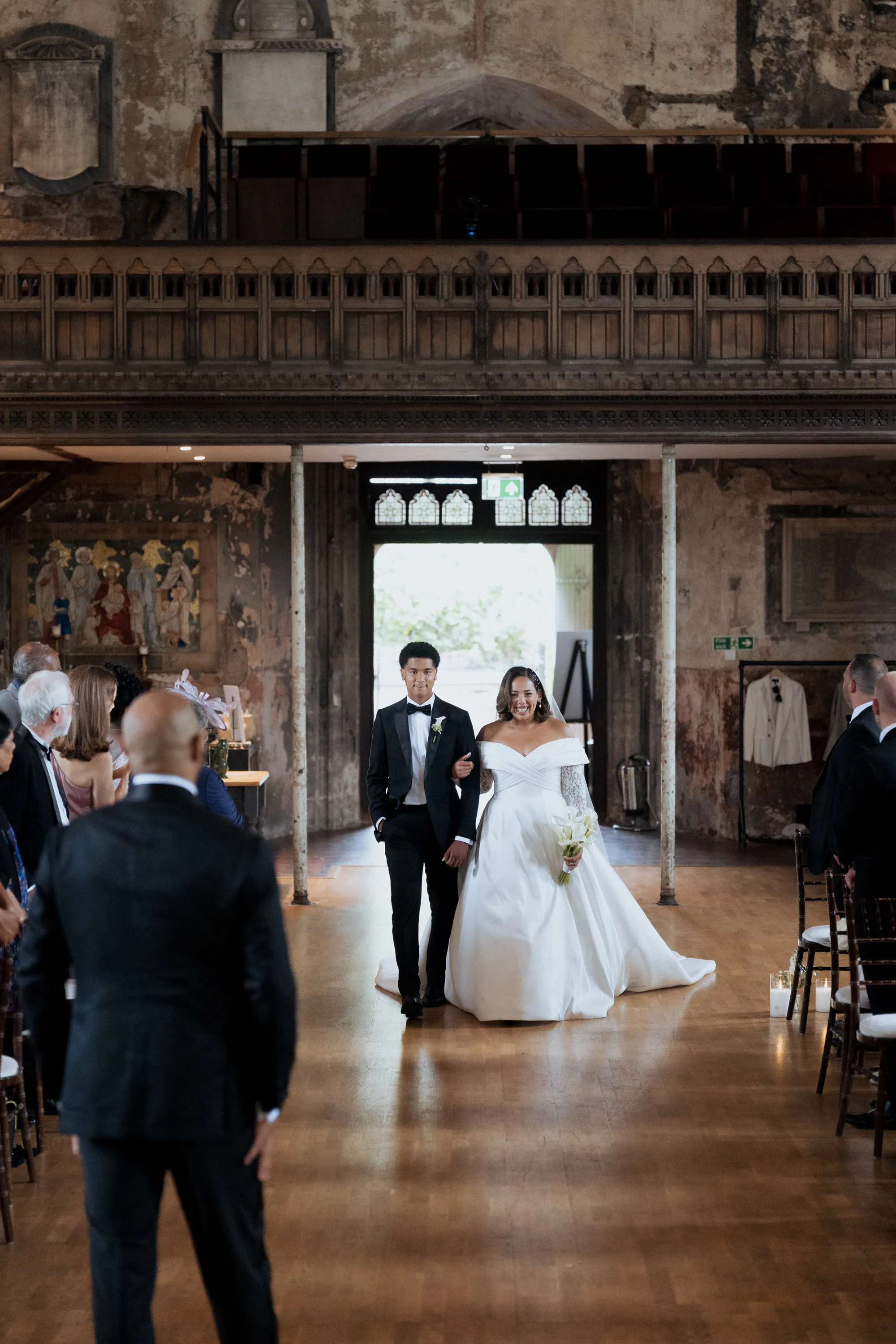
The choice of venue, The Mount Without, provided a starkly elegant environment that aligned with the couple’s monochrome vision. Located on St. Michael’s Hill, the site has been a place of worship for over 900 years, with the current structure primarily reflecting 15th-century Gothic architecture and 18th-century modifications. Following a devastating fire in 2016, the building underwent an extensive restoration that preserved its raw, ethereal character, featuring high vaulted ceilings, distressed masonry, and expansive windows.
For Nicola and Alex’s celebration, the venue was transformed using extensive candlelight and all-white floral arrangements, emphasizing the "shabby chic" yet grand nature of the deconsecrated space. The use of the church’s main nave for both the ceremony and the dinner allowed guests to experience the shifting acoustics and lighting of the building throughout the evening, transitioning from the solemnity of the vows to the vibrant energy of a live swing band.
A Legacy of Craftsmanship: The Bridal Ensemble
The fashion choices for the day were characterized by a blend of sustainable practices and sentimental tributes. Nicola opted for a pre-loved wedding gown, a decision rooted in both environmental consciousness and personal history. Her late mother had been a professional seamstress specializing in wedding attire; following her passing, Nicola sought to honor her craft through her own garment.
The gown was modified by a professional seamstress to mirror the design of her mother’s original wedding dress. In a poignant tribute, a fragment of her mother’s dress was stitched directly into the lining of Nicola’s gown. This theme of heritage continued with a pre-loved veil and the inclusion of a photograph of her mother attached to the bridal bouquet. Nicola’s styling was completed with pearls woven into her hair, shoes from Lace & Favour, and the classic scent of Coco Mademoiselle by Chanel.
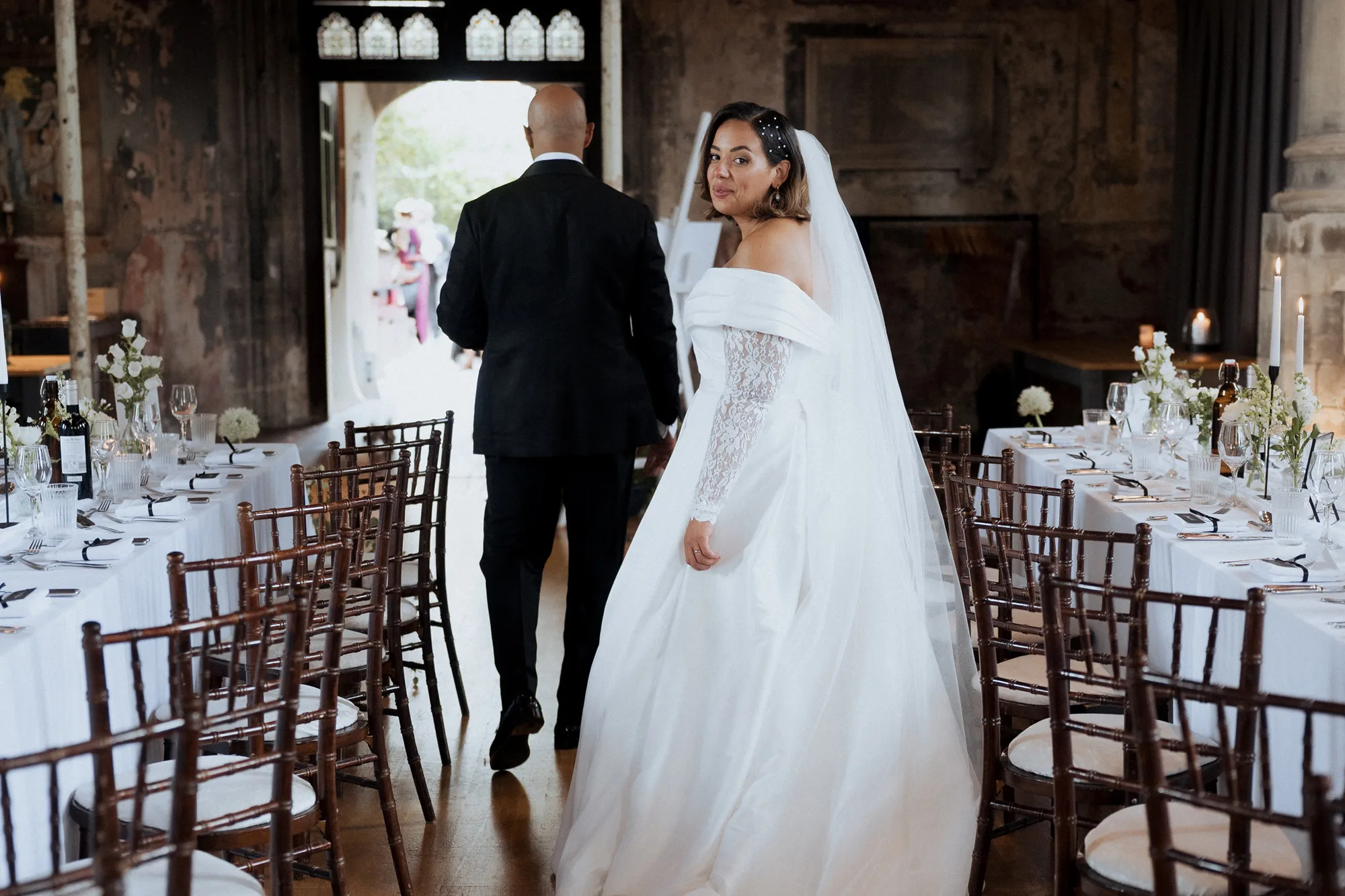
Alex’s attire adhered to the strict black-tie requirements of the evening. He wore a custom-designed tuxedo from Suit Supply on London’s Savile Row, a district globally recognized for its history of bespoke tailoring. The garment featured a subtle patterned jacket and a personalized detail: the wedding date embroidered into the collar. The bridal party followed a similar formal brief, with bridesmaids selecting their own black-tie attire, while the flower girl and page boy wore pieces from Monsoon and Next, respectively.
The Ceremony: A Celebration of Familial Resilience
The proceedings were officiated by Tara The Celebrant, an independent professional who helped the couple craft a highly personalized narrative. Unlike traditional religious or civil ceremonies, celebrant-led weddings in the United Kingdom allow for greater flexibility in structure, readings, and vows, though they often require a separate legal registration. Nicola and Alex had completed their legal nuptials in Barbados in April 2025, accompanied only by their children, making the Bristol event a symbolic celebration for their wider community.
The processional was marked by significant emotional weight. Nicola’s father walked the maid of honor down the aisle, while Nicola was escorted by her eldest son, Joshua. The moment was described as particularly moving due to Joshua’s personal history; he had recently undergone extensive treatment for cancer and survived a subsequent stroke. His presence as the individual walking his mother to the altar served as a testament to the family’s strength and recovery.
The couple’s other children were also integral to the ceremony: their middle daughter served as a bridesmaid, and their youngest son acted as the page boy and ring bearer. The service included two readings: "Love Like a River" by Whitney Hanson and "The Giraffe and the Monkey" by Daniel Thompson, chosen for their relatability and modern sentiment.
The exchange of vows included deeply personal commitments. Alex stated, "You motivate me to be more, but I have never been happier with what I already have… in the darkest days, to be your light." Nicola responded with a vow focusing on their long-term future: "I promise I will be there to hold your hand… my heart will recognise you as its greatest decision."
Design Philosophy and Floral Artistry
The reception decor was dictated by a monochrome palette, designed to complement the historic textures of The Mount Without. Emma Norton Flowers provided the floral arrangements, which consisted exclusively of white blooms to maintain the black-and-white theme. This minimalist approach to color emphasized the structural beauty of the flora and the dramatic shadows cast by the church’s architecture.
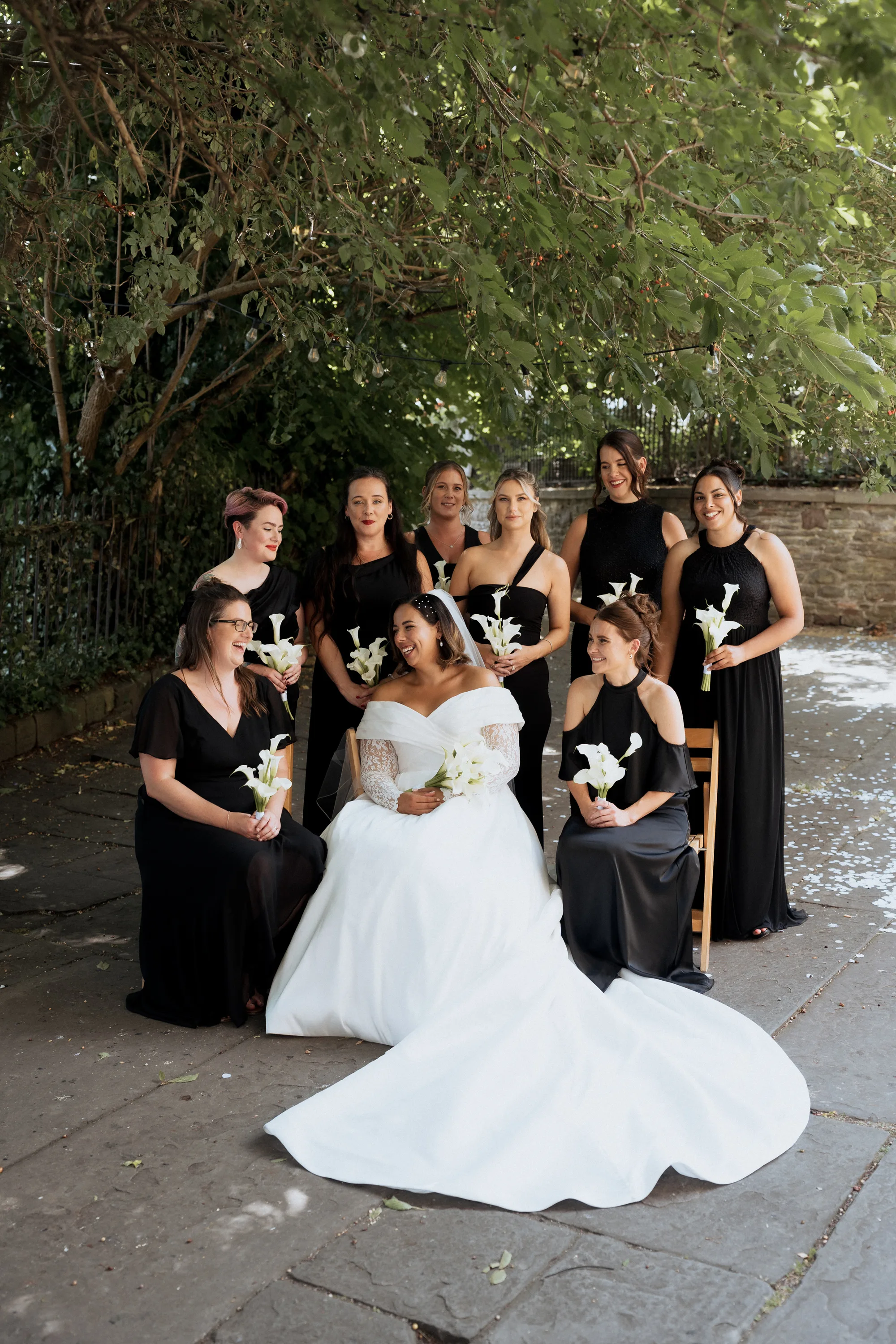
The tables were dressed in classic white linens with black accents, illuminated by a significant volume of candlelight. Stationery, designed by Hunter Gatherings, followed the same aesthetic principles. In a departure from traditional wedding favors, the couple directed funds toward a charitable cause. Guests were informed that a donation had been made to the Bristol Children’s Hospital in recognition of the life-saving care provided to Joshua during his illness. This philanthropic gesture integrated the couple’s personal journey into the guest experience, highlighting the role of local institutions in their family’s life.
Musical Influence and Evening Reception
Music was a foundational element of the "Old Hollywood" theme. During the dinner service, jazz music played, echoing the atmosphere of mid-century supper clubs. The evening entertainment was provided by "The Soul That Swings," a band specializing in the swing genre, which aligned with the couple’s preference for high-energy, classic musical styles.
The first dance was performed to "Still The One" by Teddy Swims. The choice of song was intentional, reflecting the couple’s seven-year journey and the obstacles they had overcome prior to their wedding day. The transition from the formal ceremony to the lively reception underscored the versatility of the venue and the couple’s desire to balance solemnity with celebration.
Chronology of the Event
The wedding followed a structured timeline that maximized the use of the Bristol venue:
- Arrival and Ceremony: Guests gathered in the main nave for the celebrant-led service.
- Cocktail Hour: A transition period allowing for photography and guest socialization within the historic halls.
- Formal Dinner: A seated meal under the vaulted ceilings, accompanied by jazz music and monochrome table settings.
- Speeches and Toasts: Traditional addresses that highlighted the family’s history and thanked the medical staff at Bristol Children’s Hospital.
- Evening Celebration: The commencement of live swing music and the first dance, marking the shift into the party phase of the event.
Broader Implications and Industry Trends
Nicola and Alex’s wedding reflects several emerging trends within the modern wedding industry. The use of "pre-loved" bridal wear points to a growing movement toward sustainability and "circular fashion," as couples increasingly seek to reduce the environmental impact of one-time-use garments. According to recent industry reports, the market for second-hand wedding dresses has seen a notable increase as consumers prioritize both ethical consumption and personal sentimentality.
Furthermore, the choice of a deconsecrated church as a venue highlights a shift in the UK toward "non-traditional" spaces that offer historical character without the requirements of a religious service. The Mount Without is part of a broader trend of repurposing heritage buildings for cultural and private events, ensuring the preservation of architectural history through commercial viability.
The emphasis on a "celebrant-led" ceremony also mirrors national statistics showing a rise in personalized, non-legal ceremonies. Couples are increasingly choosing to separate the "paperwork" of marriage from the "celebration," allowing for more creative control over the narrative of their wedding day.
Finally, the decision to substitute favors with charitable donations reflects a growing trend of "socially conscious" weddings. By supporting the Bristol Children’s Hospital, the couple utilized their platform to acknowledge the community’s support systems, transforming a private celebration into an act of public gratitude.
Conclusion
The wedding of Nicola and Alex at The Mount Without was characterized by a rigorous adherence to a specific aesthetic vision and a profound commitment to family legacy. From the Savile Row tailoring to the inclusion of their children in the ceremony, every element was designed to reflect their seven-year history. The event stands as a sophisticated example of how historic architecture, personal resilience, and modern styling can converge to create a meaningful cultural milestone.