







The Imperative for Ethical Weddings: Beyond Aesthetics
The global fashion industry is a major contributor to environmental degradation, responsible for an estimated 10% of global carbon emissions and 20% of industrial water pollution. Wedding attire, often perceived as a one-time wear item, exacerbates these issues. Traditional wedding dresses and suits frequently rely on resource-intensive materials like conventional cotton, which demands vast amounts of water and pesticides, or synthetic fabrics such as polyester, derived from fossil fuels and shedding microplastics. Furthermore, the dyeing and finishing processes can release harmful chemicals into waterways, impacting ecosystems and local communities.
Beyond environmental concerns, the social impact of garment production is equally pressing. The supply chains of many fashion brands are notoriously opaque, often implicating issues of unfair labor practices, unsafe working conditions, and inadequate wages for garment workers in developing countries. For couples planning a wedding—a celebration of shared values and a hopeful future—these realities present a significant moral dilemma. Choosing ethical wedding attire allows couples to align their momentous occasion with their deeply held beliefs about social justice, environmental stewardship, and animal welfare. It transforms a personal celebration into a statement of conscious living, extending the values of their union to the broader world.
A Historical Turn: The Rise of Conscious Bridalwear
The shift towards sustainable wedding attire is not an isolated trend but part of a larger movement towards conscious consumerism that has gained considerable momentum over the past decade. Historically, wedding fashion emphasized newness and extravagance, often at any environmental or social cost. However, as public awareness of climate change and social inequality has grown, so too has the demand for transparency and responsibility across all industries, including bridal.
In the early 2010s, sustainable fashion was largely a niche market, often associated with a limited aesthetic range. However, by the mid-2010s, a new wave of designers and brands began to emerge, demonstrating that ethical practices could coexist with high-end design and contemporary style. The late 2010s and early 2020s saw an acceleration of this trend, driven by celebrity endorsements, increased media coverage, and the accessibility of information through platforms like Good On You. Consumer trend analysts note that millennials and Gen Z, who are now reaching marrying age, are particularly attuned to ethical considerations, with surveys indicating that over 70% of these demographics prefer brands that align with their values. This demographic shift has created a fertile ground for the sustainable bridal market to flourish, transforming what was once an alternative choice into a mainstream aspiration.
Embracing Circularity: The Power of Pre-Owned Attire
One of the most impactful choices a couple can make for a sustainable wedding outfit is to opt for pre-existing garments. The principle of circularity—reducing waste and maximizing resource use—is perfectly embodied by vintage and secondhand attire. Choosing a pre-owned dress or suit significantly reduces the demand for new production, thereby conserving raw materials, energy, and water, and preventing garments from ending up in landfills. Environmental experts estimate that buying a secondhand item can reduce its carbon footprint by up to 82% compared to purchasing new.
Beyond the undeniable environmental benefits, vintage gowns and suits offer a unique aesthetic appeal. They often feature intricate details, exquisite craftsmanship, and distinctive designs that are no longer readily available on the contemporary market. This offers couples an opportunity to express their individuality and create a truly memorable look imbued with history and character. For budget-conscious couples, secondhand options also present a financially savvy alternative, allowing access to high-quality or designer pieces at a fraction of their original cost.
The market for pre-owned bridal wear has expanded dramatically, offering diverse avenues for discovery. Traditional brick-and-mortar charity shops, thrift stores, and specialist vintage boutiques provide a tactile shopping experience, allowing individuals to assess fabric quality and fit firsthand. Complementing this, a burgeoning online ecosystem of resale platforms and dedicated bridal consignment stores has made finding unique pre-owned pieces more accessible than ever before. These digital marketplaces connect buyers and sellers globally, facilitating a wider selection of styles, sizes, and price points, from antique lace creations to pre-loved contemporary designs.
Innovating for the Future: New Creations with Conscience
While the environmental benefits of pre-owned attire are clear, many couples still desire a new garment for their special day. Fortunately, the sustainable fashion movement has spurred innovation in new production, leading to a growing number of brands committed to ethical practices without compromising on style or quality. These brands prioritize a range of sustainable approaches, from material sourcing to manufacturing processes and labor standards.
Key sustainable practices in new garment production include:
- Lower-Impact Materials: Utilizing organic cotton, linen, Tencel, recycled polyester, innovative bio-based fabrics (e.g., made from orange peel or pineapple leaves), or deadstock fabrics (leftover materials from other productions) to minimize resource extraction and waste.
- Ethical Manufacturing: Ensuring fair wages, safe working conditions, and transparent supply chains, often achieved through local production or certifications like Fair Trade.
- Water and Energy Conservation: Implementing processes that reduce water consumption and energy use, and utilizing renewable energy sources in production facilities.
- Timeless Design and Versatility: Creating pieces designed to be cherished and worn beyond the wedding day, promoting longevity and reducing the "single-use" mentality.
- Customization and Made-to-Order: Minimizing waste by producing only what is needed, and ensuring a perfect fit that enhances comfort and reduces returns.
For those seeking newly crafted ethical wedding attire, Good On You’s rigorous ratings system serves as an invaluable guide. Their independent analysts assess brands across various metrics, providing transparency on their impact on people, the planet, and animals. This enables consumers to make informed choices, confident that their purchase aligns with their ethical priorities.
Spotlight on Sustainable Bridal Gowns
The search for a sustainable wedding dress can feel overwhelming, but several pioneering brands are making it easier. These designers offer exquisite gowns crafted with a commitment to environmental responsibility and social equity.
- Christy Dawn: This US-based brand is celebrated for its vintage-inspired women’s clothing and footwear, locally made using surplus fabric. Their "Great" rating on Good On You reflects their dedication to transforming textile waste into beautiful, timeless pieces. By utilizing deadstock, Christy Dawn significantly reduces the environmental impact associated with new fabric production.
- Reformation: An LA-based brand, Reformation is renowned for creating "killer clothes that don’t kill the environment." They prioritize a proportion of their suppliers paying a living wage and invest in training programs to improve working conditions throughout their supply chain. Their stylish designs are often made from sustainable materials like Tencel, viscose, and recycled content.
- Whimsy + Row: Born from a love for quality and responsible practices, Whimsy + Row uses deadstock fabrics and short production runs to minimize waste. The brand also actively reduces packaging waste and conserves precious water resources, offering chic, eco-conscious options for the modern bride.
- OMNES: A UK-based brand, OMNES focuses on creating high-quality, responsible, and affordable womenswear. Their mission is to change how people shop and think about clothing, encouraging the wider industry towards more sustainable practices. They often incorporate recycled and organic materials into their designs.
- SeamsFriendly: This brand offers beautiful tailored pieces for all body types, with a strong focus on function and utility. SeamsFriendly utilizes lower-impact materials like organic cotton and linen. Uniquely, they allow shoppers to customize designs to their exact preferences—from necklines and sleeve lengths to fabric choices—ensuring a perfect, personal fit and reducing the likelihood of returns.
- Dressarte Paris: Specializing in custom clothing, Dressarte Paris crafts luxurious pieces primarily from lower-impact materials, often sourced from surplus stock. Their made-to-order model eliminates overproduction, ensuring that each garment is created specifically for the wearer, aligning with principles of slow fashion and waste reduction.
Ethical Elegance: Sustainable Suits for the Modern Groom
Sustainable options are equally vital and available for grooms and other members of the wedding party. The menswear sector is also embracing ethical production, offering stylish suits made with respect for people and the planet.
- Facettes Studio: This Parisian brand offers "wardrobe essentials for the multifaceted woman," including elegant suits. They exclusively use upcycled materials and have banned polyester and polyamide from their collections. Facettes Studio also provides a valuable repairs and alterations service, promoting the longevity of their garments.
- HERTH: An Italian lifestyle brand, HERTH combines sustainability and ethics with timeless aesthetics. They promote slow fashion, creating contemporary pieces with meticulous attention to detail. Crafted by local Italian artisans using lower-impact materials, HERTH embodies effortless luxury in menswear.
- WILDA.ECO: Focused on vegan fashion, WILDA.ECO offers minimalist, timeless designs with inclusive sizing. Their commitment to vegan materials means no animal products are used, making them an excellent choice for ethically-minded individuals. Their customisable heights further enhance fit and comfort.
- Neem: Hailing from the UK, Neem specializes in men’s clothing with a strong emphasis on a transparent supply chain and environmental protection. They often use recycled fabrics and innovative materials, ensuring that style doesn’t come at the expense of ecological responsibility.
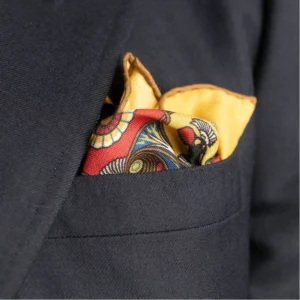
- CARPASUS: This Swiss menswear brand creates fine shirts, ties, socks, and pocket squares. CARPASUS uses GOTS-certified organic cotton and prioritizes local manufacturing to reduce its carbon footprint. They meticulously trace their supply chain and ensure workers are paid a living wage, setting a high standard for ethical production.
The Finishing Touches: Sustainable Accessories and Jewellery
A truly sustainable wedding ensemble extends beyond the main attire to include shoes, bags, and jewellery. These elements can significantly impact the overall footprint of the wedding, making conscious choices here just as important.
- Sustainable Shoes:
- ESSÄN: Founded on a response to overproduction, ESSÄN limits its production runs and employs low-waste cutting techniques. The brand eschews the traditional fashion calendar, offering a single, permanent collection of shoes and accessories designed for longevity and timeless appeal.
- Nisolo: An American brand, Nisolo prioritizes living wages throughout its supply chains, empowering artisans in their communities. They are also actively working to combat climate change through various initiatives, offering beautifully crafted footwear with a strong ethical foundation.
- Ethical Bags:
- Mashu: A British vegan accessories label specializing in handbags, Mashu’s environmental rating is "Good." They craft their exteriors with innovative vegan leather alternatives, while interiors feature vegan suede made from recycled polyester, proving that style and ethics can perfectly align.
- HYER GOODS: Based in NY, HYER GOODS curates handmade leather goods by upcycling "trash." By utilizing discarded materials, they eliminate the massive energy footprint associated with cultivating land, livestock, and crops, significantly reducing waste and greenhouse gas emissions.
- Conscious Jewellery:
- FUTURA Jewelry: A New York-based responsible jewellery brand, FUTURA Jewelry handcrafts each piece with mercury-free 18kt Certified Fairmined Ecological gold. Their gold comes from the world’s only three certified Fairmined mines that operate without toxic chemicals like mercury and cyanide, ensuring both ethical sourcing and environmental protection.
- Bario Neal: This custom jewellery designer creates handmade rings and fine jewellery using conflict-free diamonds and other gemstones. They prioritize lower-impact materials, including reclaimed precious metals, Fairmined gold, and ethically sourced stones, bringing to life uniquely designed pieces with integrity.
- ARTICLE22: Every piece of ARTICLE22 jewellery is handcrafted in Laos using recycled materials from Vietnam War bombs, plane parts, military hardware, and other aluminium scraps. This brand embodies innovation, transforming symbols of conflict into beautiful products while providing sustainable income for local artisans and supporting community development efforts, including clearing unexploded ordnance.
A Lifetime Beyond the Aisle: Extending the Life of Wedding Attire
The commitment to sustainability doesn’t end when the ceremony does. Giving wedding attire a second life is a crucial step in promoting a circular economy and honoring the resources invested in its creation. Industry experts and fashion stylists consistently advocate for extending the wear of bridal garments.
- Repurposing and Re-styling: A wedding dress can be dyed a different color, shortened, or altered into a cocktail dress, skirt, or even a set of separates. A suit can be broken down into individual pieces—the jacket worn with jeans, the trousers with a casual shirt—for everyday wear. This creative approach allows the garment to integrate seamlessly into a regular wardrobe.
- Donating: Many charities and non-profit organizations accept wedding dresses and suits, often using proceeds to fund their work or providing them to individuals who might not otherwise afford formal wear. This act of generosity ensures the garment continues its lifecycle with a new purpose.
- Reselling: Online platforms dedicated to pre-owned bridal wear, luxury consignment sites, or local second-hand boutiques provide avenues for selling the attire. This allows another couple to enjoy the garment while recouping some of the initial investment. The resale market for wedding dresses, in particular, has seen substantial growth, making it an increasingly viable option.
- Archiving: For sentimental reasons, some couples choose to preserve their attire. Proper storage and care ensure the garment remains in excellent condition, potentially for future generations or simply as a cherished memento.
The Broader Implications and Future Trajectory
The growing emphasis on ethical and sustainable wedding attire signifies a profound shift in consumer values and industry practices. It challenges the traditional notions of single-use luxury, promoting mindful consumption and celebrating longevity, transparency, and responsibility. The implications for the bridal industry are significant, pushing designers and manufacturers to innovate with materials, streamline supply chains, and embrace circular business models.
While challenges remain, such as ensuring accessibility across all price points and continuously educating consumers on the complexities of sustainable production, the future of ethical bridal wear appears bright. Continued innovation in eco-friendly materials, greater supply chain transparency, and a deepening consumer desire for purpose-driven purchases will likely accelerate this trend. Ultimately, choosing sustainable wedding attire is more than just a fashion statement; it is a conscious decision that reflects a couple’s values, contributes to a healthier planet, and champions a more equitable society, making their special day truly meaningful. Good On You remains committed to providing the most comprehensive ratings of fashion and beauty brands’ impact on people, the planet, and animals, empowering consumers to wear the change they wish to see.