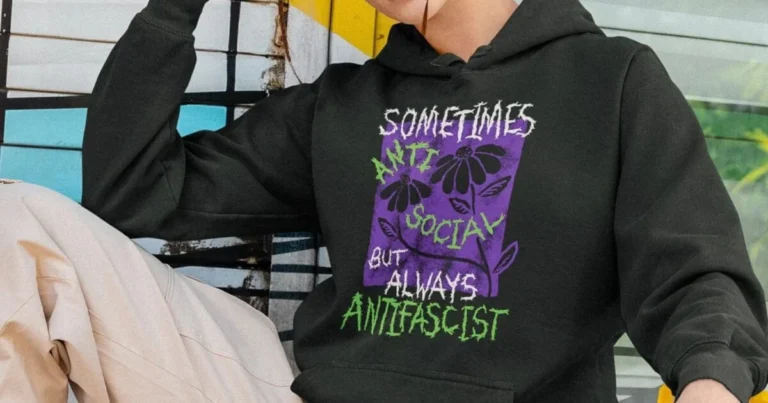












The fashion industry across Spain and Portugal is witnessing a significant paradigm shift, with a growing number of brands committing to enhanced sustainability and ethical practices. A recent curated assessment by Good On You, a leading platform for rating fashion brands’ impact, has identified 18 exemplary clothing labels from these nations that have achieved "Good" or "Great" ratings for their commitment to people, the planet, and animals. This recognition underscores a broader trend towards conscious consumption and local production, reflecting evolving consumer values and a critical re-evaluation of supply chain ethics within the global apparel sector.
The Global Imperative for Sustainable Fashion
In recent years, the global fashion industry, often criticized for its environmental footprint and social inequities, has faced increasing pressure to adopt more responsible practices. From extensive water consumption and chemical pollution to vast carbon emissions and precarious labor conditions, the traditional fast fashion model has prompted widespread calls for reform. This urgent need has fueled the rise of organizations like Good On You, which provide consumers with transparent, accessible information to make informed purchasing decisions. Their rigorous rating system evaluates brands across three key dimensions: impact on people (labor rights, living wages, safety), impact on the planet (resource use, emissions, waste management, chemical use), and impact on animals (use of animal products, animal welfare policies).
The demand for ethical and sustainable clothing is not merely a niche concern; it is a rapidly expanding segment of the retail market. Studies by various market research firms indicate a consistent year-on-year growth in consumer interest and spending on sustainable products. In Europe, consumers are increasingly prioritizing transparency, local production, and environmental certifications. This shift is particularly pronounced in culturally rich nations like Spain and Portugal, where a blend of traditional craftsmanship and modern design is now being infused with a renewed sense of ecological and social responsibility.
Defining Ethical Fashion: Good On You’s Comprehensive Framework
For a brand to be considered ethical by Good On You’s stringent standards, it must demonstrate a positive impact across its entire supply chain. This encompasses a multi-faceted approach to responsibility:
- People: Ethical brands ensure fair treatment of workers. This includes robust policies against child labor and forced labor, provisions for safe working conditions, recognition of the right to unionize, and, crucially, the payment of a living wage. The concept of a living wage, distinct from a minimum wage, ensures that workers can afford a decent standard of living for themselves and their families, covering essentials like food, housing, healthcare, and education. This commitment extends beyond immediate factory workers to the broader supply chain, requiring diligence from raw material sourcing to final assembly.
- Planet: Environmental stewardship is another cornerstone. Responsible brands actively manage their resource consumption, striving to reduce water usage, energy consumption, and overall waste. Crucially, they aim to significantly reduce their carbon emissions throughout production, often by adopting renewable energy sources and optimizing logistics. Safe management and disposal of chemicals, as well as minimizing impact on waterways, are also critical considerations, addressing the pervasive issue of pollution in textile manufacturing.
- Animals: The treatment of animals in the fashion supply chain is a growing ethical concern. Top-rated brands minimize or eliminate the use of animal products such as wool, leather, fur, angora, down feather, shearling, karakul, and exotic animal skins and hair. The gold standard in this category is a 100% vegan approach, ensuring no animal products are used at any stage of production, reflecting a compassionate stance towards animal welfare.
This comprehensive methodology helps consumers navigate a complex landscape often obscured by "greenwashing"—the practice of making unsubstantiated or misleading claims about the environmental benefits of a product or company. Good On You’s independent assessments provide a vital counter-narrative, empowering consumers to discern genuine commitment from mere marketing ploys.
The Iberian Awakening: A Chronology of Conscious Commerce
The emergence of Spain and Portugal as significant players in the sustainable fashion movement is a testament to evolving consumer awareness and entrepreneurial innovation. While traditional textile industries in both countries have long histories, the turn of the 21st century brought a new focus on globalized supply chains and, often, less transparent production methods. However, over the past decade, a growing number of designers and entrepreneurs have actively sought to reverse this trend.
Initially, sustainable brands were often small, independent ventures, catering to niche markets. As public awareness of environmental and social issues intensified, particularly after landmark events like the Rana Plaza factory collapse in 2013, the demand for ethical alternatives grew. This period saw the gradual establishment of local production hubs, a renewed emphasis on traditional craftsmanship, and the integration of advanced, lower-impact materials.
By the mid-2010s, platforms like Good On You began to aggregate information, providing a clearer picture of brand performance and accelerating consumer education. This increased transparency further incentivized brands to improve their practices, leading to a visible growth in "Good" and "Great" rated entities from the Iberian Peninsula. Today, these nations are recognized not just for their vibrant design scenes but also for their pioneering efforts in fostering a more responsible fashion ecosystem, blending stylish aesthetics with profound ethical commitments. The decision to "shop local" has gained considerable traction, not only supporting regional economies but also significantly reducing the carbon footprint associated with long-distance shipping and complex global supply chains.
Spotlight on Portuguese Pioneers in Sustainable Style
Portugal, with its rich textile heritage, has seen a flourishing of brands dedicated to ethical production:
- NÄz: This Portuguese brand specializes in timeless womenswear, emphasizing longevity and lower-impact materials. NÄz’s focus on creating enduring pieces counters the disposability inherent in fast fashion, promoting a more considered approach to wardrobe building. Its commitment to quality and classic design aims to extend garment lifespans, thereby reducing overall consumption and waste.
- Organique: As an athleisure brand for contemporary women, Organique proudly produces its entire range in a high-end local atelier. This localized production model ensures oversight of labor conditions and quality control while minimizing transport emissions. The brand champions slow fashion, using high-quality organic cotton and TENCEL Lyocell, and maintains a completely vegan product line, catering to both ethical and environmental concerns.
- ISTO.: With a simple yet powerful mandate, ISTO. creates staple items designed to transcend seasons. The brand operates on a "quality over quantity" principle, offering a single, permanent collection. ISTO. is notable for its radical transparency, providing customers with a clear breakdown of the true cost behind each garment, fostering trust and informed purchasing. Its use of organic materials further solidifies its sustainable credentials.
- ColieCo: Specializing in lingerie, underwear, and swimwear, ColieCo operates on a handmade-to-order basis, significantly reducing waste from overproduction. Every garment is crafted using lower-impact and responsibly sourced fabrics, ensuring both comfort and a clear conscience. The brand’s bespoke approach highlights a return to artisanal methods within the modern sustainable fashion movement.
- Conscious the label: This brand excels in responsible swimwear, with every piece cut and sewn by hand in its Lisbon atelier. Its commitment to limited production runs, dictated by fabric availability, inherently reduces waste. Innovatively, Conscious the label utilizes 78% recycled plastic from ocean waste in its products and employs sustainable packaging, demonstrating a holistic approach to environmental responsibility in a notoriously resource-intensive category.
These Portuguese brands exemplify how local manufacturing, innovative material sourcing, and a dedication to timeless design can converge to create a robust and responsible fashion industry.
Spanish Leaders in Ethical Apparel: A Diverse Portfolio
Spain’s contribution to sustainable fashion is equally impressive, with a diverse range of brands demonstrating strong ethical commitments:
- TWOTHIRDS: Drawing inspiration from the ocean, TWOTHIRDS creates apparel for individuals who value both style and environmental consciousness. The brand manufactures all products locally to minimize its carbon footprint and meticulously audits its final stage of production, ensuring adherence to ethical standards. Their philosophy is deeply intertwined with ocean conservation, reflected in their design ethos and material choices.
- COSSAC: Advocating for timeless, feminine, and versatile apparel, COSSAC promotes the minimalistic concept of capsule wardrobes. By focusing on contemporary classics, the brand encourages consumers to invest in pieces that endure beyond fleeting trends. COSSAC utilizes organic or lower-impact materials and partners exclusively with small factories for limited production runs, directly addressing issues of waste and deadstock prevalent in mass production.
- SKFK: This Spanish brand crafts women’s clothing collections characterized by a timeless, comfortable, and functional style. SKFK stands out for its use of GOTS (Global Organic Textile Standard) and Fairtrade certified cotton, ensuring both organic integrity and fair labor practices. Their comprehensive Code of Conduct, aligned with ILO (International Labour Organization) principles, ensures a living wage across most of its supply chain, setting a high standard for social responsibility.
- Ecoology: Born in Barcelona, Ecoology is a sustainable fashion label dedicated to conscious consumers. The brand exclusively uses certified organic fabrics, natural fibers, and recycled materials. Ecoology’s commitment to eco-friendly textiles underscores a broader dedication to reducing the environmental impact of fashion from the very foundation of its products.
- Lefrik: A pioneer in sustainable accessories, Lefrik designs urban bags, backpacks, and travel essentials from high-quality, lower-impact fabrics made from recycled PET plastic bottles. Founded in 2012, Lefrik addresses the modern traveler’s needs while actively diverting plastic waste from landfills and oceans, showcasing how functional design can coexist with profound environmental benefits.
- Vesica Piscis: This vegan footwear brand, based in Spain, champions sustainability in every step. It incorporates a high proportion of lower-impact materials, harnesses renewable energy in its manufacturing processes, and operates on a made-to-order model to virtually eliminate production waste. Vesica Piscis proves that stylish and durable footwear can be produced without compromising ethical or environmental principles.
- amt.: The Spanish clothing brand amt. studio distinguishes itself through its commitment to local production and the exclusive use of recycled materials. This dual focus significantly reduces its environmental footprint while supporting local economies and craftsmanship. Their approach represents a closed-loop system where waste is minimized, and resources are continually re-utilized.
- Flamingos’ Life: Creating animal-free sneakers for everyone, Flamingos’ Life is a testament to innovative vegan fashion. The brand utilizes lower-impact and PETA-approved vegan materials, including upcycled components, demonstrating that stylish, high-performance footwear can be entirely devoid of animal products. Their commitment extends to sourcing materials that actively reduce environmental harm.
These Spanish brands collectively represent a powerful force for change, integrating ethical principles into diverse product categories, from everyday wear to specialized accessories and footwear.
Economic, Social, and Environmental Implications
The growth of these sustainable brands in Spain and Portugal carries significant implications. Economically, it fosters local job creation and supports regional craftsmanship, strengthening domestic industries against the pressures of globalized mass production. By prioritizing fair wages and safe working conditions, these brands contribute to improved social equity within their communities and throughout their supply chains. This stands in stark contrast to the often-exploitative practices associated with fast fashion, offering a model for dignified labor.
Environmentally, the emphasis on lower-impact materials, waste reduction, and carbon footprint minimization directly contributes to mitigating climate change and preserving natural resources. The innovative use of recycled materials, such as ocean plastic, also addresses the pressing issue of pollution, demonstrating tangible solutions to global environmental challenges. Furthermore, the promotion of "slow fashion" and timeless designs encourages consumers to buy less and keep items longer, fundamentally altering consumption patterns towards greater sustainability.
The Future of Fashion in Southern Europe: Challenges and Opportunities
While the progress is encouraging, the journey towards a fully sustainable fashion industry in Spain and Portugal, and globally, is ongoing. Challenges remain, including scaling ethical production to meet broader consumer demand, ensuring consistent transparency across complex supply chains, and combating the persistent threat of greenwashing by less scrupulous actors.
However, the opportunities are vast. Increased consumer education, facilitated by platforms like Good On You, will continue to drive demand for ethical choices. Technological advancements in sustainable materials and manufacturing processes promise even greater environmental efficiencies. Furthermore, governmental policies and industry collaborations can further accelerate the transition towards a circular economy in fashion, where waste is minimized, and resources are continuously reused.
Good On You’s role in empowering consumers through its comprehensive ratings remains pivotal. By providing accessible, reliable information, it enables individuals to align their purchasing power with their values, fostering a collective movement towards a more responsible and equitable fashion future. The brands highlighted from Spain and Portugal are not just selling clothes; they are offering a vision for a fashion industry that prioritizes people, the planet, and animals, proving that style and ethics can indeed go hand-in-hand.
Editor’s Note: Feature image via ISTO., all other images via brands mentioned. Good On You publishes the world’s most comprehensive ratings of fashion brands’ impact on people, the planet, and animals. Use our directory to search thousands of rated brands. We updated this article on 5 March 2026. Our editors frequently make updates to articles to ensure they’re up to date. We refreshed our product round-up to ensure it reflects brands with recent ratings.