










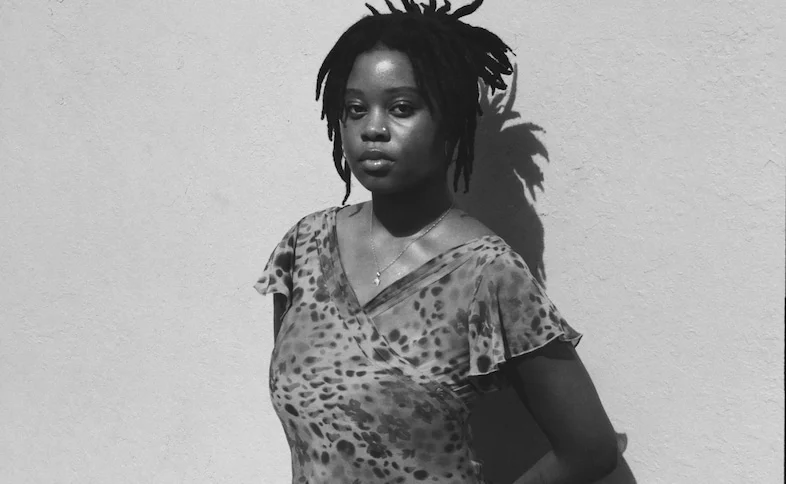
Stephanie Wambugu, the 28-year-old Kenyan-American author, has quickly established herself as a significant new voice in contemporary literature, captivating readers and critics alike with her debut novel, Lonely Crowds. Currently based in London, where she is immersing herself in the city’s literary scene while working on her anticipated second novel, Wambugu reflects on her current environment: “I’m generally doing the same sorts of things while I’m here. It doesn’t quite feel interchangeable yet, but I enjoy it.” This sentiment underscores her adaptable approach to creation, whether in the bustling cafes or the quiet reading rooms of the British Library, a testament to her dedication to her craft. Her presence in London coincides with the highly anticipated UK release of Lonely Crowds this week, following its acclaimed US debut in July of the previous year. The novel swiftly garnered a cult following among discerning literary circles and earned widespread praise from numerous national publications, solidifying Wambugu’s position as a novelist with a unique and compelling perspective.
The Genesis and Impact of Lonely Crowds
Lonely Crowds transports readers to the vibrant yet complex landscape of New York in the 1980s and 1990s, offering an intimate portrayal of two queer women whose lives become inextricably entwined. The narrative centers on Ruth, who navigates her formative years, evolving as an artist and embracing her sexual identity alongside her closest friend, Maria. Their bond is forged in the unlikely setting of a Catholic school in Pawtucket, Rhode Island, where Maria stands out as one of the few Black girls, highlighting themes of belonging, difference, and the search for identity. This specific cultural and demographic detail subtly underscores the isolation and unique challenges faced by Black students in predominantly white institutions during that era, a reality that shaped many coming-of-age narratives from marginalized communities.
The novel, while deeply rooted in its historical setting, resonates powerfully with contemporary audiences due to its keen observation of universal human experiences. Wambugu masterfully weaves a series of "low-stakes micro-dramas"—from the mundane frustration of lost grocery money to the subtle tensions of social gatherings and the pervasive challenges of familial dysfunction. This approach, focusing on the minutiae of daily life, paradoxically makes the narrative all the more gripping, drawing readers into the characters’ inner worlds with remarkable intimacy. Critics have lauded Wambugu’s prose as "kinetic and finely calibrated," noting her "poet’s dedication to precise images." This lyrical precision imbues the historical backdrop with a sharp realism, allowing the novel to capture an "unmistakably contemporary malaise." Themes of generational schisms, the pervasive pressure of living to work, and the suffocating weight of constricting social norms are explored with an incisive intelligence, making Lonely Crowds a poignant commentary on both its specific era and the enduring struggles of modern existence. The economic shifts of the 80s and 90s, including the rise of corporate culture and increasing cost of living in urban centers like New York, provide a subtle but palpable undercurrent to the characters’ anxieties about financial stability and purpose.
Navigating Time and Identity in Fiction
Wambugu initially conceived Lonely Crowds as a character study of Ruth in her thirties and forties, a challenge that required her to write about ages and time periods she had not personally experienced. She explains, "Some of it is invented. But a lot of it feels indebted to writers who have written about the experience of ageing, and have managed to collapse a large period of time or an entire life into a single novel." This ambitious undertaking was informed by a deep engagement with literary predecessors. She cites Toni Morrison’s Sula, renowned for its skillful compression of an entire life into a novel, and Tove Ditlevsen’s The Copenhagen Trilogy, another work that spans a lifetime. Additionally, the novels of Jean Rhys, featuring women in their twenties and thirties who are both mature and adrift, provided valuable models. Morrison, a Nobel laureate, is celebrated for her profound exploration of Black American identity and history, often employing non-linear narratives and deep psychological insight to portray characters across generations. Ditlevsen’s trilogy, a semi-autobiographical account of a woman’s life in Copenhagen, is praised for its unflinching honesty about addiction, motherhood, and artistic struggle. Jean Rhys, known for her modernist narratives, often depicted marginalized women navigating complex social landscapes.
Wambugu emphasizes the transformative power of reading in this process: "Reading is one of the best ways to figure out how to inhabit the consciousness or point of view of a person who has had experiences I haven’t, and I think that’s not just specific to age. It’s true of writing about men. It’s true of writing about people of different races, different orientations. The capaciousness of books and that they allow you to be many different people or take on very many different identities is, I think, the reason to write and to read." This philosophy underscores her commitment to empathetic and expansive storytelling, pushing the boundaries of personal experience through imaginative and informed literary engagement. This approach aligns with broader trends in contemporary literature that advocate for diverse perspectives and a deep dive into the interiority of varied characters, moving beyond the confines of strictly autobiographical narratives.
Beyond Friendship: The Nuances of Queer Connection
The critical reception of Lonely Crowds has often framed it as a "friendship novel," a categorization Wambugu acknowledges but also gently refines. While the external perception of Ruth and Maria’s bond might appear as a close friendship, the first-person narration clearly conveys Ruth’s deep infatuation with Maria. "I think that maybe that’s the way that their relationship reads publicly to other people," Wambugu observes. "It’s a first-person narration, so we understand Ruth’s desire, but everyone else in her life thinks it’s a friendship that’s very close, maybe too close for comfort. But I don’t think the sexual tension is necessarily legible to the other people within the book."
This distinction highlights a common challenge in the portrayal and reception of queer relationships, where societal norms often default to interpreting intense bonds between individuals of the same gender as platonic, even when underlying desires are present. In the 1980s and 90s, particularly within certain social circles, overt expressions of queer identity were still often met with prejudice or misunderstanding, making the subtlety of such relationships a lived reality for many. Wambugu notes that once a book is framed in a certain way, subsequent reviews often echo that initial categorization. She accepts this public ownership of her work, stating, "I don’t mind. I mean, I think that once it’s published, it’s sort of out of my hands. In some ways, other people speak about the book with more authority than I do. Which is fine, because now it belongs to the public. I guess they are friends, but that’s not the full story." This perspective reflects a mature understanding of the author-reader contract, where the text, once released, becomes a site of varied interpretations, each valid in its own right. The novel’s exploration of queer identity in the 80s and 90s, a period marked by significant social change and ongoing struggles for LGBTQ+ rights, adds another layer of historical and cultural significance to this dynamic. It subtly critiques the limitations of prevailing social narratives that often failed to recognize or validate the complexities of queer desire and connection, a theme that continues to resonate in discussions about queer representation today.
A New Narrative: Campus Protests and Contemporary Instability
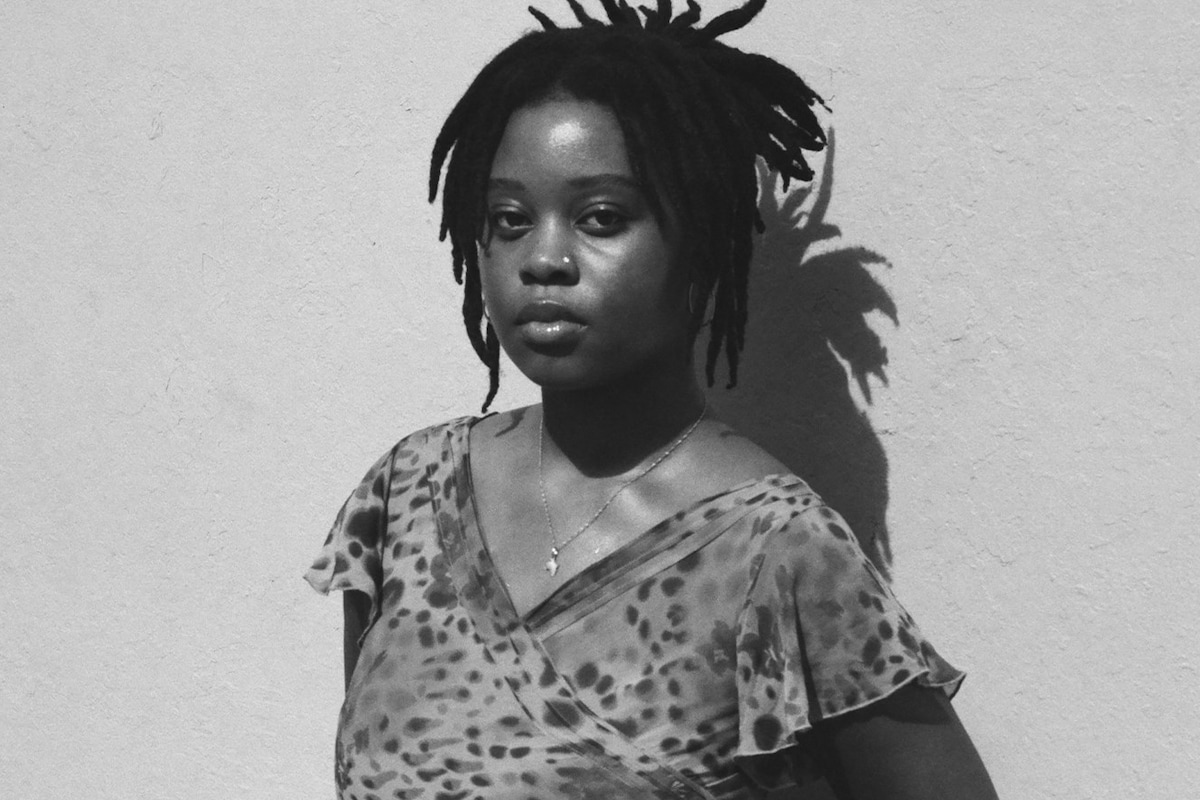
Wambugu is now channeling her sharp observational skills into her next novel, which promises to be even more acutely contemporary. The untitled work will follow a young woman named Claudia, who finds herself expelled from an Ivy League-based university in New York after inadvertently becoming entangled in a student protest. The setting directly references the pro-Palestinian solidarity encampments that gripped university campuses across the United States, particularly at institutions like Columbia, in late 2023 and early 2024.
Wambugu’s inspiration stems from her own experience as a student at Columbia University during a period when the campus became a focal point of national media attention. She notes, "I wanted to write something that felt very contemporary — not necessarily ripped from the headlines, but something that is about living now. The country seems to be becoming more and more unstable, and I think it can be very hard to sit down and even try to summarise what’s happened in the past six months, let alone the past year or the events that followed October 2023." The protests, which escalated significantly from peaceful demonstrations to widely reported encampments, led to numerous arrests, suspensions, and intense national debate about free speech, academic freedom, and institutional responses to activism. For instance, at Columbia University, student protesters established an encampment on the main lawn in April 2024, leading to dozens of arrests and a subsequent occupation of Hamilton Hall. These events garnered extensive coverage from major news outlets, thrusting student activists into the public eye.
Wambugu, while not deeply involved herself, witnessed firsthand the pressure on undergraduates thrust into the national spotlight. "I wonder what it felt like for them to be broadcast on mainstream cable news and to have to speak very publicly at such a young age," she reflects. Her new book will explore the profound question of "how to course-correct or redirect your life when something seemingly cataclysmic happens to you, which I think is a question that a lot of young people are asking themselves today." This timely narrative promises to offer a nuanced perspective on a defining cultural moment, exploring the personal toll of public activism and the search for resilience amidst societal upheaval. The novel will likely delve into the motivations behind student activism, the moral dilemmas faced by participants, and the broader societal implications of such movements.
Education as a Crucible for Fiction
The choice of a university setting for her next novel highlights Wambugu’s recurring interest in education as a rich literary subject. She vividly describes the classroom as "the most erotic place in the world," elaborating, "There’s something so charged about being exposed to something you previously didn’t know." This perspective elevates the educational environment beyond mere instruction, seeing it as a space of intense personal and intellectual awakening. Universities, Wambugu observes, are also "the site of so much conflict," citing issues such as censorship, the politicization of student debt, and attempts to defund institutions. These societal pressures transform academic spaces into fertile ground for storytelling, allowing for explorations of class dynamics, gender relations, and the ethical complexities of student-professor interactions. The ongoing national debate about student loan forgiveness, the politicization of university curricula, and challenges to tenure and academic freedom all contribute to the university’s role as a microcosm of larger societal struggles.
Wambugu emphasizes the transformative power of education on individual lives. "I think that I’ve been very shaped by my education and the schools that I’ve gone to have transformed my life in more ways than one. I don’t mean that in like a feel-good, inspirational way, but I think that you can enrol in a school as one type of person and complete your education as a totally different person, with a different milieu and sometimes belonging to a different class than the class you came from." This profound metamorphosis, often occurring during critical developmental stages, offers "really rich fodder for fiction," providing a backdrop for narratives that delve into identity formation, social mobility, and the indelible marks left by institutional experiences. The "campus novel" genre has a long and storied history, from Donna Tartt’s The Secret History to Zadie Smith’s On Beauty, and Wambugu’s forthcoming work appears poised to contribute a distinctly contemporary voice to this tradition, addressing the unique challenges and opportunities of higher education in the 21st century. Her exploration of a character expelled due to protest also positions her work to interrogate the role of universities in fostering or suppressing dissent.
The Art of Subtlety: Humour and Style in Wambugu’s Work
One of the distinctive elements of Wambugu’s writing, particularly evident in Lonely Crowds, is her "fabulously sly sense of humour woven throughout the book that kind of sneaks up on the reader." This understated comedic sensibility is not rooted in overt punchlines but in a cumulative effect, revealing the absurdities and ironies of human behavior and social conventions. She draws inspiration from diverse sources, including the iconic television series The Sopranos. Wambugu considers it "one of the funniest shows I’ve ever seen," praising its ability to expose "the absurdity of the family or of a marriage, and how people tell themselves these diluting narratives to conceal what they know to be true." The dynamic between Tony and Carmela, in particular, serves as a masterclass in this form of observational comedy, demonstrating how dark humor can illuminate profound truths about human nature and societal hypocrisy.
Another unexpected, yet profound, influence on her comedic style is Franz Kafka, whom she describes as "a hilarious writer." She specifically cites A Hunger Artist, a novella about a performer whose act of starving himself becomes obsolete and whose relationship with his skeptical audience is fraught with misunderstanding. "I guess it’s not funny out of context," Wambugu concedes, "but similarly, I think with Kafka there’s a cumulative effect, as the humour builds over time. And I think that’s funnier than a punchline." Kafka’s works, often characterized by existential dread and bureaucratic absurdity, employ a unique brand of dark, ironic humor that emerges from the characters’ futile