






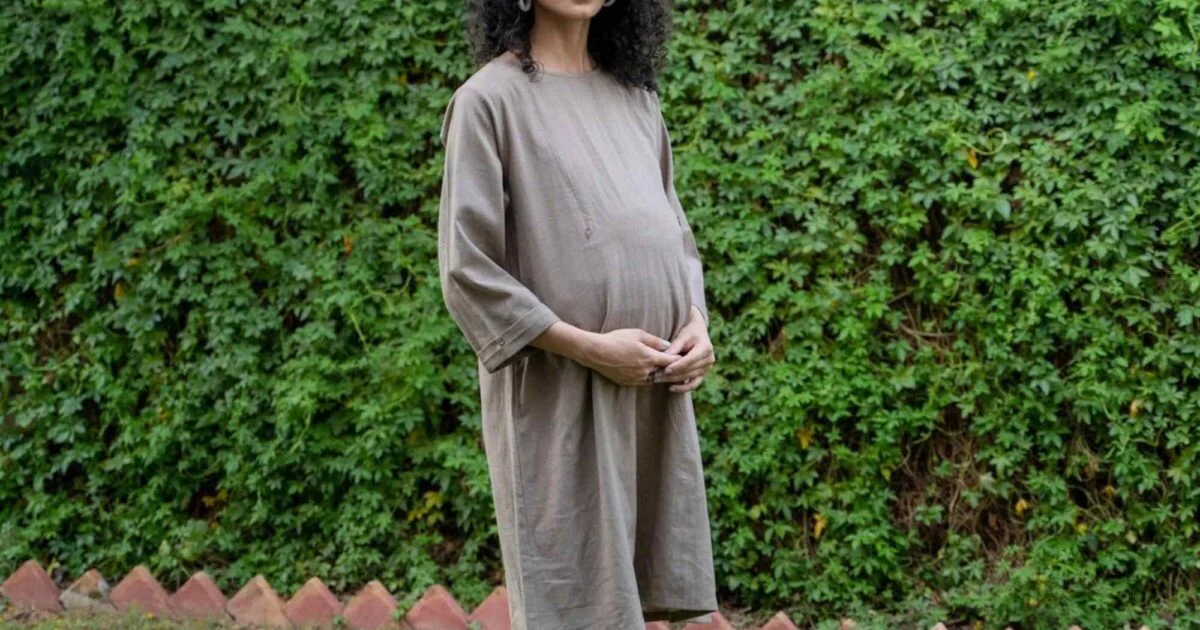
The global fashion industry, a significant contributor to environmental degradation and social inequality, faces increasing scrutiny, prompting a growing demand for ethical and sustainable alternatives across all sectors, including the specialized niche of maternity and nursing wear. For expectant and new parents, the decision to invest in clothing that supports their changing bodies while aligning with their values has become a paramount concern. This article delves into the complexities of finding such garments, highlighting brands that are leading the charge in conscious production and offering practical advice for building a more sustainable maternity wardrobe.
The Imperative for Ethical Fashion in Motherhood
The journey of pregnancy and early motherhood brings a unique set of clothing needs. Comfort, adaptability, and support are essential as the body undergoes profound changes. Beyond personal comfort, however, a deeper consideration is emerging: the impact of clothing production on the planet and its people, especially given that these garments are often worn for a relatively short period. Fast fashion, characterized by rapid production cycles, low costs, and high volumes, contributes significantly to textile waste, pollution from chemical dyes and synthetic fibers, and exploitative labor practices.
Studies by organizations like the Ellen MacArthur Foundation have highlighted that the fashion industry is responsible for an estimated 10% of global carbon emissions, more than international flights and maritime shipping combined. Furthermore, textile production consumes vast amounts of water and releases microplastics into oceans. When applied to maternity wear, which often sees a high turnover rate due to its temporary nature, these environmental footprints are exacerbated. New parents, acutely aware of the world their children will inherit, are increasingly seeking alternatives that minimize harm and promote a healthier future. This shift has propelled the conversation around ethical materials, transparent supply chains, and circular fashion models into the mainstream, making it a critical consideration for those curating their maternity wardrobes.
Defining Ethical and Sustainable Maternity Wear
To qualify as ethical and sustainable, maternity and nursing wear must adhere to a rigorous set of criteria that spans the entire product lifecycle, from design to disposal. Key considerations include:
- Material Sourcing: Preference is given to lower-impact materials such as certified organic cotton, linen, hemp, TENCEL™ Lyocell, or recycled fabrics. These materials reduce the reliance on harmful pesticides, excessive water usage, and virgin resources. The absence of harmful chemicals in dyes and finishes is also crucial for the health of both the wearer and the environment.
- Production Practices: Ethical production necessitates fair labor conditions, including living wages, safe working environments, and the absence of child labor. Transparency in the supply chain, from fiber cultivation to garment assembly, allows consumers to verify these claims. Local manufacturing, where feasible, can further reduce transportation emissions.
- Design for Longevity and Adaptability: Sustainable maternity wear is often designed with versatility in mind, allowing garments to be worn before, during, and after pregnancy. Features like adjustable waistbands, stretchy fabrics, and nursing-friendly access extend the lifespan and utility of each piece, moving away from the single-use mentality.
- Circular Economy Principles: Brands committed to sustainability often integrate practices that minimize waste. This can include made-to-order models to reduce overproduction, offering repair services, facilitating take-back programs for recycling, or designing products that are biodegradable or easily recyclable at the end of their life.
The growing consumer demand for these attributes has spurred innovation within the industry, leading to a more diverse and accessible range of options for conscious parents.
Building a Conscious Maternity Wardrobe: Initial Steps
Before exploring new purchases, a foundational approach to sustainable maternity wear involves maximizing existing resources and embracing pre-loved options. This chronological strategy prioritizes reduction and reuse, significantly lowering environmental impact.
- Assess Your Existing Wardrobe: Many everyday items can seamlessly transition into early and even mid-pregnancy. Stretchy leggings, oversized cardigans, flowy maxi dresses, and wrap-style tops often provide ample room and comfort without requiring specialized maternity design. Investing in versatile basics that can accommodate a growing bump is a smart first step.
- Borrow from Friends and Family: The temporary nature of maternity wear makes it an ideal candidate for borrowing. Many parents find themselves with gently used maternity clothes that they no longer need. Establishing a network for sharing and exchanging these items can create a cost-effective and zero-waste solution.
- Explore Secondhand Markets: The secondhand market for maternity clothing is robust and increasingly sophisticated. Online platforms and local consignment stores offer a wide array of pre-loved garments in excellent condition, often at a fraction of the retail price. Platforms like Retykle, for instance, specialize in curated pre-loved items, making it easier for consumers to find quality secondhand pieces. This not only diverts clothing from landfills but also gives garments a second life, extending their utility and reducing the demand for new production.
These initial steps underscore a commitment to resourcefulness and conscious consumption, laying the groundwork for a truly sustainable approach to maternity fashion. When new purchases become necessary, informed choices from ethical brands are the next logical progression.
Leading the Way: Ethical and Sustainable Maternity Brands
Several brands have emerged as pioneers in the ethical maternity wear space, demonstrating a commitment to environmental stewardship, social responsibility, and thoughtful design. These companies prioritize comfort and style while ensuring their practices align with a more sustainable future.
SeamsFriendly
SeamsFriendly stands out with its innovative approach to customisation, offering beautiful, tailored pieces for all body types. The brand’s philosophy centers on function and utility, utilizing lower-impact materials such as organic cotton and linen. A core tenet of SeamsFriendly’s sustainability model is its bespoke tailoring service. Shoppers can personalize designs to their exact preferences, modifying neck styles, sleeve lengths, garment dimensions, and fabric choices. This made-to-order model inherently minimizes waste by preventing overproduction, a significant issue in the conventional fashion industry.
The brand’s extensive custom sizing, accommodating bust sizes from 26″-70″ and waist sizes from 19″-63″ for womenswear (including petite, regular, and tall heights), ensures a perfect fit, enhancing comfort and longevity. This focus on individual fit also reduces returns, another contributor to fashion waste. SeamsFriendly’s dedication to precise garment creation not only empowers the consumer but also serves as a powerful example of how production on demand can lead to a more sustainable consumption cycle. A brand representative might assert, "Our commitment to customisation not only empowers individual style but significantly reduces textile waste by eliminating overproduction, ensuring every garment finds its purpose."
Underprotection
Hailing from Denmark, Underprotection seamlessly blends ethics with aesthetics, crafting underwear, loungewear, and swimwear from consciously chosen, lower-impact materials like organic cotton. The brand’s commitment to sustainability extends beyond its material choices; all packaging, paper, and polybags are either recycled or biodegradable. Underprotection prides itself on working exclusively with certified factories, upholding the belief that "fair working conditions and fair wages are human rights." This dedication to social responsibility ensures that every piece is produced under conditions that respect human dignity and labor rights. Available in sizes XS-XL, Underprotection celebrates women of all kinds, aiming to provide comfort and beauty without compromise.
Sorella Organics
Australian brand Sorella Organics, founded by Anna McGregor with a background in international human rights work, exemplifies ethical production. Its certified organic sleepwear range, which includes tops, pants, wraps, nighties, and dedicated maternity wear, is a testament to its commitment. The brand’s use of Fairtrade certified cotton guarantees strict social standards are met throughout the production and trading processes, ensuring farmers and workers receive fair compensation and work in safe conditions. This transparency and dedication to ethical sourcing provide peace of mind for conscious consumers. Available in sizes S-XL, Sorella Organics proves that high ethical standards do not necessitate exorbitant prices, making sustainable choices accessible.
Subset (formerly Knickey)
US brand Subset, known for its organic cotton underwear sets, is a leader in the responsible fashion market. Manufacturing in a Fairtrade certified factory, Subset ensures that its production adheres to stringent ethical labor standards. Taking its commitment to circularity a step further, the brand has partnered with an NYC non-profit to recycle old undergarments, transforming fibers into insulation and rug pads. This innovative take-back program not only reduces landfill waste but also encourages consumers to make responsible choices when purchasing new, sustainably made sets. Offering most items in sizes 2XS-4XL, Subset provides inclusive sizing alongside its unwavering dedication to sustainability.
Eco Intimates
Eco Intimates is a basics brand specializing in organic cotton lingerie, intimates, and sleepwear for women who prioritize both their bodies and the Earth. The brand’s focus on organic materials ensures that its products are free from harmful chemicals, making them gentle on sensitive skin and less impactful on the environment. Eco Intimates champions the use of sustainable fibers and ethical manufacturing, providing comfortable and stylish options that align with eco-conscious values. Its loungewear is available in XS-2XL, with some lingerie extending up to 4XL, catering to a diverse range of body types.
BJ’s PJs
Australia-based BJ’s PJs was founded with a mission to create minimal, comfortable, and supportive lounge and sleepwear using lower-impact materials. The brand’s commitment to sustainability is reflected in its decision to manufacture garments locally, significantly reducing the carbon footprint associated with long-distance shipping. Furthermore, BJ’s PJs traces most of its supply chain, providing transparency and accountability in its production processes. Available in sizes XS – 4XL, the brand offers inclusive sizing while upholding its values of ethical production and environmental responsibility.
Petit Pli
Petit Pli is an award-winning brand that approaches clothing design with an engineering mindset, creating garments that grow with children. While not exclusively maternity, their philosophy of longevity and adaptability resonates deeply with sustainable parenting. Their clothes are engineered for play, planet, and purpose, blending aerospace innovation with ethical manufacturing to reshape fashion for the next generation. The concept of "clothes that grow" inherently tackles textile waste, reducing the need for frequent purchases as children develop. This innovative design principle offers a powerful model for how clothing can be designed for extended utility, a concept that could inspire future adaptable maternity wear.
Q for Quinn
Q for Quinn offers a range of sustainable, non-toxic, and eczema-friendly clothing for all ages, including infants and children. While not exclusively a maternity brand, its commitment to organic, responsibly sourced materials for essentials makes it a relevant choice for conscious parents. The brand’s focus on non-toxic fabrics is particularly appealing for expectant mothers concerned about chemical exposure during pregnancy and for babies with sensitive skin. Their dedication to health-conscious materials aligns with the broader goals of sustainable and ethical living for families.
Sustainable Options Beyond Dedicated Maternity Ranges
Many ethical brands, while not offering specific maternity collections, design their garments with enough versatility and comfort to accommodate a changing body shape. These brands often utilize high-quality materials and thoughtful silhouettes that naturally lend themselves to maternity wear.
Christy Dawn
Christy Dawn offers a minimalist showroom of vintage-inspired women’s clothing and footwear, locally made with surplus fabric. The brand’s "Great" rating for sustainability underscores its commitment to responsible practices. Many of Christy Dawn’s designs, particularly their flowy dresses and relaxed silhouettes, provide ample room and comfort for expectant mothers. By using deadstock fabrics, the brand actively reduces textile waste and its environmental footprint. Available in standard sizes XS-XL, with Extended and Petite collections, Christy Dawn demonstrates how beautiful, sustainable fashion can naturally adapt to various stages of a woman’s life.
Indilisi
Indilisi creates clothing with a strong focus on heritage crafts and handweaving, primarily using surplus fabrics sourced from deadstock material. This dedication to utilizing existing resources minimizes the demand for new production and supports traditional artisanal skills. The brand’s fluid designs and comfortable cuts often make its pieces suitable for maternity wear, offering a stylish and ethical alternative for those seeking unique, sustainable garments that can accommodate a growing bump.
Oobi
Oobi, an Australian brand known for girls’ fashion, swimwear, homewares, and lifestyle products, also offers adaptable options that can suit maternity needs, particularly their resort dresses. Oobi prioritizes low-impact, non-toxic dyes throughout its range and avoids animal products. The brand’s commitment to environmental responsibility extends to its logistics, opting for sea freight to transport products and reduce its climate impact. While primarily focused on children, the design philosophy of comfortable, durable, and ethically produced clothing means that some of its more relaxed women’s styles can be seamlessly integrated into a maternity wardrobe.
Seek Collective
Seek Collective, a US brand, is dedicated to transparency, authenticity, craft, and sustainability. Its thoughtfully made items are produced in India through partnerships with like-minded communities and artisans, focusing on establishing connections between art, product, consumers, process, and makers. The brand’s designs often feature relaxed fits and natural fibers, making many of its pieces suitable for maternity wear. Available in most products in XS-L, with an extended sizing range up to 4XL, Seek Collective offers ethical and artisanal choices that can comfortably accommodate a pregnant body while supporting sustainable production.
The Role of Transparency and Independent Ratings
The proliferation of "greenwashing" – misleading claims about environmental friendliness – makes it challenging for consumers to identify genuinely sustainable brands. This is where independent ratings systems, such as those provided by Good On You, become invaluable. These platforms assess fashion and beauty brands’ impact on people, the planet, and animals, offering comprehensive, data-driven ratings. By leveraging such resources, consumers can make informed decisions, supporting brands that truly embody ethical and sustainable practices. This transparency empowers individuals to vote with their wallets, driving the industry towards greater accountability and responsibility.
The Broader Impact and Future Outlook
The rise of ethical and sustainable maternity wear signifies a broader shift in consumer values and industry practices. It reflects a growing understanding that fashion choices have far-reaching consequences, impacting ecosystems, labor communities, and the health of future generations. For brands, embracing sustainability is no longer merely a marketing strategy but a business imperative, fostering innovation in materials, design, and supply chain management.
The implications of this trend are manifold. For consumers, it means greater access to products that align with their values, fostering a sense of empowerment and conscious participation in a more equitable world. For the industry, it presents both challenges and opportunities: a challenge to re-evaluate conventional practices and an opportunity to innovate and lead in responsible production. As awareness continues to grow and technological advancements make sustainable solutions more viable, the market for ethical maternity wear is poised for significant expansion. The goal is not just to provide comfortable clothing for a temporary phase of life, but to nurture a future where fashion supports both human well-being and planetary health, leaving a positive legacy for the little ones who will inherit it.
The continuous updates by editorial teams, such as the one seen in the original article on 30 March 2026, are crucial for keeping consumers informed about the evolving landscape of sustainable fashion, ensuring that recommendations remain current and relevant in a dynamic industry. This commitment to ongoing assessment underscores the importance of reliable information in guiding ethical consumption choices.