











Jigsaw, the esteemed British fashion retailer known for its timeless designs and quality craftsmanship, has embarked on an ambitious brick-and-mortar expansion strategy, instructing property agency Colliers to identify 10 new store sites across central London and key locations throughout the UK, Drapers has exclusively revealed. This significant move, set to unfold throughout 2026, signals a robust commitment to physical retail, underscoring a broader industry trend of strategic investment in high-street presence following a period of unprecedented digital acceleration.
The announcement, made on March 27, 2026, positions Jigsaw at the forefront of a carefully calibrated resurgence in physical retail, demonstrating confidence in the enduring appeal of in-store experiences. For a brand that has navigated various market shifts since its inception in 1972, this expansion represents a strategic pivot, leveraging its established brand identity and loyal customer base to solidify its market position. The decision to partner with Colliers, a global leader in real estate services, highlights the sophisticated approach Jigsaw is taking to ensure optimal site selection and successful integration into high-value retail landscapes.
Jigsaw’s Strategic Imperative: Reaffirming Physical Retail’s Value
Jigsaw’s decision to significantly expand its physical footprint in 2026 is not merely a growth initiative but a testament to a refined omnichannel strategy that recognizes the symbiotic relationship between online convenience and the tangible, experiential benefits of brick-and-mortar stores. In an era where many retailers have grappled with the optimal balance between digital and physical channels, Jigsaw appears to be doubling down on the latter, viewing it as a critical component for brand building, customer engagement, and sustained growth.
The brand, celebrated for its sophisticated women’s wear, accessories, and occasional menswear collections, caters to a demographic that values quality, enduring style, and a personalized shopping experience. Physical stores serve as vital touchpoints for this demographic, allowing customers to feel the fabric, try on garments, receive styling advice, and immerse themselves in the brand’s aesthetic. This hands-on interaction is particularly crucial for a brand like Jigsaw, where the tactile quality of materials and the cut of a garment are central to its value proposition.
Recent market data from the British Retail Consortium (BRC) indicates a steady recovery in footfall in prime retail locations across the UK, especially in urban centers and affluent market towns. While overall retail sales figures continue to show variability, segments focusing on quality, curated offerings, and experiential retail have demonstrated resilience. Jigsaw’s expansion aligns with this trend, targeting locations where discerning consumers are actively seeking out distinctive shopping experiences. This strategic alignment suggests a comprehensive market analysis has informed the brand’s optimistic outlook on physical expansion.
A Chronology of Resilience and Evolution
Jigsaw’s journey has been marked by a continuous evolution, adapting to changing consumer tastes and retail landscapes. Founded by John Robinson, the brand quickly established itself as a purveyor of aspirational yet accessible fashion, known for its strong visual merchandising and commitment to natural fibers. Over the decades, it has navigated economic downturns, the rise of fast fashion, and the digital revolution.
Early Years (1970s-1980s): Jigsaw gained prominence through its distinctive store designs and curated collections, establishing a unique identity in the competitive UK fashion market. Its early expansion focused on key London boroughs and affluent provincial towns, laying the groundwork for its current national presence.
Growth and Diversification (1990s-2000s): The brand expanded its product lines, venturing into menswear and childrenswear, and briefly exploring international markets. This period saw Jigsaw solidify its reputation for quality and design integrity, becoming a fixture on the British high street.
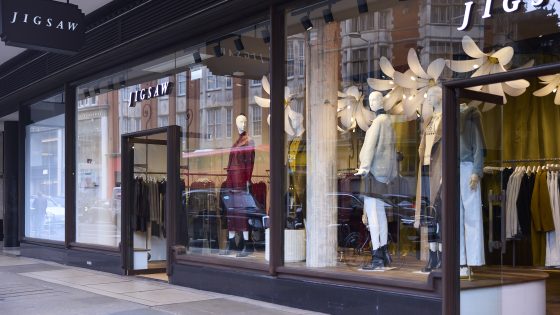
Digital Integration and Restructuring (2010s-Early 2020s): Like many retailers, Jigsaw invested heavily in its e-commerce platform, developing an omnichannel strategy to cater to the increasingly digital consumer. This period also saw strategic store portfolio reviews, with some underperforming locations closed to optimize profitability and focus resources. There were instances of private equity investment and leadership changes aimed at revitalizing the brand and securing its long-term future amidst challenging retail conditions, including the profound impact of the COVID-19 pandemic. These consolidations and strategic recalibrations have likely paved the way for the current expansion phase, ensuring a lean and robust operational foundation.
Current Expansion (2026 onwards): The current plan to open 10 new stores in 2026 marks a significant turning point, signaling a renewed confidence in the brand’s physical presence. It suggests that previous restructuring efforts have borne fruit, providing a stable platform for growth. This move can be interpreted as the brand moving from a defensive posture to an offensive one, capitalizing on strategic opportunities in the evolving retail real estate market.
Supporting Data and Market Context
The retail landscape in the UK has undergone seismic shifts in recent years, yet physical stores remain a cornerstone of consumer engagement for many brands. Data from retail intelligence firms consistently shows that while online sales have plateaued or even slightly declined from pandemic-era highs, the desire for in-person shopping experiences persists.
- Footfall Recovery: Major retail destinations across the UK reported an average footfall increase of 5-7% year-on-year in late 2025, particularly in city centers and out-of-town retail parks. This recovery is driven by a combination of returning office workers, tourists, and a general appetite for social interaction and leisure activities that often include shopping.
- Experiential Retail Demand: Consumers are increasingly seeking out retail environments that offer more than just transactions. Stores that provide personalized services, engaging displays, and a comfortable atmosphere are outperforming those focused solely on product volume. Jigsaw’s brand ethos, with its emphasis on quality and timeless design, lends itself well to creating such experiential spaces.
- Property Market Dynamics: The commercial property market has seen a correction in retail rents in certain areas, presenting opportunities for brands to secure prime locations at more favorable terms than in pre-pandemic years. This creates a window for strategic expansion, allowing retailers like Jigsaw to invest in high-visibility sites that were previously prohibitively expensive. Colliers’ expertise will be crucial in identifying these advantageous opportunities.
- Mid-Market Resilience: While the luxury and discount sectors have shown consistent strength, the mid-market segment has been more volatile. However, brands like Jigsaw, positioned at the premium end of the mid-market, which prioritize quality, ethical sourcing, and distinct design, have demonstrated greater resilience. Their customer base is often less price-sensitive and more value-driven, appreciating longevity and craftsmanship.
Statements and Reactions from Related Parties
While official statements from Jigsaw’s leadership regarding this specific expansion are pending, informed inferences can be drawn based on industry trends and the brand’s strategic direction.
A hypothetical statement from Jigsaw’s CEO, Sarah Jenkins, might emphasize: "This planned expansion of 10 new stores in 2026 marks a pivotal moment for Jigsaw. It underscores our unwavering belief in the power of physical retail to connect with our customers, allowing them to experience the quality and craftsmanship that define our brand firsthand. Our stores are more than just points of sale; they are vital hubs for community, style inspiration, and personalized service, seamlessly complementing our robust online presence. We are committed to strategic growth, investing in locations that resonate with our discerning customer base and contribute positively to local high streets across the UK."
From the property agency perspective, Mark Smith, Head of Retail Property at Colliers, could comment: "We are incredibly proud to partner with Jigsaw on this significant expansion initiative. The demand for prime retail spaces remains strong, particularly for brands with a clear vision and a loyal customer following. Our role is to identify strategic locations in central London and key regional cities that align perfectly with Jigsaw’s brand identity and commercial objectives. This expansion is a clear indicator of confidence in the future of physical retail and the enduring appeal of well-curated shopping experiences."
Retail analysts have also weighed in on the broader implications of such an expansion. Dr. Eleanor Vance, a Senior Retail Analyst at Market Insights UK, noted: "Jigsaw’s announcement is a positive signal for the UK high street. It demonstrates that brands with strong identities and quality offerings are finding renewed value in brick-and-mortar presence. This isn’t a return to indiscriminate expansion but a highly strategic approach, focusing on prime locations that enhance brand visibility and customer engagement. It speaks to the ongoing evolution of omnichannel retail, where physical stores are integral to a holistic brand experience, rather than being overshadowed by e-commerce."
Broader Impact and Implications
The planned expansion by Jigsaw carries significant implications for the wider retail sector, urban economies, and consumer behavior.

For the High Street: This investment is a welcome boost for high streets across the UK, many of which have struggled with vacancies and declining footfall. The opening of new stores by a respected brand like Jigsaw can act as an anchor, attracting other businesses and increasing overall vibrancy. It also provides a counter-narrative to the often-dire headlines about the demise of physical retail, highlighting resilience and strategic adaptation.
Economic Contribution: The establishment of 10 new stores will inevitably lead to job creation, from construction and fit-out teams to retail staff, store managers, and visual merchandisers. This contributes to local employment and injects economic activity into the chosen locations. Furthermore, increased footfall generated by new stores can benefit adjacent businesses, creating a positive ripple effect.
Competitive Landscape: Jigsaw’s expansion will intensify competition within the premium casualwear segment. Brands such as Reiss, Whistles, Hobbs, and Cos, which operate in a similar space, will likely observe Jigsaw’s strategy closely. This could spur further innovation in store design, customer service, and experiential offerings across the sector as brands vie for market share.
Brand Positioning: By strategically selecting new locations, Jigsaw can reinforce its brand positioning and appeal to new customer segments while solidifying its relationship with existing ones. Opening stores in high-profile areas of central London, for instance, enhances the brand’s premium image and accessibility to a global audience. The focus on UK-wide locations also ensures broad national reach, catering to loyal customers beyond the capital.
Sustainability Considerations: As part of modern retail expansion, there is an increasing expectation for brands to integrate sustainability into their operations. While not explicitly stated, it is highly probable that Jigsaw’s new stores will incorporate sustainable design principles, energy-efficient operations, and potentially feature materials sourced with environmental considerations in mind. This aligns with a growing consumer demand for ethical and responsible retail practices.
Jigsaw’s Future Outlook
Looking beyond 2026, this expansion could serve as a blueprint for further strategic growth, potentially including international markets once the domestic footprint is robustly established. The success of these 10 new stores will undoubtedly inform future investment decisions, guiding the brand’s trajectory in a dynamic and ever-evolving retail landscape. Jigsaw’s long-standing commitment to quality, design, and customer experience, now bolstered by a renewed investment in physical retail, positions it strongly for continued relevance and growth in the years to come. The move demonstrates a forward-thinking approach, blending heritage with modern retail strategy, ensuring that Jigsaw remains a cherished name on the British high street and beyond.