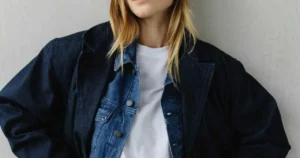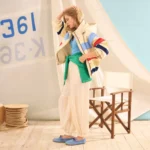

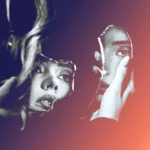
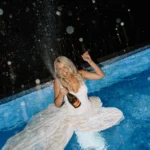
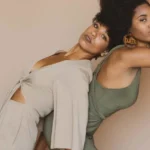


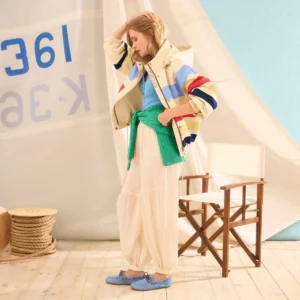
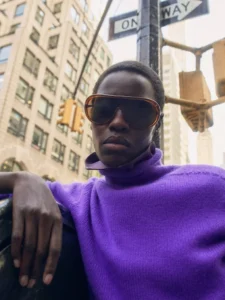
The 16th edition of the prestigious Circulation(s) festival, dedicated to showcasing the vibrant tapestry of young European photography, is currently underway, captivating audiences until May 17 at the expansive Centquatre-Paris. This multidisciplinary art and entertainment hub, known for its cavernous exhibition spaces and dynamic cultural programming, serves as an ideal backdrop for an exciting ensemble of emerging photographers. Annually drawing significant attention from both the public and industry professionals, Circulation(s) has firmly established itself as a pivotal platform for identifying and nurturing the next generation of photographic talent across the continent. This year, the festival proudly presents the works of 26 artists hailing from 15 different nationalities, offering a compelling snapshot of the prevailing preoccupations and innovative approaches within contemporary European photography. The curated selection delves into a diverse range of themes, from the speculative futures envisioned through Afrofuturist lenses to the intimate politics of identity explored through queer narratives, and the nuanced social dynamics of Generation Z gatherings. The breadth of artistic inquiry underscores the festival’s commitment to reflecting the multifaceted realities and imaginative possibilities of our time.
The Enduring Legacy and Mission of Circulation(s)
Since its inception, Circulation(s) has carved out a unique and indispensable niche within the global photography calendar. Founded with the explicit mission to promote and disseminate the work of young European photographers, the festival operates as a crucial incubator for nascent careers, providing unparalleled visibility and a significant springboard into the international art scene. Each year, an open call attracts hundreds of submissions from across Europe, culminating in a rigorous selection process undertaken by a jury of esteemed professionals, including curators, critics, editors, and gallerists. This meticulous curation ensures that the exhibited works not only demonstrate exceptional artistic merit but also resonate with contemporary relevance and thematic depth. The festival’s commitment extends beyond mere exhibition; it fosters dialogue, facilitates networking opportunities, and often commissions new works, thereby actively contributing to the sustainable development of artistic practices. Over its 16-year history, Circulation(s) has been instrumental in launching the careers of numerous photographers who have gone on to achieve international acclaim, solidifying its reputation as a barometer for future trends in European photography. Its continued presence underscores the vital role independent festivals play in a rapidly evolving art market, offering a counter-narrative to commercial pressures by prioritizing artistic vision and emerging voices.
Centquatre-Paris: A Bastion of Multidisciplinary Art
The choice of Centquatre-Paris as the festival’s venue is no coincidence, but rather a deliberate alignment with a space that mirrors the festival’s own ethos of accessibility, innovation, and community engagement. Located in the 19th arrondissement, Centquatre-Paris occupies the former municipal funeral services building, a grand industrial edifice dating back to the late 19th century. Reimagined and reopened in 2008 as a public cultural institution, it has transformed into a sprawling 39,000 square-meter complex dedicated to all forms of art, from visual arts and performing arts to digital creation and crafts. Its architectural grandeur, characterized by vast open halls, high ceilings, and an interplay of industrial heritage with modern interventions, provides a unique and inspiring setting for artistic expression. Centquatre-Paris is renowned for its inclusive programming, welcoming professional artists and local residents alike, offering workshops, residencies, and free access to its public spaces. This commitment to cultural democratization resonates deeply with Circulation(s)‘s objective of making cutting-edge photography accessible to a broad audience, thereby fostering a deeper appreciation for the medium and its potential to reflect and shape societal discourse. The dynamic atmosphere of Centquatre-Paris, often bustling with various artistic activities simultaneously, creates an immersive experience that enhances the viewer’s engagement with the photographic works on display.
A Deep Dive into Selected Projects: Themes and Innovations
The five highlighted projects from this year’s Circulation(s) festival exemplify the thematic richness and formal innovation characteristic of young European photography. These artists navigate complex contemporary issues through diverse methodologies, ranging from intimate documentary to elaborate staging and multimedia installations.
Marine Billet, Reliées: Unpacking Gen Z Identity and Connection
French millennial photographer Marine Billet’s project, Reliées (Connected), offers a profound exploration into the multifaceted nature of Gen Z identity, particularly focusing on how young women construct and express their selves in an increasingly digital and interconnected world. Driven by a desire to bridge generational understanding, Billet initiated an open call on Instagram, a platform central to Gen Z’s social fabric, to cast five young women who were initially strangers to one another. This casting process itself highlights the role of digital communities in contemporary life. For a period of six months, Billet and the five participants engaged in an intimate, digital correspondence primarily through voice notes, sharing the seemingly mundane yet deeply personal details of their daily lives: their downtime activities, the aesthetics of their private bedrooms, and even their culinary endeavors. This prolonged, mediated interaction built a foundation of trust and intimacy, challenging conventional photographic methods that often rely on immediate, in-person encounters.
The culmination of this digital exchange was a physical meeting in an old, rented residential house, a setting deliberately chosen for its contrasting historical backdrop against the vibrant, contemporary energy of the assembled group. This juxtaposition speaks to the constant negotiation between tradition and modernity that defines the experiences of young generations. The photographic shoot itself was a hybrid endeavor, seamlessly blending staged compositions with documentary-style captures, reflecting the performative yet authentic nature of online and offline identities. The resulting large-format images on view are not merely portraits but rather evocative tableaux, consciously inspired by the "gorgeous theatrics" and compositional mastery found in Florentine paintings. This art historical reference elevates the contemporary subject matter, imbuing the Gen Z narratives with a timeless artistic weight, suggesting a continuity of human experience across centuries, albeit expressed through new social and technological paradigms. Billet’s work thus offers a compelling commentary on the evolving dynamics of friendship, self-representation, and the enduring human need for connection in the digital age.
Joanna Szproch, Alltagsfantasie: Reclaiming Sensuality and Autonomy
Joanna Szproch, a Polish photographer, presents Alltagsfantasie (Everyday Fantasy), a project born from a deliberate pivot away from the often-exploitative and reductive beauty standards prevalent in the commercial fashion photography milieu where she previously worked in Poland. Upon relocating to Berlin, Szproch embarked on a journey to reclaim her artistic agency, choosing to carve out a space for personal fantasy and authentic expression on her own terms. Her project is a powerful statement against objectification, replacing the industry’s often narrow gaze with images that prioritize sensuality, autonomy, and joy through a distinctly female lens. Szproch’s personal declaration, "I have space in my everyday life to be playful," encapsulates the spirit of her work, which champions the idea that fantasy and self-expression need not be relegated to the extraordinary but can be found and celebrated within the fabric of daily existence.
The exhibition space for Alltagsfantasie is notably adorned with a bubblegum pink wall, a deliberate aesthetic choice that immediately signals a departure from conventional, often stark, gallery presentations. This vibrant backdrop enhances the playful and unapologetically feminine tone of her photographs. The series includes intimate self-portraits alongside images of her muse, a Polish model she met during a test shoot casting who subsequently became a close friend and a constant source of inspiration. This collaborative relationship, built on mutual respect and shared vision, stands in stark contrast to the transactional dynamics often found in commercial photography. Complementing the photographic prints are translucent boxes displaying a curated collection of trinkets: lollipops, dolls, rosaries, and sex toys. This eclectic assortment of objects, ranging from symbols of childhood innocence to expressions of spiritual devotion and adult desire, underscores the complex layers of female identity and sensuality. Szproch’s work invites viewers to reconsider conventional notions of beauty and desire, offering a refreshing and empowering vision of female agency and the liberating potential of embracing one’s own "everyday fantasy."
Ellen Blair, Homemade Undercuts: Queer Identity, Care, and Solidarity
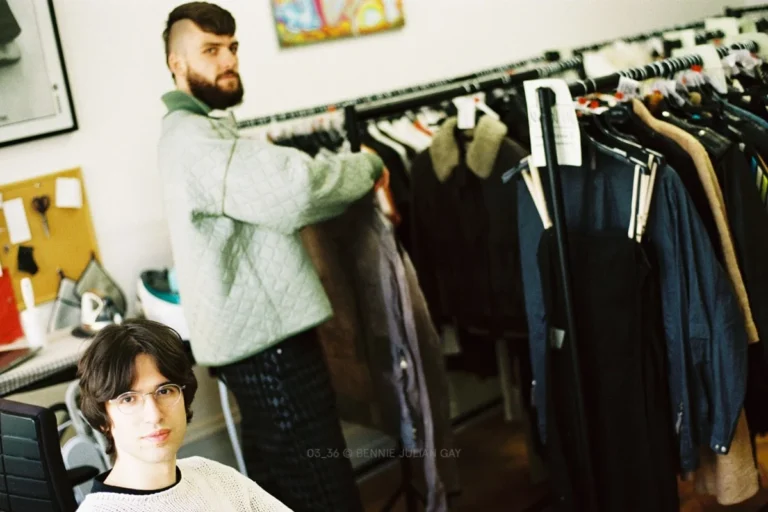
Ellen Blair’s Homemade Undercuts is a warm, thoughtful, and deeply resonant series that explores the intricate relationship between queer identity, self-expression, care, and solidarity, all articulated through the symbolic and practical act of hair styling. The project delves into how haircuts, particularly "homemade undercuts," transcend mere aesthetic choices to become profound acts of self-affirmation and community building within queer spaces. The exhibition design itself is an integral part of Blair’s narrative. It features a vintage leather barber chair, serving not just as a prop but as a functional symbol of the intimate, personal space where transformations occur. Adjacent to this is a cork message board, intentionally designed to be a "living sort of thing." This board is adorned with archival queer leaflets from Belfast, Blair’s hometown, providing historical context to the ongoing struggles and triumphs of the LGBTQ+ community. Interspersed with these historical documents are humorous and provocative flyers created for the occasion, such as "the plural of milf is milves" and "Are you gay yet/why not," injecting a contemporary, playful, and defiant queer sensibility into the display. Blair’s hope is that visitors will actively contribute to the board, making it a dynamic, evolving testament to collective queer experiences and expressions.
A particularly impactful element of Blair’s project, highlighted in her exhibition text, is the profound significance a haircut can hold for individuals awaiting gender-affirming healthcare. For many, a haircut is not just a style change but a crucial step in aligning external presentation with internal identity, offering a sense of affirmation and autonomy in a world that often delays or denies access to comprehensive gender-affirming care. To underscore this message and extend the project’s spirit of care and solidarity into direct action, two queer hairdressers based in Paris offered free haircuts within the exhibition space on a designated Saturday afternoon. This performative and participatory aspect transformed the gallery into a temporary communal salon, embodying the project’s core themes and offering tangible support to the community. Homemade Undercuts thus becomes more than an exhibition; it is an active space for dialogue, historical reflection, and radical acts of care, celebrating the power of personal expression and collective support within queer communities.
T2i & NouN, Manman Dilo: Afrofuturist Visions and Ancestral Myths
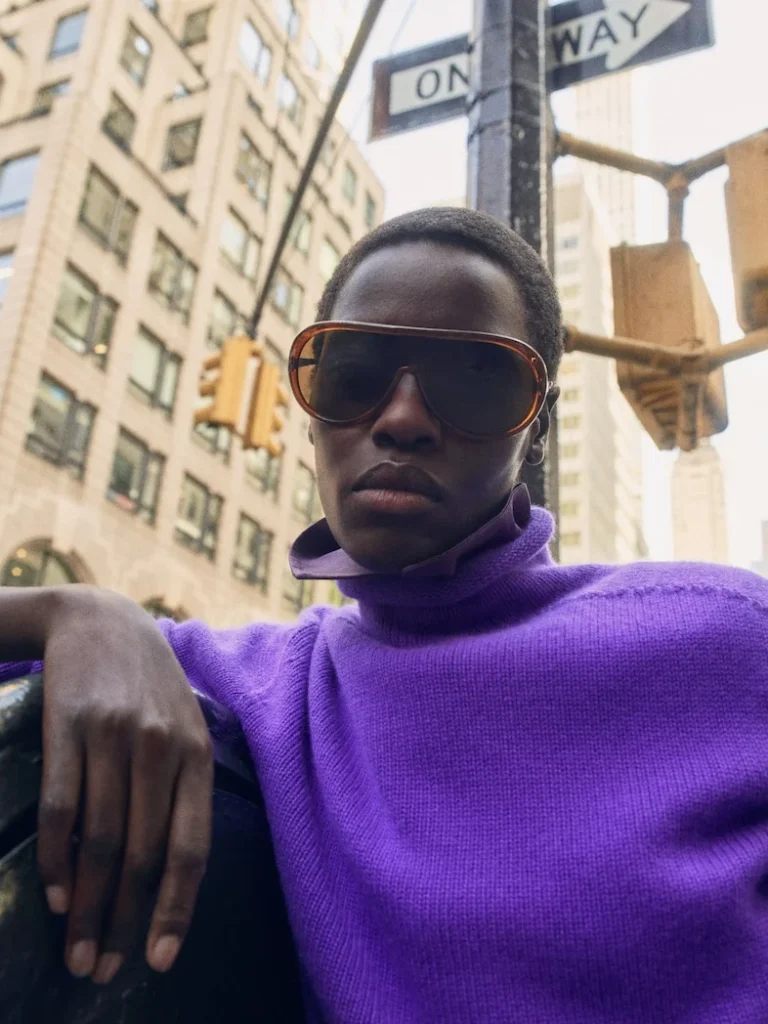
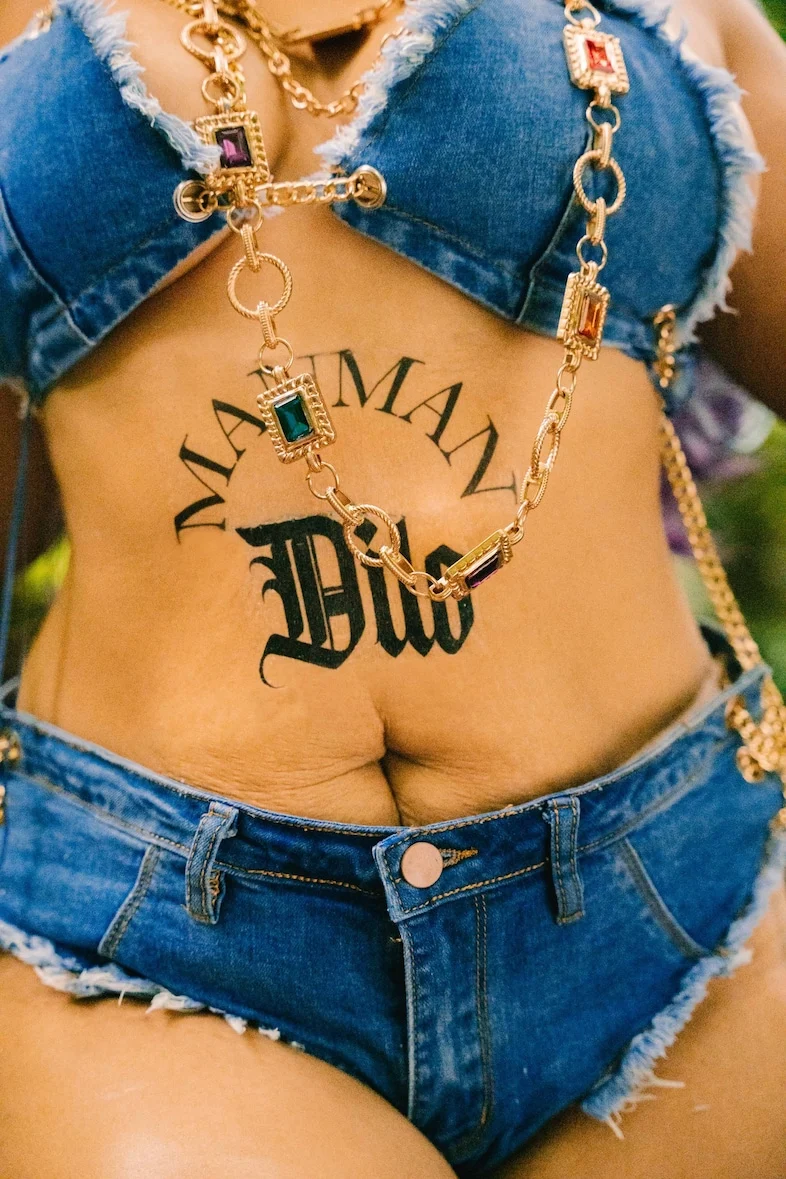
The collaborative project Manman Dilo by the artist duo T2i and NouN offers a captivating foray into Afrofuturism, reimagining ancestral myths through a contemporary lens. "Manman Dilo," Creole for "mother of the waters," refers to a mystical feminine force originating from French Guiana, often depicted as a half-woman, half-fish hybrid. This figure embodies a fluid hybridity of identity, a concept central to the duo’s artistic exploration. T2i, an Afro-Guyanese songwriter, rapper, and graphic designer, brings a rich cultural heritage and multimedia sensibility to the collaboration, while NouN, a North African artist trained at the acclaimed French Kourtrajmé multimedia school under the mentorship of artist JR, contributes a sophisticated visual artistry. Together, they have developed a compelling Afrofuturist iconography that adapts this Amazonian myth to resonate with contemporary issues of identity, diaspora, and speculative futures.
Their installation at Circulation(s) is designed to be an immersive experience, set against walls painted the purest, brightest blue, evoking the depth and mystery of the ocean – the domain of Manman Dilo. The installation comprises multiple elements: a short video piece that likely animates or contextualizes the myth, a translucent textile portrait that suggests the ephemeral and fluid nature of the Manman Dilo figure, traditional photographic prints, and wallpapered images that transform the exhibition space into an expansive narrative canvas. This multimedia approach underscores the interdisciplinary nature of Afrofuturism, which blends elements of science fiction, fantasy, African histories, and magical realism to envision alternative futures and reclaim narratives. By bringing a French Guianese myth into a European artistic context, T2i and NouN not only celebrate their ancestral heritage but also contribute to a broader discourse on post-colonial identity, cultural fusion, and the power of myth-making in shaping contemporary understanding. Their work invites viewers to consider the enduring relevance of ancient stories in navigating the complexities of modern identity and imagining radically different futures.
Sadie Cook & Jo Pawlowska, Everything I Want to Tell You: Non-Binary Collaboration and World-Building
The collaborative project Everything I Want to Tell You by American-born Sadie Cook and Polish-born Jo Pawlowska is a testament to the serendipitous connections that can emerge in unexpected places and the profound potential of shared artistic sensibilities. These two non-binary strangers, both residing in Reykjavik, found themselves often mistaken for one another due to their similar slender silhouettes and distinctive cropped haircuts – a subtle yet potent indicator of shared aesthetic and possibly gender non-conforming expressions. Their eventual meeting revealed a deeper commonality: both identified as "obsessives who process things visually," as Cook aptly describes. This shared drive for visual articulation formed the bedrock of their collaboration, which posits a fundamental and provocative question: "What would it look like if everything was built for us?" This inquiry speaks to a desire for a world that inherently accommodates and celebrates non-binary identities, rather than one that requires constant adaptation or struggle.
Cook and Pawlowska’s response to this question is a "hyperdense installation," a visually rich and meticulously crafted environment that challenges conventional notions of space and representation. Using what Cook refers to as "beautiful colours and silly things," they constructed a vibrant, almost overwhelming tapestry of visual information. The installation is clustered with layers upon layers of diverse media, including traditional photographs, digital screenshots, intimate selfies, and glitched videos. This deliberate layering and mixing of digital and analog, personal and public, reflects the fragmented yet interconnected nature of contemporary identity, particularly for those navigating non-binary experiences in a binary-centric world. The inclusion of glitches in their video work might symbolize the disruptions and reconfigurations of identity, the imperfections and fluidity that resist neat categorization. Their collaboration creates an immersive, almost utopian space – a visual manifesto for a world designed from a non-binary perspective, offering a glimpse into what radical inclusion and self-affirmation could visually manifest as. The project is a powerful exploration of visual language as a tool for world-building and identity construction, inviting viewers to imagine and engage with alternative realities.
Broader Implications and the Future of European Photography
The 16th edition of Circulation(s), through its diverse selection of artists and projects, underscores several key trends and implications for the future of European photography. Firstly, the festival highlights a strong emphasis on identity politics, particularly concerning gender, sexuality, and ethnicity. Artists are increasingly using photography as a tool for self-exploration, advocacy, and community building, moving beyond traditional portraiture to create nuanced narratives that challenge prevailing norms and amplify marginalized voices. The works of Ellen Blair, T2i & NouN, and Sadie Cook & Jo Pawlowska are prime examples of this crucial shift, demonstrating photography’s capacity to engage with complex social issues and foster empathy.
Secondly, there is a clear embrace of interdisciplinary and multimedia approaches. The integration of video, textile, sound, and interactive elements, as seen in projects like Manman Dilo and Everything I Want to Tell You, indicates a blurring of boundaries between traditional photographic practices and other artistic mediums. This trend reflects a broader evolution in contemporary art, where artists are less constrained by medium-specific conventions and are instead driven by conceptual imperatives, leveraging whatever tools best serve their artistic vision.
Thirdly, the role of technology and digital platforms, both as subject matter and as a means of production, is increasingly prominent. Marine Billet’s use of Instagram for casting and voice notes for communication exemplifies how digital tools are not merely distribution channels but integral components of the artistic process and thematic exploration. This reflects the pervasive influence of digital culture on contemporary life and how artists are critically engaging with its implications for identity, connection, and representation.
Finally, Circulation(s) reinforces the enduring importance of collaborative practices and community engagement. From Billet’s group dynamic to Blair’s interactive message board and free haircuts, and Cook & Pawlowska’s creative partnership, the festival showcases how artists are fostering dialogue, building networks, and directly involving their audiences and subjects in the artistic process. This collaborative spirit suggests a move away from solitary artistic creation towards more inclusive, participatory, and socially engaged forms of art-making.
The festival’s continued success, drawing thousands of visitors and critical acclaim, solidifies its position as a vital cultural institution. By consistently providing a platform for emerging talent, Circulation(s) not only enriches the contemporary art scene but also acts as a significant cultural exchange, fostering cross-cultural understanding and artistic innovation across Europe. As the festival concludes on May 17, it leaves behind a rich legacy of compelling imagery and profound insights, inspiring further dialogue and pushing the boundaries of what photography can achieve in the 21st century.