










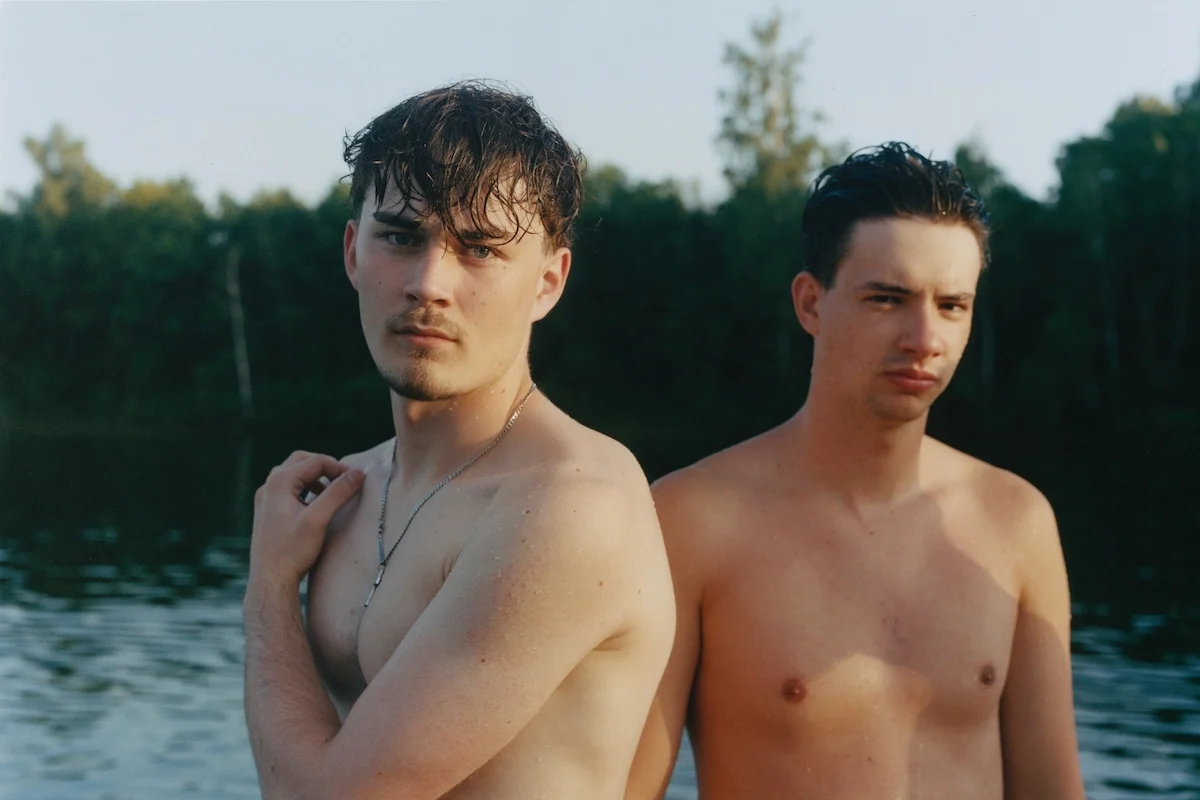
The profound question of whether true empathy can transcend lived experience lies at the heart of a remarkable photographic journey undertaken by French-born Guillaume Bihan and Ukrainian Daria Svertilova. Their collaboration, conceived amidst the stark reality of war, sought to bridge the chasm between their respective worlds through the unifying thread of Europe’s second-longest river, the Danube. This ambitious project, initiated in late 2022 and executed in the summer of 2023, aimed to document youth culture along the river, capturing the pulse of a continent grappling with both historical echoes and contemporary crises.
The Genesis of a Journey: Empathy in the Shadow of War
The seeds of this unique artistic endeavor were sown in February 2022, a month that irrevocably altered the geopolitical landscape of Europe. It was then that Russia launched its full-scale invasion of Ukraine, an event that profoundly impacted Daria Svertilova, a native of Odesa, who found herself sharing a sparsely furnished Paris flat with Guillaume Bihan. Both were students at the École Nationale Supérieure des Arts Décoratifs in Paris, having met through a photography course. While they shared daily discussions about the chilling situation unfolding in Ukraine, Bihan grappled with the inherent limitation of his perspective. As a French citizen, he recognized that he could not fully comprehend the anxiety and grief that Svertilova, a direct witness and victim of the conflict, carried. This personal realization ignited a desire to seek a deeper, more tangible understanding, leading to the conceptualization of their joint photographic expedition.
The war, beyond its devastating impact on Ukraine, has reverberated globally, reshaping alliances, exacerbating energy crises, and forcing millions into displacement. On a micro level, it has fostered an urgent need for connection and understanding between individuals from different sides of its ripple effects. For Bihan and Svertilova, this translated into a mission to explore the subtle, often unspoken, narratives of identity and belonging across a continent whose unity was once again being tested.
The Danube: Europe’s Liquid Artery as a Conceptual Framework
To provide a tangible framework for their exploration, the duo chose the Danube River. More than just a waterway, the Danube is a historical artery, a geographical nexus connecting ten European countries—Germany, Austria, Slovakia, Hungary, Croatia, Serbia, Bulgaria, Moldova, Ukraine, and Romania—before emptying into the Black Sea. Once a crucial frontier of the Roman Empire, it has for millennia served as a conduit for trade, culture, and conflict. Its journey from the Black Forest of Germany, flowing south-eastward through diverse landscapes and cultures, offered an unparalleled opportunity to capture a cross-section of contemporary European life.
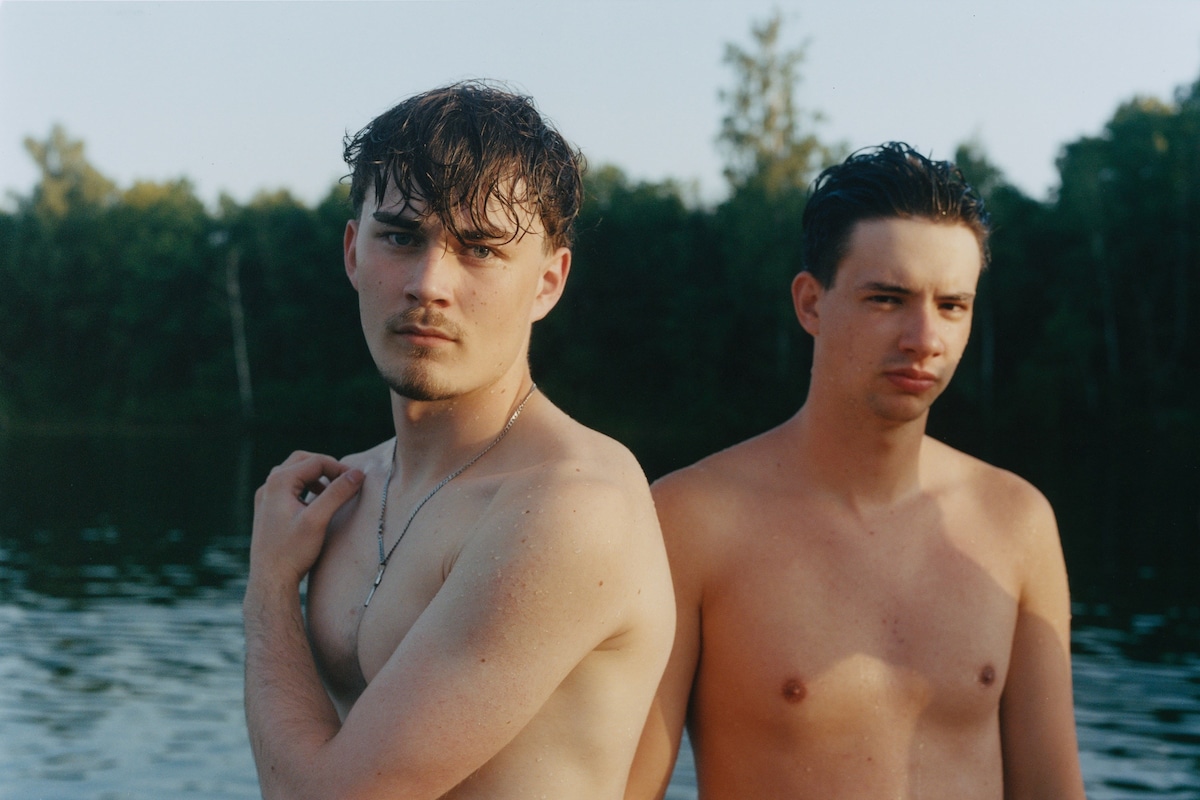
The project, titled "Of Streams and Lighthouses, and In Between," received a significant boost through a contemporary documentary photography grant. Such grants are typically awarded to projects that demonstrate artistic merit, originality, and a commitment to exploring pressing social or cultural themes through the photographic medium. This funding enabled Bihan and Svertilova to embark on their journey with the necessary resources, allowing for a focus on artistic execution rather than logistical constraints.
Their artistic influences for the project were cited as Justine Kurland and Jeff Wall, photographers renowned for their ability to craft "really well-composed" images that blur the lines between documentary and staged photography. Kurland is known for her romantic yet often stark portrayals of American youth and landscapes, while Wall pioneered the "cinematic tableau" approach, creating meticulously staged, large-scale photographs that often resemble film stills, yet convey a powerful sense of documentary truth. This approach informed Bihan and Svertilova’s methodology, allowing them to create evocative portraits that felt authentic to their subjects while maintaining a distinct artistic vision.
The Expedition Unfolds: A Chronology of Encounters
The journey commenced in June 2023, with Bihan and Svertilova setting out in a van from Donaueschingen in Germany, the traditional source of the Danube. Their itinerary was ambitious, traversing a significant portion of the river’s length. They visited numerous cities and towns, including Passau, Linz, Vienna, and Bratislava in the upper and middle reaches, before moving further east to Dalj, Novi Sad, Cetate, Tulcea, Izmail, and Sulina, ultimately reaching the Danube Delta in Romania, close to the Black Sea. The expedition concluded in August 2023, as the weather began to cool, signaling the end of the outdoor season for the young people they sought to photograph, and as their grant funds reached their limit.
While they had identified potential locations by pinning accessible places on a map, their overall approach was characterized by spontaneity. This organic method allowed for genuine discovery and adaptation to the unforeseen realities of travel and interaction across diverse cultures. Initial attempts to use Instagram hashtags for street casting proved largely unfruitful, highlighting the limitations of digital tools for authentic, on-the-ground engagement. Svertilova reflected on this, stating their approach as "foreigners." "We didn’t speak the language of the country and didn’t do a lot of research," she noted, acknowledging the challenge. However, she quickly learned that even extensive pre-research often falls short of the dynamic and unpredictable reality encountered in a new place—"every time, it’s different."
Encounters Along the Riverbanks: Human Stories Through the Lens
Until this project, Svertilova’s documentary practice typically involved working with familiar subjects: friends, friends of friends, or individuals explicitly contacted through Instagram, in addition to her commissioned work for esteemed publications like Libération. The Danube expedition marked her first foray into systematic street casting, a methodology that initially presented challenges. Early attempts to leverage her existing network to find subjects proved less effective than anticipated. However, through persistent effort and an evolving strategy, the duo developed a successful method for engaging with strangers.
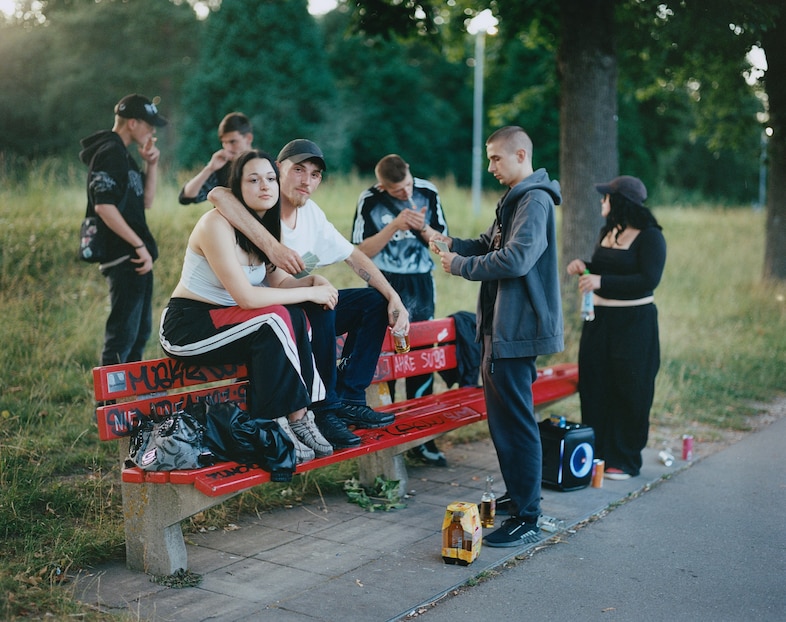
Their primary focus was on young people congregating near the river, a natural social hub in many European cities during the warmer months. There were no rigid criteria beyond youth and an observable "good energy." They selected individuals to approach based on their behavior, attire, and the overall impression they conveyed. Often, the curiosity was mutual. Bihan and Svertilova, with their distinctive analogue cameras and tripods, stood out. These traditional photographic tools, rather than creating a barrier, frequently served as conversation starters, piquing the interest of their potential subjects.
The nature of their subjects and the dwindling natural light often necessitated a fast-paced working style. They typically scouted and photographed from late afternoon into the evening, coinciding with the times teenagers and young adults would gather by the river. A common interaction involved subjects asking to "see" the images, not fully grasping that analogue photography does not yield instant digital previews. This highlights a generational gap in understanding photographic processes. To manage the low-light conditions, the photographers frequently employed long exposure times, a technique that imbues their images with a distinct atmospheric quality. Throughout their journey, they developed contact sheets to review their work, a crucial step in the analogue workflow. The final selection and printing process were completed back in Paris, transforming their ephemeral encounters into tangible art.
A Tapestry of European Realities: Observations and Impressions
The journey provided a rich tapestry of experiences, painting a nuanced portrait of contemporary Europe. In Bratislava, Slovakia, the duo found an unexpectedly "generous" environment, characterized by a large English-speaking population and a vibrant community of young artists. This facilitated easier communication and a more open reception to their project.
As they moved eastward, the narrative shifted. In Vukovar, Croatia, the scars of the Yugoslav Wars were still visibly etched onto the urban landscape, with bullet traces marring the facades of buildings. This stark reminder of past conflicts underscored the fragile peace that defines parts of the Balkans. In Serbia, they encountered student protests and unrest on university campuses, reflecting broader societal frustrations related to economic conditions, political governance, or social justice issues prevalent in the region.
Throughout their travels, Bihan and Svertilova observed a recurring theme of disadvantage. Many individuals they met came from challenging socio-economic backgrounds, often experiencing the brunt of unspoken—and sometimes openly expressed—hierarchies between nations and communities within Europe. This manifested in various forms, from limited opportunities to subtle forms of discrimination. In Ulm, a city in southwestern Germany, their encounters included young individuals involved in illicit activities, such as cannabis dealing, who had already faced legal troubles. These interactions, far from the romanticized image of youth, highlighted the complex social issues underlying the veneer of modern European life.
Echoes of Conflict: The Shadow of War
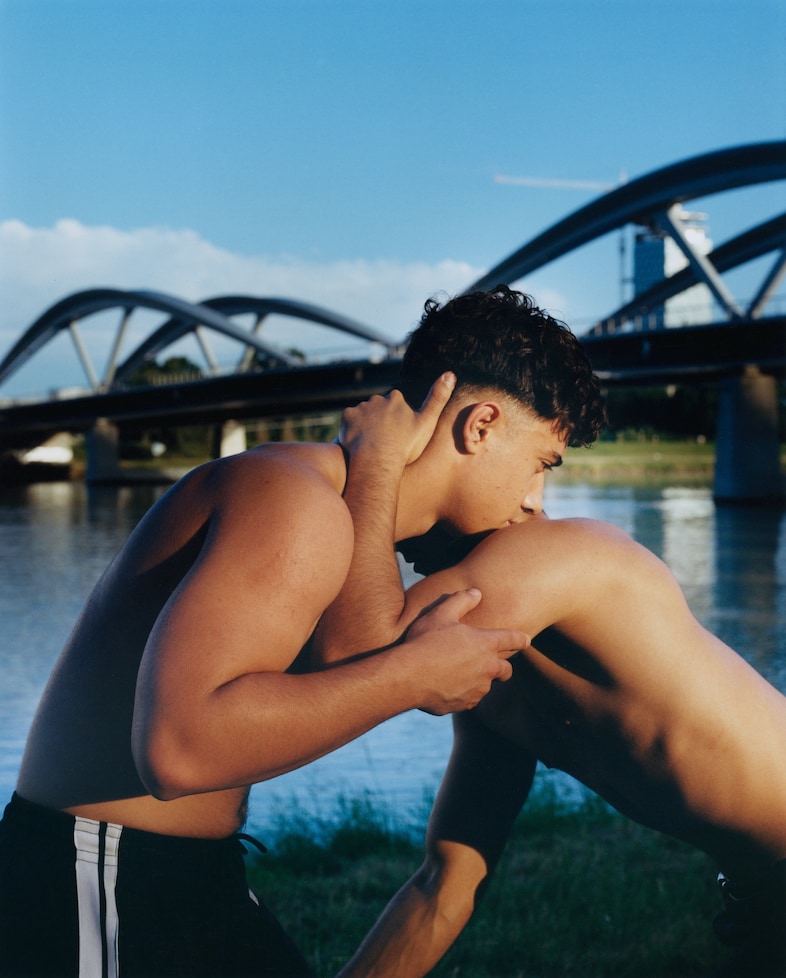
The pervasive influence of the war in Ukraine was a constant, albeit sometimes latent, presence throughout their expedition. Svertilova described the collective mood captured in their images as reflecting "tension, violence, intimacy." As they ventured closer to Ukraine, the war, initially a distant concern for some, became a palpable "storm on the horizon." People they encountered expressed increasing discomfort and fear, a tangible shift in sentiment reflecting the proximity to an active conflict zone and the broader anxieties it generated across the continent. This growing unease underscored the project’s foundational premise: the inescapable interconnectedness of European nations and the shared vulnerability in the face of widespread instability.
Beyond the Lens: Future Vision and Legacy
Although the photographic expedition along the Danube has concluded, Guillaume Bihan envisions a broader, enduring legacy for the project. He intends to invite local photographers from the various countries along the Danube to collaborate, fostering a network of artists dedicated to similar explorations. His ultimate goal is to establish a "think tank" focused on understanding the contemporary state of Europe through the lens of art and documentary practice.
Bihan articulates a profound conviction regarding Europe’s current juncture: "The continent is in a critical state." He emphasizes the critical importance of artistic and collaborative projects that actively "fight against fascism with the idea of community." This statement reflects a growing concern among many intellectuals and artists about the rise of extremist ideologies and nationalism across Europe. By promoting community and understanding through shared artistic endeavors, Bihan and Svertilova’s project seeks to contribute to a more resilient and unified European identity, one that acknowledges its complexities and challenges while fostering empathy and dialogue.
Their journey along the Danube, therefore, transcends a mere photographic series. It stands as a testament to the power of art to illuminate societal truths, to bridge divides, and to foster a deeper understanding of the human condition in a continent continually navigating its multifaceted past and uncertain future. By giving voice to the diverse youth encountered along the river, Bihan and Svertilova have not only created a compelling body of work but have also initiated a vital conversation about empathy, community, and the future trajectory of Europe.