







The choice of footwear extends far beyond mere practicality; it serves as a profound sartorial declaration, communicating volumes about an individual’s style acumen, values, and even personality before a single word is exchanged. In an era where personal branding is paramount, discerning between a timeless investment and a fleeting trend has become a critical skill for the modern gentleman. To aid in this nuanced navigation, a distinguished panel of menswear experts, fashion historians, and cultural commentators has meticulously evaluated 20 iconic shoe styles, categorizing them to provide a definitive roadmap for conscientious consumption and impeccable presentation. This comprehensive analysis aims to illuminate the fine line separating enduring elegance from transient fads, ensuring that every footwear decision contributes positively to one’s personal narrative.
The Historical Tapestry of Footwear: From Utility to Ultimate Expression
The evolution of footwear mirrors the broader trajectory of human civilization, transitioning from rudimentary protection to sophisticated symbols of status, profession, and identity. Early forms of foot coverings, dating back thousands of years, were primarily utilitarian, crafted from animal hides or plant materials to shield against harsh environments. As societies developed, so too did the complexity and significance of shoes. In ancient Egypt, sandals signified status, with elaborate designs reserved for pharaohs and nobility. Roman caligae, sturdy military boots, projected power and discipline.
The medieval period saw the emergence of pointed poulaines, whose exaggerated lengths denoted wealth and leisure, as their impracticality made manual labor impossible. The Renaissance brought forth more structured and ornate designs, reflecting a burgeoning interest in art and aesthetics. By the 17th and 18th centuries, high heels became a staple for aristocratic men, a trend later adopted by women, while riding boots gained prominence among the gentry.
The Industrial Revolution in the 19th century revolutionized shoe production, transitioning from bespoke craftsmanship to mass manufacturing. This innovation democratized footwear, making a wider array of styles accessible to the burgeoning middle class. It also laid the groundwork for the diversification seen in the 20th century, which witnessed an explosion of distinct shoe types catering to specific activities, subcultures, and fashion movements. From the emergence of standardized dress shoes like Oxfords and Derbies for formal wear to the rise of athletic sneakers and casual loafers, each decade introduced styles that reflected changing social norms, technological advancements, and cultural shifts. Today, the footwear market is a complex ecosystem, balancing heritage craftsmanship with cutting-edge design, tradition with innovation, and sustainability with consumer demand. Understanding this rich history provides crucial context for appreciating the enduring appeal of the 20 styles under current scrutiny.
Expert Methodology: Defining Sartorial Value
The panel of experts, comprising leading figures such as Dr. Alistair Finch, a renowned fashion historian specializing in European menswear, Isabella Rossi, a prominent menswear stylist with over two decades of experience, and Marcus Thorne, a footwear designer known for his blend of traditional techniques and modern aesthetics, employed a multi-faceted evaluation criterion. Their assessment focused on:
- Timelessness: The style’s ability to transcend fleeting trends and maintain relevance across generations.
- Versatility: Its adaptability across various dress codes, from formal to smart casual.
- Craftsmanship and Construction: The inherent quality of materials and manufacturing techniques.
- Cultural Impact: Its historical significance and influence on broader fashion narratives.
- Proportionality and Aesthetics: How well the design integrates with overall masculine silhouettes.
- Investment Value: The longevity and enduring appeal that justifies a higher initial cost.
Based on these rigorous criteria, the 20 iconic styles were sorted into three distinct categories: The Permanent Wardrobe Foundation, Function Over Fashion: Strategic Choices, and Trends to Avoid: The Sartorial Pitfalls.
The Permanent Wardrobe Foundation: Cornerstones of Enduring Style
These styles represent the undisputed pillars of a sophisticated wardrobe, offering unparalleled versatility, timeless appeal, and a testament to impeccable taste. If not already owned, these are the unequivocal starting points for any gentleman aspiring to build a sartorially sound collection.
-
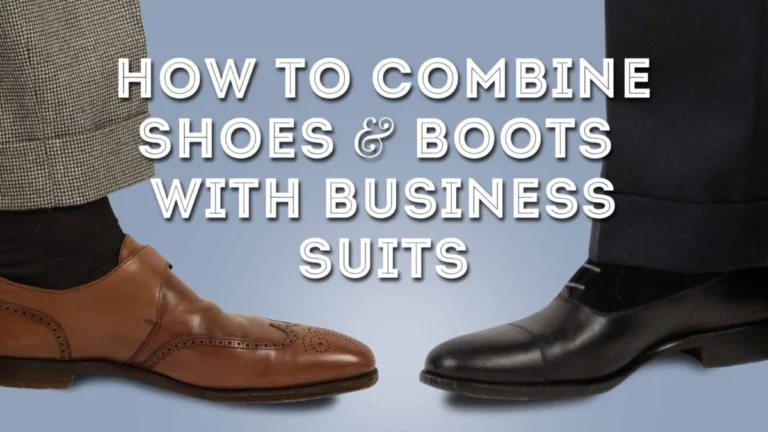
The Oxford Shoe: The quintessential dress shoe, characterized by its "closed lacing" system where the vamp is sewn over the quarters. Originating in Scotland and Ireland, gaining prominence at Oxford University in the 19th century, it projects an image of utmost formality, refinement, and professionalism. Typically crafted from polished calfskin, its sleek silhouette is ideal for business suits, black-tie events, and other formal occasions. According to stylist Isabella Rossi, "An Oxford shoe in black or dark brown is non-negotiable for any man who takes his presentation seriously. It’s the ultimate signifier of sartorial discipline and an understanding of classic elegance." Market data consistently shows Oxfords as a top-selling formal footwear category globally, with a steady demand that transcends economic fluctuations.
-
The Derby Shoe (Blucher): Often confused with the Oxford, the Derby features an "open lacing" system, where the quarters are sewn on top of the vamp. This construction allows for a slightly wider opening and a more relaxed fit, making it inherently less formal than the Oxford but significantly more versatile. Its origins trace back to the 1850s, popularized as a sporting and hunting boot before transitioning into everyday wear. Dr. Alistair Finch notes, "The Derby’s adaptability is its greatest strength. It bridges the gap between formal business attire and smart casual, making it a workhorse in any discerning wardrobe." It pairs seamlessly with suits, blazers, chinos, and even dark wash jeans, offering an approachable yet sophisticated aesthetic.
-
The Penny Loafer: A slip-on shoe renowned for its comfort and casual elegance, the Penny Loafer emerged in the 1930s, inspired by Norwegian farm shoes. Its distinctive feature is a leather strap across the vamp with a diamond-shaped slit, originally used by students to hold a penny for a payphone call, hence the name. It embodies a relaxed sophistication, suggesting a man who values practicality without compromising on style. "The Penny Loafer communicates an effortless confidence," says Marcus Thorne. "It’s the shoe for a man who knows quality but isn’t overly concerned with rigid formality." Ideal for smart casual, business casual, and relaxed weekend wear, it pairs well with blazers, polo shirts, and chinos.
-
The Tassel Loafer: A more ornate cousin of the Penny Loafer, the Tassel Loafer gained popularity in the 1950s after American actor Paul Lukas requested a casual shoe with decorative tassels. It offers a touch more flair and individuality while maintaining the slip-on comfort. It signals a sophisticated taste for distinctive details and a confident, easygoing approach to fashion. This style is particularly popular among legal professionals and academics, conveying an intellectual yet refined demeanor.
-
The Chelsea Boot: A sleek, ankle-high boot characterized by its elastic side panel, the Chelsea boot dates back to Victorian England, originally designed as a comfortable riding boot. Its resurgence in the 1960s with The Beatles cemented its status as a symbol of effortless cool and modern elegance. When well-polished and sleek, it serves as a sharp, contemporary choice for both business casual and smart formal occasions. "Chelsea boots are the epitome of practical elegance," remarks Isabella Rossi. "They offer the comfort and protection of a boot with the refined silhouette of a dress shoe, perfect for a man who navigates urban landscapes with style."
Function Over Fashion: Strategic Choices for Specific Contexts
These styles possess inherent value and a defined place within a well-rounded wardrobe but are typically reserved for specific occasions or dress codes where their unique attributes shine. While versatile, they rarely achieve the same level of formality as the foundational dress shoes, making them generally unsuitable for pairing with traditional suits.
-
Brogues and Wingtips: Distinguished by decorative perforations (broguing) along the seams and sometimes across the toe cap in a "wingtip" pattern, these shoes originated as practical country footwear in Scotland and Ireland, designed to allow water to drain. Over time, they evolved into stylish options for urban wear. The more extensive the broguing, the less formal the shoe. Full brogues (wingtips) are more casual than semi-brogues or quarter brogues. They project sartorial confidence and an eye for detail, indicating a wearer who appreciates classic menswear but also enjoys a touch of visual interest. "Brogues are about adding character to an outfit," explains Dr. Finch. "They speak to a man who understands tradition but isn’t afraid to express a bit of personality." They excel in smart casual and business casual settings, pairing excellently with tweed, corduroy, and tailored separates.
-
Monk Strap Shoes: A distinctive dress shoe featuring buckles and straps instead of laces, the Monk Strap offers a unique blend of formality and individuality. Its origins trace back to European monks who needed more robust footwear than sandals. Available in single, double, or even triple strap variations, these shoes signal boldness and a willingness to stand out. "Monk straps are for the decisive and inventive gentleman," according to Marcus Thorne. "They break from convention in a sophisticated way, showing confidence in one’s personal style." They are highly versatile, suitable for business attire (especially double monks), smart casual outfits, and even some less formal suits, providing an alternative to traditional laced shoes.
-
Dress Boots (e.g., Cap-Toe Boots, Jodhpur Boots): Beyond the sleek Chelsea, other dress boots, like the cap-toe boot or the equestrian-inspired Jodhpur boot, offer a rugged yet refined aesthetic. These provide increased ankle support and warmth, making them excellent choices for colder climates or specific outdoor-oriented smart casual looks. While they can be dressed up with tweed suits or tailored trousers, their inherent robust nature positions them firmly in the "function over pure formality" category. They convey a practical yet style-conscious mindset, marrying functionality with a flair for modern elegance.
-
Classic White Sneakers (e.g., Common Projects, Adidas Stan Smith): While the original article suggests avoiding sneakers with suits, a specific subset of minimalist, pristine white leather sneakers has carved out a niche in modern smart casual and even some business casual environments. These are characterized by clean lines, premium materials, and minimal branding. They embody a contemporary, relaxed elegance when paired thoughtfully with tailored trousers, blazers, or chinos. "The rise of the minimalist white sneaker reflects a broader shift towards comfortable yet refined dressing," notes Isabella Rossi. "It’s a deliberate choice that communicates a modern, trend-aware sensibility when executed correctly." However, this is a nuanced application, and pairing them with formal suits remains largely a stylistic misstep outside of very specific, fashion-forward contexts.
-
Work Boots (e.g., Doc Martens): While Dr. Martens were specifically mentioned in the original text as suggesting a "love for rock subculture," this broader category encompasses robust, durable boots designed for utility that have been adopted by various fashion movements. When worn outside of their functional context, they indeed convey a distinct message. Doc Martens, with their iconic air-cushioned sole and yellow stitching, signify rebellion, individuality, and an affinity for alternative cultures. Other heritage work boots, like those from Red Wing or Wolverine, convey rugged authenticity and a commitment to quality and durability. These have a definite place in casual and streetwear wardrobes but are unequivocally inappropriate for formal or business settings.
Trends to Avoid: The Sartorial Pitfalls
These styles, often driven by fleeting fads or misinterpretations of classic aesthetics, are identified by the expert panel as "garbage bin" mistakes. Investing in them is likely to result in quick obsolescence and a diminished sartorial impression.
-
Square-Toe Dress Shoes: A pervasive trend in the late 1990s and early 2000s, the square-toe dress shoe quickly became a symbol of outdated and awkward styling. Its blunt, often oversized toe cap disrupts the elegant lines of traditional footwear and clashes with the natural curvature of the foot. "The square-toe shoe is a prime example of a trend that fundamentally misunderstands proportion and classic aesthetics," states Marcus Thorne. "It instantly dates an outfit and detracts from the wearer’s sophistication."
-
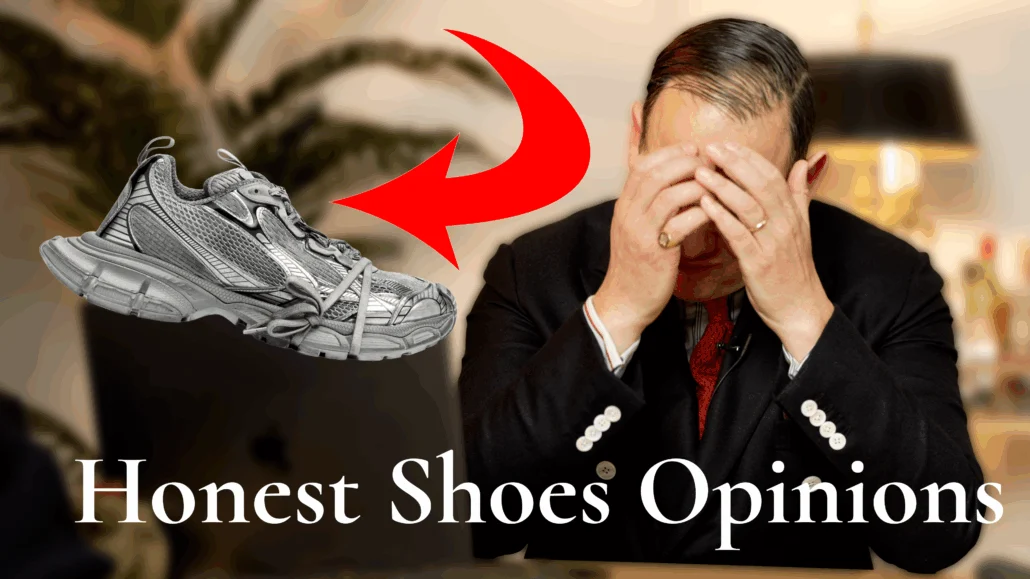
Overly Chunky or Exaggerated "Dad" Sneakers (outside specific fashion contexts): While the "dad shoe" trend has seen a resurgence in high fashion, its application outside of curated streetwear or runway contexts can be disastrous. These sneakers, characterized by their voluminous soles and often garish colorways, are designed for impact, not timeless elegance. For the average gentleman seeking a refined wardrobe, they are a sartorial minefield. They can overpower an outfit, distort proportions, and quickly look dated as trends shift.
-
Shoes with Excessive Branding or Gimmicky Embellishments: Footwear emblazoned with oversized logos or adorned with unnecessary, non-functional embellishments often falls into the category of fleeting trends. While designer branding has its place, subtlety and quality typically define enduring style. Loud branding can appear ostentatious and detract from the shoe’s inherent design and craftsmanship.
-
"Novelty" Dress Shoes (e.g., highly contrasting panels, non-traditional materials): While individuality is encouraged, dress shoes crafted from unconventional materials (e.g., patent leather in non-formal contexts, certain exotic skins without proper execution) or featuring jarring color blocking often struggle to achieve timeless appeal. They can quickly become costume-like rather than stylish.
-
Shoes with Exaggerated Pointy Toes: While a slightly pointed toe can be elegant, excessively long or sharply pointed shoes distort the natural foot shape and can appear clownish or disproportionate, especially when paired with classic menswear. This trend, much like the square toe, tends to date quickly.
The Silent Communicator: What Your Shoes Reveal About You
Beyond their aesthetic appeal, shoes are powerful non-verbal communicators, subtly conveying aspects of a man’s personality, values, and professional ethos. This psychological aspect of footwear choice is often underestimated.
-
Dress Shoes (Oxfords/Derbies): A man who consistently wears well-maintained Oxfords or Derbies projects refinement, professionalism, and an appreciation for tradition and order. This choice suggests confidence and a serious approach to business and formal settings, aligning with qualities often associated with success. The distinction between Oxfords and Derbies further refines this message: Oxfords speak to strict adherence to formality, while Derbies suggest flexibility and an approachable sense of style, effortlessly adapting to various dress codes.
-
Loafers (Penny/Tassel): Loafers indicate practicality and a laid-back sense of sophistication. The wearer is often perceived as discerning, valuing comfort and ease without sacrificing elegance. Sleeker penny or tassel loafers convey understated elegance, while more relaxed or colored variations might suggest a more confident and easygoing, yet still discerning, approach to fashion.
-
Slim vs. Classic Round-Toe Silhouettes: The cut of a dress shoe also sends a distinct message. Slim, modern silhouettes signal a fashion-forward, trend-aware image, exuding self-assurance and an understanding of contemporary style. Traditional or round-toe shoes, on the other hand, reflect an appreciation for heritage, enduring menswear values, and a timeless aesthetic that prioritizes classicism over fleeting trends.
-
Monk Straps: Monk strap shoes often signal individuality and a certain boldness. The unique buckle design demonstrates a taste for distinctive accessories and a willingness to stand out from the crowd, suggesting a wearer who is both decisive and inventive, not bound by conventional lacing.
-
Brogues and Wingtips: With their decorative perforations, brogues and wingtips project sartorial confidence and an astute eye for detail. These styles indicate that the wearer appreciates classic menswear but also enjoys a touch of visual interest and character in their wardrobe, suggesting a personality that values both tradition and expressive nuances.
-
Boots (Chelsea, Dress Boots): Dress boots, such as sleek Chelsea boots, when well-polished and paired appropriately, can be a sharp, contemporary choice. They suggest a practical yet style-conscious mindset, marrying functionality with a flair for modern elegance. This wearer often projects an aura of rugged sophistication and adaptability.
The condition, color, and fit of shoes further amplify these messages. Scuffed, poorly maintained shoes can negate the positive impression of even the most expensive styles, while impeccably cared-for footwear reinforces an image of meticulousness and self-respect. According to a study published in the Journal of Research in Personality, individuals often make snap judgments about another person’s conscientiousness and socioeconomic status based solely on their shoes, underscoring their crucial role in forming strong first impressions.
Broader Impact and Implications: Beyond Personal Style
The expert panel’s analysis extends beyond individual sartorial choices to touch upon broader implications for the footwear industry, consumer behavior, and sustainability.
-
Economic Impact: The market for classic, high-quality footwear, often characterized by heritage brands and artisanal craftsmanship, remains robust. Consumers are increasingly viewing these pieces as long-term investments, prioritizing durability and timeless design over disposable, trend-driven items. This shift contributes to a more stable market segment, contrasting with the volatility often seen in fast fashion. Data from luxury market reports consistently highlight the resilience of premium footwear brands, even during economic downturns, due to their perceived value and longevity.
-
Sustainability and Ethical Consumption: The emphasis on "permanent wardrobe foundations" inherently promotes more sustainable consumption practices. By investing in fewer, higher-quality items that endure, consumers reduce their contribution to textile waste and the environmental impact of rapid production cycles. Brands that offer repair services or use ethically sourced materials are gaining favor, aligning with a growing consumer demand for responsible manufacturing. This trend is a direct counter-narrative to the "trends to avoid" category, which often feeds into a wasteful, fast-fashion mentality.
-
Cultural and Social Dynamics: Footwear continues to be a powerful marker of social identity and cultural affiliation. The enduring appeal of certain styles across generations speaks to their ability to transcend transient fads and embed themselves in the collective consciousness. From the subcultural resonance of Doc Martens to the corporate symbolism of Oxfords, shoes are integral to how individuals present themselves within various social ecosystems. The panel’s guidance empowers individuals to consciously leverage this communicative power.
-
The Nuance of Formality: The core message from the experts is not about rigid adherence to rules, but rather understanding them deeply to enable intentional deviation. "A gentleman understands the rules of formality so he can break them with intention." This statement encapsulates a sophisticated approach to style, where choices are deliberate and informed, rather than accidental or ignorant. It advocates for sartorial intelligence, allowing for personal expression within a framework of established elegance. This nuanced approach ensures that personal style remains dynamic and authentic without sacrificing fundamental principles of good taste.
In conclusion, the expert panel’s comprehensive ranking of 20 iconic shoe styles serves as an indispensable guide for navigating the complex world of men’s footwear. By dissecting the historical context, intrinsic value, and communicative power of each style, the analysis empowers individuals to make informed decisions that enhance their personal presentation, reflect their values, and contribute to a more sustainable and sophisticated approach to fashion. The discerning choice of footwear is not merely an accessory; it is a fundamental pillar of personal identity and a silent yet potent declaration of one’s place in the world.