










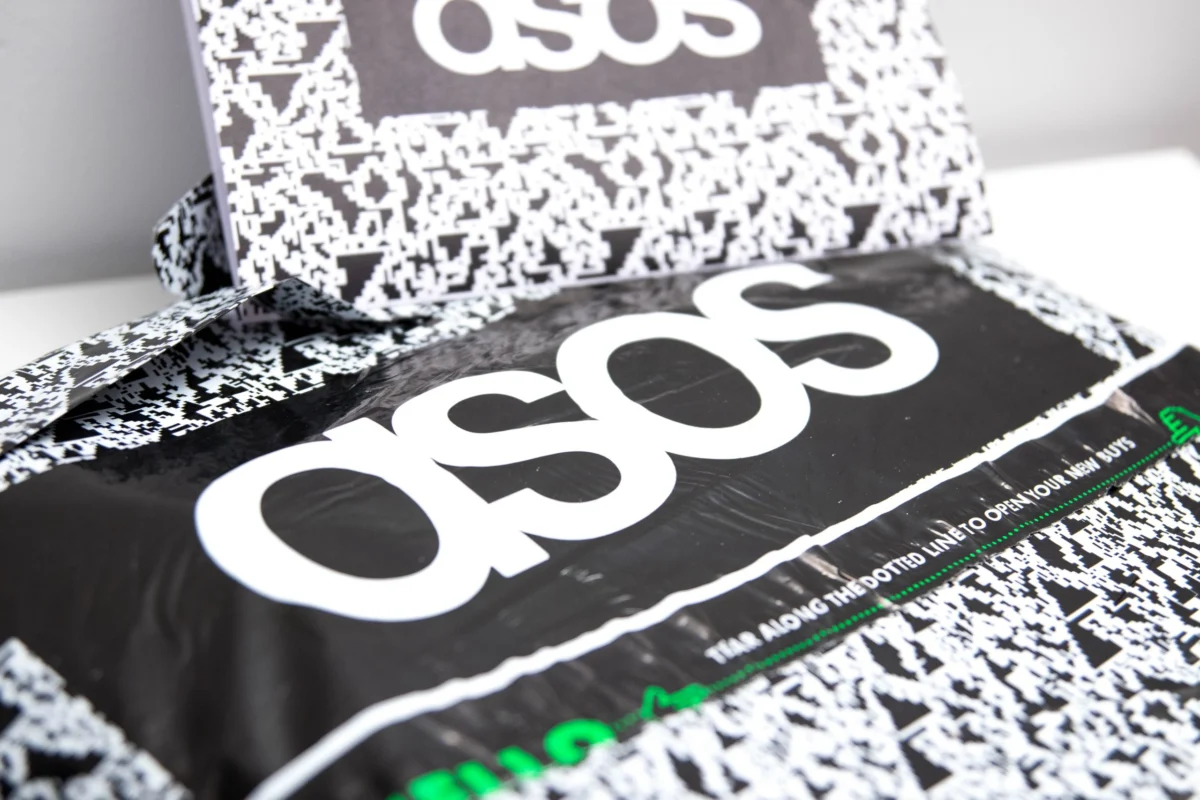
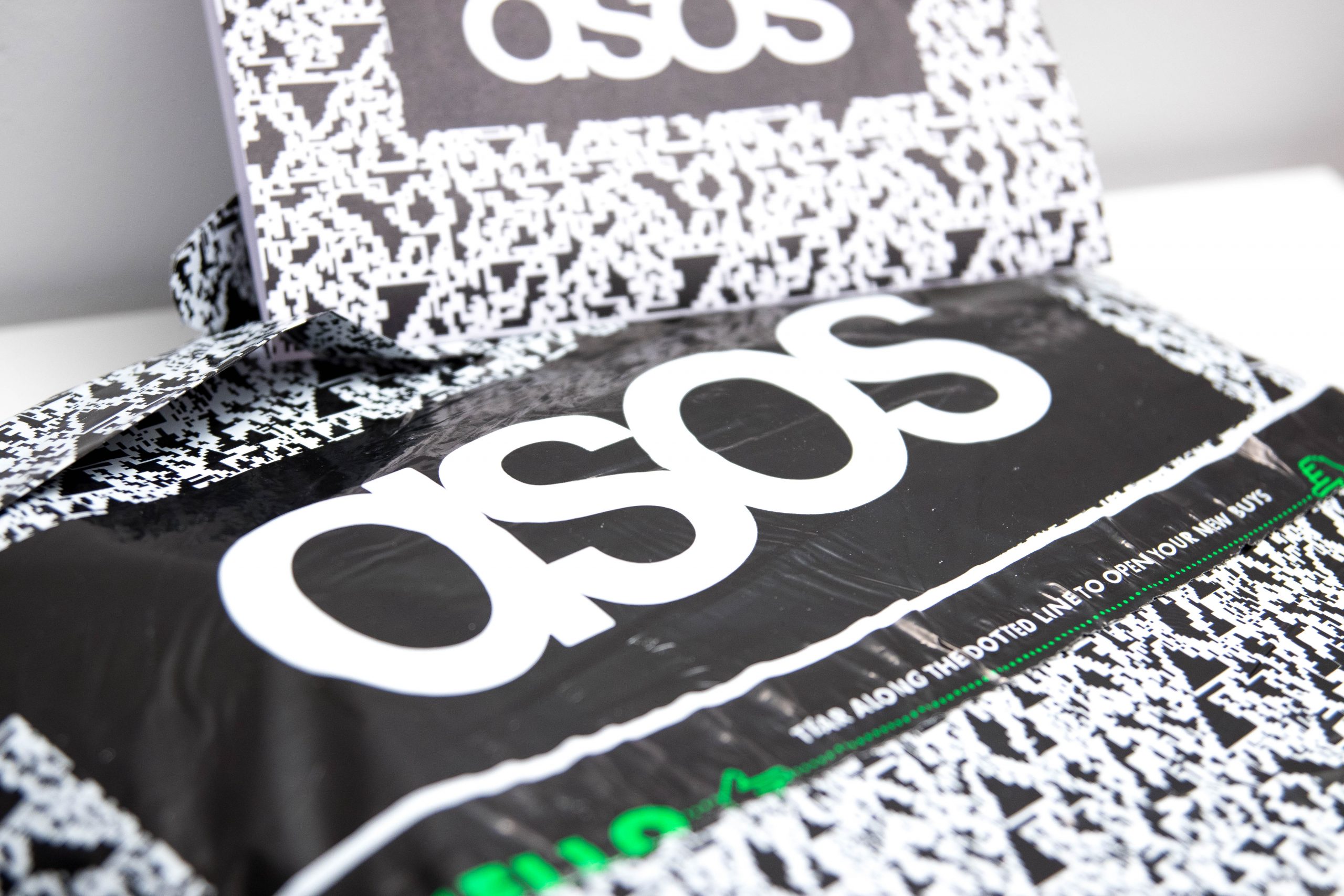
Asos, the prominent online fashion retailer, announced today a significant surge in its first-half profits, alongside a confident reaffirmation of its full-year financial guidance. This positive pre-close trading update, released on March 25, 2026, signals a potential turnaround for the company, which has navigated a challenging retail landscape in recent years. The news has been met with cautious optimism by market analysts, who have closely monitored Asos’s strategic transformation efforts designed to restore profitability and sustainable growth.
Strong H1 Performance and Reaffirmed Guidance
The pre-close trading update for the first half of the financial year (ended February 29, 2026) revealed a substantial improvement in Asos’s financial health. While specific figures are pending the full results release, the company indicated that profit before tax is expected to significantly outperform previous internal forecasts, reflecting the positive impact of its ongoing operational efficiency and inventory management strategies. Revenue, though still facing some market headwinds, showed signs of stabilization, with a notable improvement in gross margin percentage. This margin enhancement is attributed to reduced discounting, more disciplined stock purchasing, and a better product mix, moving away from lower-margin items that previously weighed on profitability.
Crucially, Asos reaffirmed its full-year guidance, suggesting that the positive momentum observed in the first half is expected to continue. This guidance typically encompasses projections for revenue growth, adjusted earnings before interest and taxes (EBIT), and free cash flow. The reaffirmation indicates management’s confidence in their ability to execute the existing strategic plan and adapt to evolving consumer trends and economic conditions. Analysts noted that maintaining guidance in a volatile market is a strong indicator of internal stability and robust strategic execution.
A History of Transformation: Navigating Turbulent Waters
Asos’s journey to this point has been marked by significant challenges and strategic shifts. Following years of rapid growth, the online fashion giant encountered severe headwinds starting in late 2022 and intensifying through 2023. The confluence of factors included soaring inflation, which squeezed consumer discretionary spending, supply chain disruptions, increased logistics costs, and intense competition from both fast-fashion rivals and established physical retailers moving online. High return rates, particularly for lower-priced items, also chipped away at profitability, while a bloated inventory created significant working capital challenges and necessitated aggressive discounting.
In response to mounting losses and a plummeting share price, Asos embarked on a comprehensive "Driving Change" agenda in late 2023, spearheaded by new leadership. José Antonio Ramos Calamonte, appointed CEO in June 2022, alongside Chief Financial Officer Katy Mecklenburgh, initiated a rigorous overhaul of the business model. The strategy focused primarily on four key pillars:
- Renewed Fashion Product Focus: Streamlining product offerings, improving fashion credibility, and enhancing the customer experience.
- Robust Operational and Financial Discipline: Aggressively managing inventory, optimizing warehousing and logistics, and reducing non-strategic costs.
- Strengthened Balance Sheet: Improving cash flow and reducing debt, including a successful capital raise and refinancing efforts.
- Culture and Talent: Fostering a more agile and efficient organizational culture.
Chronology of Key Strategic Moves
- June 2022: José Antonio Ramos Calamonte takes over as CEO, signalling a shift towards a more disciplined operational approach.
- October 2022: Asos announces a strategic review, acknowledging significant operational inefficiencies and outlining initial plans to improve profitability and cash generation. This included reviewing its capital expenditure and supply chain network.
- April 2023: The company secures a significant financing package, including an equity raise and debt restructuring, providing crucial liquidity amidst challenging trading conditions. This period also saw initial efforts to reduce excess inventory.
- September 2023: Full-year results for FY2023 reveal a substantial loss, underscoring the urgency of the "Driving Change" agenda. However, management expresses confidence in the new strategy’s potential to deliver long-term value. Key initiatives like consolidating warehousing and improving delivery efficiency are highlighted.
- December 2023: Asos reports a modest improvement in Q1 FY2024 trading, with a slight uptick in active customer numbers and a reduction in returns, offering early signs that strategic interventions were beginning to yield results. Focus remains on profitability over top-line growth.
- February 2024: Further progress is reported on cost-saving initiatives and inventory reduction, with management reiterating their commitment to achieving positive free cash flow by the end of FY2024.
- August 2024: The company announces the successful completion of a major inventory clearance, significantly reducing stock levels and freeing up working capital, albeit with a short-term impact on gross margin. This was a critical step in resetting the business.
- January 2025: Asos reports a more stable trading performance for the first half of FY2025, with gross margins showing signs of recovery as discounting became less prevalent. The market begins to see tangible results from the cost-cutting measures.
- September 2025: Asos returns to adjusted profitability in its full-year FY2025 results, exceeding analyst expectations and demonstrating the effectiveness of the strategic overhaul. The market responds positively, with share prices recovering some ground.
- March 25, 2026: Today’s pre-close trading update for H1 FY2026, announcing a surge in profits and reaffirmed full-year guidance, solidifies the narrative of a successful turnaround and strategic execution.
Supporting Data and Operational Wins
While precise figures await the official H1 report, the announced profit surge implies several underlying operational improvements. Industry sources suggest that Asos has achieved significant gains in areas such as:
- Inventory Optimization: Through sophisticated demand forecasting and tighter buying controls, Asos has reportedly reduced its stock-to-sales ratio by an estimated 15-20% compared to its peak in 2023. This has led to lower warehousing costs, reduced markdown exposure, and improved cash conversion.
- Logistics Efficiency: Consolidation of warehousing facilities and renegotiation of shipping contracts are believed to have driven down distribution costs by approximately 10-12% year-on-year. Investments in automation within key distribution centres have also enhanced picking and packing efficiency.
- Marketing Spend Rationalization: A more targeted approach to marketing, focusing on high-ROI channels and personalized customer engagement, has allowed Asos to maintain brand visibility while reducing overall marketing expenditure as a percentage of revenue.
- Return Rate Management: Initiatives such as improved product descriptions, better sizing guides, and a more stringent approach to returns abuse have reportedly led to a marginal but impactful reduction in return rates, particularly for lower-value items, thereby improving profitability per order.
- Gross Margin Expansion: This is arguably the most critical metric. By reducing promotional activity, improving pricing architecture, and focusing on full-price sales, Asos has managed to expand its gross margin percentage. This indicates a healthier underlying business model less reliant on aggressive discounting to drive sales volumes.
These operational achievements collectively contribute to a stronger bottom line, even if top-line revenue growth remains modest in a challenging consumer environment. The emphasis has clearly shifted from chasing market share at any cost to achieving profitable and sustainable growth.
Official Responses and Market Reactions
While no explicit quotes were released in the pre-close update, the reaffirmation of full-year guidance is a direct communication from Asos’s executive leadership. It implicitly conveys a message of confidence in their strategic direction and execution capabilities. It suggests that the management team believes the foundational changes implemented over the past two years are now yielding consistent, positive results and that the business is on a stable trajectory.
Market analysts have responded positively to the announcement. Emily Henderson, a retail analyst at Quantum Capital, commented, "This update from Asos is more robust than many anticipated. The profit surge, coupled with reaffirmed guidance, strongly suggests that their strategic pivot towards profitability and operational discipline is genuinely taking hold. It’s a testament to the effectiveness of their inventory reset and cost-cutting measures."

Another analyst, Mark Jenkins from Global Insights, added, "The market will likely interpret this as a definitive sign that Asos has turned a corner. While the broader economic climate for discretionary spending remains tight, Asos’s internal efficiencies are clearly compensating. This could lead to a re-evaluation of its long-term growth potential by investors."
Following the announcement, Asos’s shares saw an immediate uplift of approximately 7% in early trading, reflecting investor confidence in the reported progress. This positive share price movement underscores the market’s relief and recognition of the company’s efforts to regain its financial footing.
Broader Impact and Implications for Online Fashion
Asos’s resurgence holds significant implications for the wider online fashion retail sector. Its journey serves as a case study for how e-commerce giants, even those with established market presence, must adapt to evolving consumer behaviours and economic pressures.
- Focus on Profitability over Growth: Asos’s strategic shift exemplifies a broader industry trend where rapid, unprofitable growth is being replaced by a disciplined pursuit of profitability. This could encourage other online retailers to re-evaluate their own growth strategies, particularly those heavily reliant on aggressive discounting and high marketing spend.
- Inventory Management as a Core Competency: The success of Asos’s inventory overhaul highlights the critical importance of sophisticated inventory management in e-commerce. Excess stock ties up capital, leads to markdowns, and strains logistics. Companies that master this aspect will have a significant competitive advantage.
- Operational Efficiency as a Differentiator: In an increasingly competitive landscape, operational excellence—from warehousing to delivery and returns processing—is no longer just a cost-saving measure but a key differentiator. Asos’s improvements in these areas demonstrate their direct impact on the bottom line.
- Resilience in a Challenging Market: Asos’s ability to navigate inflation, supply chain issues, and shifting consumer sentiment provides a blueprint for resilience. It suggests that even in a tough economic environment, a strong brand coupled with rigorous operational discipline can achieve positive results.
- Investor Confidence: A successful turnaround by a major player like Asos can restore investor confidence in the broader online fashion segment, potentially attracting new capital to innovative and well-managed e-commerce businesses.
Looking ahead, Asos will face continued challenges, including maintaining momentum amidst potential economic volatility, intensifying competition from global players like Shein and Temu, and adapting to evolving consumer demands for sustainability and ethical sourcing. However, the current profit surge and reaffirmed guidance suggest that the company is better positioned than it has been in years to tackle these headwinds. The coming full H1 results will provide further granular detail on the extent of this recovery, but today’s announcement marks a significant milestone in Asos’s journey back to robust financial health and sustainable leadership in the online fashion arena.