






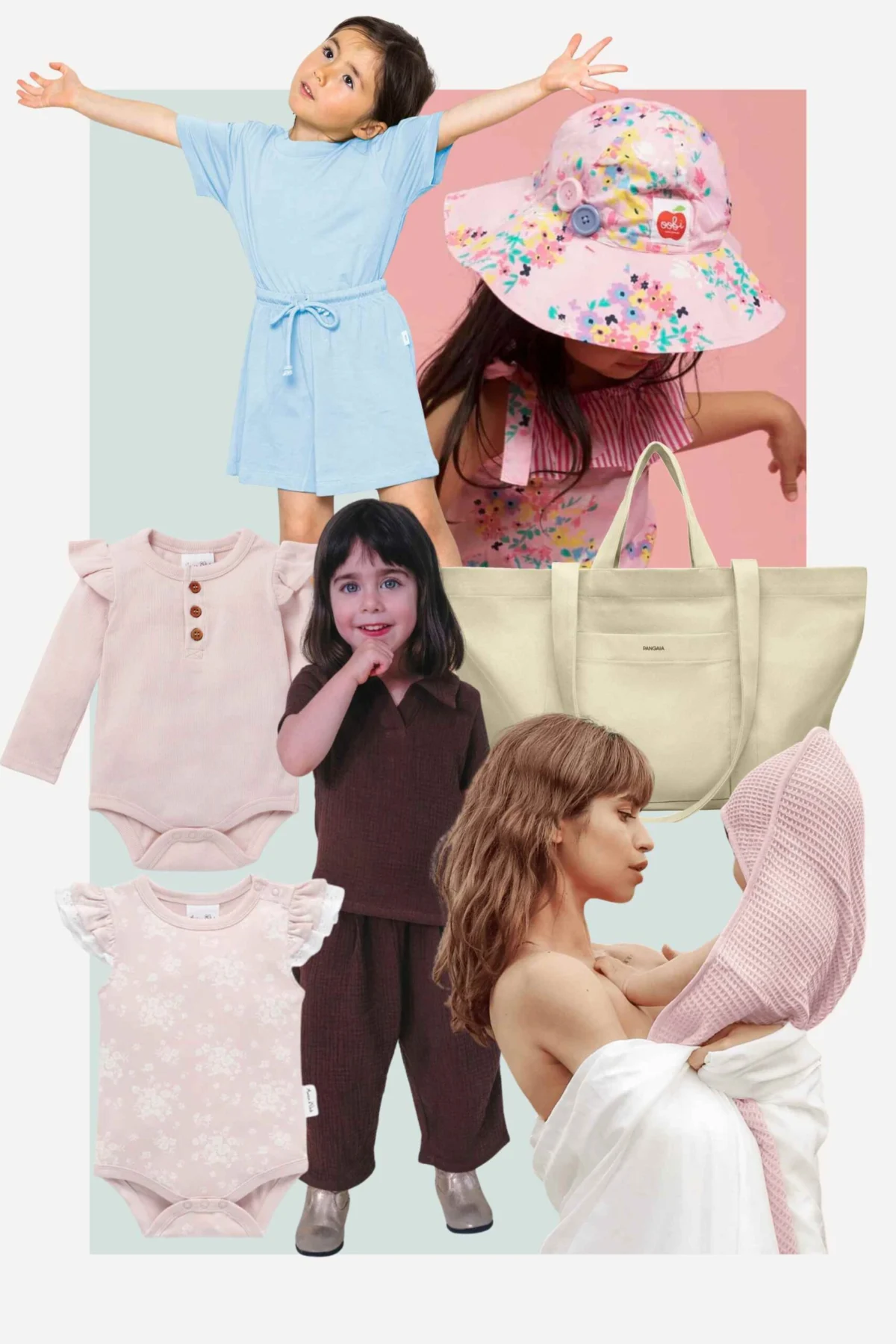
The global fashion industry, valued at trillions, is increasingly under scrutiny for its environmental and social impact. Within this vast market, children’s apparel represents a particularly dynamic segment, characterized by rapid growth cycles and high consumption rates. Amidst this backdrop, the demand for more responsible and sustainable options in kidswear is not merely a niche trend but a significant shift in consumer consciousness. Good On You, a leading independent ratings system for fashion and beauty brands, stands at the forefront of this movement, offering meticulously assessed recommendations for parents, carers, and gift-givers seeking to align their purchasing power with their values. This February, the organization has unveiled a curated selection of kidswear, handpicked by two of its staffers, providing practical, stylish, and ethically sound choices for infants, toddlers, and teens. These selections underscore a broader commitment to fostering a "buy less, buy better" philosophy, a critical approach in mitigating the environmental footprint of our clothing choices.
The Imperative for Sustainable Kidswear: Addressing Environmental and Ethical Challenges
Children’s clothing, by its very nature, presents unique sustainability challenges. Kids outgrow garments quickly, leading to a high turnover rate and a substantial volume of textile waste. Moreover, the production of conventional children’s clothing often involves processes that use harmful chemicals, pesticides, and excessive water, posing risks to both the environment and the health of sensitive young skin. Polyester, a common material in kidswear due to its durability and low cost, is a petroleum-derived plastic that contributes to microplastic pollution with every wash. Cotton, while natural, can be highly water-intensive and often relies on pesticides unless organically grown. The ethical dimension is equally critical, with supply chains in fast fashion often linked to exploitative labor practices, including child labor and unsafe working conditions, which stand in stark contrast to the very essence of nurturing children.
Recognizing these profound issues, the movement towards sustainable kidswear emphasizes materials like organic cotton, hemp, recycled fabrics, and innovative plant-based textiles. It also prioritizes durable construction to extend garment life, promotes fair labor practices throughout the supply chain, and advocates for transparency from brands regarding their environmental and social impact. The market for sustainable children’s apparel has seen consistent growth, fueled by increased parental awareness regarding health, environmental concerns, and ethical considerations. Reports indicate a growing segment of consumers willing to invest in higher-quality, ethically produced items, often viewing these purchases as an investment in their children’s future and the planet.
Good On You’s Rigorous Evaluation Framework: A Beacon of Trust and Transparency
At the core of Good On You’s influence is its comprehensive and transparent rating methodology, a system developed by diverse experts to assess the sustainability performance of fashion and beauty brands. This independent assessment is crucial in an industry often plagued by greenwashing and vague sustainability claims. Good On You evaluates brands across three key pillars: Planet, People, and Animals.
Under the "Planet" pillar, assessments consider a brand’s policies and actions related to resource use (water, energy, waste), greenhouse gas emissions, hazardous chemicals, and sustainable materials. Brands that utilize certified organic cotton, recycled polyester, or innovative low-impact fabrics, and demonstrate robust waste reduction strategies, typically receive higher scores. The "People" pillar examines labor practices, including fair wages, safe working conditions, transparency in the supply chain, and efforts to empower workers. This involves scrutinizing certifications like Fair Trade and assessing a brand’s commitment to eliminating forced labor and child labor. Finally, the "Animals" pillar evaluates a brand’s animal welfare policies, including the use of animal-derived materials, traceability, and adherence to humane standards, with a preference for vegan alternatives or responsibly sourced materials where animal products are used.
Brands are assigned a rating on a simple five-point scale, ranging from "We Avoid" to "Great." Good On You proudly collaborates exclusively with "Good" and "Great" rated brands, ensuring that every recommendation meets a high standard of ethical and environmental responsibility. This rigorous vetting process empowers consumers to make truly informed choices, cutting through the noise of marketing claims to identify brands genuinely committed to sustainability. The editorial team further refines these selections, ensuring that recommended products not only meet sustainability benchmarks but also excel in quality, longevity, and timeless appeal, reinforcing the "buy less, buy better" mantra. This approach helps consumers invest in pieces that endure, reducing the overall consumption cycle and its associated impact.
February’s Curated Selections: Expert Perspectives on Responsible Kidswear
This month’s selections feature insights from two Good On You staffers, offering a blend of personal experience and expert knowledge in navigating the sustainable kidswear market. Their choices reflect diverse needs, from practical daily wear for active toddlers to stylish options for discerning teens, all while adhering to the highest standards of sustainability.
Luis Rodriguez De Cespedes: Blending Practicality with Planet-Friendly Choices for Young Children
As a data product manager and a parent of a pre-kindergarten daughter in bustling Bangkok, Luis Rodriguez De Cespedes brings a unique perspective to sustainable kidswear. His daily routine underscores the need for practical, durable, and versatile clothing that can withstand the rigors of childhood while remaining conscious of environmental factors. His daughter’s burgeoning sense of style, even at a young age, highlights the importance of mix-and-match pieces that offer both aesthetic appeal and ease of wear.
Luis’s picks exemplify thoughtful consumption for the early years:
- Nico 5-Pack of Kids T-Shirts: Luis praises these for their plant-based dyes, which result in subtle color variations. This commitment to natural dyeing processes significantly reduces the use of harsh chemicals, benefiting both the environment by minimizing water pollution and the child’s health by avoiding skin irritants often found in synthetic dyes. The versatility of a multi-pack also supports a capsule wardrobe approach, maximizing utility and reducing the need for excessive purchases.
- Oobi Floral Ponytail Hat: A functional accessory, this hat is chosen for its ability to complement various outfits and its practicality for beach getaways. While specific sustainability details for this particular item are not elaborated in the original text, Oobi’s inclusion as a "Good" or "Great" brand by Good On You implies adherence to ethical sourcing and production, likely involving responsible materials or fair labor practices.
- POPLINEN Nico Toddler Trousers: These breathable chicory coffee-colored trousers are ideal for outdoor play in Thailand’s tropical heat. Made for active toddlers, their durability and ability to maintain a presentable appearance post-messy play speak to the "buy better" principle. Poplinen’s commitment to natural fibers and dyes often translates to reduced environmental impact and enhanced comfort for children.
- PANGAIA 365 Oversized Tote Bag: Beyond kidswear, Luis highlights the need for versatile, sustainable accessories for parents. PANGAIA, renowned for its material science and commitment to circularity, offers a tote that doubles as a co-working bag, snack carrier, and weekend travel essential. Their products often feature recycled, bio-based, or innovative low-impact materials, making this tote a prime example of sustainable functionality for the modern parent.
- Ettitude Baby Hooded Waffle Towel: For new parents, Luis recommends this cozy towel, emphasizing its OEKO-TEX certification. This global standard ensures textiles are free from harmful substances, providing peace of mind for delicate baby skin. Ettitude typically uses 100% organic bamboo lyocell, a sustainable fiber known for its softness, absorbency, and minimal environmental footprint during production.
- Aster + Oak Organic Cotton Onesies: Drawing on his own newborn experience, Luis underscores the practicality of onesies. Aster + Oak specializes in organic cotton, a material choice that avoids synthetic pesticides and fertilizers, reducing environmental pollution and offering a hypoallergenic option for infants. Their focus on organic essentials aligns perfectly with the foundational needs of new parents looking for safe and sustainable options.
Stephanie Haywood: From Cosy Rompers to Skater-Approved Styles – Sustainable Choices Across Age Groups
Stephanie Haywood, Good On You’s director of partnerships, approaches her selections with an eye towards varying age groups, from young nieces to a style-conscious teenage son. Her picks demonstrate that sustainable fashion can cater to diverse preferences and practical needs, from keeping warm in London’s chilly weather to facilitating active play and meeting teen style demands.
Stephanie’s thoughtful recommendations span the age spectrum:
- Mini Mioche Dreamy Sleeper Romper: For her youngest niece, Stephanie envisions this cozy romper as the perfect antidote to London’s winter chill. Its striped, Breton-inspired design also makes it suitable for upcoming spring holidays. Mini Mioche is known for its commitment to organic cotton and minimalist designs, offering comfortable, durable, and ethically produced basics that stand the test of time and trends.
- Oobi Cherry Gingham Print Leggings: These leggings are a guaranteed hit for her older niece, combining playful design with practical wear for active children. Paired with a sweatshirt, they are ideal for trampoline action. Oobi’s presence on Good On You’s platform suggests a dedication to responsible production, ensuring that even their fun, vibrant prints are backed by ethical practices.
- Nikin TreeSweater Organic Cotton Sweatshirt: This sweatshirt, featuring a distinctive tree detail, aligns with active play. Nikin, a brand often associated with environmental causes, typically uses organic cotton and dedicates a portion of its profits to planting trees, embodying a commitment to both product sustainability and ecological restoration.
- Q For Quinn 5-Pack of No-Dye Lace Socks: Stephanie’s addition of these undyed, frilly socks highlights a commitment to reducing chemical exposure. "No-dye" products eliminate the environmental impact of dyeing processes and ensure that the fabric remains in its most natural, hypoallergenic state, ideal for sensitive skin. Q For Quinn often focuses on organic materials and ethical production, providing foundational pieces with integrity.
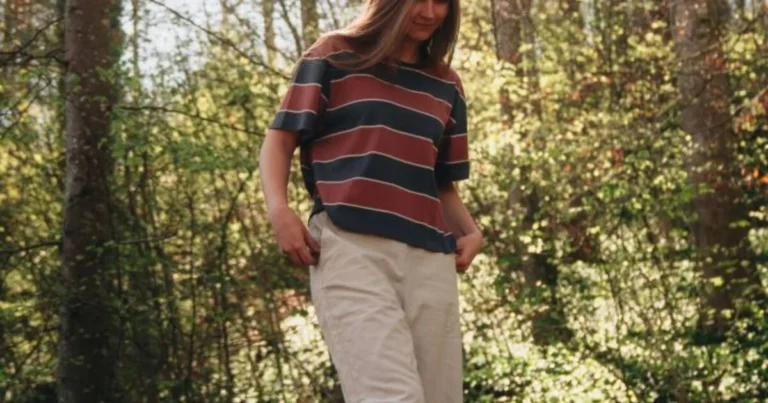
- Armedangels Cap and T-shirt: Navigating the sartorial preferences of a teenage skateboarder requires a keen understanding of current trends and brand appeal. Stephanie confidently suggests Armedangels, a brand highly rated for its commitment to organic materials, fair trade practices, and transparent supply chain. Their streetwear aesthetic, combined with their strong ethical credentials, makes them a perfect fit for conscious teens who want to look good while supporting responsible fashion. The brand often uses GOTS-certified organic cotton, ensuring ecological and social criteria are met throughout the textile supply chain.
The Broader Landscape of Ethical Kidswear: Market Trends and Future Outlook
The selections by Luis and Stephanie are not isolated examples but rather reflections of a broader trend within the fashion industry. The market for sustainable children’s clothing is experiencing robust growth, driven by a confluence of factors: increased parental awareness of product safety and environmental impact, the rise of conscious consumerism, and greater availability of ethically produced options. Industry reports project continued expansion in this segment, with consumers increasingly seeking certifications like GOTS (Global Organic Textile Standard) and OEKO-TEX, which provide verifiable assurance of environmental and social responsibility.
Innovations in material science are also playing a crucial role, with brands exploring alternatives such as recycled materials (e.g., recycled polyester from plastic bottles), innovative plant-based fibers (e.g., lyocell, hemp), and closed-loop manufacturing systems that minimize waste and maximize resource efficiency. The emphasis is shifting from merely "eco-friendly" materials to a holistic approach that considers the entire lifecycle of a garment, from raw material sourcing to end-of-life disposal.
Implications for Parents and the Industry
Good On You’s initiative, by spotlighting "Good" and "Great" rated brands, plays a pivotal role in empowering parents. It simplifies the often-complex process of identifying truly sustainable options, thereby fostering informed decision-making. For the industry, such platforms serve as both a benchmark and a catalyst, encouraging brands to improve their sustainability practices to meet evolving consumer expectations and gain recognition. The collective impact of individual choices, guided by reliable information, can drive significant change, shifting market demand towards more responsible production models.
Investing in sustainable kidswear offers multiple benefits:
- Health: Reduced exposure to harmful chemicals and dyes, leading to fewer skin irritations and allergies.
- Durability: High-quality, well-made garments last longer, reducing the need for frequent replacements and saving money in the long run.
- Environmental Stewardship: Supports practices that conserve resources, reduce pollution, and minimize waste.
- Ethical Production: Ensures that clothing is made under fair labor conditions, free from exploitation.
Looking Ahead: The Future of Responsible Children’s Fashion
As awareness continues to grow and sustainable technologies advance, the future of children’s fashion looks increasingly responsible. The trajectory points towards greater transparency, circular design principles, and a deeper integration of ethical considerations at every stage of production. Platforms like Good On You will remain indispensable tools for navigating this evolving landscape, guiding consumers towards choices that not only dress their children beautifully but also contribute positively to a more sustainable and equitable world. The February picks are more than just fashion recommendations; they are a testament to the power of informed choices and a glimpse into the brighter future of kidswear.
Editor’s Note: Feature image via Armedangels. Good On You publishes the world’s most comprehensive ratings of fashion and beauty brands’ impact on people, the planet, and animals. Use their directory to search thousands of rated brands.