









Fashion, a dynamic mirror reflecting societal values and aspirations, has consistently leveraged the potent interplay of dress and undress to explore human sensuality and power dynamics. For centuries, garments have been strategically designed to accentuate, conceal, or reveal, often with a tactical understanding of their psychological and emotional impact. This enduring relationship between attire and allure reached a striking crescendo on the Autumn/Winter 2026 runways and subsequent awards season, signaling a profound shift from mere suggestion to explicit declaration. The recent collections showcased an unprecedented boldness, with designers not only celebrating the human form in its rawest interpretations but also, intriguingly, integrating literal tools of pleasure into the very fabric of high fashion.
Runway Revelations: A Season of Unabashed Sensuality
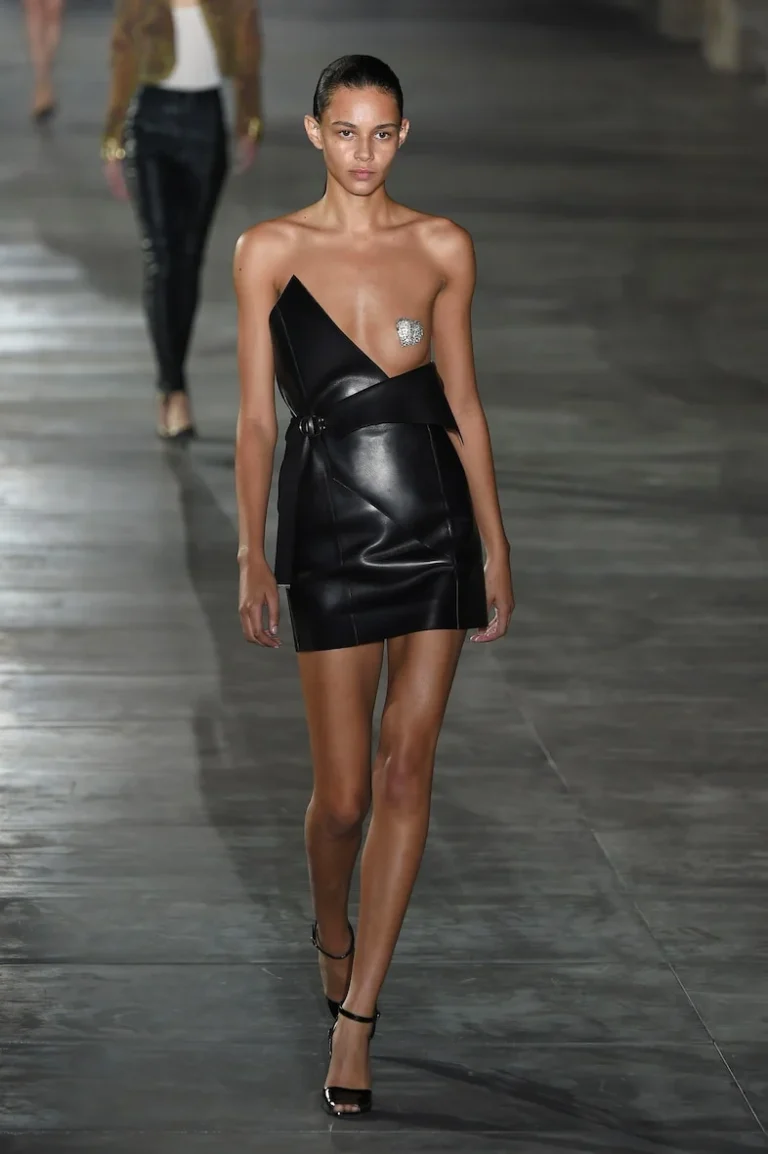
The Autumn/Winter 2026 fashion circuit served as a clear indicator of this burgeoning trend, with leading houses pushing boundaries further than ever before. At Alexander McQueen, Mugler, and Tom Ford, the nipple emerged as the undisputed accessory du jour, prominently featured through sheer fabrics, cut-outs, and deliberate garment constructions. This was not a subtle peek but a confident proclamation of the body’s natural form, challenging long-held sartorial modesty. Demna’s highly anticipated debut at Gucci offered another provocative moment, reintroducing the "buttcrack" aesthetic through a daring Kate Moss g-string, underscoring a broader fascination with explicit anatomical display. Leather and sheers, materials inherently linked with fetishwear and intimacy, dominated these collections, creating silhouettes that were both powerful and vulnerable.
Vivienne Westwood’s collection, ever the iconoclast, blurred the lines between undergarments and outerwear with audacious confidence. Garter belts, fishnets, and corsetry, traditionally relegated to the private sphere, were paraded openly on both male and female models, transforming intimate apparel into statements of public defiance and self-expression. This subversion of traditional dress codes suggested a re-evaluation of what constitutes appropriate public attire, advocating for a more liberated approach to personal style.
Beyond the runways, the red carpet, a global stage for fashion’s most impactful statements, mirrored this burgeoning audacity. The "naked dress," a perennial favorite for its shock value, returned with renewed vigor. Pop sensation Chappell Roan garnered significant media attention at the Grammy Awards for her headline-making Mugler nipple dress, a clear echo of the runway’s embrace of the exposed form. These instances collectively illustrate a pervasive cultural moment where the boundaries of acceptable sexual expression in fashion are being actively renegotiated and expanded.
From Suggestion to Object: The Integration of Pleasure Devices
While fashion has always drawn inspiration from human desire, a notable evolution in recent seasons has been the literal incorporation of pleasure-enhancing tools into design. This represents a significant leap from abstract eroticism to tangible objects of intimacy. The trend began subtly but has rapidly gained momentum. In 2022, Alessandro Michele, then creative director at Gucci, raised eyebrows by featuring butt plug necklaces on his runway, transforming a deeply personal object into a public fashion statement. Diesel, under the creative direction of Glenn Martens, famously used a Murano glass butt plug as the invitation for its Spring/Summer 2023 show, then followed up by displaying a series of vibrators, crafted in collaboration with Lelo, within its Autumn/Winter 2026 show space. These were not mere props but curated art objects, signaling a deliberate intention to normalize and celebrate sex tech within a high-fashion context.
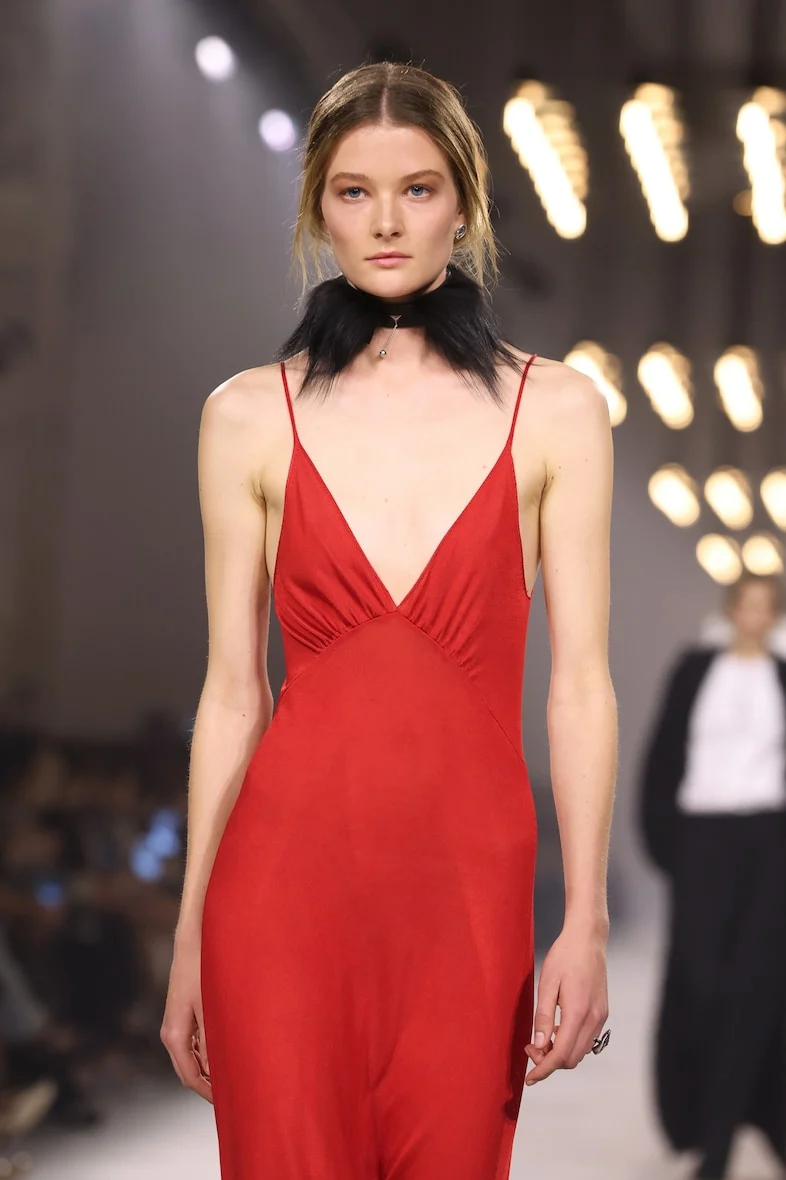
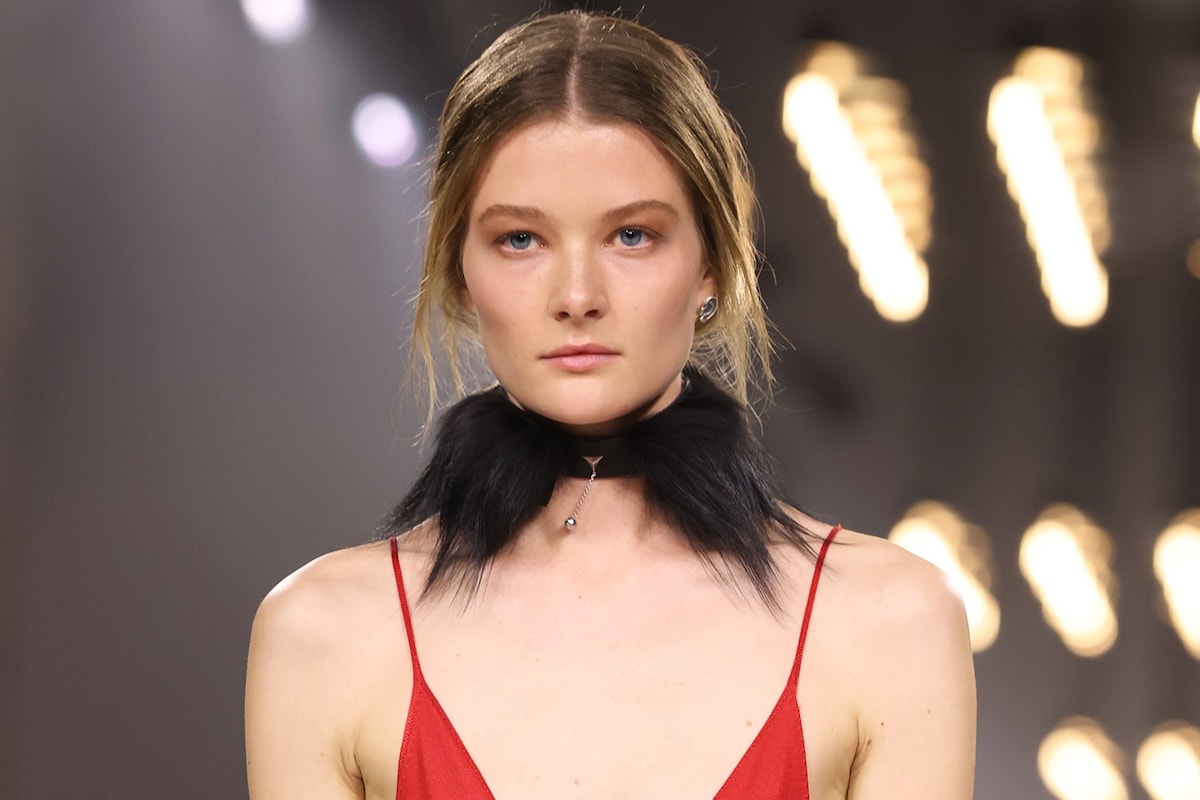
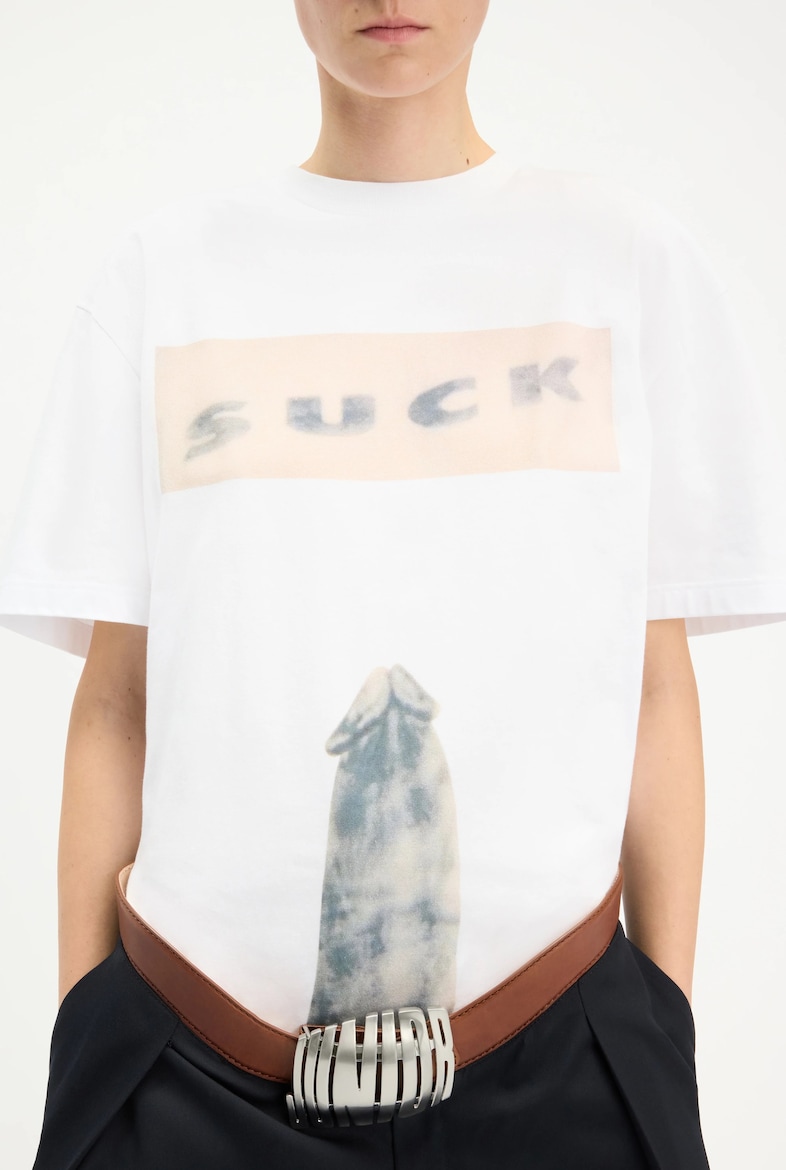
Maria Grazia Chiuri’s debut at Fendi, marked by a palpable fetish-tinged aesthetic, saw models adorned with fur and leather chokers, drawing clear parallels to BDSM culture and the exploration of dominance and submission. Jean Paul Gaultier’s Junior Gaultier line introduced a "Suck" t-shirt that cleverly created the illusion of an oversized penis within a cock ring, a playful yet undeniably explicit visual. Celebrities have also enthusiastically embraced this new frontier. In December, singer Lily Allen accessorized her Valentino dress with polka dot blue butt plugs, a deliberate and artistic homage to her album West End Girl, further cementing the integration of sex toys into mainstream fashion discourse.
Historical Precedents: Fashion’s Enduring Fascination with Sexuality
The current surge in overt sexual expression and the integration of pleasure objects, while seemingly radical, is not without historical precedent in fashion’s long and complex relationship with sexuality. From the restrictive corsetry that shaped idealized female forms in past centuries to the liberating flapper dresses of the 1920s that symbolized newfound female autonomy, fashion has consistently served as a battleground for societal norms regarding sex and gender. The sexual revolution of the 1960s and 70s saw mini-skirts, hot pants, and transparent fabrics challenge prudish conventions, while designers like Yves Saint Laurent introduced "Le Smoking," blurring gender lines and celebrating a new kind of female power. Madonna’s iconic cone bra by Jean Paul Gaultier in the 1990s was another landmark, using lingerie as outerwear to reclaim female sexuality with defiant strength.
What distinguishes the current moment, as sex educator Birna Gustafsson observes, is the sheer explicitness. "Fashion has always been a site where people negotiate sexuality, power, and identity," she states. "What feels new right now is just how explicitly sexual it is." Whereas previous eras might have strategically highlighted breasts, bums, or hips for the gaze of an often-male audience, contemporary fashion is increasingly exposing more skin and, crucially, facilitating pleasure for the wearer. This represents a paradigm shift where garments are not just for viewing pleasure but for embodied experience – sex toys as clothes, and clothes as sex toys.
The Rise of Pleasure Jewellery and Sex Tech in Mainstream Design
The concept of "pleasure jewellery" has been a significant driver in this evolution. Crave, a pioneering brand, launched its Vesper necklace in 2014, making it the first wearable vibrator designed to be overtly beautiful and openly displayed. This year, Crave collaborated with feminist erotic filmmaker Erika Lust on another wearable vibrator, solidifying its position at the forefront of this niche yet growing market. Ti Chang, founder of Crave, explains the appeal: "Pleasure jewellery makes people feel a certain way when you start to wear it. These are objects that are designed to be left out in the open – not disguising pleasure, but celebrating it."
Chang further elaborates on the communicative aspect of these items. Much like wearing a designer label, subtle wearable sex toys, such as Crave’s Vesper necklace or Unbound’s Flick ring, act as discrete signals to those "in the know." "People who wear this out strike up conversations with people they otherwise wouldn’t have," Chang notes. "That’s one of the keys to removing stigma and shame from pleasure: we have to be able to talk about it." This highlights the dual function of these objects: personal gratification and a catalyst for dialogue and destigmatization.
The sex tech industry itself has seen exponential growth, contributing to the mainstreaming of pleasure devices. Reports from Grand View Research indicate the global sex toys market size was valued at USD 33.6 billion in 2022 and is projected to grow at a compound annual growth rate (CAGR) of 9.2% from 2023 to 2030. This growth is driven by increasing awareness, changing perceptions toward sexual wellness, and technological advancements. Luxury sex toys, often crafted from high-quality materials and featuring sophisticated designs, are a growing segment of this market, bridging the gap between functional devices and aspirational lifestyle products. The collaboration between Diesel and Lelo, a prominent luxury sex toy brand, exemplifies this convergence, positioning sex toys not just as utilitarian items but as design objects worthy of fashion’s highest platforms.
Sociopolitical Undercurrents: Resistance in an Age of Conservatism
The timing of this overt embrace of sexuality in fashion is not coincidental. It emerges against a backdrop of increasing global conservatism, where sexual freedom and expression are increasingly under attack. In many parts of the world, a reactionary wave is attempting to roll back rights and impose stricter moral codes. This climate is particularly evident in the digital sphere, where platforms are increasingly censoring sexually explicit content, often through opaque algorithmic guidelines that "shadowban" even innocuous discussions around sex. The surveillance state’s encroachment on digital intimacy is profound, with legislation like the UK’s Online Safety Act making it exceptionally difficult to access adult content without providing extensive age verification to anonymous third-party companies, effectively "outlawing" consensual adult sex in digital spaces.
Erika Lust, a feminist erotic filmmaker, posits that this sociopolitical pressure fuels the current fashion trend. "When you see society becoming more conservative and aggressive, people working in fashion and art want to be a reaction on the other side," she explains. Fashion, in this context, becomes a visible form of resistance, a public declaration of agency and freedom in an environment that seeks to suppress it. As consensual adult sexuality faces threats both online and offline, individuals and designers are actively seeking new avenues to express desire and reclaim their narratives, with fashion serving as a powerful, undeniable canvas.
Demographic Shifts and the Democratization of Desire
The discussions around sexuality in fashion are also becoming more inclusive. Historically, women and queer individuals have often spearheaded movements to challenge sexual norms and reclaim their sexuality in a patriarchal world. However, this conversation is now expanding to include men more explicitly. "Lots of my male friends wear Vesper," says Lust, referring to Crave’s popular pleasure necklace. "It’s neutral, and they can use it to signal they’re a modern man who knows about sex toys." This signifies a shift towards men openly acknowledging and valuing not just their own pleasure, but that of their partners.
This growing inclusivity is particularly relevant given evolving generational attitudes. While some reports suggest Gen Z may be "famously celibate" or engaging in less traditional sexual activity, the article clarifies that this trend in fashion is not necessarily about increased sexual activity but about expression and empowerment. Even if Gen Z men, as some studies suggest, are less knowledgeable about female anatomy, the presence of wearable sex toys in mainstream culture can contribute to normalizing discussions around pleasure and making sex more accessible and understood, regardless of whether the objects are actively used in intimate settings. It’s about opening dialogue and reducing shame.
Moreover, the origins of many sexually provocative fashion trends are often rooted in subcultures, far removed from the luxury runways. Birna Gustafsson emphasizes the trickle-down effect: "A lot of this comes from ballroom culture and very scrappy beginnings. The fashion created in the basements of dungeons, where dominatrixes fasten stuff they bought at Home Depot onto a leather vest, eventually makes it to the big fashion houses and then it trickles down to the high street." This highlights that while high-fashion sex tech may come with a hefty price tag, the underlying impulse for sexual expression through style is inherently democratic and accessible. There will always be DIY, grassroots ways for individuals to express their sexuality, proving that this form of self-declaration is not exclusive to the elite.
Conclusion: Redefining Fashion’s Frontier
The current convergence of fashion and explicit sexuality, culminating in the integration of wearable pleasure objects, marks a pivotal moment. It is a bold assertion of autonomy in an increasingly restrictive world. Birna Gustafsson encapsulates this sentiment: "Wearing sex toys is about taking up space. These toys mean showing up in the world as an autonomous sexual being, and it’s a brave thing to take up space sexually in a world that doesn’t always celebrate that."
Ultimately, the choice of what gives pleasure and how one expresses personal style are deeply individual and non-negotiable aspects of human experience. The increasing merger of these two realms underscores a fundamental need for self-expression and a collective desire to destigmatize pleasure. Erika Lust eloquently articulates this: "We have this need to show the world who we are and what we believe in and that pleasure is important to us. Pleasure is more than something frivolous. Pleasure is resistance, taking care of ourselves, feeling good in our bodies, and being aware." In an era where digital spaces restrict sexual discourse, fashion offers a tangible, public, and powerful platform for this resistance and self-care. It is a declaration of pleasure, for oneself and for the world, inviting dialogue and challenging conventions, one provocative garment and pleasure object at a time.