











The fashion industry, a colossal global enterprise, is increasingly under scrutiny for its environmental and social impact. Amidst this rising awareness, consumers are seeking transparency and genuine commitment to sustainability from their preferred brands. Good On You, a leading ethical brand rating system, rigorously assesses brands based on their impact on people, the planet, and animals. It is through this lens that Massimo Dutti, often lauded as the more sophisticated, "grown-up" counterpart to its sibling brand Zara, receives a critical evaluation, revealing a complex picture that challenges its "elevated" perception. Editors at Good On You curate highly rated brands after a thorough assessment process, and buying through their links supports their independent research.
The latest review, published in January 2026, maintains Massimo Dutti’s middling rating of "It’s a Start." This assessment indicates that while the brand has initiated some efforts towards more responsible practices, it has yet to demonstrate comprehensive and verifiable progress across key areas of sustainability. This evaluation prompts a deeper examination of Massimo Dutti’s operational model and its place within the broader fast fashion ecosystem, ultimately guiding consumers towards alternatives that align more closely with ethical and environmental principles.
Massimo Dutti’s Position in the Inditex Empire
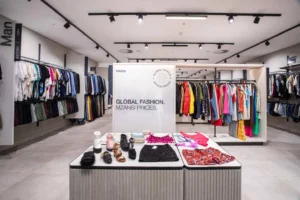
Massimo Dutti emerged in the mid-1980s in Spain, initially as a menswear specialist. Its trajectory shifted significantly a decade later when it was acquired by Inditex, the multinational fashion conglomerate renowned globally as the parent company of Zara. This acquisition integrated Massimo Dutti into one of the world’s largest fashion retail groups, affording it immense scale and global reach. Today, the brand operates 643 stores worldwide and maintains an online presence across 215 markets, offering both men’s and women’s apparel.
Within the Inditex portfolio, Massimo Dutti is strategically positioned to cater to a demographic seeking more refined, "expensive-looking," and "elevated" mass-produced fashion than its more overtly trend-driven sibling, Zara. This positioning suggests a perceived difference in quality and design ethos. However, the core mechanics of its operations bear striking resemblances to the fast fashion model. Despite claims of slightly better quality and higher price points compared to Zara, Massimo Dutti still participates in the high-volume production cycles characteristic of the industry. While its product "drops" may be less frequent than Zara’s famously rapid turnover, they nonetheless contribute to a continuous influx of new styles and trends, encouraging consumption and aligning with the fast fashion paradigm. Furthermore, the brand engages in significant discounting, albeit not on the same aggressive scale as Zara, reinforcing a cycle of perceived value reduction and rapid inventory movement. This dynamic is critical in understanding why, despite its aspirational branding, Massimo Dutti remains intertwined with the challenges posed by fast fashion.
The Environmental and Social Toll of Fast Fashion
The "fast fashion" business model, characterized by rapid production cycles, low costs, and transient trends, exerts immense pressure on environmental and social resources. The industry is a significant contributor to global carbon emissions, water pollution, and textile waste. Production processes often involve energy-intensive manufacturing, reliance on fossil fuel-derived synthetic fibers, and the use of hazardous chemicals in dyeing and finishing. From a social perspective, the pursuit of ever-lower costs frequently leads to exploitative labor practices, including inadequate wages, unsafe working conditions, and suppression of workers’ rights in supply chains predominantly located in developing countries.
When evaluating a brand like Massimo Dutti, even one attempting to differentiate itself through perceived quality, these systemic issues remain central. The sheer volume of clothing produced by large-scale retailers, regardless of individual item quality, contributes to the overall problem of overproduction and consumption. An estimated 92 million tons of textile waste are generated globally each year, a figure projected to rise dramatically. This waste often ends up in landfills, where synthetic materials can take hundreds of years to decompose, releasing microplastics and harmful chemicals into the environment. Natural fibers, while biodegradable, contribute to methane emissions as they decompose anaerobically. The water footprint is equally staggering; producing a single cotton t-shirt can require up to 2,700 liters of water, while a pair of jeans can consume 7,500 liters. The dyeing process further contaminates waterways with toxic chemicals if not properly treated.
Massimo Dutti’s Sustainability Commitments: A Closer Look
Massimo Dutti has acknowledged the need for sustainable practices and has articulated several commitments. The brand reports using a medium proportion of lower-impact materials, such as organic cotton or recycled fibers, and publishes breakdowns of these materials on its website, along with details of certified materials used in specific products. This step, while positive, represents only a partial shift in its material sourcing strategy, with conventional, high-impact materials likely still forming a significant portion of its inventory.
Beyond materials, the brand committed to eliminating hazardous chemicals from its supply chain after 2025. This is a crucial area, as textile manufacturing is notoriously chemical-intensive. However, Good On You’s latest review found no publicly available evidence confirming the achievement of this ambitious goal post-2025. Similarly, Massimo Dutti has established a science-based target to reduce its greenhouse gas emissions. Science-based targets are designed to align corporate emissions reduction goals with the level of decarbonization required to keep global temperature increase below 2°C, or even 1.5°C, compared to pre-industrial temperatures. Such targets are essential for corporate accountability in climate action. Yet, the assessment indicates a lack of transparent reporting on the brand’s actual progress towards these vital emission reduction goals. Without verifiable data on achievement, such commitments, however well-intentioned, remain largely symbolic.
In terms of social impact, Massimo Dutti states that it audits parts of its supply chain, including all stages of final production. Supply chain auditing is a standard practice aimed at ensuring compliance with labor laws and ethical standards. However, the effectiveness of audits can vary significantly, and they often provide only a snapshot rather than a continuous guarantee of fair conditions. The brand also claims to have a program in place to improve wages for workers in its supply chain. The concept of a "living wage" – a wage sufficient to afford a decent standard of living for the worker and their family – is a cornerstone of ethical labor practices. Unfortunately, Good On You’s investigation found no concrete evidence demonstrating that Massimo Dutti ensures its supply chain workers are paid a living wage. This lack of transparency around wages is a common challenge across the fast fashion industry, making it difficult for consumers to ascertain the true social cost of their purchases.
The Implications of an "It’s a Start" Rating
A "middling" rating like "It’s a Start" signifies a brand that has begun to address sustainability but has considerable work ahead. For a major player like Massimo Dutti, operating under the umbrella of Inditex, this rating highlights a critical gap between stated ambitions and demonstrable, verifiable action. It underscores the challenges faced by large corporations in fundamentally transforming their business models to become truly sustainable. While incremental improvements are welcome, the scale of the environmental and social issues necessitates more aggressive, transparent, and impactful interventions.
The lack of concrete evidence for achieving commitments, particularly regarding hazardous chemicals and living wages, is a significant concern. It suggests that while policies and targets may be in place, the implementation and verification processes are either insufficient or not adequately communicated to the public. In an era where consumers are increasingly demanding accountability, such opacity can erode trust and diminish the perceived value of sustainability claims. For the informed consumer, an "It’s a Start" rating serves as a clear signal: while the brand is not entirely disengaged from sustainability, it has not yet moved beyond foundational steps to become a leader in ethical fashion.
The Broader Landscape: Driving Change in the Fashion Industry
The case of Massimo Dutti is emblematic of a broader industry struggle. Many large brands, built on models of rapid production and consumption, find it challenging to pivot towards genuine sustainability without disrupting their core profitability. However, the imperative for change is undeniable. Regulatory pressures, consumer activism, and the undeniable scientific evidence of climate change and social inequality are pushing the industry towards a more responsible future.
Driving this change requires systemic shifts, including:
- Radical Transparency: Brands must disclose detailed information about their supply chains, material sourcing, environmental impact data, and labor practices.
- Circular Economy Principles: Moving away from a linear "take-make-dispose" model to one that prioritizes design for longevity, repair, reuse, and recycling of materials.
- Innovation in Materials and Production: Investing in lower-impact materials, closed-loop production systems, and technologies that reduce waste and pollution.
- Fair Labor Practices: Ensuring all workers in the supply chain receive living wages, safe working conditions, and the right to organize.
- Decoupling Growth from Resource Depletion: Exploring business models that prioritize quality, durability, and service over constant new product launches.
Ultimately, the decision to purchase from brands like Massimo Dutti rests with the individual consumer. However, by understanding the nuances of sustainability ratings and the broader impact of their choices, consumers can wield significant power in demanding greater accountability and driving the industry towards a more ethical and environmentally sound future.
More Sustainable Alternatives to Massimo Dutti’s ‘Sophisticated’ Styles
For consumers seeking high-quality, sophisticated, and tailoring-inspired garments that align with more robust sustainability standards, numerous brands are operating on a smaller, more responsible scale. These alternatives prioritize ethical production, lower-impact materials, and often reject the relentless overproduction that fuels textile waste. Good On You analysts have highly rated the following brands for their commitment to sustainability, offering styles similar to Massimo Dutti while upholding stronger ethical principles:
ESSÄ’N
Founded in 2016 by Marre Muijs, ESSÄ’N emerged as a direct response to the fashion industry’s prevalent overproduction and trend-chasing. This footwear and accessories brand deliberately limits its production runs and employs low-waste cutting techniques, moving away from seasonal collections in favor of a single, permanent collection. This approach champions timelessness and durability over fleeting trends, significantly reducing waste and resource consumption.
See the rating.
Shop ESSÄ’N.
Indilisi
Indilisi distinguishes itself by creating clothing with a profound focus on heritage crafts and handweaving. The brand’s commitment to sustainability is further evidenced by its innovative use of surplus fabrics, specifically deadstock material. By repurposing existing textiles, Indilisi not only reduces demand for new material production but also diverts high-quality fabric from landfills, embodying circular economy principles.
See the rating.
Shop Indilisi.
Akyn
Founded by sustainable fashion industry luminary Amy Powney, Akyn offers contemporary and timeless womenswear. The brand’s design philosophy centers on creating enduring pieces that transcend seasonal trends, thus encouraging conscious consumption. Akyn achieves its high sustainability rating through the meticulous selection of lower-impact materials and transparent production practices.
See the rating.
Shop Akyn.
Agazi
Agazi is a pioneering vegan footwear brand from Poland, dedicated to animal-friendly and environmentally conscious production. Its diverse range of sneakers, sandals, heels, and flat shoes are crafted exclusively from non-animal-derived materials. Notably, Agazi utilizes innovative materials such as hemp, apple skin, and grape-based alternative leathers, showcasing a commitment to reducing the environmental footprint associated with traditional leather production.
See the rating.
Shop Agazi.
Kotn
Certified B Corp Kotn, based in Canada, stands out for its integrated approach to social and environmental responsibility. Working directly with local NGOs in the Nile Delta, Kotn is dedicated to providing quality education to every child in its farming communities, actively addressing low literacy rates. Every purchase directly contributes to funding school infrastructure, materials, and teacher salaries, illustrating a powerful commitment to community development alongside its production of beautifully made garments. Kotn offers sizes XS-2XL.
See the rating.
Shop Kotn.
BASTET NOIR
BASTET NOIR champions thoughtful design and resource efficiency by creating modular 3-piece sets from deadstock fabrics. Its commitment to limited production runs ensures minimal waste and exclusivity, providing multifunctional traveling essentials for the modern working woman. This brand exemplifies how innovative design can be combined with sustainable material sourcing. Most items are available in sizes 36-42, with custom sizing options.
See the rating.
Shop BASTET NOIR.
ASKET
Since 2015, ASKET has been redefining wardrobe essentials by focusing on timeless design, revolutionary sizing, and fair pricing. The brand consciously disregards seasonal collections, opting instead for a single, permanent collection that aims for enduring relevance. By cutting out middlemen and selling directly to consumers, ASKET maintains transparency and control over its supply chain, ensuring quality and ethical practices. The range is available in sizes 2XS-2XL.
See the rating.
Shop ASKET.
OhSevenDays
Founded by Australian-Canadian Megan Mummery, OhSevenDays is a strong advocate for slow fashion and the "power of circularity." Operating from Istanbul, the brand ingeniously reclaims end-of-roll fabrics from the city’s garment factories, transforming these "fast fashion leftovers" into sharp, everyday womenswear. This innovative approach significantly reduces textile waste and promotes resource efficiency, making it a truly responsible choice. OhSevenDays’ garments are available in sizes XS-XL, or in custom sizing.
See the rating.
Shop OhSevenDays.
amt.
amt. studio is a Spanish clothing brand committed to local production and the use of recycled materials. By keeping its manufacturing local, amt. minimizes transportation emissions and supports regional economies. Its reliance on recycled materials underscores a dedication to reducing reliance on virgin resources and mitigating environmental impact. Most items are available in sizes XS-L.
See the rating.
Shop amt..
ISTO.
The Portuguese brand ISTO. operates on a simple yet powerful mandate: to create clothes that transcend seasons and serve as permanent staple items in any wardrobe. With a singular collection, ISTO. prioritizes quality over quantity and aims for permanent availability of its pieces. The brand uses organic materials and is lauded for its radical transparency, openly disclosing the true cost of its garments to consumers. The range is available in XS-XL.
See the rating.
Shop ISTO..
CARPASUS
CARPASUS is a Swiss menswear brand specializing in fine shirts, ties, socks, and pocket squares. Its commitment to sustainability is evident through its use of GOTS (Global Organic Textile Standard) certified cotton and local manufacturing, which significantly reduces its carbon footprint. CARPASUS meticulously traces its supply chain and ensures that its workers are paid a living wage, setting a high standard for ethical labor practices. Most products are available in EU sizes 36-46.
See the rating.
Shop CARPASUS.
Neem
Hailing from the UK, Neem focuses on creating men’s clothing with a strong emphasis on supply chain transparency and environmental protection. The brand’s dedication to these principles ensures that its garments are produced with minimal harm to the planet and with respect for the people involved in their creation. Neem’s commitment to verifiable ethical practices makes it a commendable alternative. Most items are available in sizes S-2XL.
See the rating.
Shop Neem.
Editor’s note: Feature image via Armedangels, all other images via brands mentioned. Good On You publishes the world’s most comprehensive ratings of fashion brands’ impact on people, the planet, and animals. Use our directory to search thousands of rated brands.