









Gus Van Sant’s upcoming crime-thriller, Dead Man’s Wire, slated for UK cinema release on March 20, arrives with an uncanny resonance, dramatizing a 1977 hostage crisis that echoes contemporary socio-economic anxieties and recent acts of protest-driven violence. The film, marking Van Sant’s return to the director’s chair after a seven-year hiatus, was just a month away from principal photography in December 2024 when Luigi Mangione shot the CEO of UnitedHealthcare. While the film’s star, Bill Skarsgård, downplays the direct impact of this incident on his performance, the striking parallels between the historical event depicted and current events underscore the timeless, cyclical nature of societal unrest and the desperate acts it can engender.
The Genesis of a Gripping Narrative: A 1977 Hostage Crisis Revisited
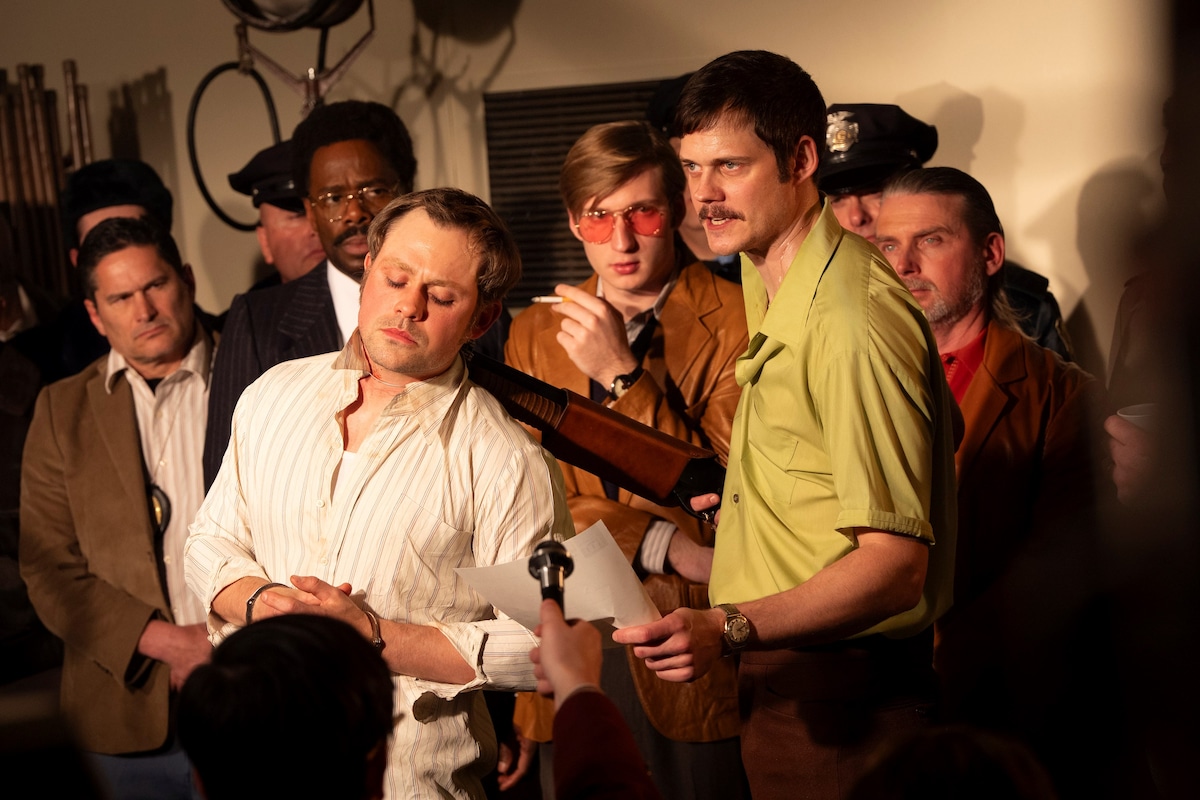
Dead Man’s Wire delves into the infamous 1977 Indianapolis hostage crisis, where Tony Kiritsis, a gun-wielding American, captivated international attention by kidnapping Richard Hall, the son of a prominent mortgage broker, M.L. Hall. Kiritsis proclaimed his actions were a stand for the "little man," a desperate cry against perceived injustices and corporate malfeasance. This dramatic real-life event forms the backbone of Van Sant’s latest feature, portraying Kiritsis as a man driven to extremes by a property deal he believed was sabotaged by Hall’s company.
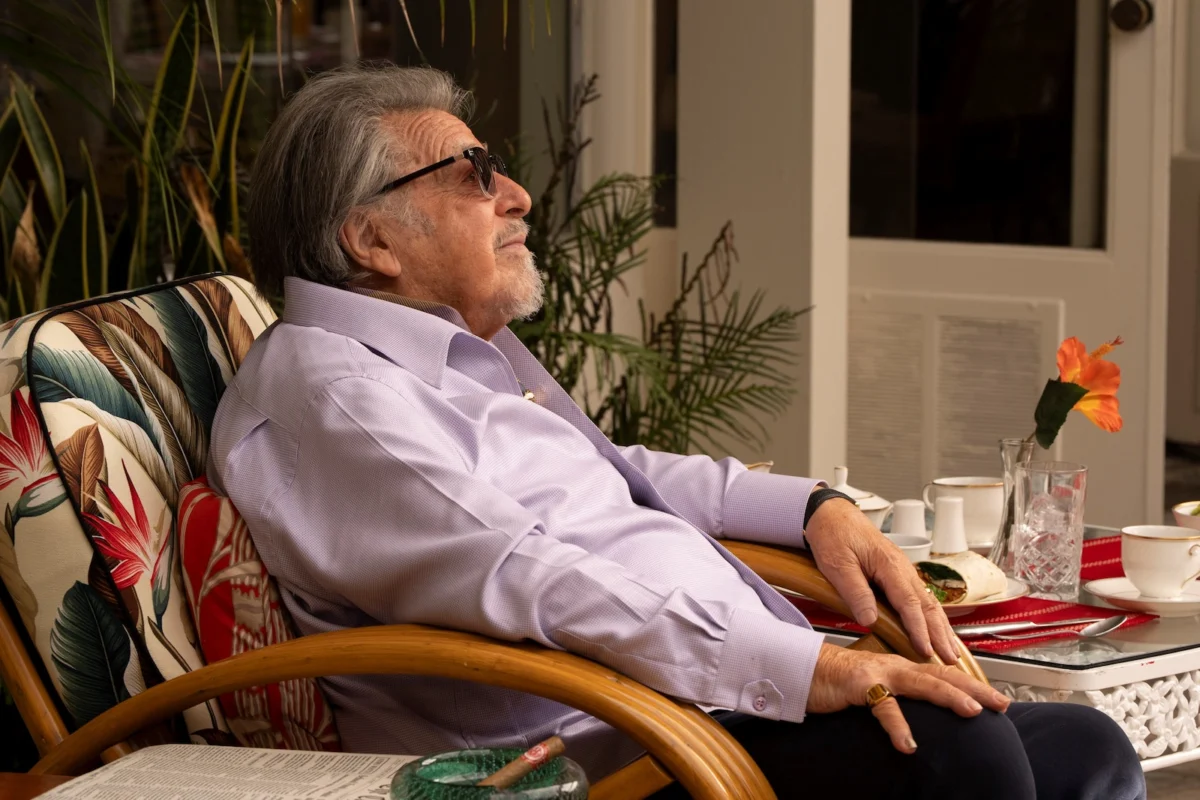
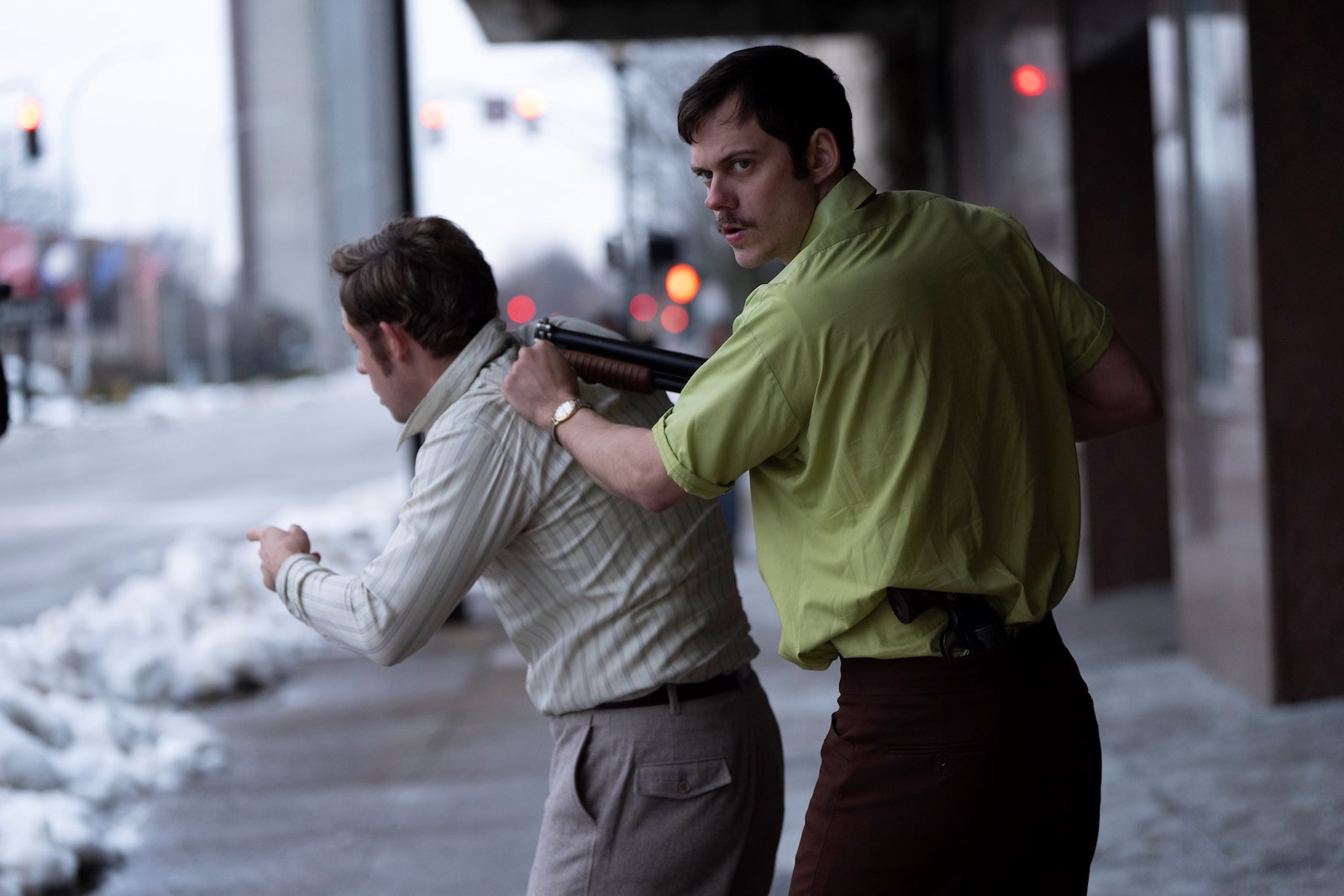
In the film, Bill Skarsgård embodies Kiritsis with a "frenzied, frantic" intensity, capturing the character’s unraveling mental state. Al Pacino stars as the powerful businessman M.L. Hall, while Dacre Montgomery plays his son, Richard Hall, the hostage. The chilling premise involves Kiritsis attaching a shotgun and a wire to Richard’s neck, threatening to fire if the younger Hall moves. Kiritsis’s demands are clear: money and a public apology from M.L. Hall for the alleged sabotage of his property deal.
Van Sant’s Return to Indie Roots and Experimental Storytelling
At 73, Gus Van Sant, celebrated for his diverse filmography including Elephant, My Own Private Idaho, and the Oscar-winning Good Will Hunting, approaches Dead Man’s Wire with a distinct return to the scrappy, low-budget aesthetic of his early independent films like Drugstore Cowboy. This choice reflects a deliberate artistic direction, diverging from the mainstream success that followed Good Will Hunting, which he famously leveraged into the controversial shot-by-shot remake of Psycho.
The parallels between Dead Man’s Wire and his Psycho remake are noteworthy, as both involve recreating famous footage with new actors who bear little physical resemblance to their original counterparts. While Skarsgård dismisses a direct artistic link to Psycho, Van Sant clarifies that his casting philosophy prioritizes acting talent over mimicry, a principle he applied in his portrayal of Harvey Milk in Milk. For Dead Man’s Wire, the inspiration was the original 1977 newsreel footage of Kiritsis, which the film reportedly builds upon, allowing Skarsgård to disappear into the role and expose the human vulnerability behind the crime, despite looking nothing like the real Kiritsis.
The film’s visual style further underscores this experimental approach. Cinematographer Arnaud Potier (known for his work on Harmony Korine’s Aggro Dr1ft) utilized period-appropriate Ikegami video cameras, identical to those used for 1970s newsreels. This technique, employed alongside regular cameras, creates a distinctive visual texture, intercutting modern dramatization with authentic retro aesthetics. Skarsgård noted the "comedic effect of the uncut footage of news anchors," seamlessly blended with fictional reporter characters, enhancing the film’s gritty realism and breaking the fourth wall in subtle ways.
A Chronology of Desperation: The Tony Kiritsis Hostage Crisis (1977)
The real-life events of the Tony Kiritsis hostage crisis unfolded over several tense days in Indianapolis, beginning on February 8, 1977. Kiritsis, a 49-year-old self-employed businessman, felt he had been defrauded in a land deal by his former business associate, Richard O. Hall, a 23-year-old mortgage broker. Believing Hall’s influential father, M.L. Hall, was behind the alleged swindle, Kiritsis sought redress.
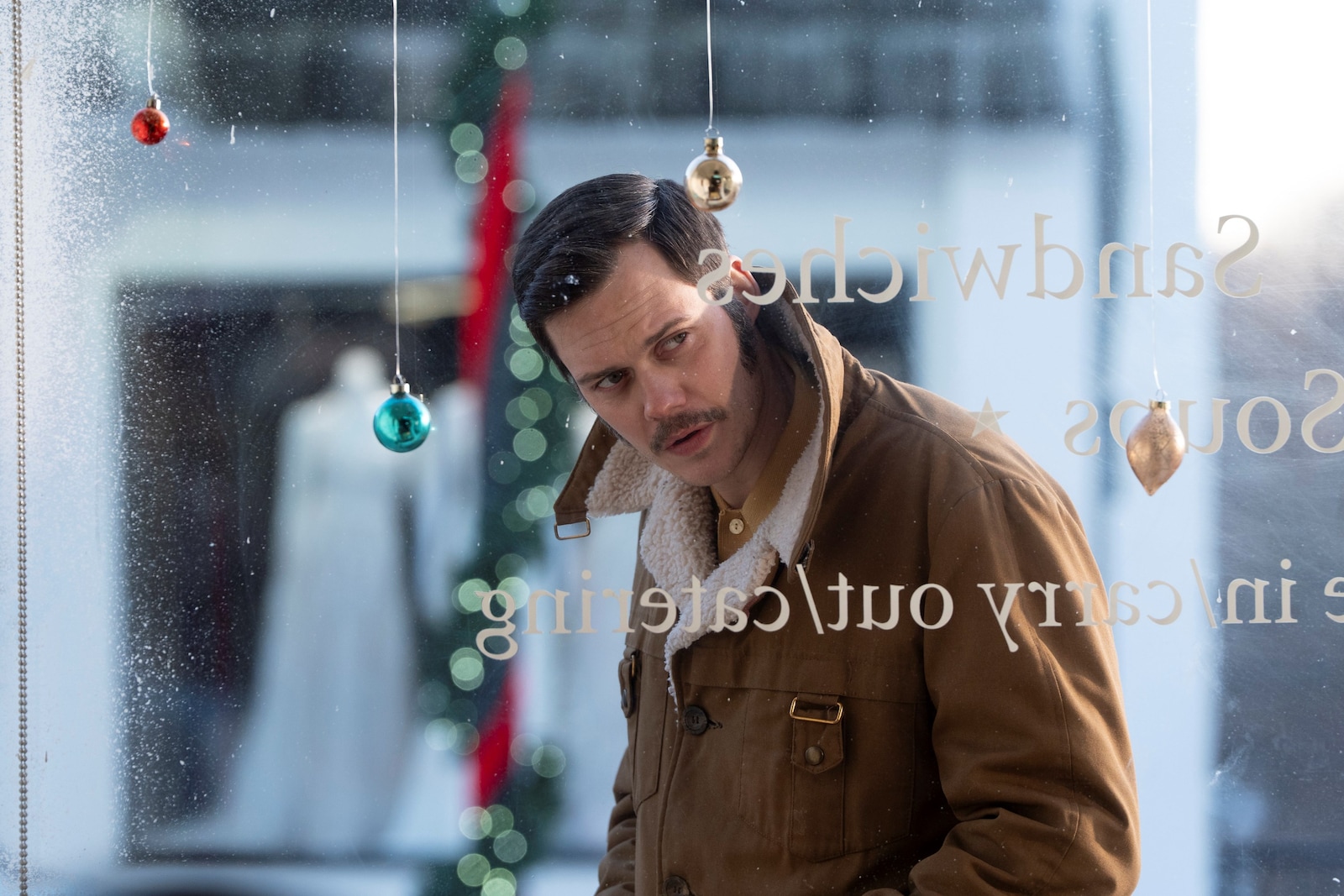
- February 8, 1977: Kiritsis lured Richard Hall to his apartment under the guise of discussing business. Once there, he produced a sawed-off shotgun, rigged to Hall’s neck with a wire that ran to Kiritsis’s hand. Any sudden movement by Kiritsis or an attempt to disarm him would result in the gun firing.
- Media Frenzy: The standoff quickly escalated into a national and international media spectacle. Kiritsis, driven by a desire for public vindication, demanded an apology from M.L. Hall, restitution for his alleged financial losses, and safe passage out of the building.
- Live Broadcasts: News stations broadcast live from the scene, with Kiritsis frequently calling into radio stations, expressing his grievances and elaborating on his perceived injustices. These calls became a central, and often surreal, element of the crisis, showcasing Kiritsis’s blend of desperation and a peculiar desire for public understanding.
- Negotiations and Resolution: After more than 63 hours, Kiritsis released Hall unharmed on February 11, 1977, after receiving assurances from authorities and Hall’s father that his demands for an apology and immunity would be met. However, Kiritsis was arrested immediately upon Hall’s release.
- Legal Aftermath: Kiritsis was charged with kidnapping and other offenses. His defense focused on his mental state and the deep sense of betrayal he felt. He was ultimately found not guilty by reason of insanity in 1978 and committed to a state mental hospital. He was released in 1988.
The incident sparked widespread debate about media ethics, the responsibility of broadcasters in hostage situations, and the underlying socio-economic pressures that could drive an individual to such extreme measures. Kiritsis became a tragic figure, embodying a desperate cry against a system he felt had failed him.
Modern Echoes: The Luigi Mangione Shooting (2024)
The resonance of Dead Man’s Wire is amplified by recent events, particularly the December 2024 shooting of the UnitedHealthcare CEO by Luigi Mangione. While details surrounding Mangione’s motives are still emerging, initial reports suggest a similar undercurrent of grievance against powerful corporate entities, reminiscent of Kiritsis’s "little man" narrative. Mangione’s act, occurring just weeks before Dead Man’s Wire began filming, inadvertently validated the film’s contemporary relevance.
Bill Skarsgård observed that the story’s themes remain "current" despite its 70s setting. "Even before Mangione, I knew it was a current story," he stated. "Even though it’s set in the 70s, it feels very relevant, because this isn’t something that we’ve matured out of." He drew parallels between the civil unrest, skyrocketing cost of living, and inflation of the 1970s and those of today, noting a pervasive distrust in government and institutions. "Everybody believes that the government’s corrupt, and institutions are not to be trusted — with good reason. If anything, Luigi Mangione validated my initial thought of the story being current."
The Mangione incident, regardless of its ultimate legal and social interpretation, serves as a stark reminder that the grievances driving individuals to acts of desperation against perceived corporate or systemic power are not confined to historical footnotes but persist and evolve in modern society.
Exploring Character and Collaboration: Insights from the Set
The creative process behind Dead Man’s Wire highlights Van Sant’s unique directorial style and his profound trust in his collaborators. Skarsgård noted that Van Sant fosters an environment where actors feel empowered to co-author the narrative. "He really trusted me and Dacre, and he just let us run with it," Skarsgård explained. "I don’t think I’ve ever worked on a movie where so much of the time spent on set was acting." This collaborative spirit, combined with the "gritty, sort of ’70s vibe of how it was shot," allowed for a fluid and organic filmmaking experience.
A notable example of this collaboration is the inclusion of a dream sequence featuring a line, "The fruit falls off the tree. You don’t shake it before it’s ready." This line, which Skarsgård’s character Tony repeats, was originally an Al Pacino quote from a 2008 interview book. Screenwriter Austin Kolodney, who spent time with Pacino during the writing process, incorporated it into the script at the suggestion of Skarsgård and Dacre Montgomery, who advocated for the dream sequence. This revelation underscores the dynamic nature of the script, where even an iconic actor like Pacino contributed to expanding his character’s role beyond the initial draft. Van Sant’s "Buddhist, Zen vibe" allows him to "accept things, and let it materialize," fostering an environment where creative contributions from all corners are welcomed.
The last-minute change of cinematographer from Chris Doyle to Arnaud Potier also exemplifies Van Sant’s adaptability and focus on the artistic outcome. As Van Sant recounted, such changes are not unprecedented in his career, highlighting his belief that any part of a project can be replaced if necessary, prioritizing the film’s integrity over rigid adherence to initial plans.
The Broader Implications: Class, Justice, and Media in Two Eras
Dead Man’s Wire serves as a poignant mirror reflecting enduring societal tensions. The narrative of Kiritsis, a "little man" battling a powerful corporate entity, resonates deeply in an era marked by increasing wealth disparity, corporate accountability debates, and a pervasive sense of economic insecurity. The film’s exploration of Kiritsis’s motivation, portraying him not as a simplistic villain but as a complex, emotionally charged individual driven by a profound sense of injustice, prompts audiences to consider the systemic factors that can push individuals to such desperate acts.
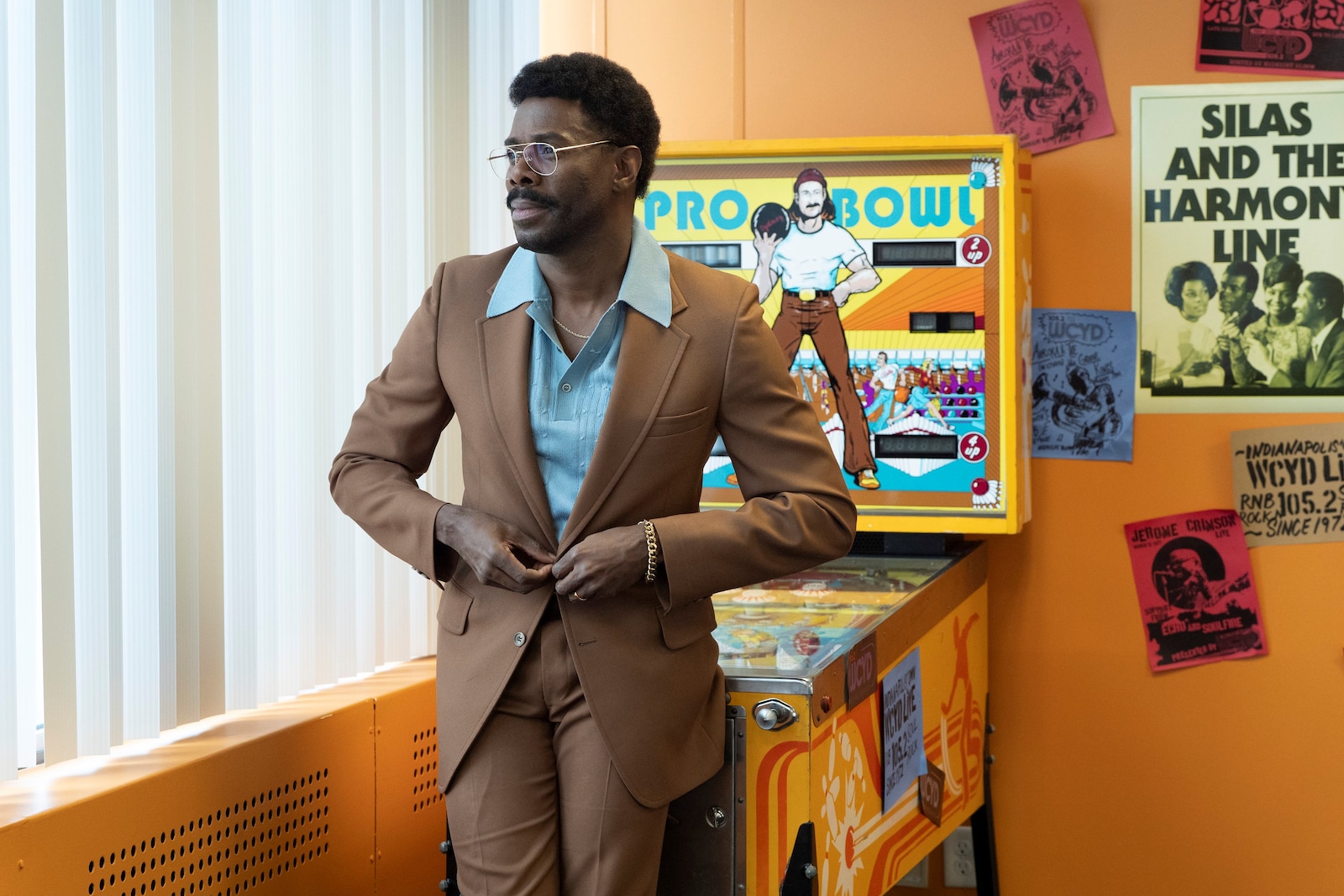
The film also implicitly examines the role of media in sensationalizing crime and shaping public perception. The 1977 Kiritsis incident was a watershed moment in live news coverage, turning a hostage crisis into a televised drama. By incorporating unedited news anchor footage, Van Sant subtly critiques the media’s role, blurring the lines between reporting and performance, a dynamic that remains acutely relevant in today’s 24/7 news cycle and social media landscape.
Skarsgård’s insistence that the terms "villain" and "hero" do not apply to Tony reflects a nuanced understanding of the character. Tony is "very human," not a "psychopath," but "someone with too much emotion," constantly grappling with guilt. This psychological depth challenges simplistic moral judgments and encourages empathy, prompting viewers to confront the complex interplay of personal desperation and systemic injustice.
Van Sant’s Enduring Experimental Spirit: AI and Unreleased Works
Even in his seventh decade, Gus Van Sant continues to embrace an experimental ethos. Bill Skarsgård praises this "edgy youthfulness," comparing Van Sant to directors like Martin Scorsese, who maintain a "punky edginess" throughout their careers. This openness extends to new technologies. While Van Sant hasn’t directly worked with AI, he expresses interest, acknowledging its advancements and potential. He even muses about an AI remake of his unreleased 2000 collaboration with Harmony Korine, Easter, a project he feels was "a little bit stiff for Harmony’s craziness." The potential for AI to re-interpret or refine past works suggests Van Sant’s continuous quest for artistic evolution, even when revisiting earlier endeavors.
Easter, though unreleased due to a defunct production company and Van Sant’s own reservations about its initial execution, remains a curiosity for completists. Van Sant’s openness to finding a "home for it" and even considering an AI re-imagining underscores his unyielding commitment to artistic exploration and a refusal to be confined by conventional expectations or past perceived shortcomings.
In Dead Man’s Wire, Gus Van Sant doesn’t just recreate a historical event; he recontextualizes it for a contemporary audience grappling with similar societal pressures. The film serves as a potent reminder that the cries of the "little man" against powerful institutions, though taking different forms across generations, remain a persistent and often volatile force in the human experience. Its timely release ensures a compelling cinematic experience that is not only a historical dramatization but a mirror reflecting the anxieties of our present moment.