









The intersection of fashion, sustainability, and digital technology has reached a critical inflection point, driven by the structural challenges of traditional retail and the shifting consumption habits of younger generations. In the early stages of her career, fashion entrepreneur Evelyn Mora observed a glaring contradiction within the industry: while designers frequently expressed a deep commitment to environmental sustainability, the physical execution of large-scale fashion shows remained resource-intensive, carbon-heavy, and environmentally taxing. Traditional runway presentations demand massive global travel, short-lived sets, and material waste that runs counter to modern ecological goals. Recognizing that the future of fashion required a fundamentally different operational model, Mora set out to bridge the gap between creative expression and ecological responsibility.
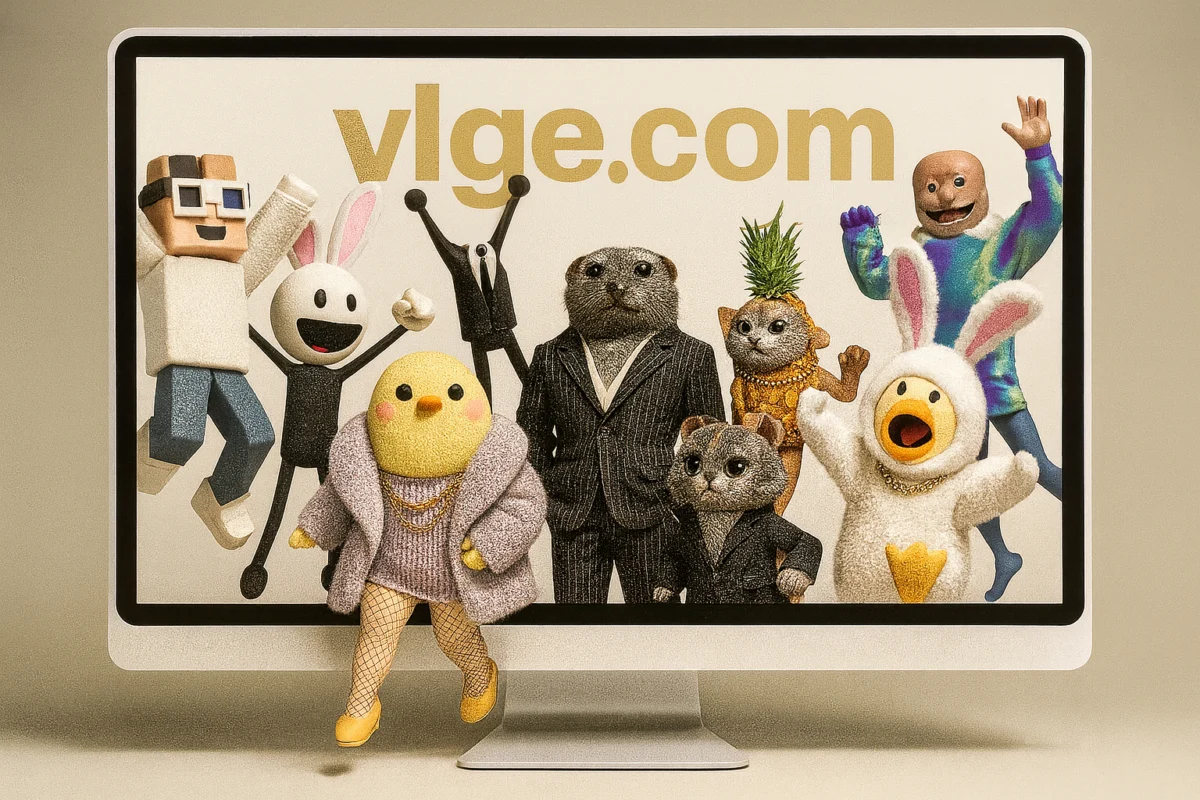
The culmination of this vision arrived in 2021 with the launch of VLGE, an innovative gaming and immersive world-building platform tailored specifically for consumer brands. VLGE provides a streamlined ecosystem that allows companies to construct their own bespoke virtual worlds, populate them with interactive content and games, and seamlessly export these digital environments to prominent third-party platforms such as Roblox. By shifting the focus from physical runways and costly media campaigns to interactive virtual experiences, VLGE is redefining how brands engage with Generation Z, a demographic that increasingly lives, socializes, and shops within digital spaces.
Scaling Immersive Commerce Through Strategic Backing
Since its inception, VLGE has steadily built momentum within both the fashion and venture capital ecosystems. The platform has attracted high-profile collaborations with major global brands, including Lancôme, Charlotte Tilbury, and Vogue Scandinavia. These partnerships validate the utility of virtual world-building as a legitimate marketing and commercial channel rather than a mere novelty. To fuel its expansion and technological development, VLGE has successfully raised a cumulative $5 million in capital. The funding round drew participation from a diverse and influential group of investors, including Lammot J. du Pont of the historical du Pont family, the multinational beauty conglomerate L’Oréal Group, and the British Fashion Council.
This institutional backing has provided VLGE with the resources necessary to scale its infrastructure and execute ambitious industry-first initiatives. Most notably, the company previously made international headlines by orchestrating the world’s first three-dimensional, gamified fashion week. Building upon the success of that milestone, the company announced a massive expansion of its ecosystem through World Fashion Week—an internal initiative powered entirely by VLGE.
Democratizing Virtual World-Building for Fashion Brands
The upcoming rollout of World Fashion Week represents a monumental leap forward for digital retail. As part of the initiative, 50 distinct fashion brands will simultaneously launch their own shoppable virtual worlds. According to Mora, this upcoming activation marks the platform’s first large-scale demonstration of multi-browser deployment, enabling users to construct and publish immersive environments in real time across the web and, crucially, on Roblox.
Mora’s strategic focus on Roblox is rooted in pragmatic market analysis. With millions of active daily users, Roblox has firmly established itself as the dominant youth frontier for modern fashion discovery and social interaction. However, until now, establishing a meaningful presence on the platform has presented significant barriers to entry for traditional retail brands.
"This is significant because Roblox has become fashion’s most powerful youth frontier, yet until now, world-building there has been costly, technical, and complex," Mora stated. "We make it instant, affordable, scalable, and interoperable, bridging the gap between e-commerce, gaming, and cultural creation."

Traditionally, brands wishing to establish a virtual footprint on gaming platforms have been forced to hire specialized development agencies. This outsourced route is notoriously expensive, often costing anywhere from $10,000 to $100,000 for a single custom world, accompanied by development timelines stretching across several months. Furthermore, executing these projects typically requires a deep, technical understanding of platform-specific coding languages and development environments.
VLGE circumvents these operational bottlenecks by providing a no-code, drag-and-drop infrastructure. Brands utilizing the platform can design and deploy immersive environments to Roblox instantly, eliminating the need for specialized technical teams or exorbitant financial investments. Beyond Roblox, VLGE’s underlying architecture is engineered for broad compatibility, supporting Unreal Engine while laying the technical groundwork for integration with Meta Horizon Worlds.
A Flexible Tiered Business Model
To accommodate a wide array of commercial users—ranging from independent emerging designers to multinational luxury conglomerates—VLGE has structured its platform around a flexible, tiered pricing strategy. The company offers a Freemium model alongside three distinct paid tiers tailored specifically for independent creators, small businesses, and enterprise-level corporations, respectively. This tiered approach ensures that democratization of technology remains a core tenet of the company’s business model, allowing smaller brands to experiment with gamified commerce without prohibitive upfront costs.
Looking toward the broader horizon, Mora is operating on the thesis that gamified commerce will define the next decade of retail. As part of this long-term strategy, VLGE plans to launch a proprietary e-tail store designed to serve a dual purpose. The platform will retail physical garments produced by emerging, forward-thinking fashion brands while simultaneously offering corresponding 3D digital assets that users can seamlessly purchase and export into virtual environments like Roblox. This integrated approach highlights how the contemporary fashion industry is aggressively adapting to the growing cultural prominence of interactive entertainment.
The Broader Implications for the Retail and Tech Sectors
The convergence of fashion and gaming is not merely a transient marketing trend; it reflects a fundamental evolution in consumer behavior. As digital natives mature into prime consumer demographics, their purchasing decisions are increasingly influenced by virtual identity, digital self-expression, and gamified experiences. Traditional e-commerce models—characterized by static product grids and flat imagery—are rapidly losing their efficacy when applied to younger audiences who demand interactivity, immersion, and community.
By providing the foundational infrastructure required to support this shift, VLGE is positioning itself at the center of a burgeoning digital economy. The ability to bridge the gap between physical manufacturing and digital asset creation solves a dual problem for modern brands: it reduces the carbon footprint associated with physical sample production and runway shows while opening new, highly lucrative digital revenue streams.
Industry analysts note that platforms lowering the barrier to entry for spatial computing and virtual worlds are likely to experience exponential demand as enterprise adoption matures. By removing the technical and financial hurdles that have historically kept smaller fashion houses out of the metaverse, companies like VLGE are effectively democratizing advanced retail technology.
As World Fashion Week approaches and the initial cohort of 50 brands deploys their shoppable worlds, the retail industry will be watching closely. The success of this activation will serve as a bellwether for the viability of mass-scale, interoperable virtual commerce. For Evelyn Mora and her team at VLGE, the ultimate goal extends far beyond temporary digital activations. As Mora succinctly concluded, "This moment isn’t just about fashion; it’s about the infrastructure that will power the next generation of commerce for the new generation."