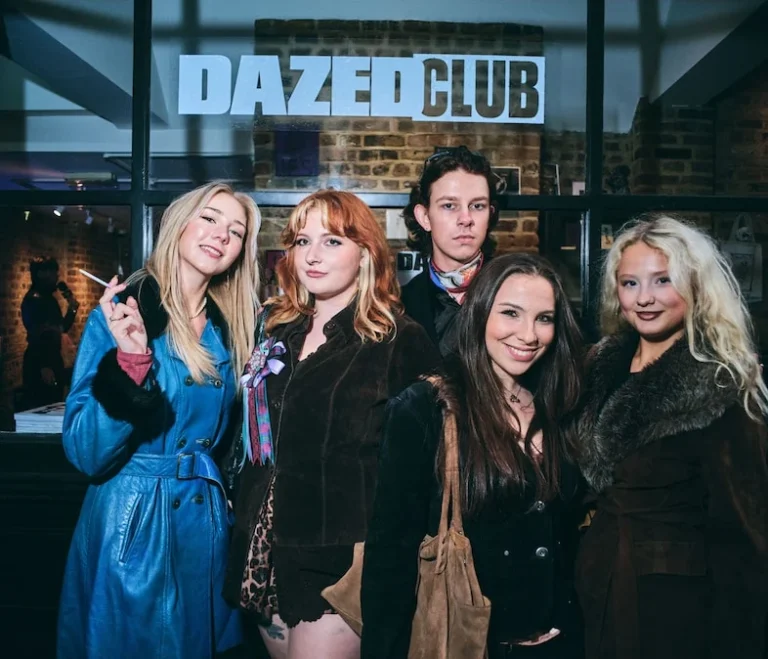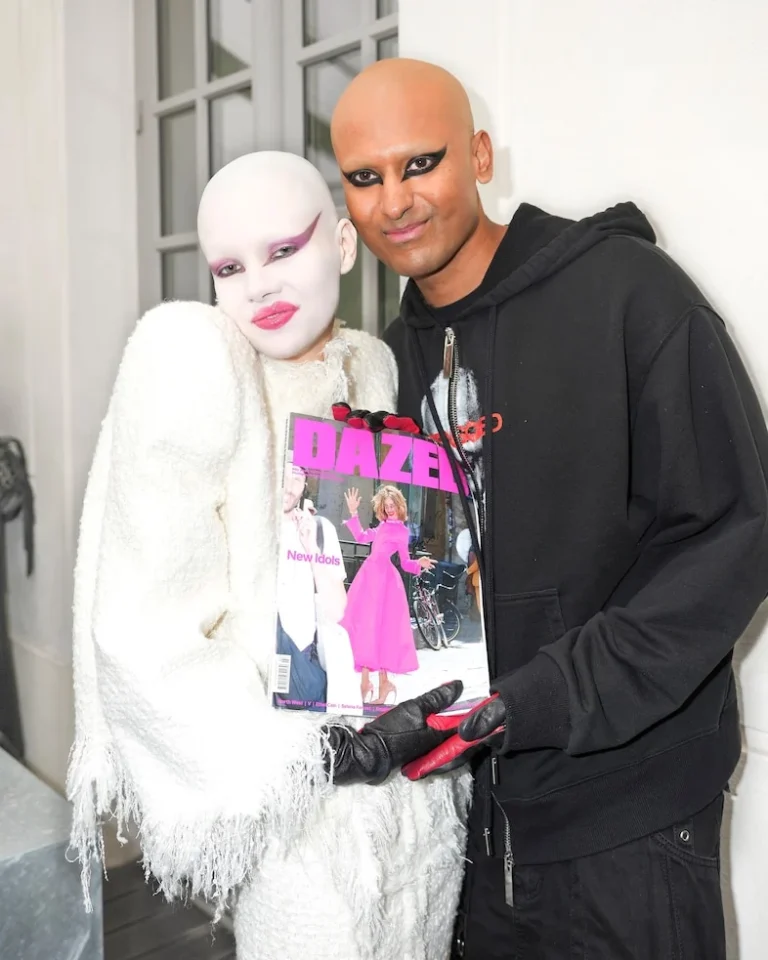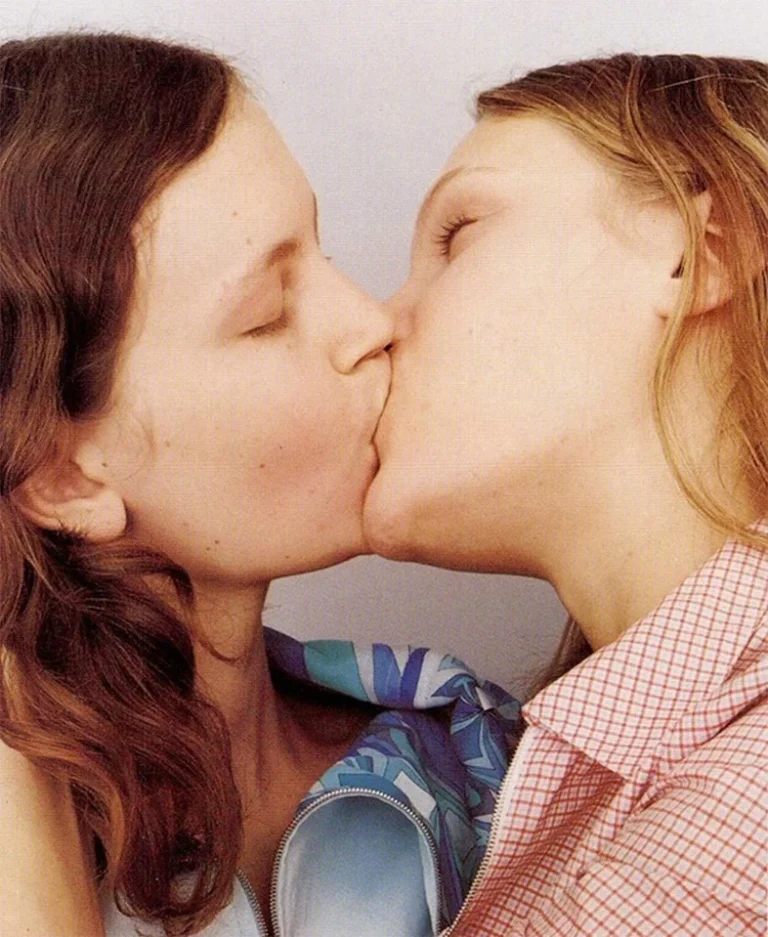






The cultural landscape of the 1990s continues to exert a profound gravitational pull on contemporary art, fashion, and youth culture, a phenomenon underscored by major retrospective exhibitions such as The 90s: Art and Fashion, currently running at Tate Britain through February 14, 2027. Curated to examine the intersection of radical publishing, underground music, and subversive design, the exhibition captures a decade characterized by tectonic shifts in global creativity. To contextualize this enduring legacy, Jefferson Hack, co-founder of Dazed & Confused, has compiled a comprehensive A-to-Z retrospective of the era. This analysis explores the core pillars of the 1990s as chronicled by Hack, tracing their evolution from localized countercultural phenomena into enduring institutional history.
A Is For Acid House And The Birth Of Temporary Autonomous Zones
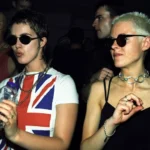
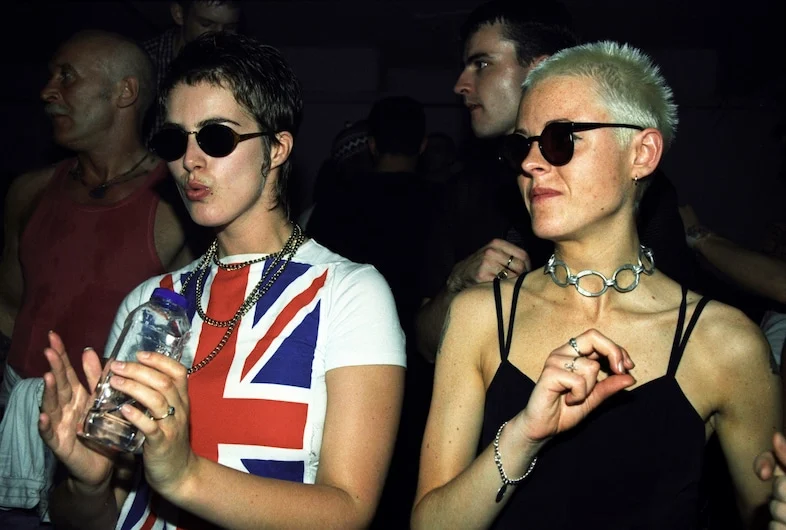
The decade opened under the sonic and social influence of acid house, a movement that transcended mere musical genre to offer youth culture an unprecedented sense of permission. Abandoned warehouses, rural fields, and industrial estates were transformed into temporary autonomous zones where traditional social stratifications dissolved. For a brief historical moment, stark divisions of class, race, and subculture melted away on dancefloors powered by Roland TB-303 basslines. Unlike preceding decades where commercial enterprises aggressively marketed youth culture back to itself, the early 1990s rave scene operated largely outside corporate parameters. Participants built an entirely new mythology in real-time, laying the groundwork for a decentralized, community-driven approach to nightlife and electronic music that would ripple across Europe and North America.
B Is For Björk And The Vanguard Of Experimental Pop
Few artists bridged the chasm between avant-garde art and mainstream commercial success quite like Björk. Emerging as a singular force, the Icelandic musician synthesized folklore, complex electronic production, and haute couture into an aesthetic entirely her own. Working alongside visionary directors such as Michel Gondry and Chris Cunningham, Björk redefined the music video as a legitimate experimental art form. Her contributions proved that pop music could simultaneously maintain deep emotional intimacy, fierce rebellion, and radical imaginative scope, setting a high-water mark for multimedia artistry that subsequent generations of pop acts continue to reference.
C Is For Club Culture As A Cultural Laboratory
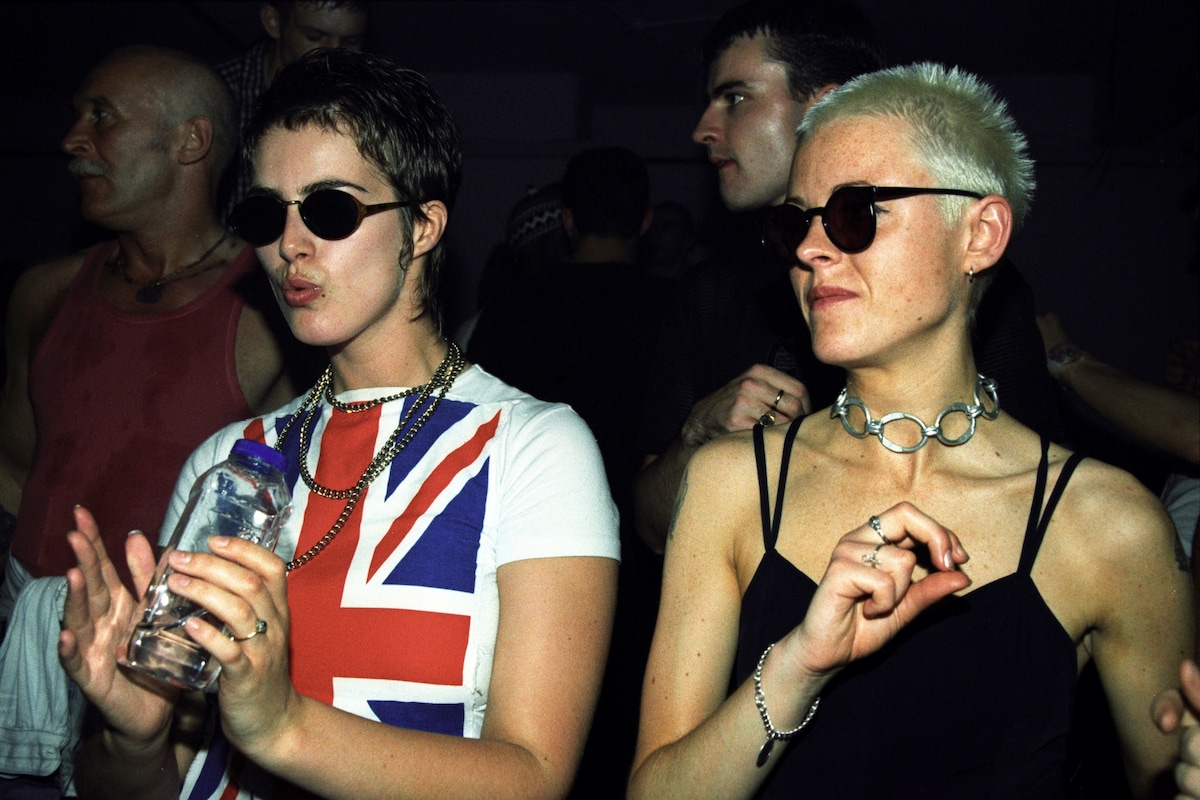
Before the homogenizing filter of social media colonized modern nightlife, nightclubs functioned as the true laboratories of twentieth-century culture. The dancefloor served as a vital testing ground where personal identity was rehearsed, coded, and validated under the cover of darkness. Resident DJs acted as emotional editors, sampling and sequencing the fragmented anxieties of the era into fluid, borderless auditory experiences. These nocturnal scenes did not remain confined to basement venues; instead, they radiated outward, fundamentally steering the trajectories of contemporary fashion, visual art, and mainstream media production.
D Is For David Bowie And The Validation Of The Underground
As independent publishing outlets began carving out new spaces in the cultural ecosystem, validation from established icons carried immense weight. David Bowie, an artist who historically possessed an uncanny radar for shifts in cultural energy, recognized the nascent power of publications like Dazed & Confused early on. By flying co-founders Rankin and Jefferson Hack to Los Angeles for their inaugural celebrity cover shoot, Bowie provided a vital stamp of approval. This endorsement not only bolstered the confidence of a young, independent editorial team but also demonstrated Bowie’s enduring commitment to championing emerging creative movements before they entered the cultural mainstream.
E Is For Experimentation Across Sound, Imagery, and Identity
The defining characteristic of 1990s cultural production was an atmosphere of radical fluidity where nothing felt permanently fixed. Musical boundaries blurred with lightning speed, traditional gender codes were systematically dismantled, and the publishing industry underwent a profound reinvention. Concurrently, the nascent commercial internet began facilitating borderless sampling and the rapid exchange of ideas. In this climate, taking creative risks was not calculated as a corporate strategy; it was executed purely by instinct. Creators across disciplines embraced uncertainty, treating the unknown as an invitation to construct alternative futures.
F Is For Fashion As A New Generational Language
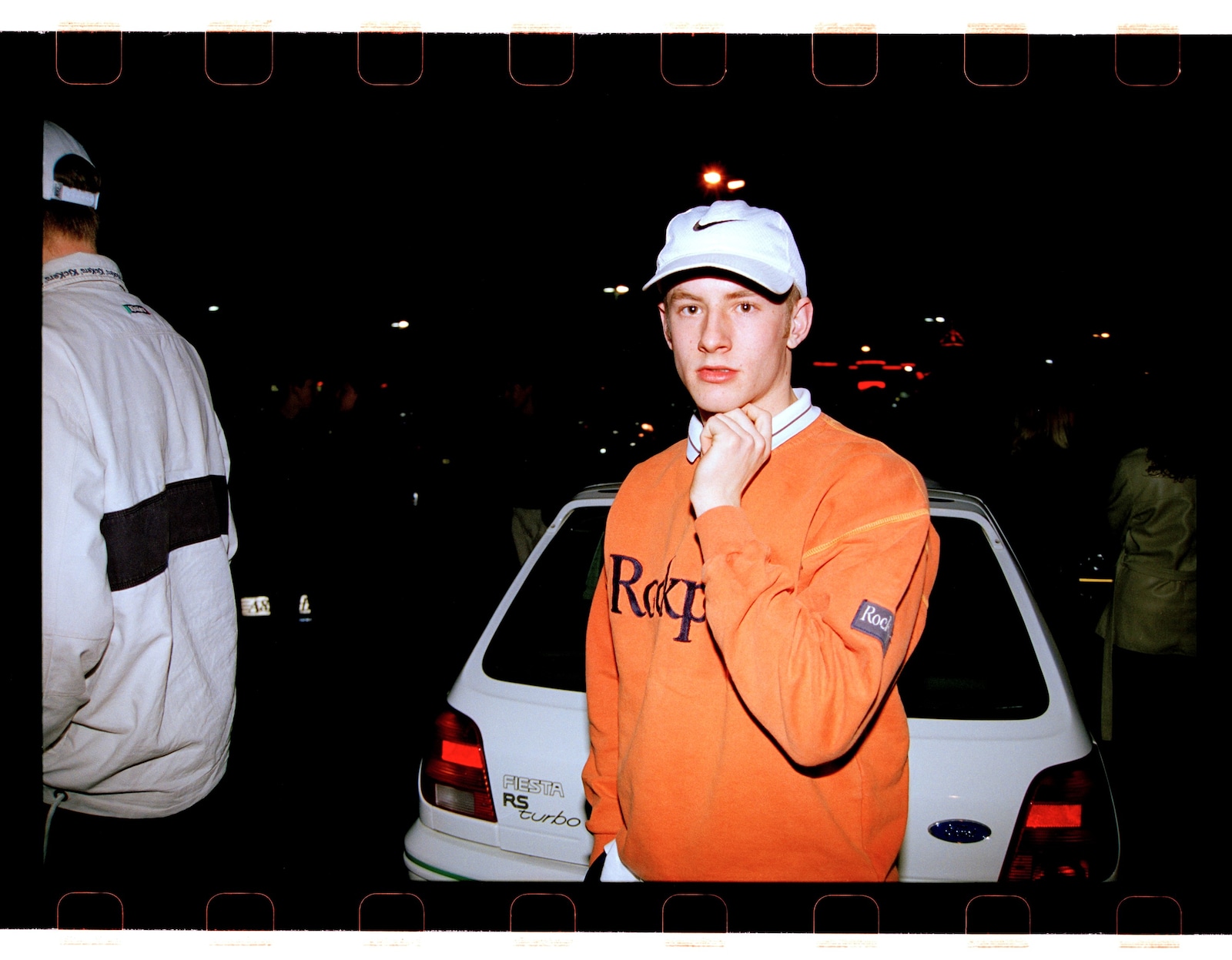
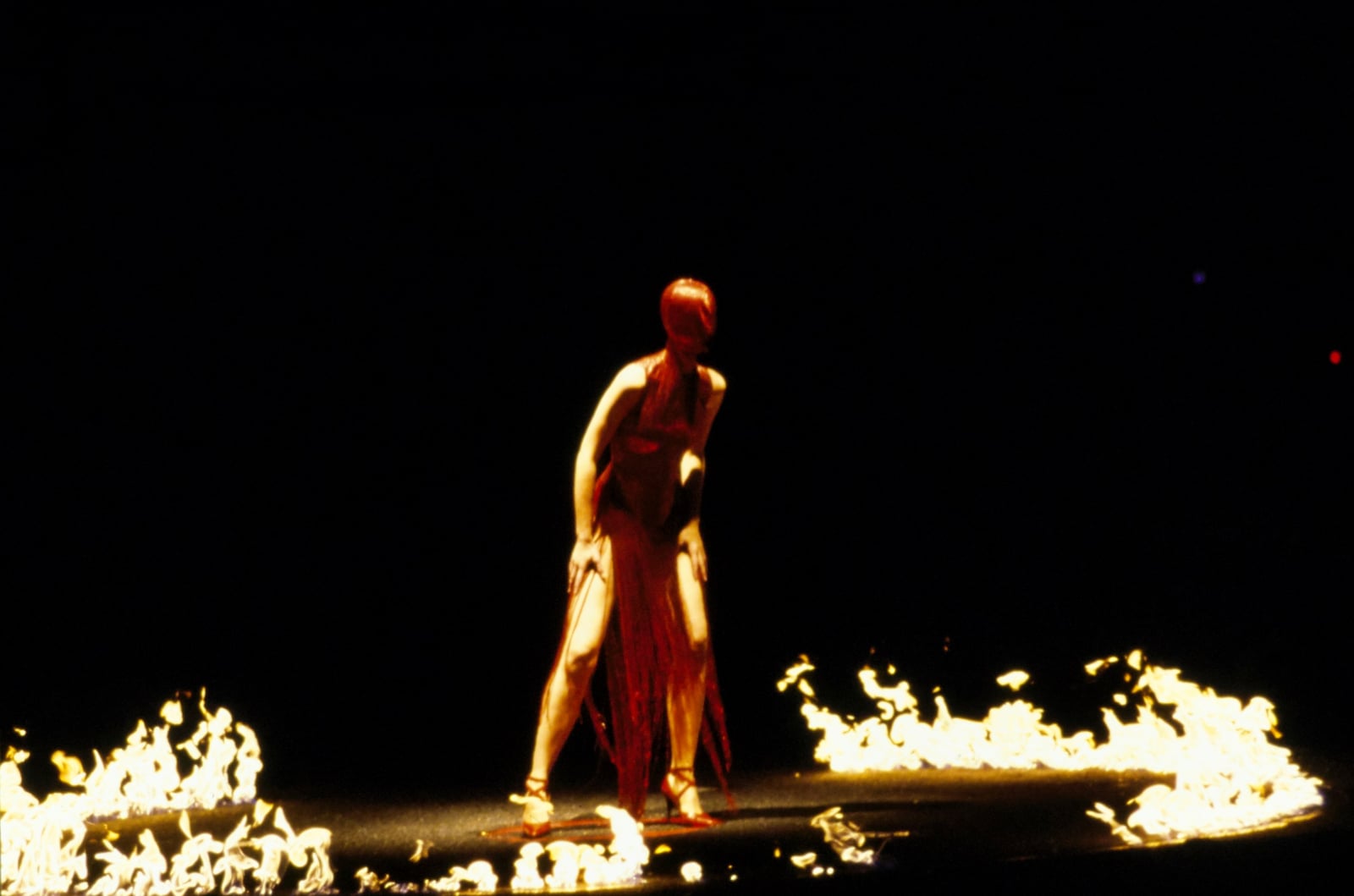
Fashion in the 1990s underwent a seismic generational shift, pivoting away from the glossy, unreachable opulence of the 1980s supermodel era toward a gritty, autobiographical auteur sensibility. Designers such as Alexander McQueen, Hussein Chalayan, Raf Simons, Helmut Lang, Marc Jacobs, and later Hedi Slimane transformed the runway into a narrative medium. By anchoring collections in personal biography, social commentary, and historical subversion, these designers forged a new sartorial language that brought high fashion into intimate alignment with contemporary youth culture and its psychological complexities.
G And H Is For Grunge, Heroin Chic, and Political Scrutiny
The ascendance of grunge served as a necessary aesthetic corrective to the excessive materialism of the preceding decade, proving that imperfection and anti-fashion could be commercially and culturally viable. However, this embrace of stark realism also courted fierce controversy, most notably through the photographic movement colloquially termed "heroin chic." The potency of these raw, fragile, and unvarnished images became a matter of national debate when then-U.S. President Bill Clinton publicly criticized Dazed & Confused for allegedly promoting destructive lifestyle trends. This political friction exposed a central philosophical question of the decade: were photographers merely documenting the systemic fragility and excess of their environment, or were their lenses actively constructing the reality they claimed to reflect?
I Is For Independence And The DIY Ethos
At the core of the 1990s countercultural boom was an unwavering commitment to operational independence. Whether manifested through micro-budget record labels, avant-garde design houses, or independent publishing collectives, the prevailing ethos dictated that if the institutional system did not accommodate your vision, you were obligated to build your own. Do-It-Yourself (DIY) culture was never merely a stylistic affectation; it was an urgent survival strategy aimed at inventing alternative futures outside the purview of traditional corporate gatekeepers.
J, K, L, And M: Icons, Spaces, and Sonic Architecture
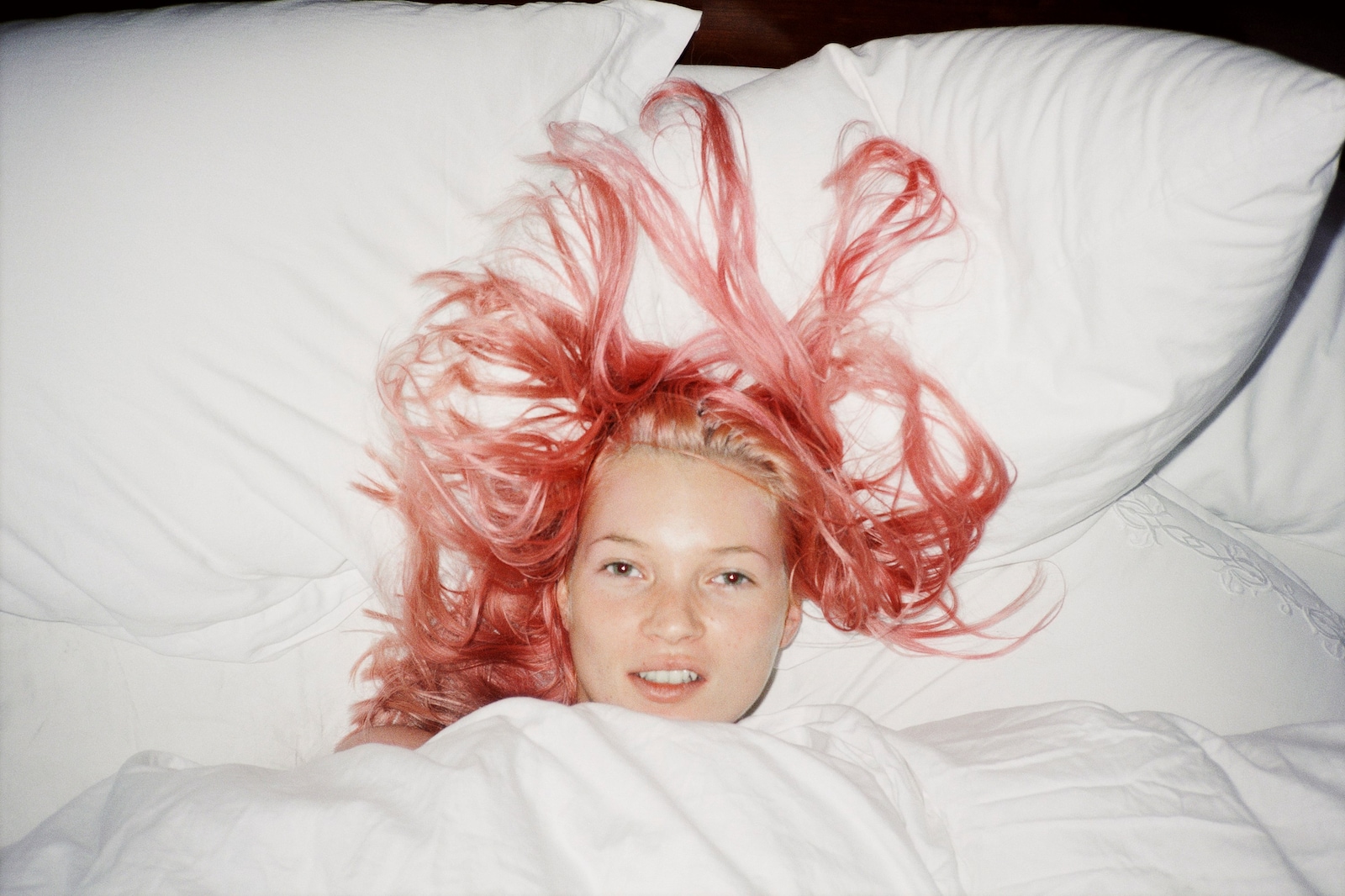
The decade was populated by distinctive figures who embodied its shifting psychological topography. Jarvis Cocker of Pulp introduced a wry, hyper-observant British intellect to Britpop, perfectly captured when Rankin photographed the transparent cover for A Different Class. Concurrently, Kate Moss redefined global beauty standards, offering an unpolished, unguarded, and playfully punk London attitude that mirrored the restless mood of the era.
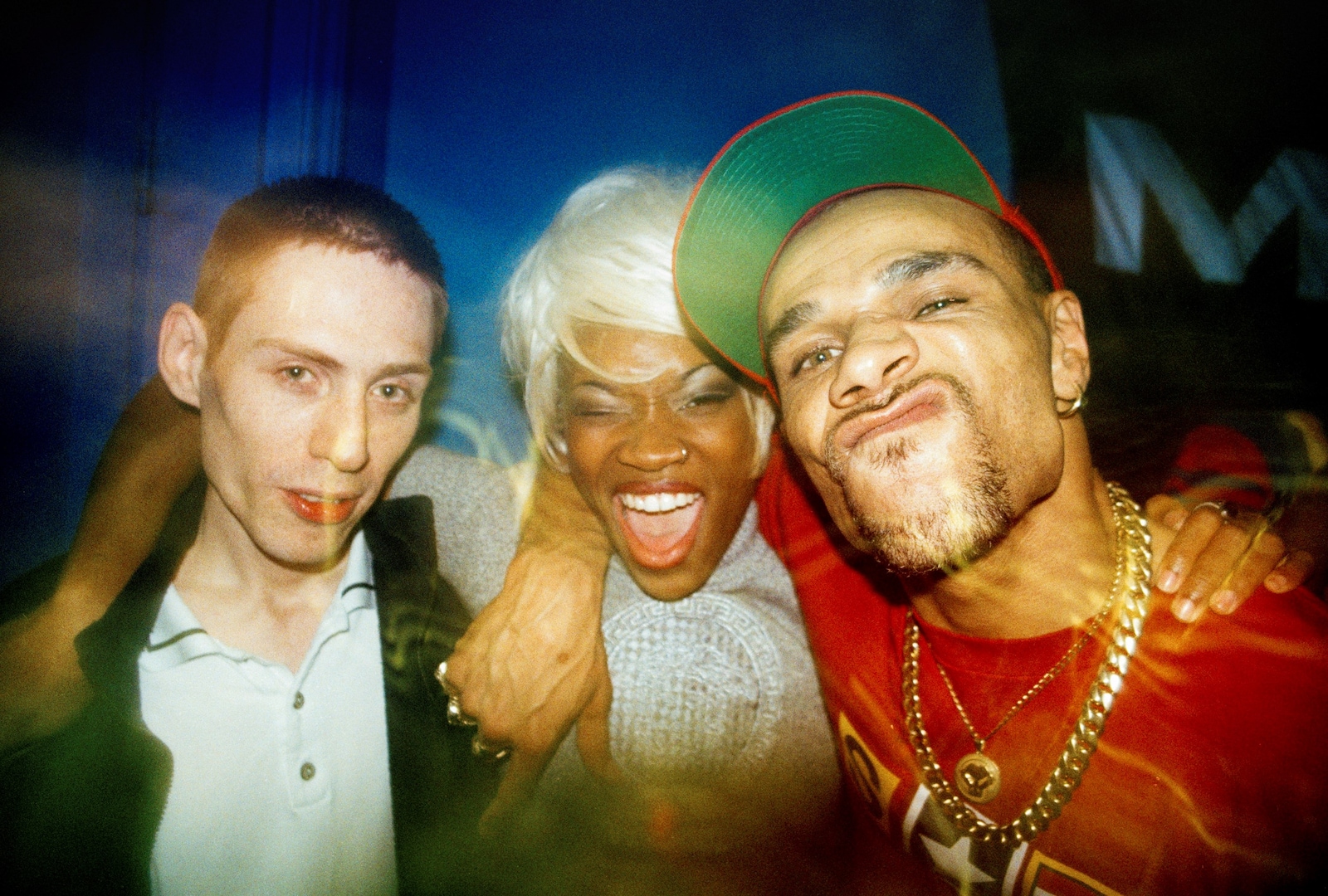
In fashion, Lee Alexander McQueen elevated clothing to high art through narrative-driven spectacles. His historic guest-editing of Dazed—which featured Paralympian Aimee Mullins on the cover, photographed by Nick Knight and styled by Katy England—deliberately reframed traditional notions of physical power and aesthetic possibility. Simultaneously, sonic spaces like the Metalheadz Sunday sessions at the Blue Note in Hoxton Square acted as pressurized cultural incubators. Here, heavy basslines transformed into complex architectural soundscapes, serving as the physical foundation where a new Black British futurism took shape in real time.
N, O, P, And Q: Sonic Shifts and Cinematic Reckoning
The collective psyche of the decade pivoted toward introspection via Nirvana, whose conviction-driven output captured teenage angst and alienation with uncompromising intensity through the attitude of Kurt Cobain. This atmosphere of technological anxiety and shifting paradigms was similarly mirrored by Radiohead, whose pivotal album OK Computer was famously previewed by Thom Yorke and Colin Greenwood at a chaotic Dazed Live performance in London’s Tramshed.
This spirit of sonic cross-pollination found a parallel in Primal Scream’s Screamadelica, which fused rock, rave, gospel, and dub. In the cinematic realm, New Queer Cinema directors such as Gregg Araki, Todd Haynes, and Gus Van Sant utilized the medium to project desire, anger, and tenderness onto the screen. Operating under the devastating shadow of the AIDS crisis, these filmmakers infused queer storytelling with a fierce, unapologetic sexual energy that permanently expanded cinematic boundaries.
R, S, T, And U: Retail Incubators, Post-Rave Comedowns, and Detroit Techno
Photography evolved into a direct, confrontational dialogue through the work of Rankin, whose collaborations with Katie Grand and Alister Mackie produced indelible cultural imagery. Meanwhile, physical retail spaces functioned as vital social hubs; Fiona Cartledge’s Kensington Market stall, Sign of the Times, operated as a legendary incubator where designers, artists, and musicians exchanged ideas freely—and where future Turner Prize winner Jeremy Deller once worked as a shop assistant.
This bubbling subcultural energy frequently collided with harsh socioeconomic realities. Irvine Welsh’s Trainspotting—spanning his seminal novel and Danny Boyle’s explosive cinematic adaptation—crystallized the bleak post-ecstasy comedown of early nineties youth culture. Set against a backdrop of systemic unemployment and urban hopelessness during the final years of the Conservative government, the work captured a generation searching for escape. Globally, this search for the future was galvanized by Underground Resistance, whose uncompromising Detroit techno records hit the UK hard, introducing a politicized futurism that resonated through European clubs and across the globe.
V, W, X, Y, And Z: Westwood, Tillmans, X-Girl, YBAs, and Zines
The decade’s lineage of subversion was anchored by Vivienne Westwood, the undisputed queen of London fashion, who continuously sampled, distorted, and remixed historical dress into sophisticated political rebellion. In photography, Wolfgang Tillmans reframed the medium around lived experience, rendering the everyday radical and the radical deeply tender through his documentation of club kids, lovers, and friends.
In New York, Kim Gordon’s feminist streetwear label X-Girl forged vital links between indie rock, fashion, and film, staging runway shows featuring Chloë Sevigny with direction by Spike Jonze and Sofia Coppola. Back in the UK, the Young British Artists (YBAs)—including Damien Hirst, Tracey Emin, Steve McQueen, and Sarah Lucas—leveraged shock as both an artistic strategy and a institutional reset. By actively courting the media and aligning with entrepreneurial gallerists like Charles Saatchi, Sadie Coles, and Jay Jopling, the YBAs constructed a high-stakes commercial economy around their work that matched its unapologetic bravado.
Finally, the entire ecosystem was underpinned by the humble zine. Rooted in DIY self-publishing, these photocopied manifestos were passed physically from hand to hand, serving as the literal catalyst for publications like Dazed & Confused, which began as an un-stapled, black-and-white poster zine bearing a direct challenge to its audience: "This is not a magazine." As Tate Britain’s current exhibition proves, the reverberations of this defiant, independent spirit continue to define the parameters of modern culture more than three decades later.